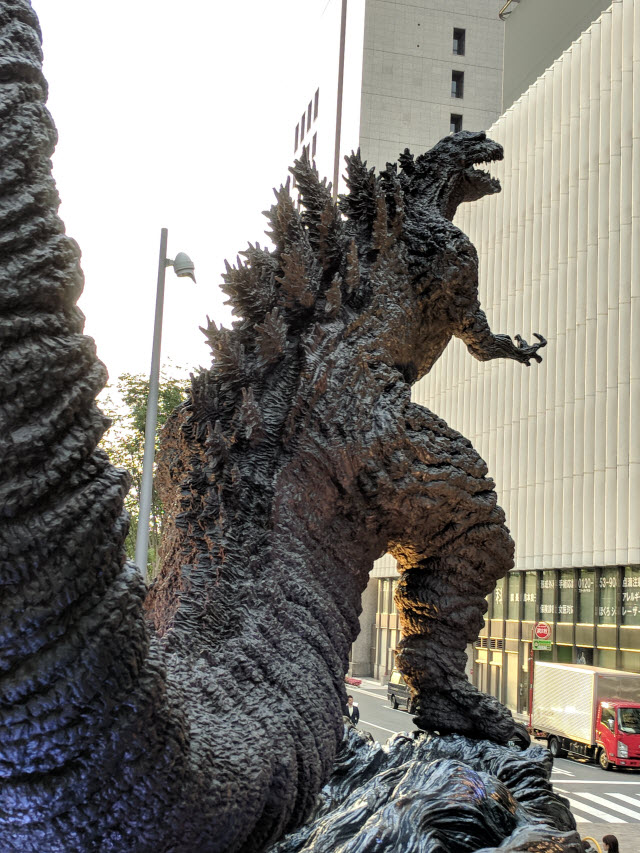
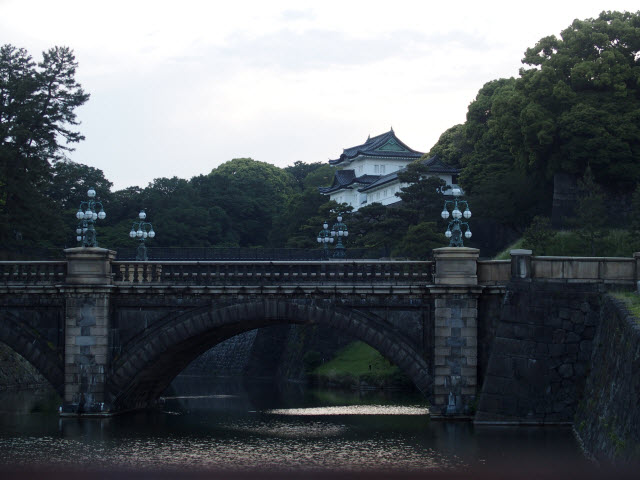
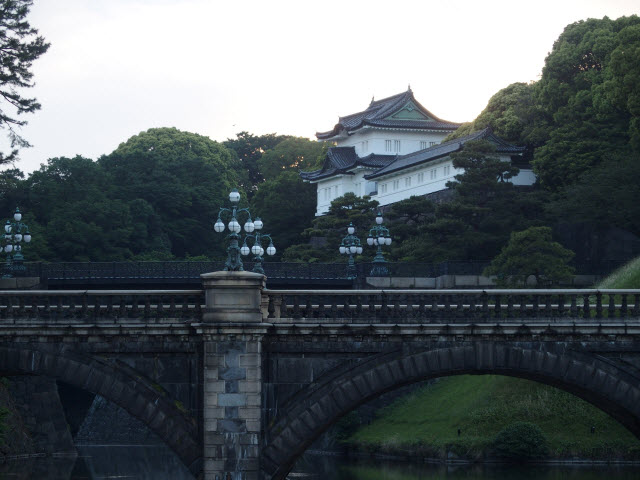
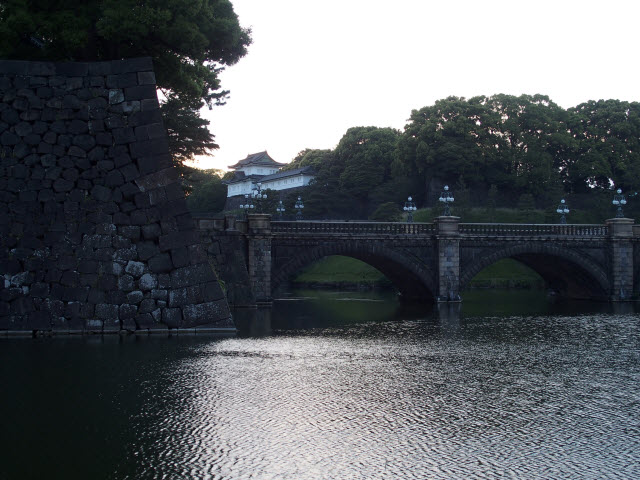
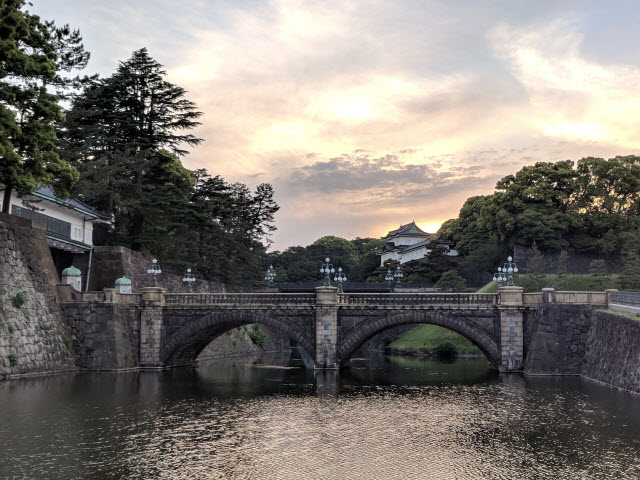
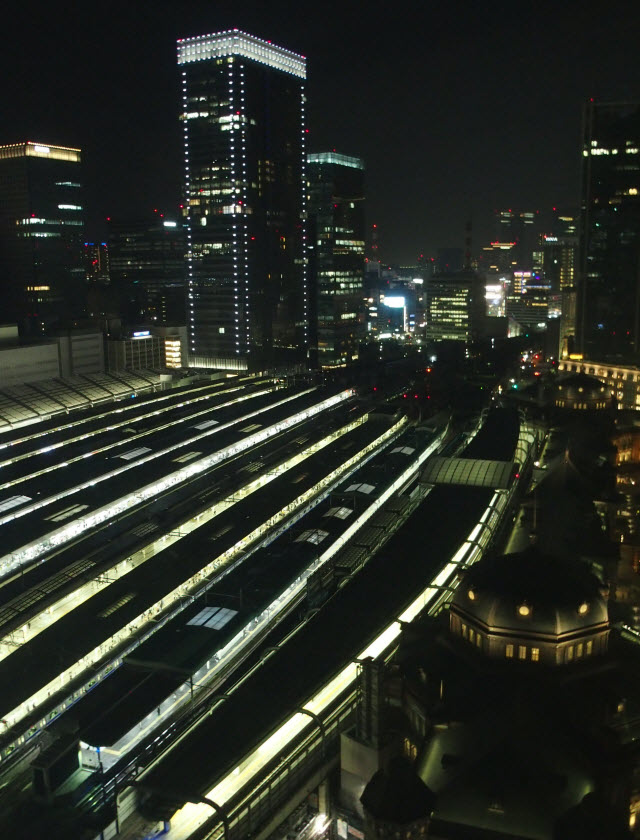
While we were in Japan, we spent a couple nights in Tokyo and saw a few sights. I could not pass up the opportunity to see the Godzilla statue – I am a fan of his work from way back. While the Imperial Palace itself is not open for visitors, the grounds around the palace are. The Seimon Ishibashi bridge onto the palace grounds is supposedly one of the most photographed locations in Tokyo.
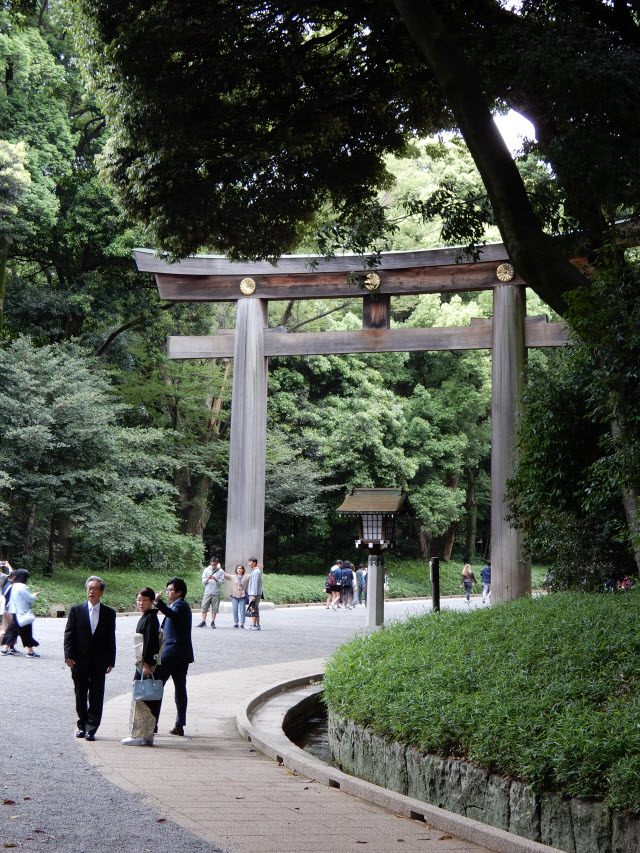
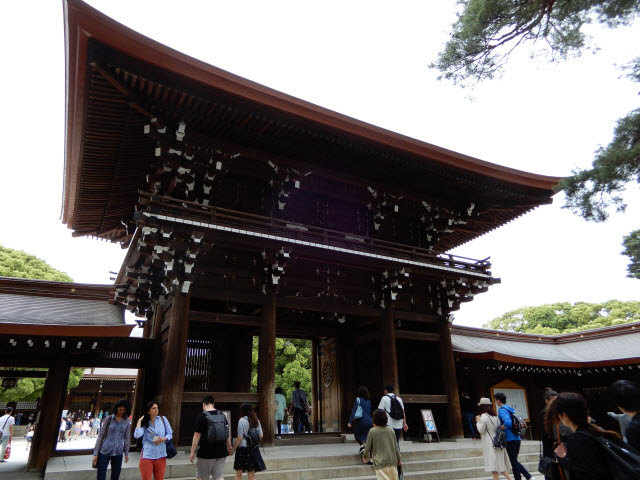
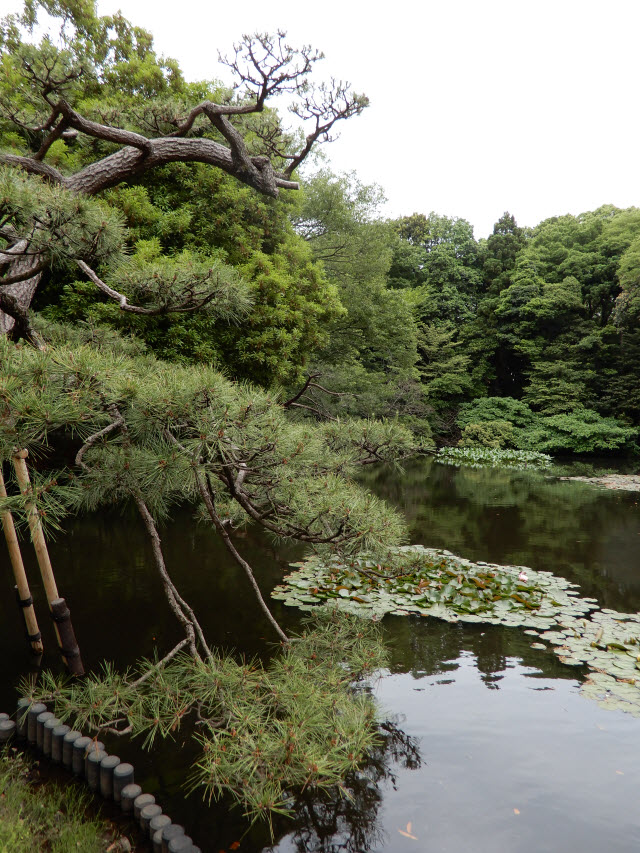
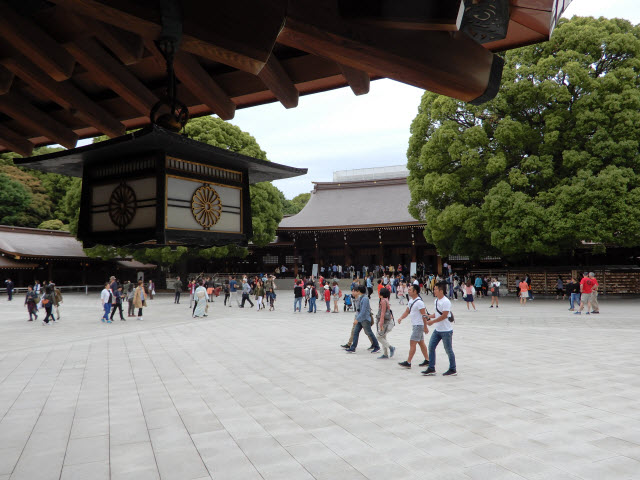
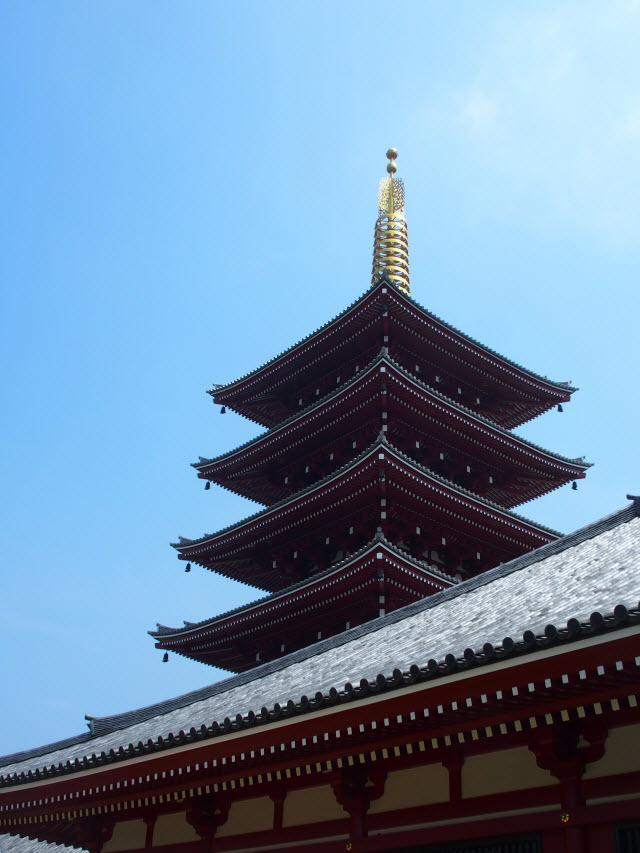
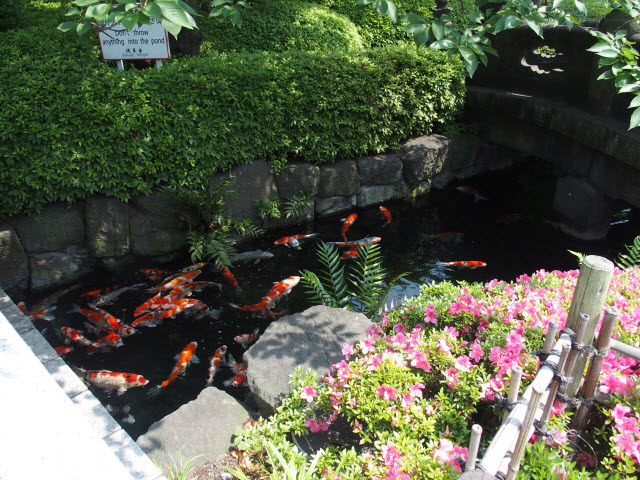
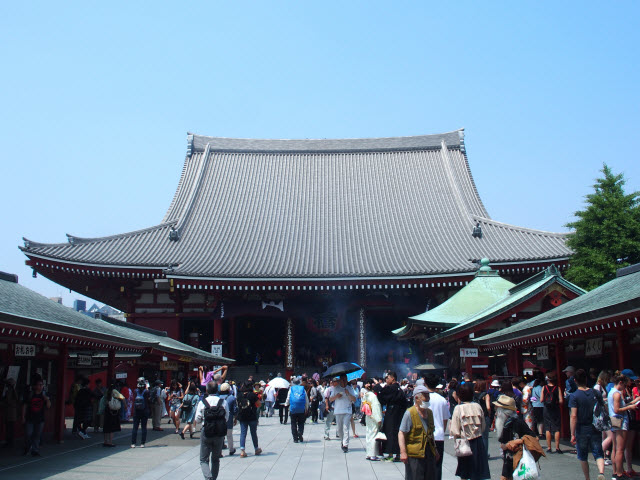
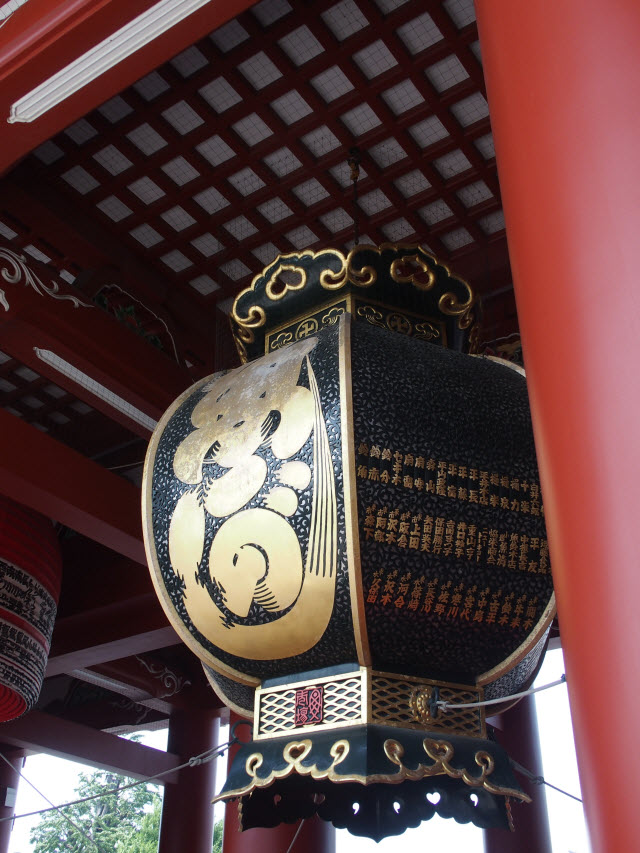
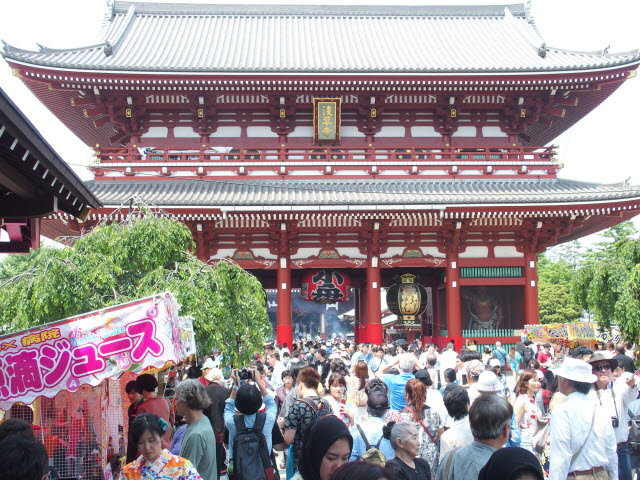
The days in Tokyo fluctuated between unusual heat and persistent precipitation. At a single drop of rain a forest of umbrellas unfurled, hinting at a deluge that never came to fruition. The weather remained serviceable enough to visit the gardens around the Meiji Shrine, the controversial Yasukuni Shrine, the famous Sensō-ji temples, and the traditional Yakana district. The Sensō-ji temples are popular and often very busy with locals and tourists. The Meiji Shrine, nestled within a large city park, is suggested as a quieter alternative. Despite that large number of visitors at the Meiji Shrine the crowds were more diffuse and it was a more relaxing experience.
I wanted to see the Yasukuni Shrine as much for the controversy as for the shrine itself. The shrine honors those who fought and died for Japan from the mid-Nineteenth Century onward. The debate arises due to a number of convicted war criminals memorialized there. Each visit of a high-ranking Japanese politician to Yasukuni raises the anger of the Asian nations attacked, colonized or subjugated by the Japanese honored at the shrine.
There is also a museum recounting the history of the Japanese military – including military engagements – from the Meiji period to the present day. The narrative at the museum is not often to the liking of Japan’s neighbors and previous adversaries. Photographs in the museum are not permitted. I suspect this is equal parts protection of the items and limiting the instant adverse reaction of pictures shared on social media. The displays are have a decent number of English translations. Not surprisingly, several potentially controversial exhibits remain in Japanese-language only.
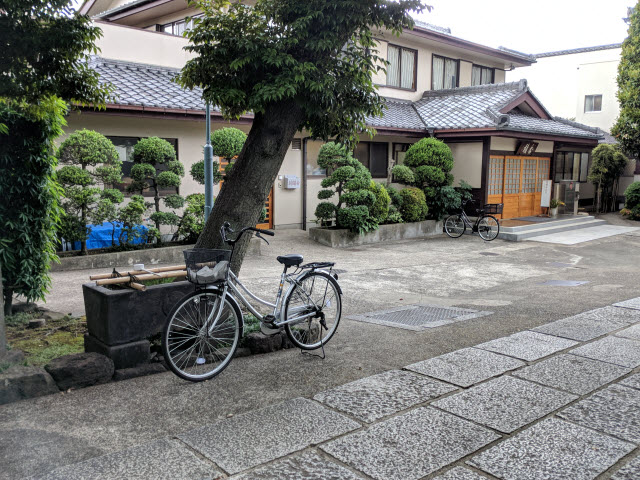
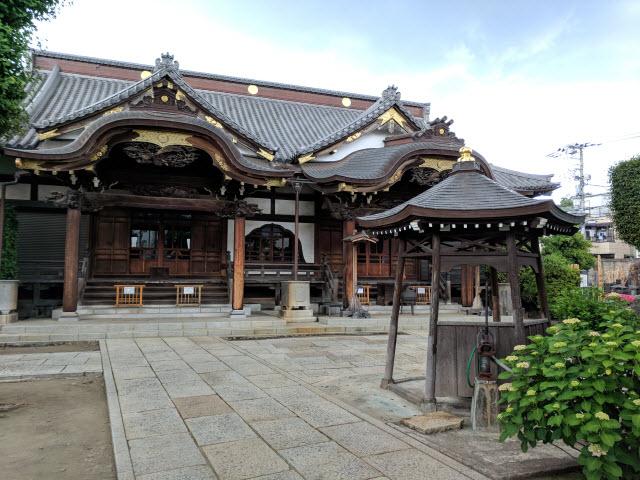
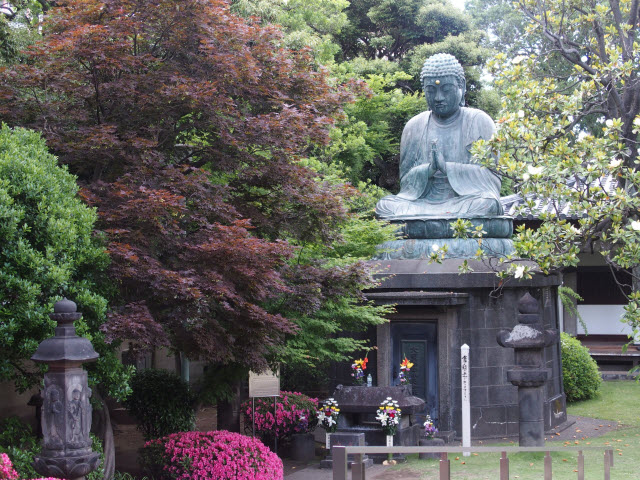
The Yanaka area promises a bit of old Tokyo with narrow pedestrian streets and traditional style buildings. Many temples were relocated here due to fire risk of temple roofs. The Yanaka Cemetery – and the adjacent Tennoji and Kanonji temples – are worth the visit. Rumor has it the cemetery is quite lovely when the cherry blossoms bloom. Also of note, the cemetery has its own police substation.
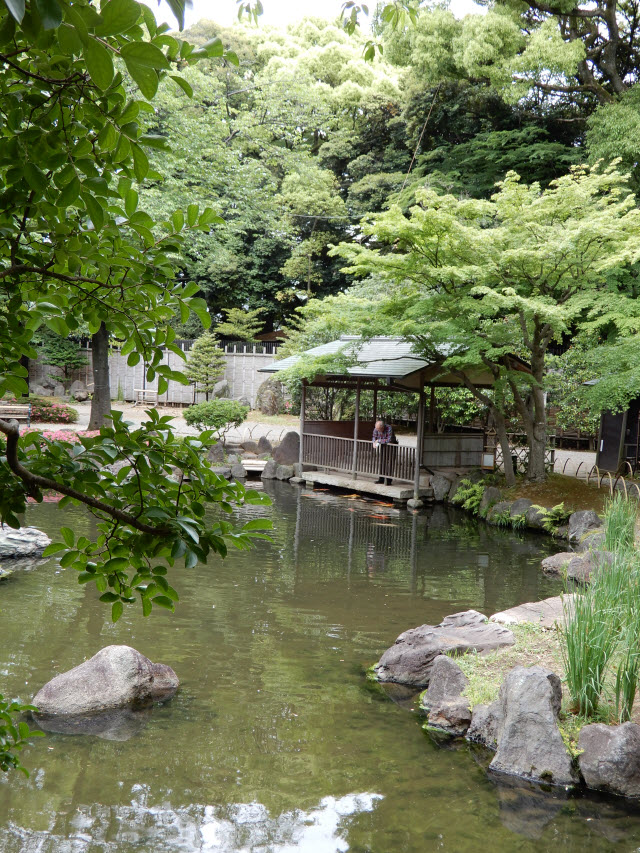
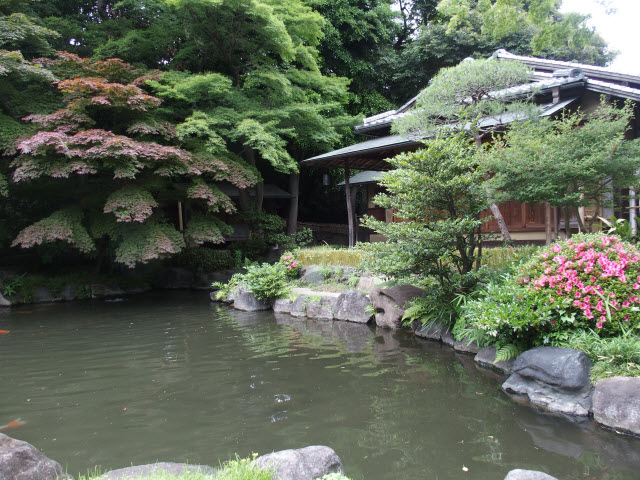
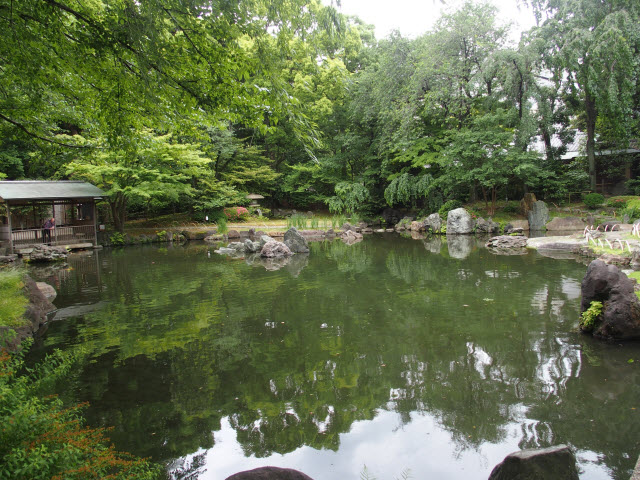
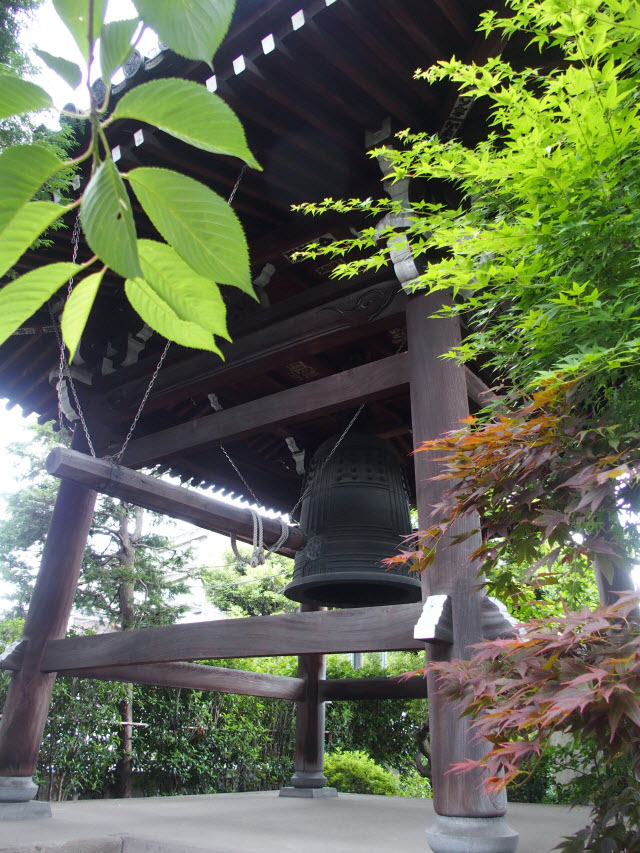
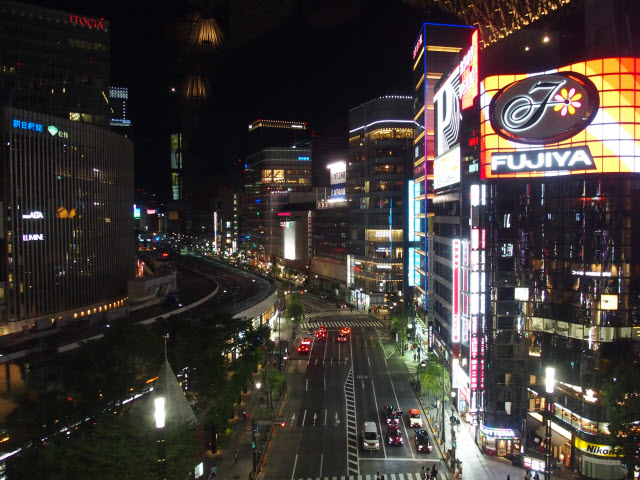
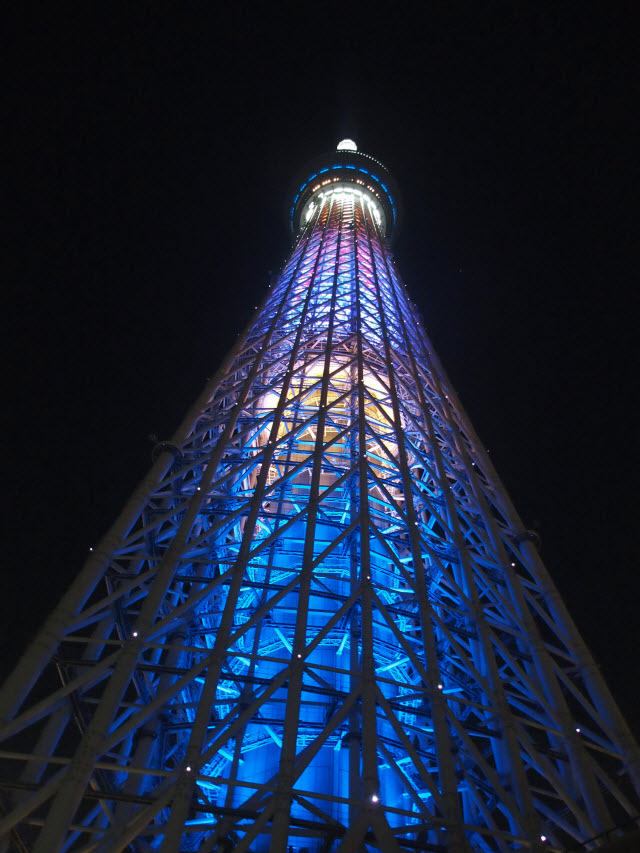
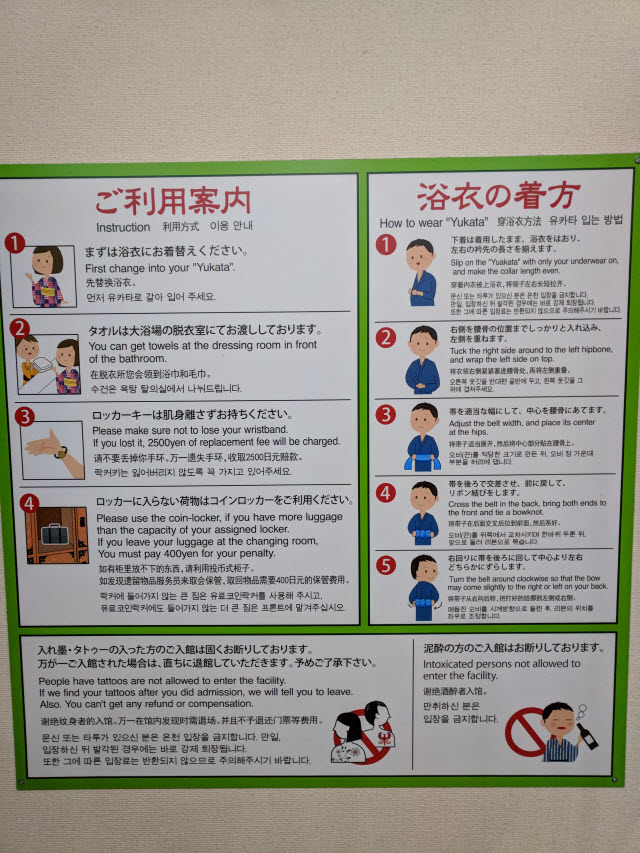
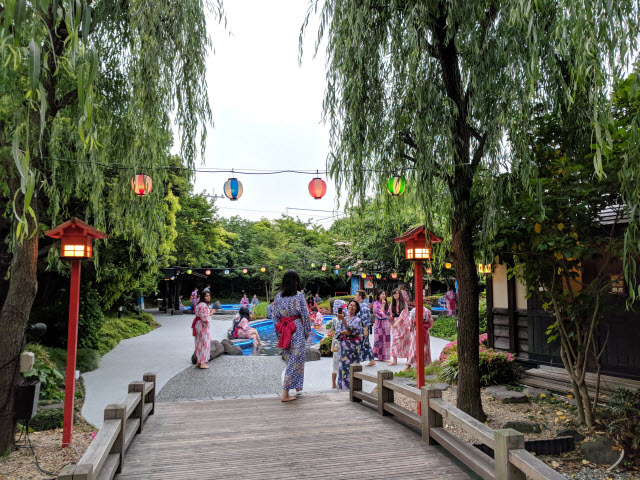
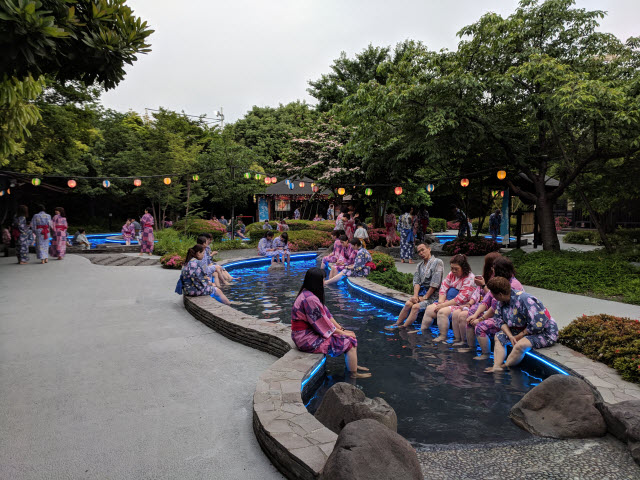
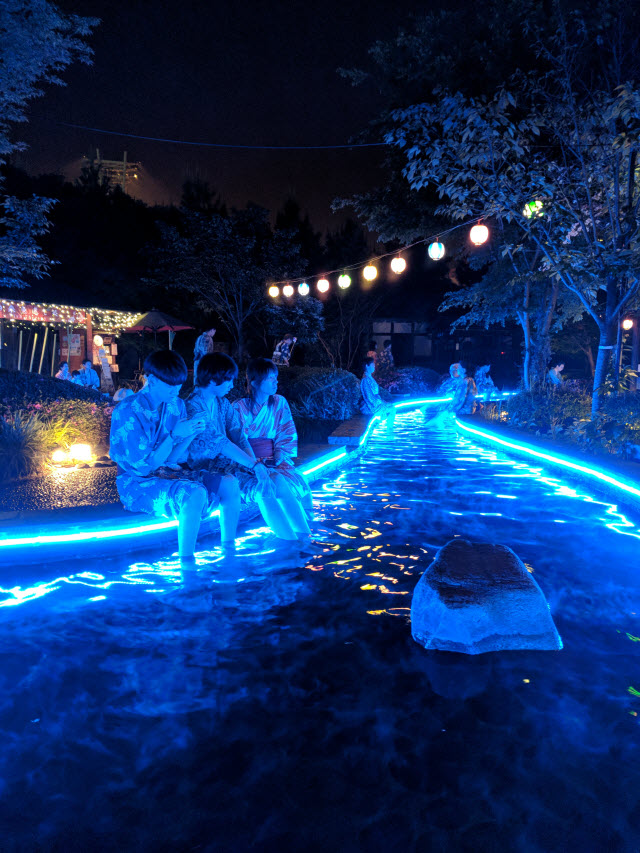
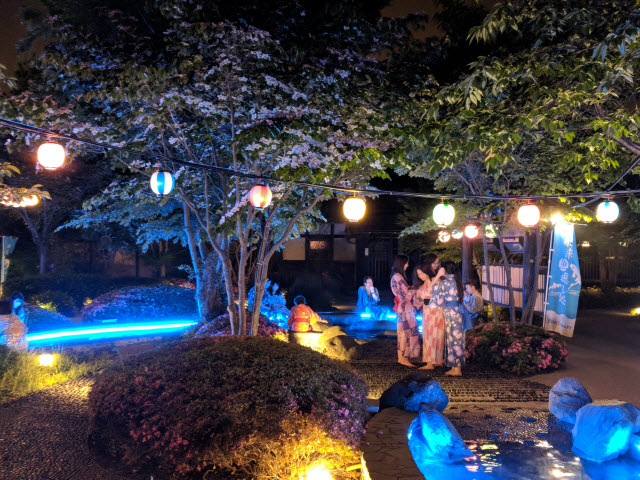
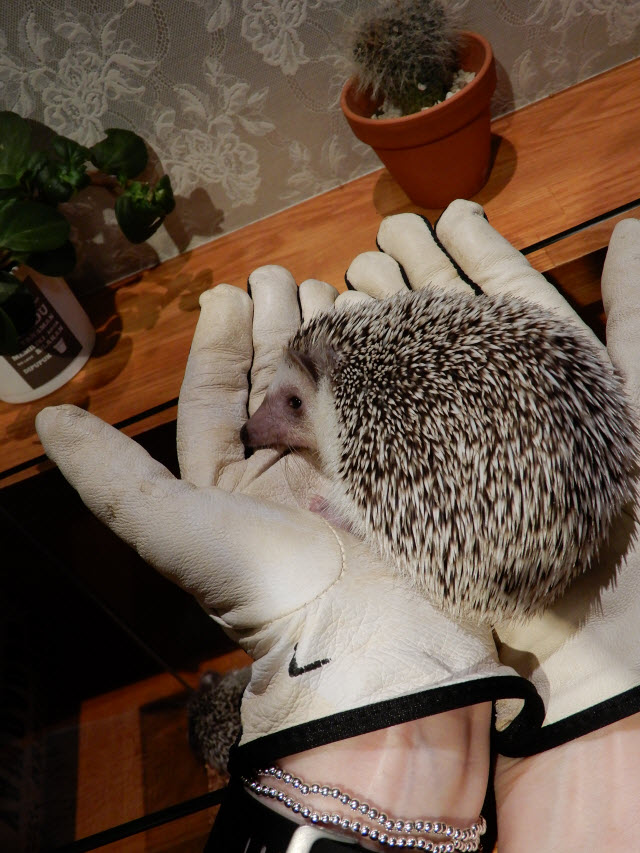
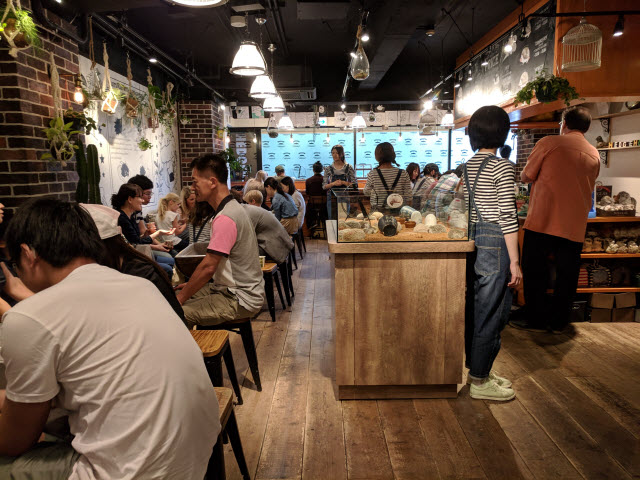
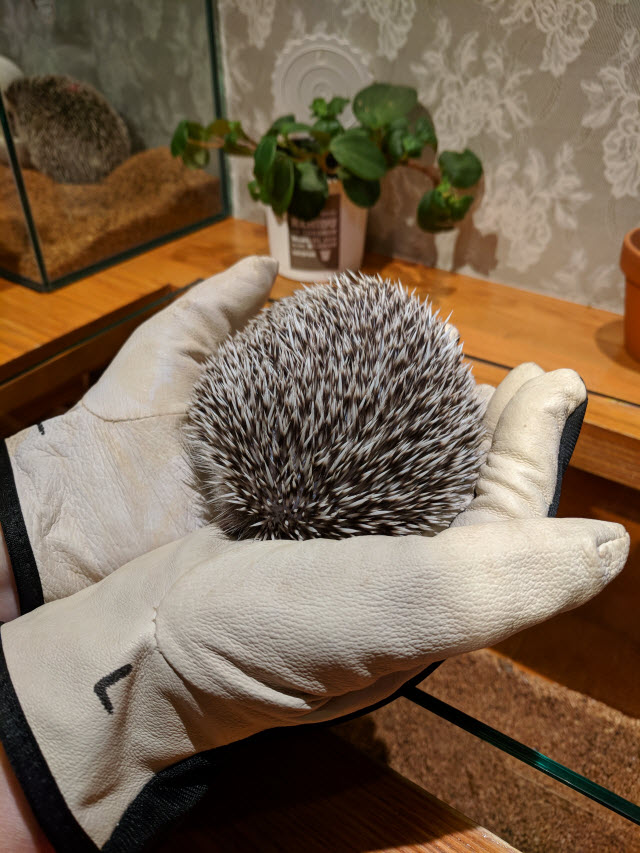
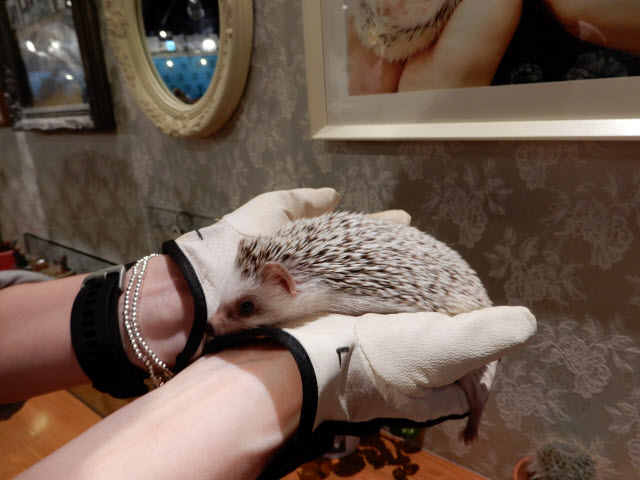
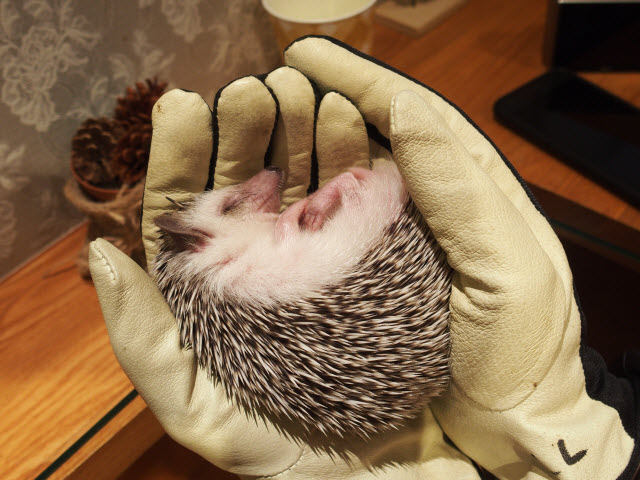
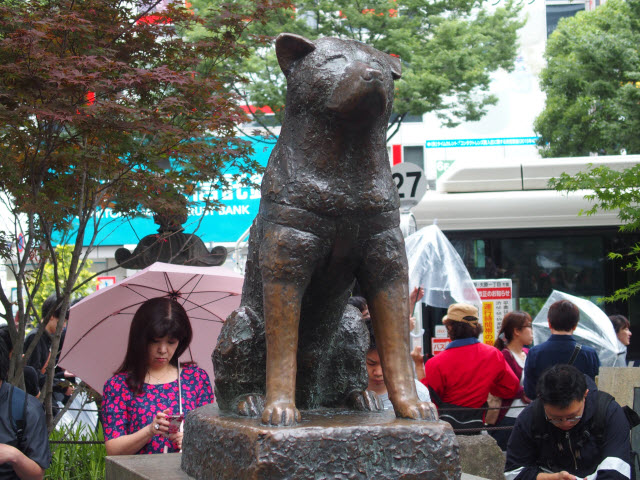
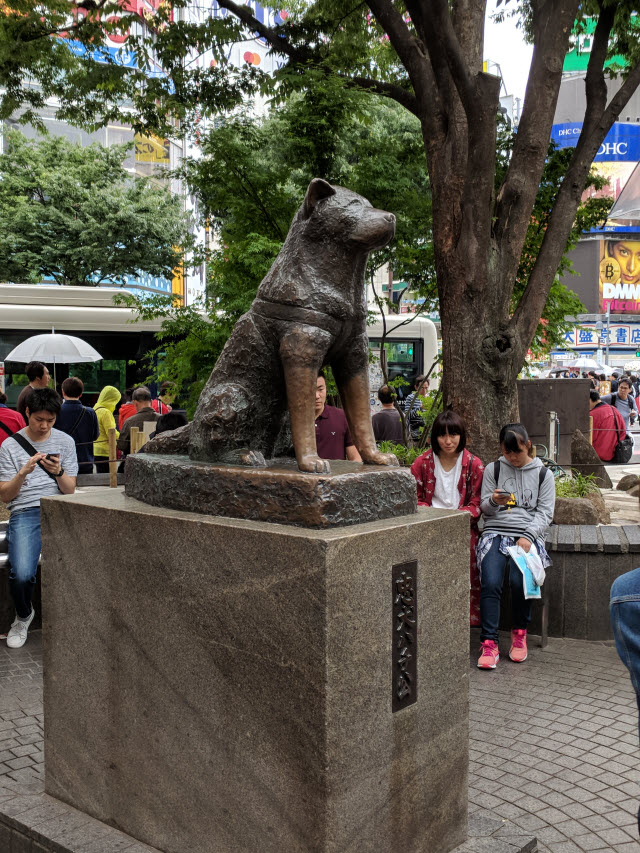
Tokyo being Tokyo, we needed to sample some particular sites and experiences including the hectic Shibuya Crossing (and the nearby statue of Hachiko), the Tokyo Skytree, and the theme park-spa Onsen Monogatari. But high on my list, about as high as the Godzilla statue, was to visit a hedgehog cafe where you can rent some quality time to play with the adorable critters. Tokyo also has other pet cafes where visitors can get their animal “fix” if they are unable to have pets of their own. I think that the hedgehog cafe we visited also sells them as pets, but I am not sure about that.
Note: Onsen Monogatari did not survive the COVID pandemic. At last check, it is a vacant lot.

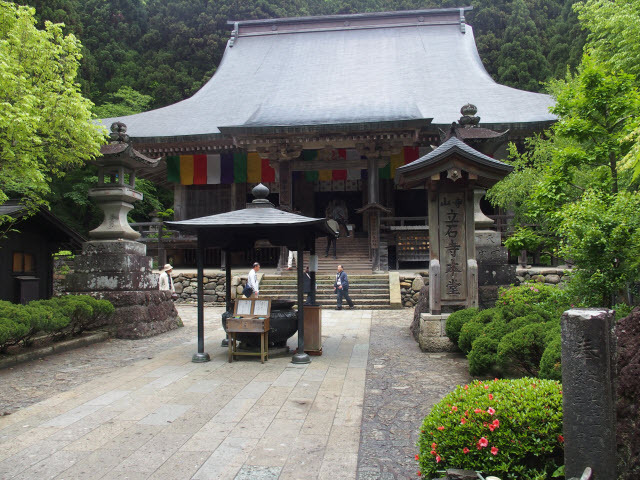
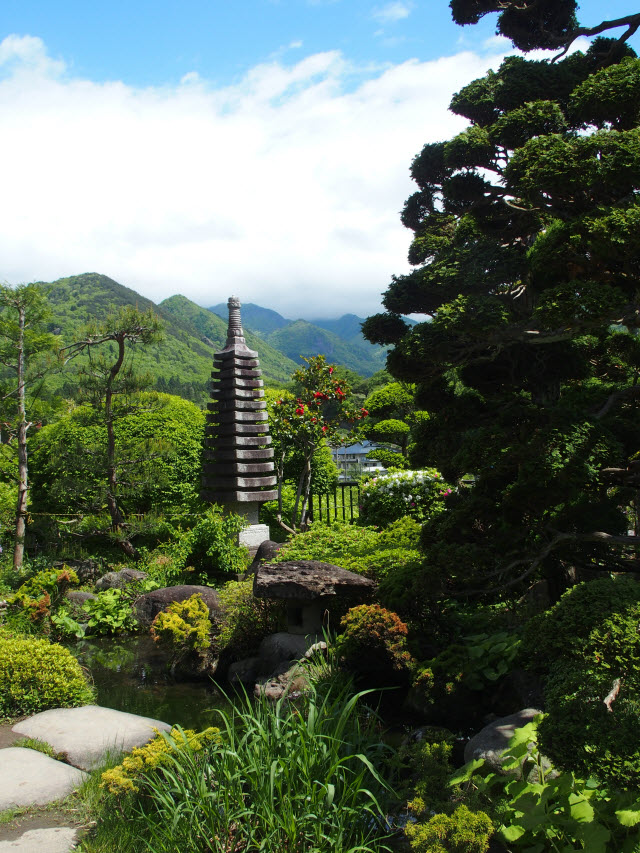
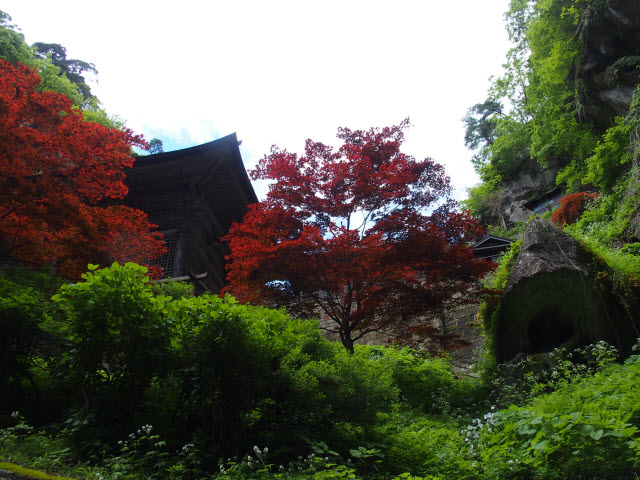
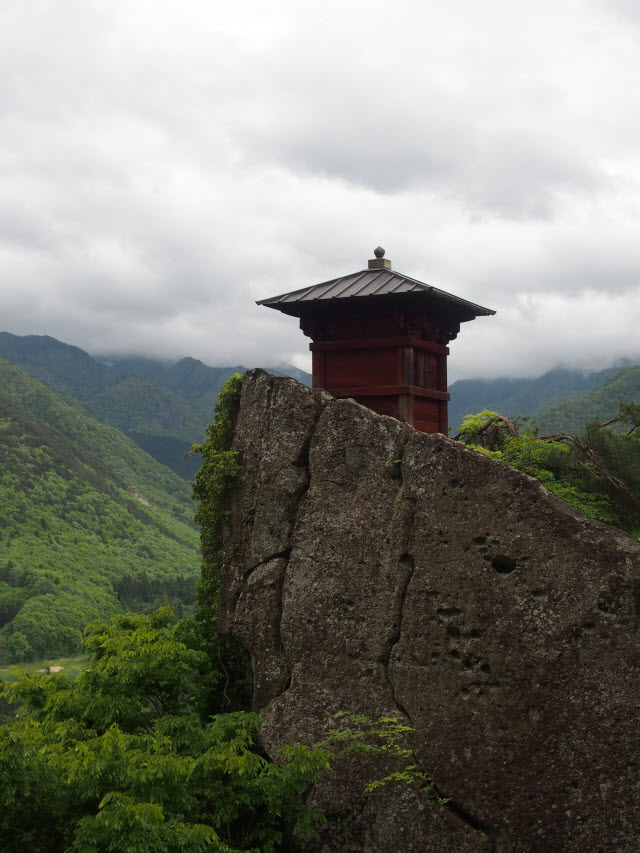
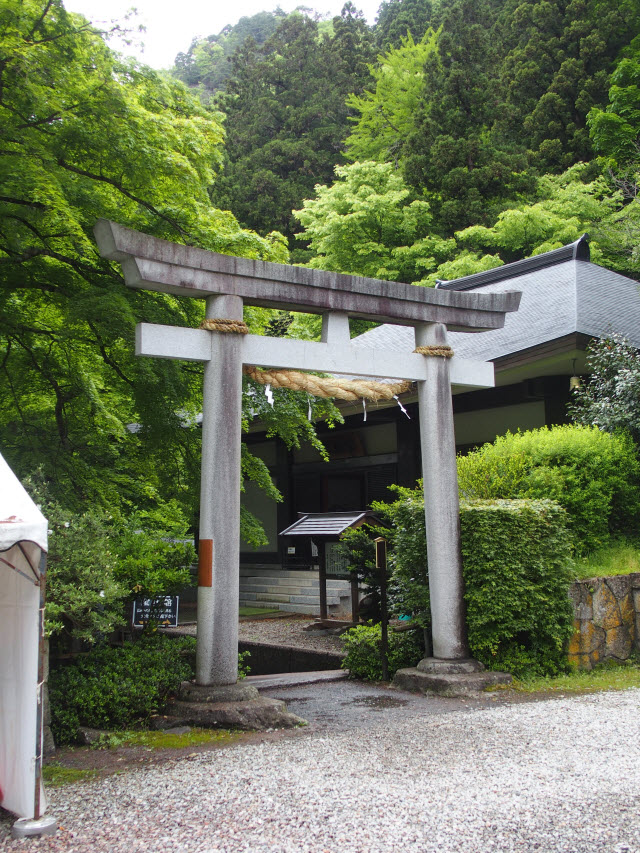
The Yama-dera mountain temple, outside of Yamagata, known for its impressive views (and 1000 steps)
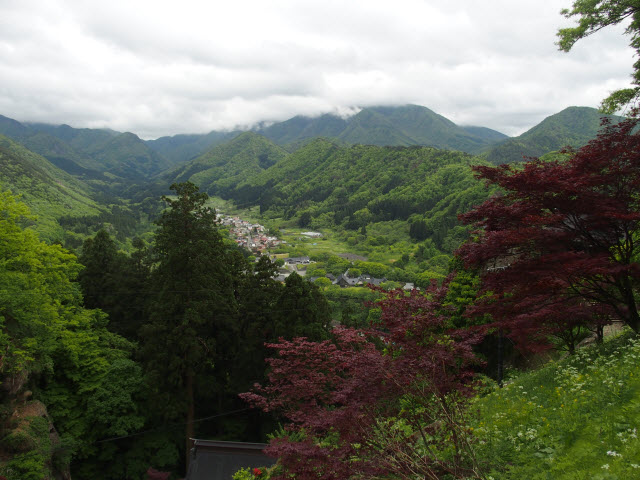
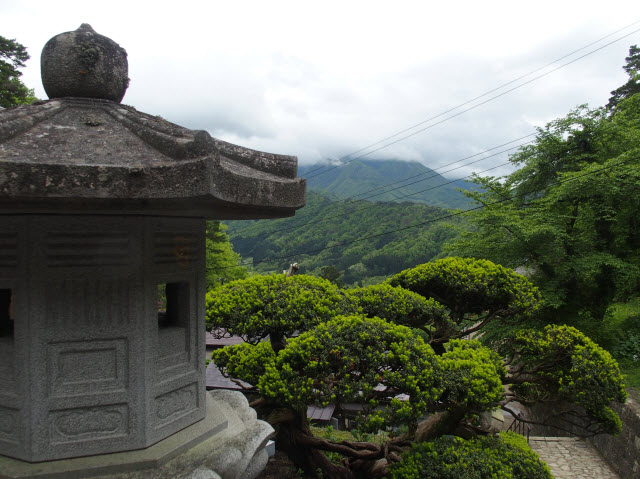
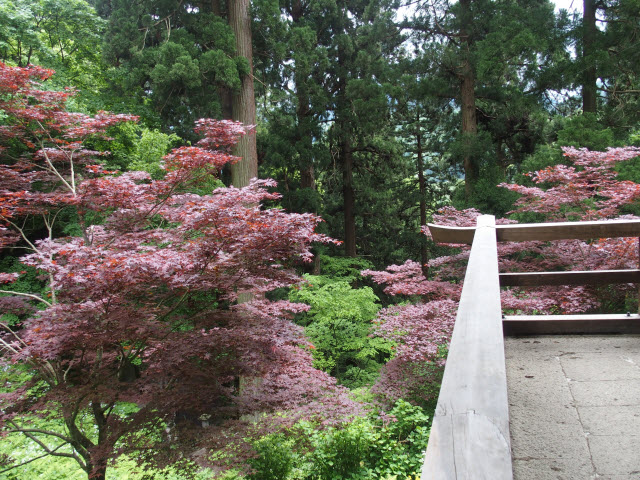
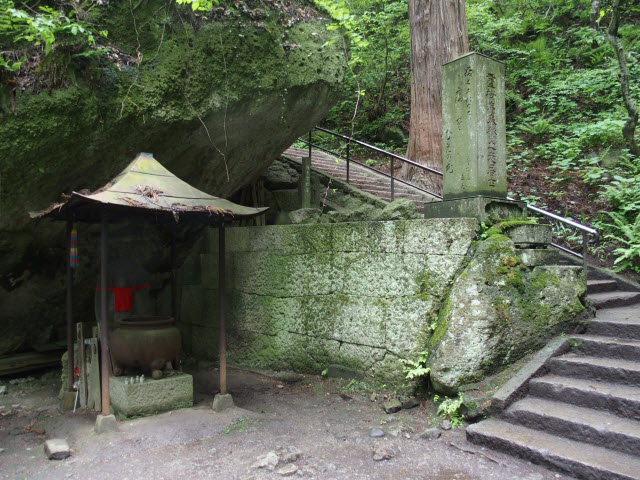
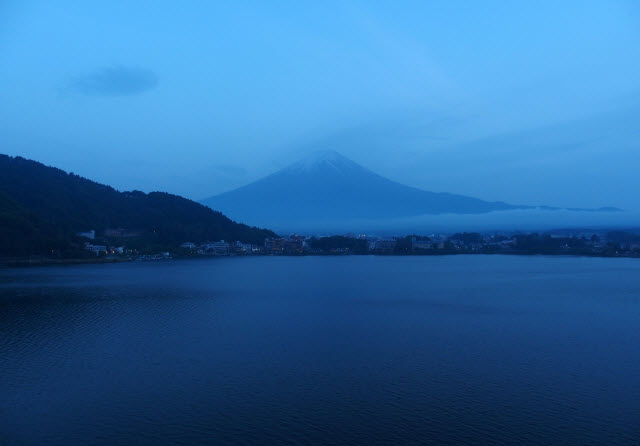
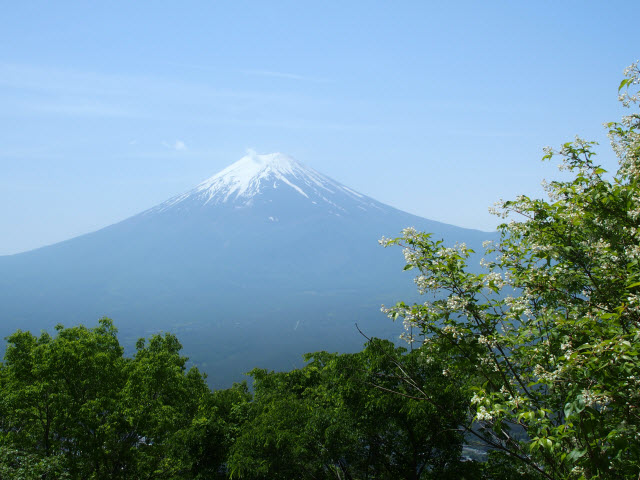
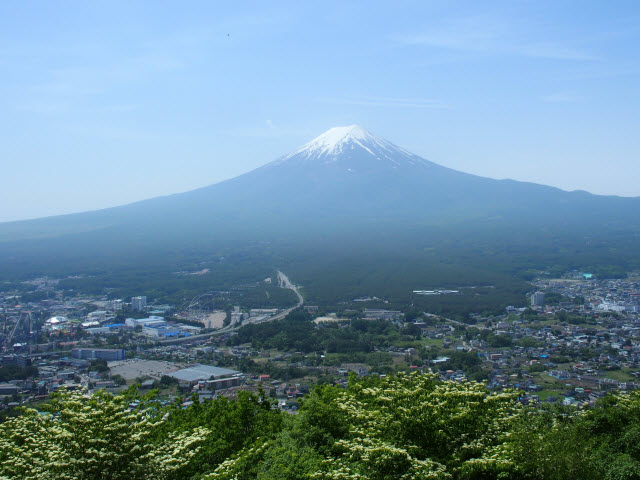
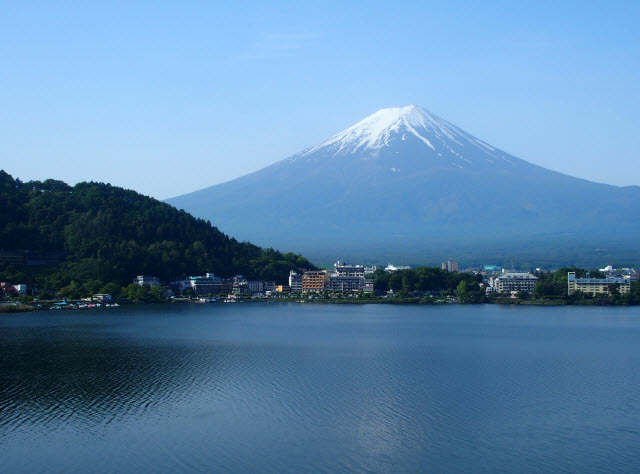
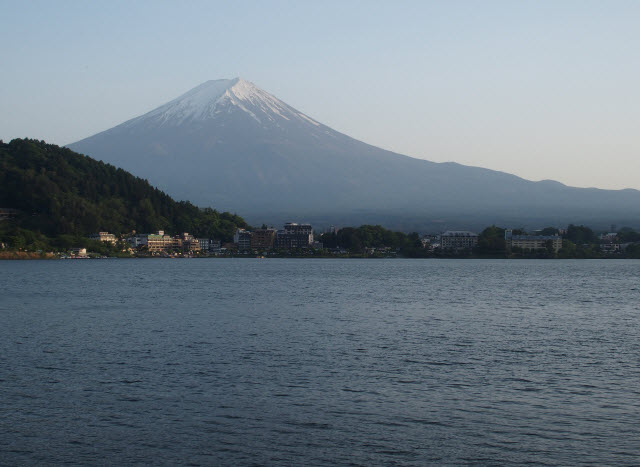
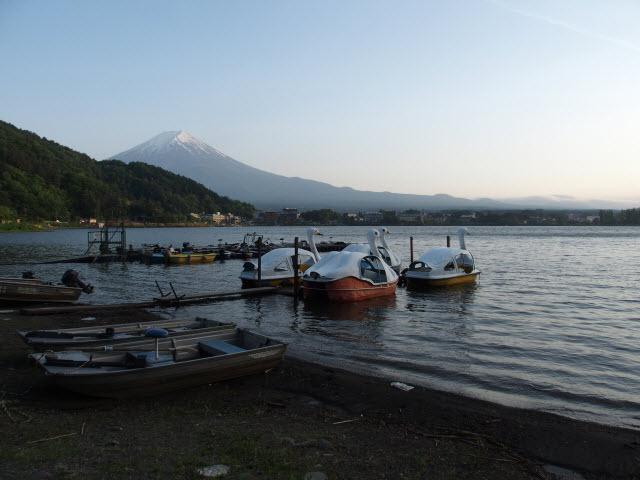
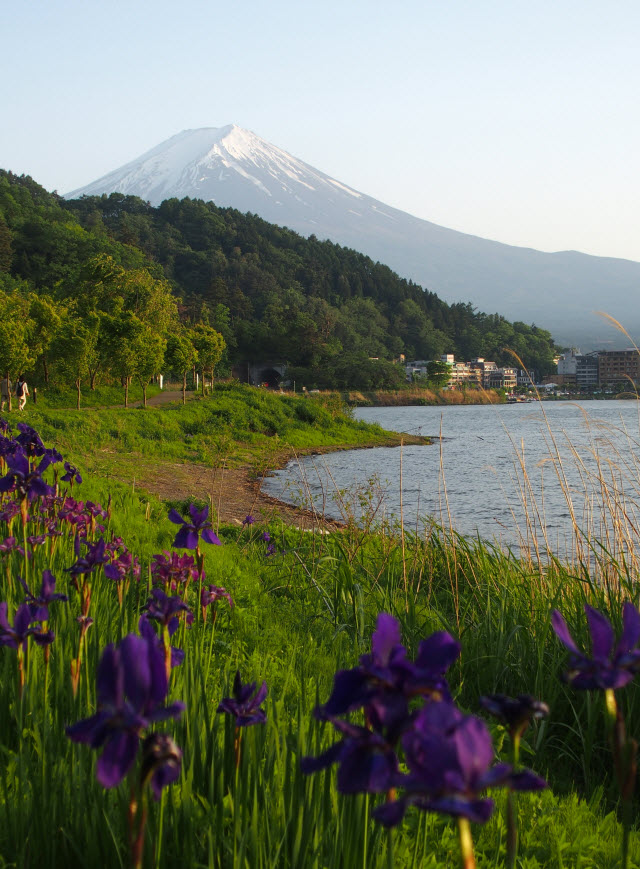
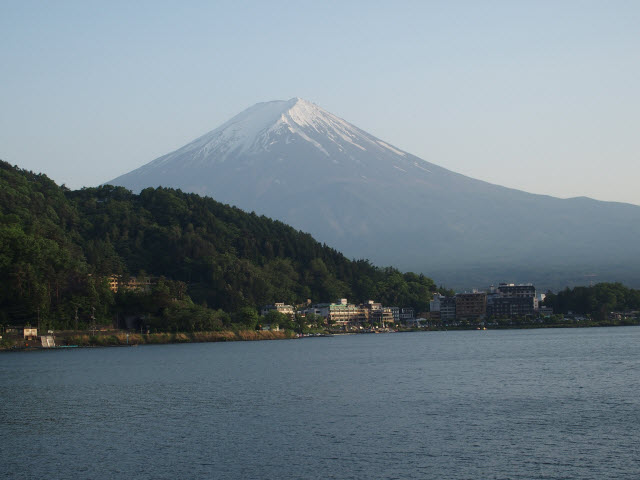
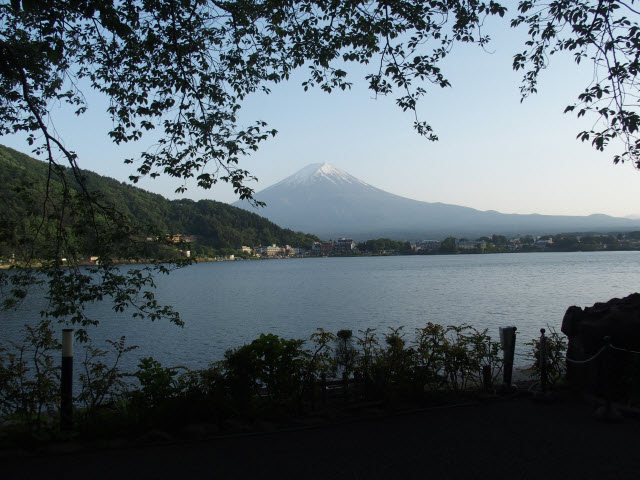
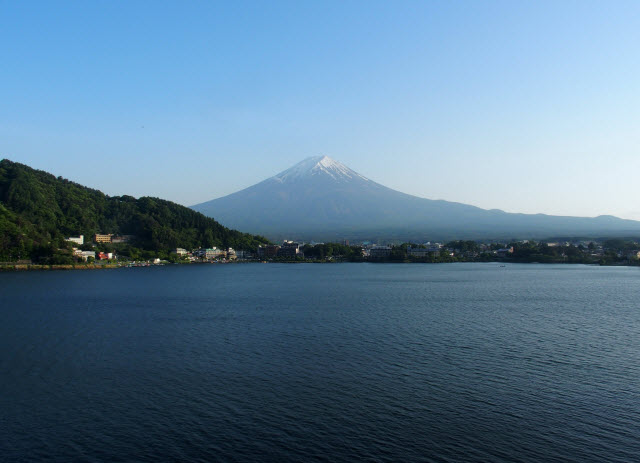
And, of course, the stunning Mount Fuji (a few of the more than thirty-six images taken)
For your viewing pleasure, a sped-up version of Shibuya Crossing. It was on a Sunday in the rain so not as dramatic as a weekday, but you get the idea)
Leave a Reply