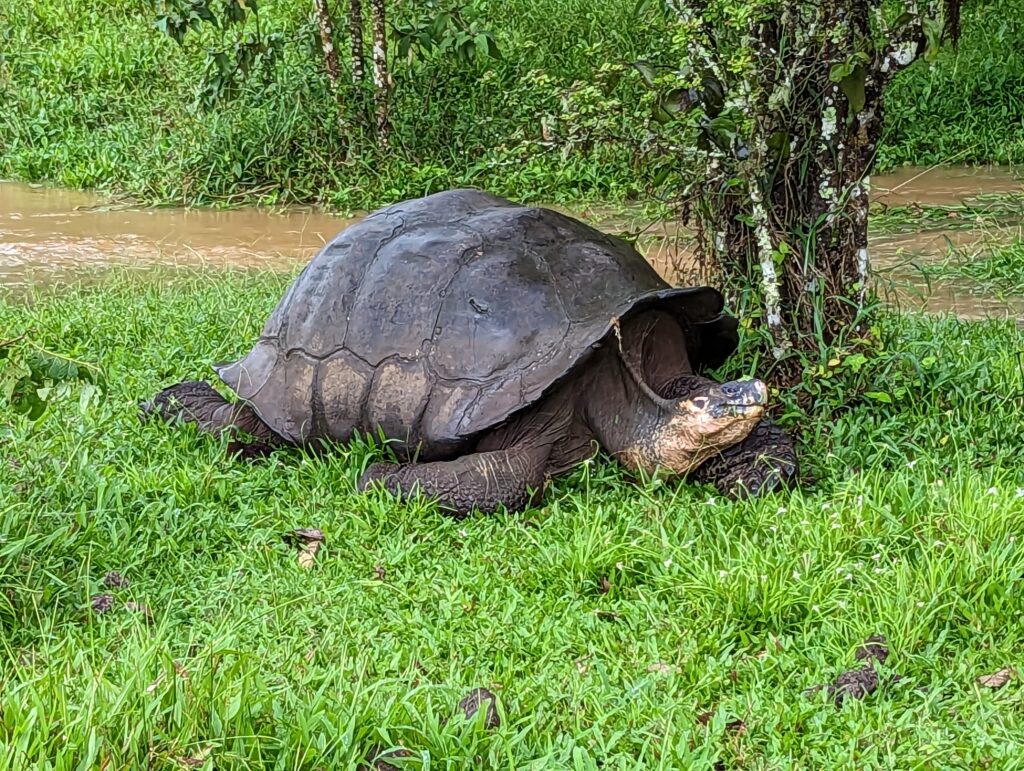
The Galapagos was always a bucket list item. In 2023, we broke out of our overlong COVID travel hiatus and made it happen.
To be fair, the Galapagos is not a place one just shows up to. It is only accessible by plane via a 2.5 hour flight from Ecuador or by ship. There are only human settlements on a couple of the islands. Most of the territory on the islands is designated as National Parks. To explore the National Park areas, you must be accompanied by a licensed guide.
Given all of the potential logistical challenges, we opted to travel with a tour group. We also wanted to see what these “Alumni” travel options were like. I mean, we kept getting tons of brochures. What were we to do?
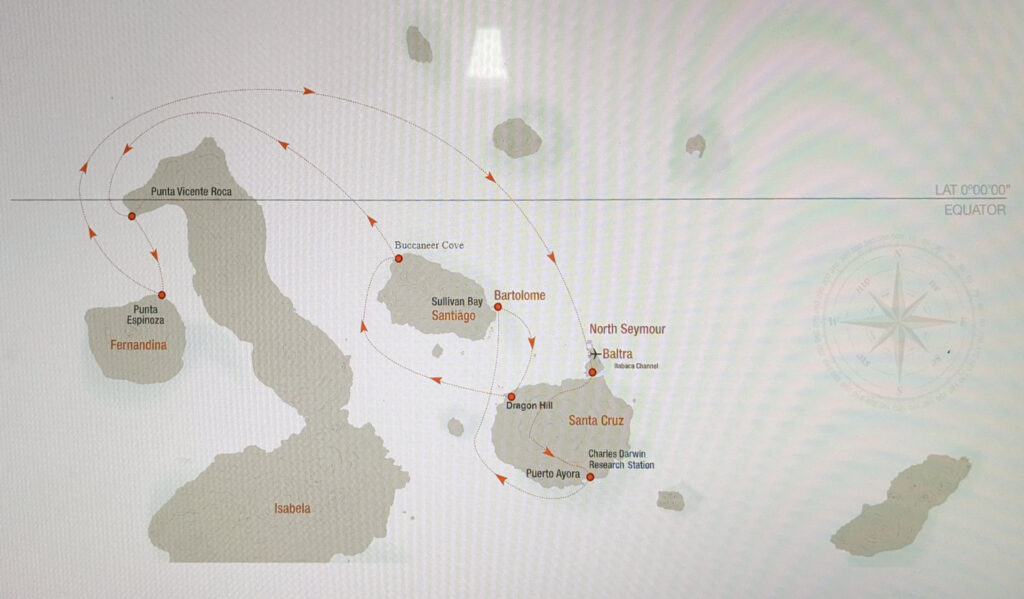
The Alumni Association used the travel company, Orbridge, to arrange the trip. It was their Western Galapagos itinerary including the islands of Santa Cruz, Santiago, Bartolome, Isabela, and Fernandina (technically we were also on Baltra but the airport effectively consumes the entire island). We flew into and out of Quito, with overnights there at the start and end of our trip. Orbridge handled our internal flight from Quito to the Galapagos, guides, fees, the works (excluding tips). We also added an extension to visit Peru after the Galapagos, however the kind people of Peru were not happy with their government at the time and we had to postpone.
We traveled between the islands on the yacht Isabella II. “Yacht” sounds super fancy and posh, but it is really just the size classification of the ship – basically anything smaller than a supertanker and larger than a pontoon. Our cabin was not large, but comfortable for the two of us. Every cabin had a window to view the outside. There was technically Wi-Fi available but I will just say it was nice to have a digital sabbatical for a few days.
Quito
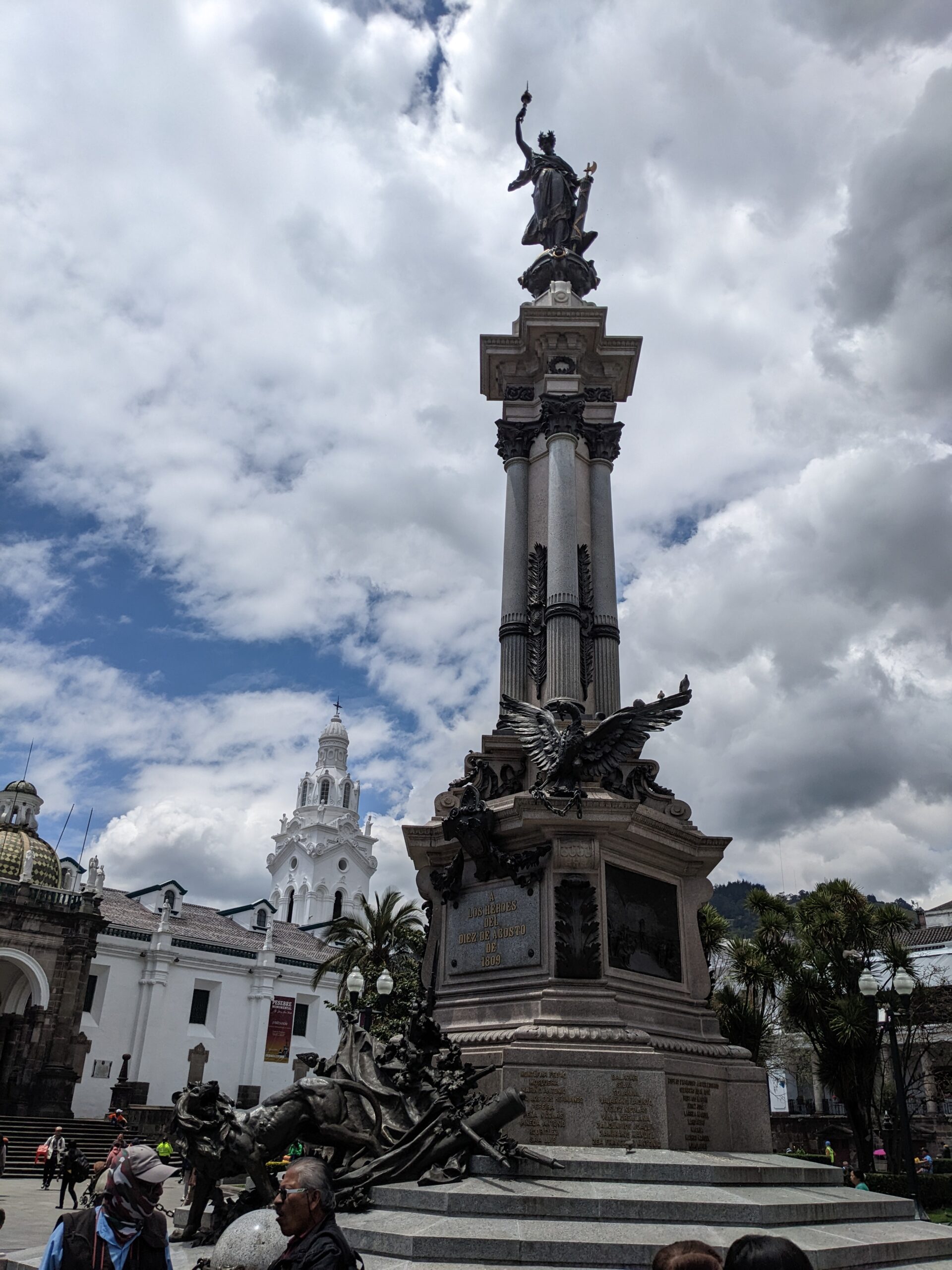
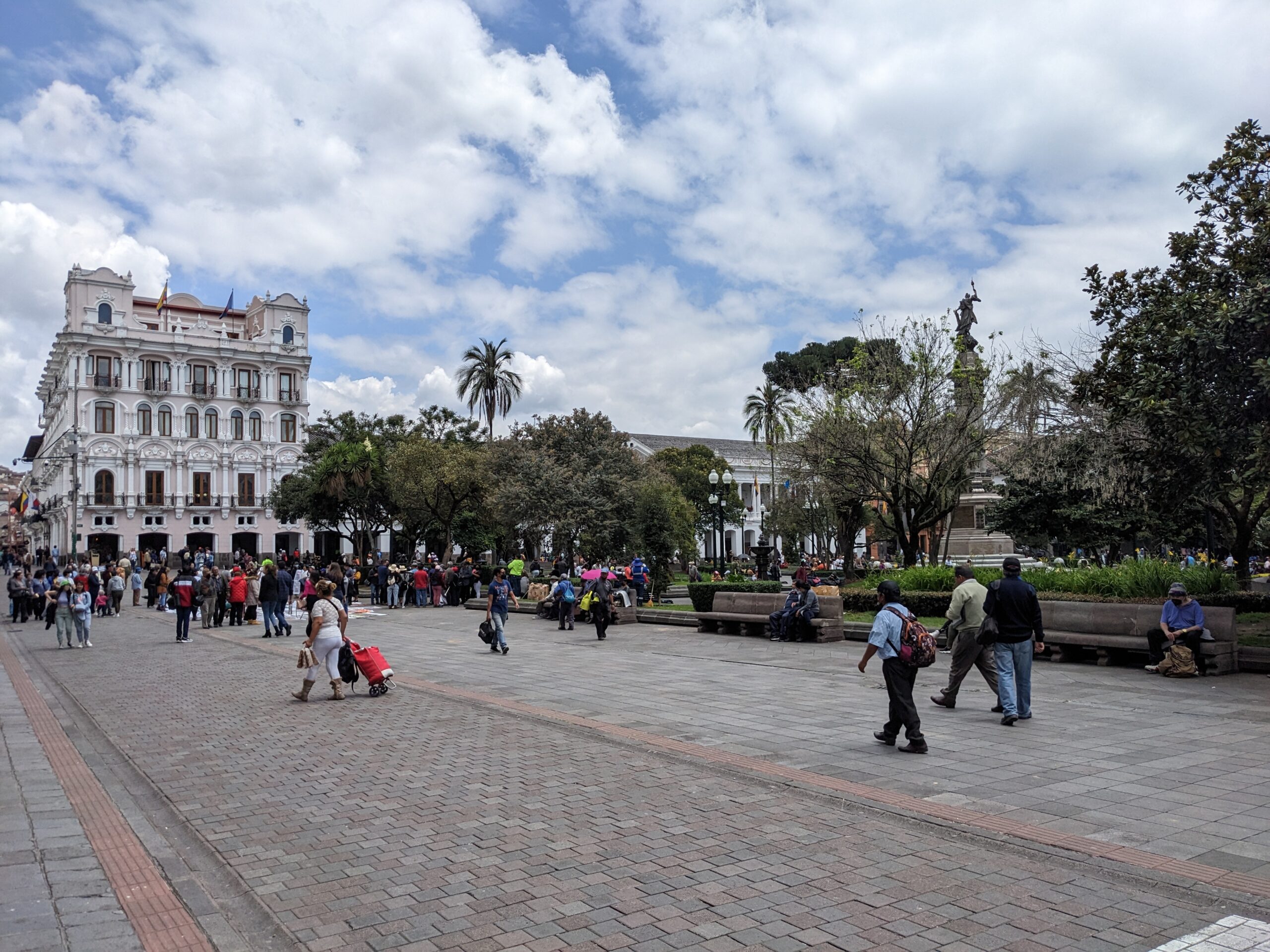
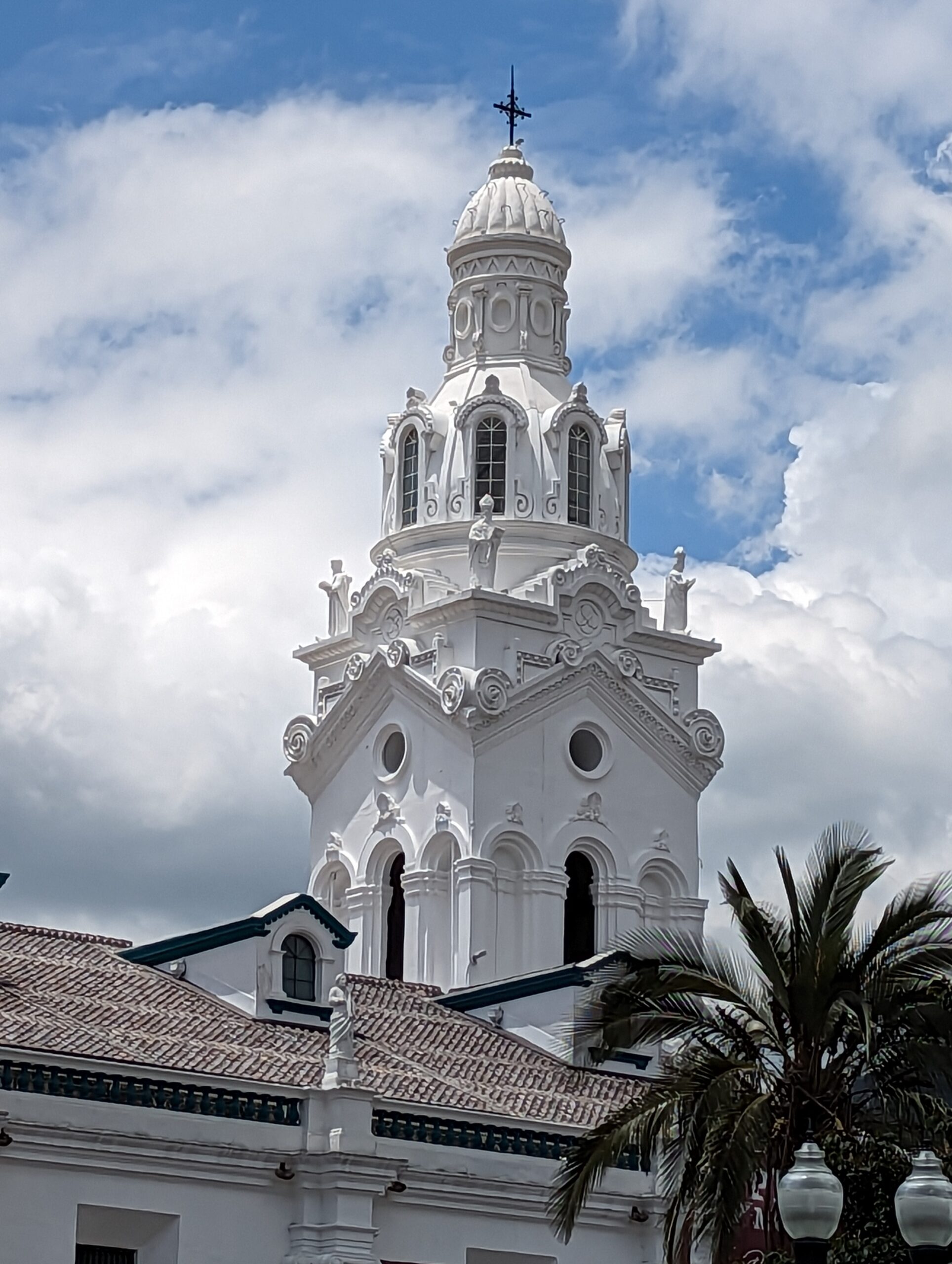
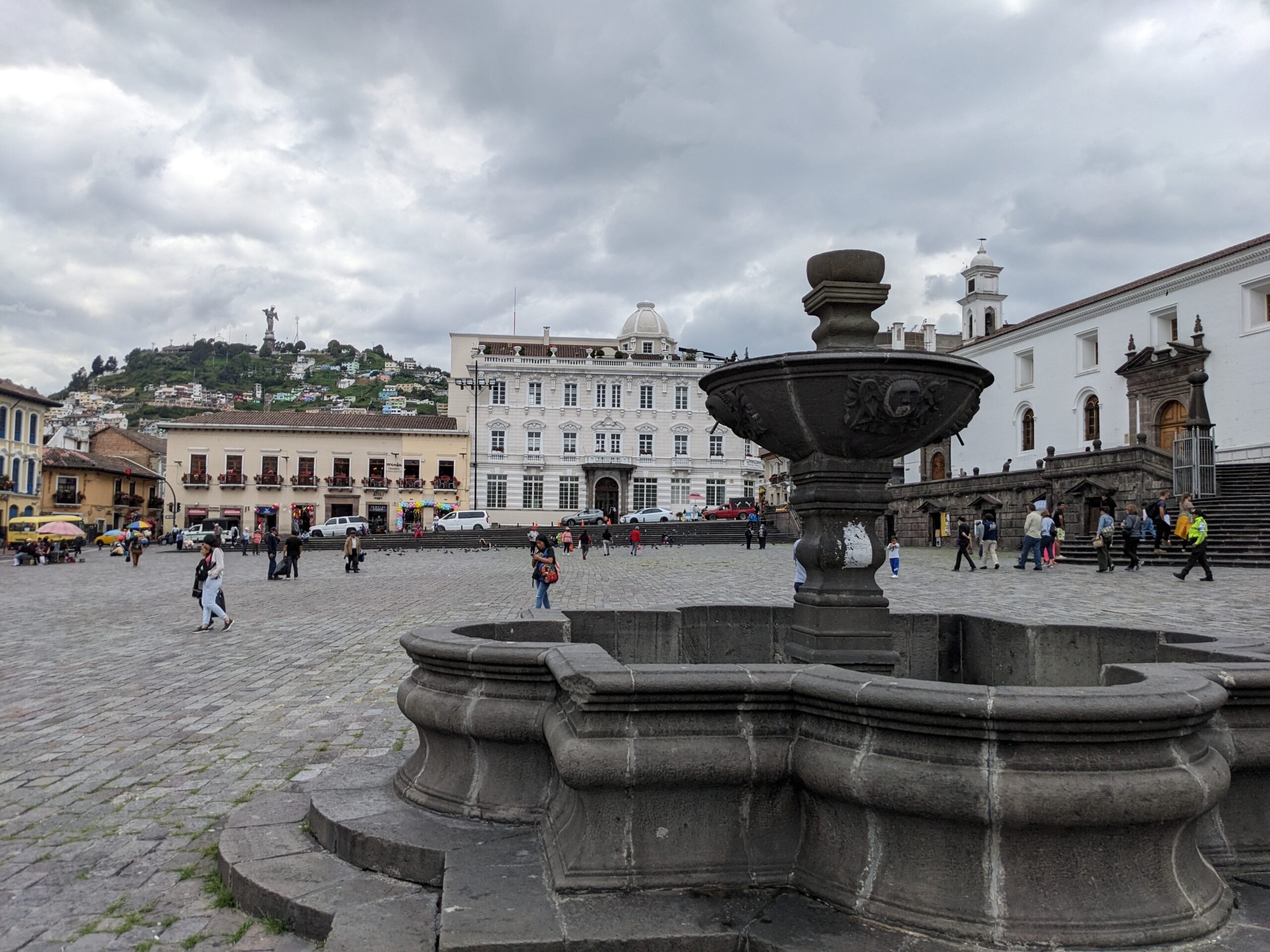
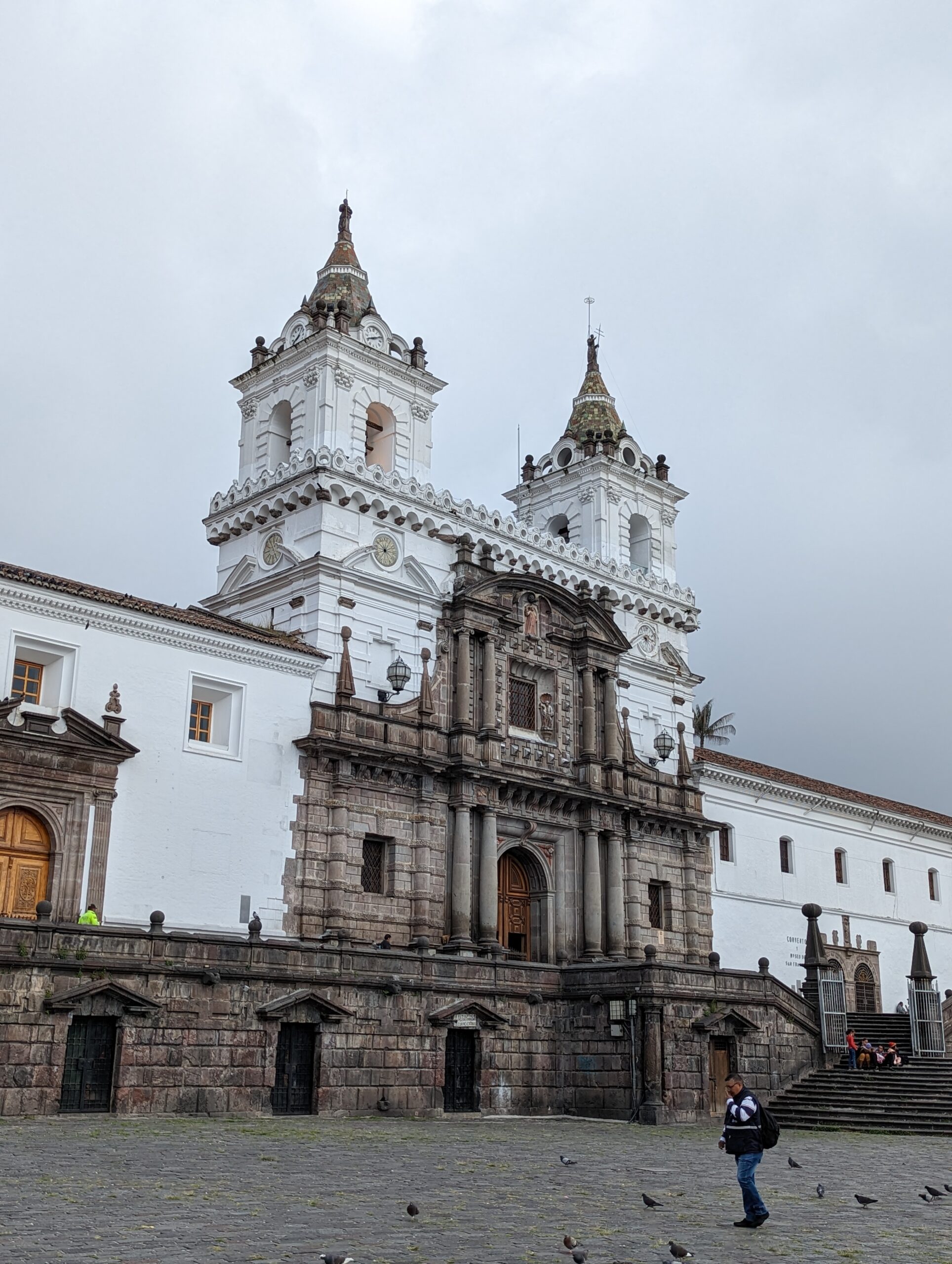
In Quito, we stayed at Casa Gangotena – a boutique hotel in the old city, housed in a former mansion. It was wonderfully exquisite – as one might expect from a place on several “Best Of”-lists for South American hotels. The best part was that our window opened onto Plaza San Francisco and its eponymous basilica.
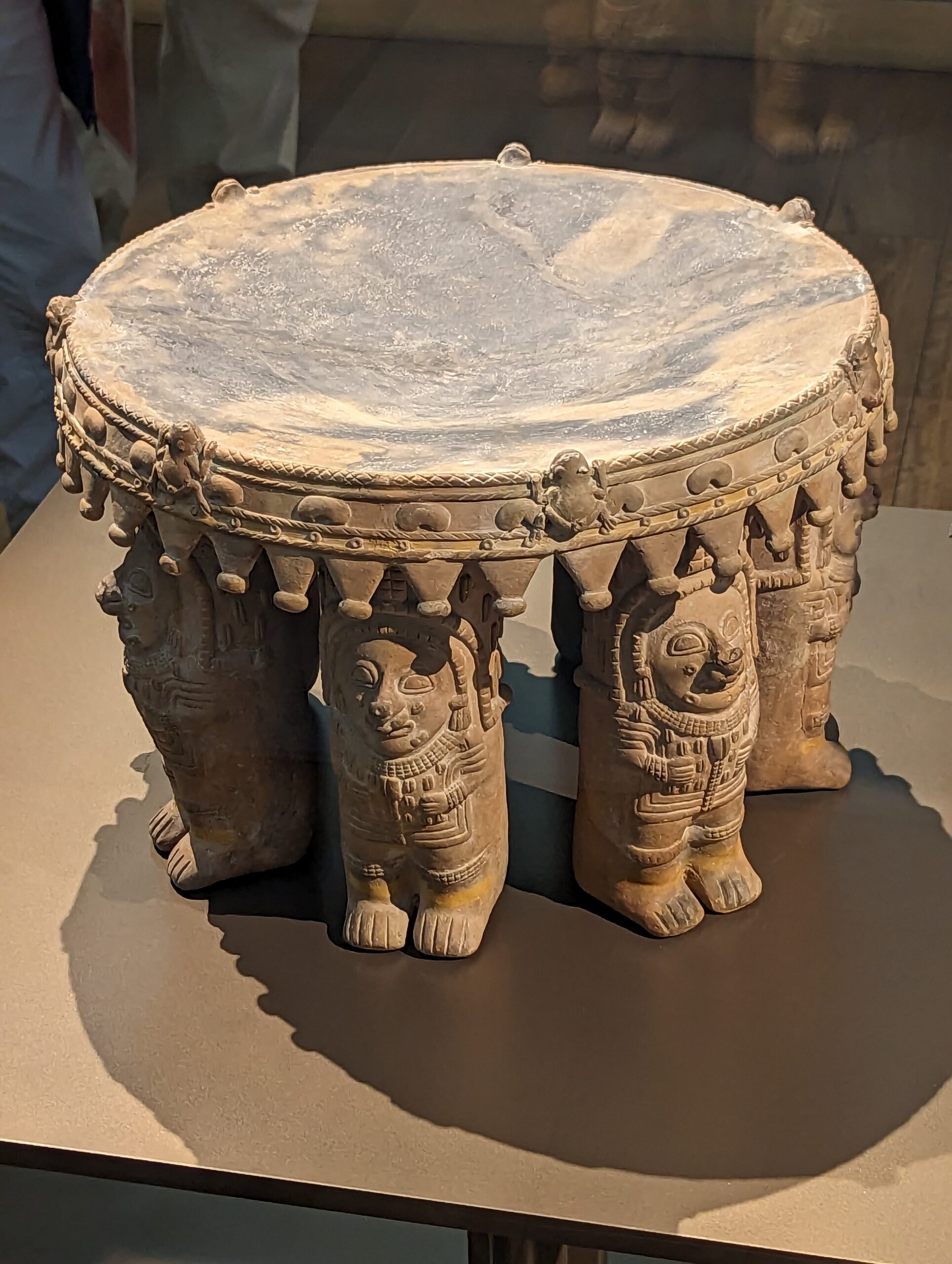
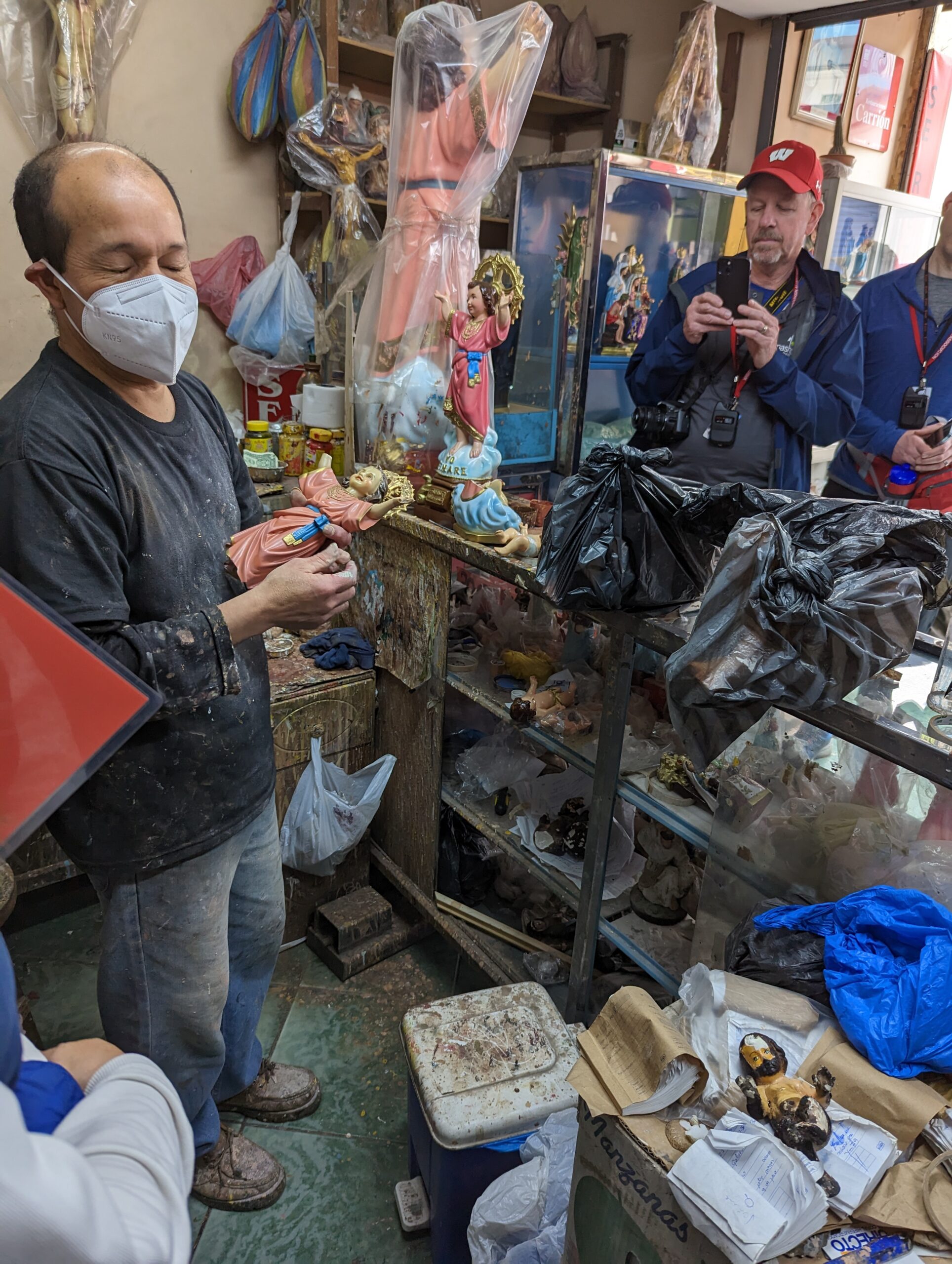
We had a full day in Quito including a tour of the Old City. Of particular interest was the Casa del Alabado Museum, housed in one of Quito’s oldest structures, which chronicles the pre-Columbian (and pre-Incan) history of the region. They also bussed us for a close-up of the Virgin of Quito statue that overlooks the city. And, of course, the explanation why Ecuadorian chocolate is the best. I was happy that we got to visit a produce market.
At 2,850m (9,350ft) Quito is one of the highest capital cities in the world.
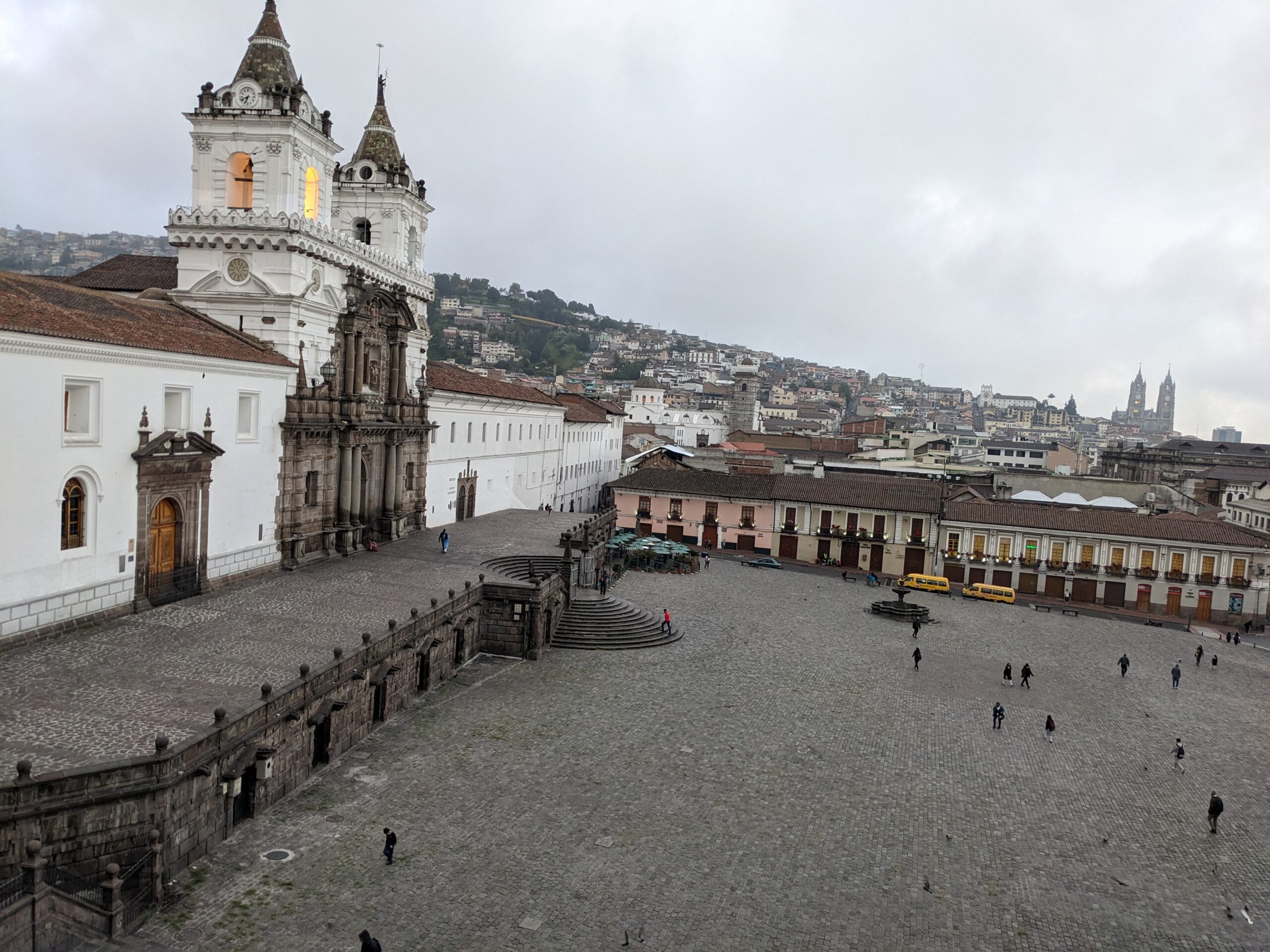
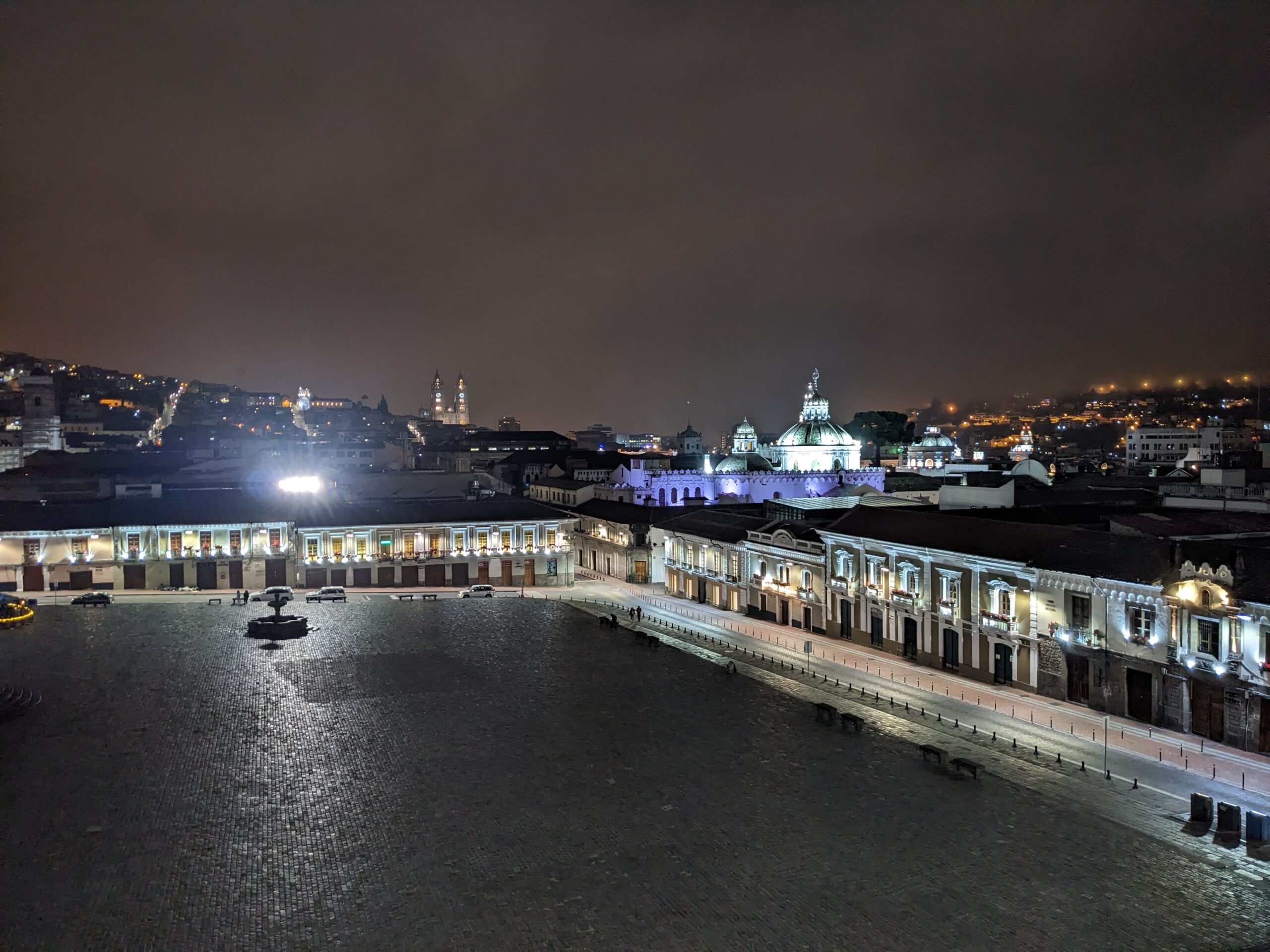
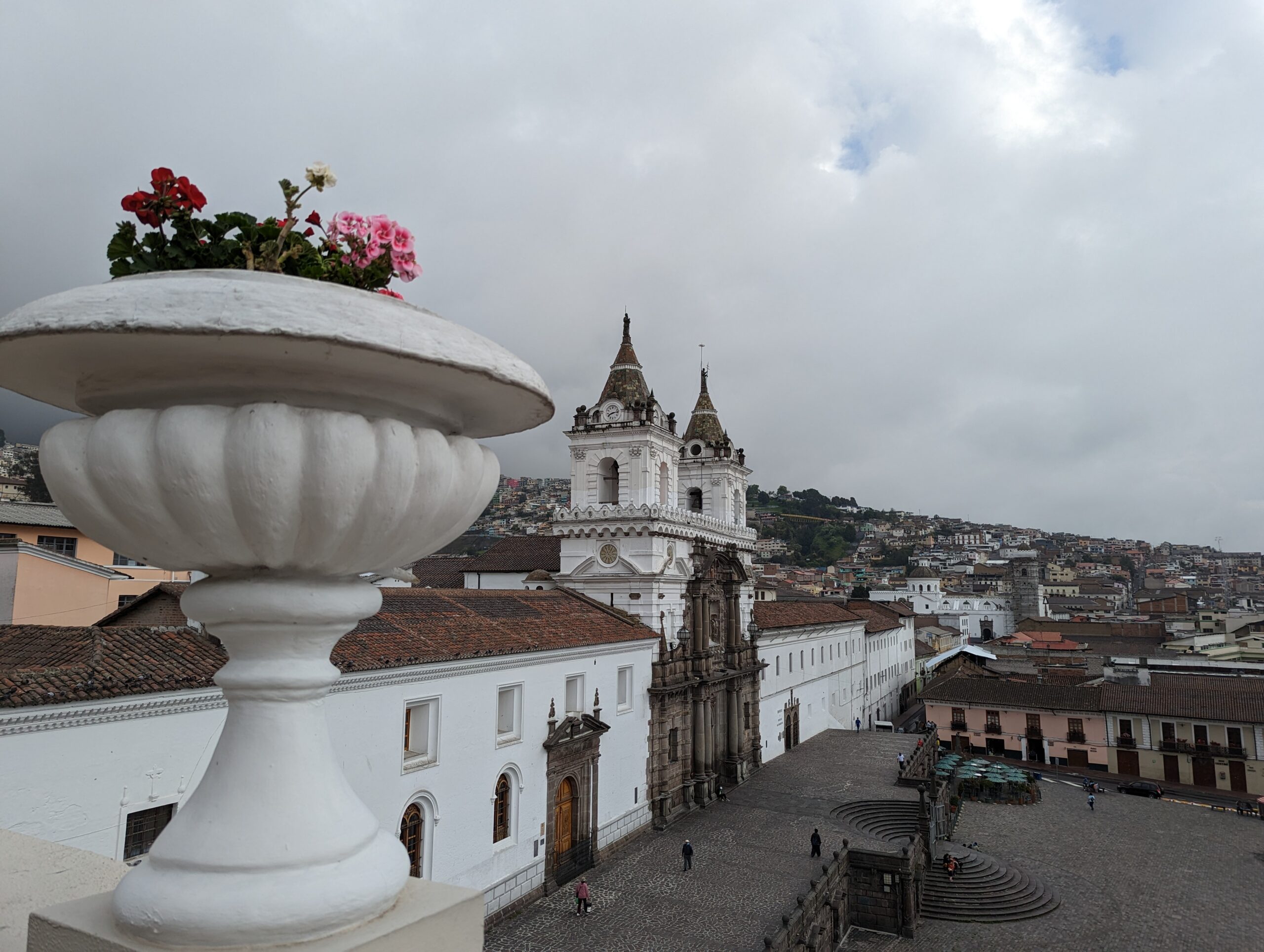
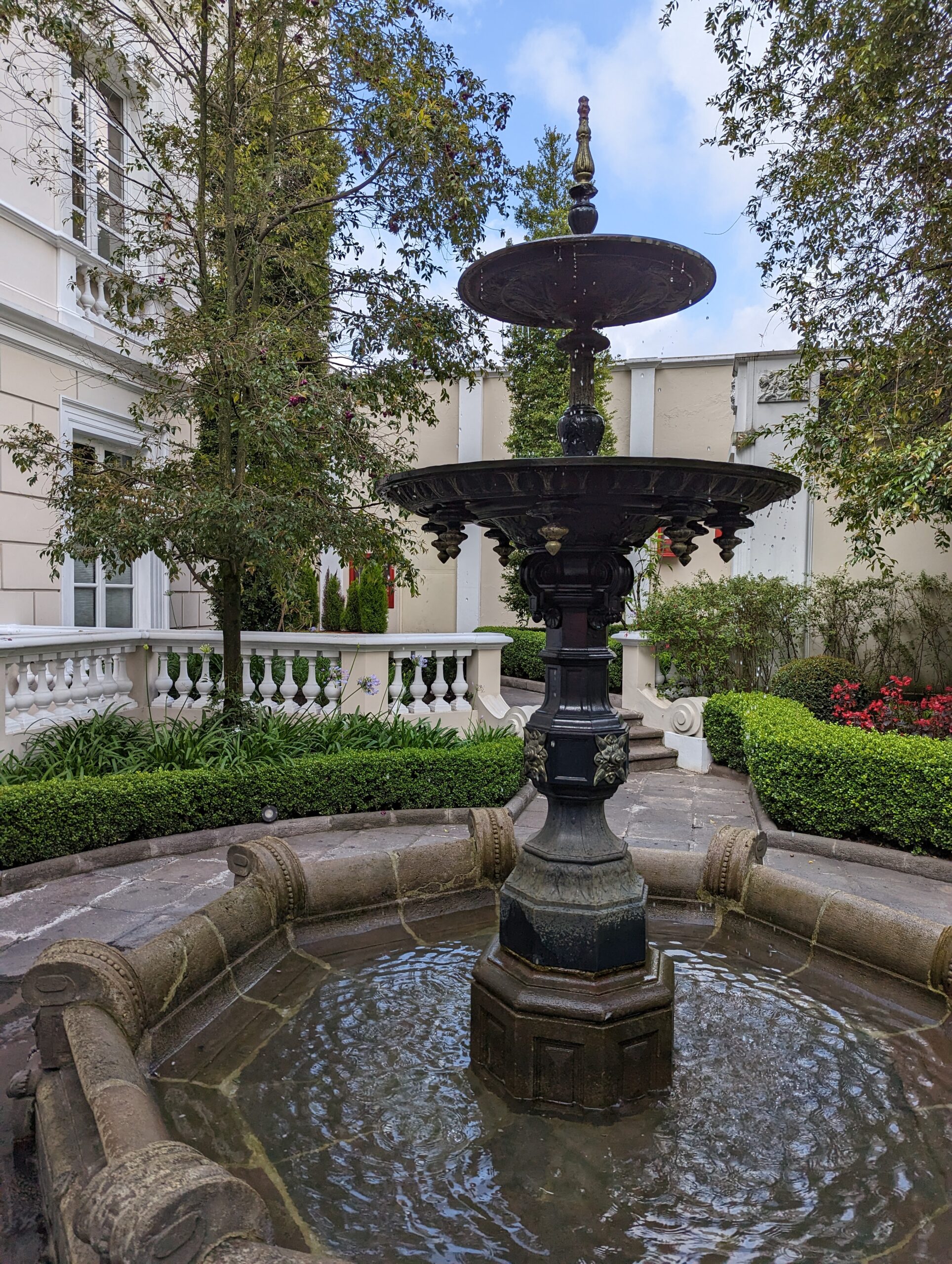
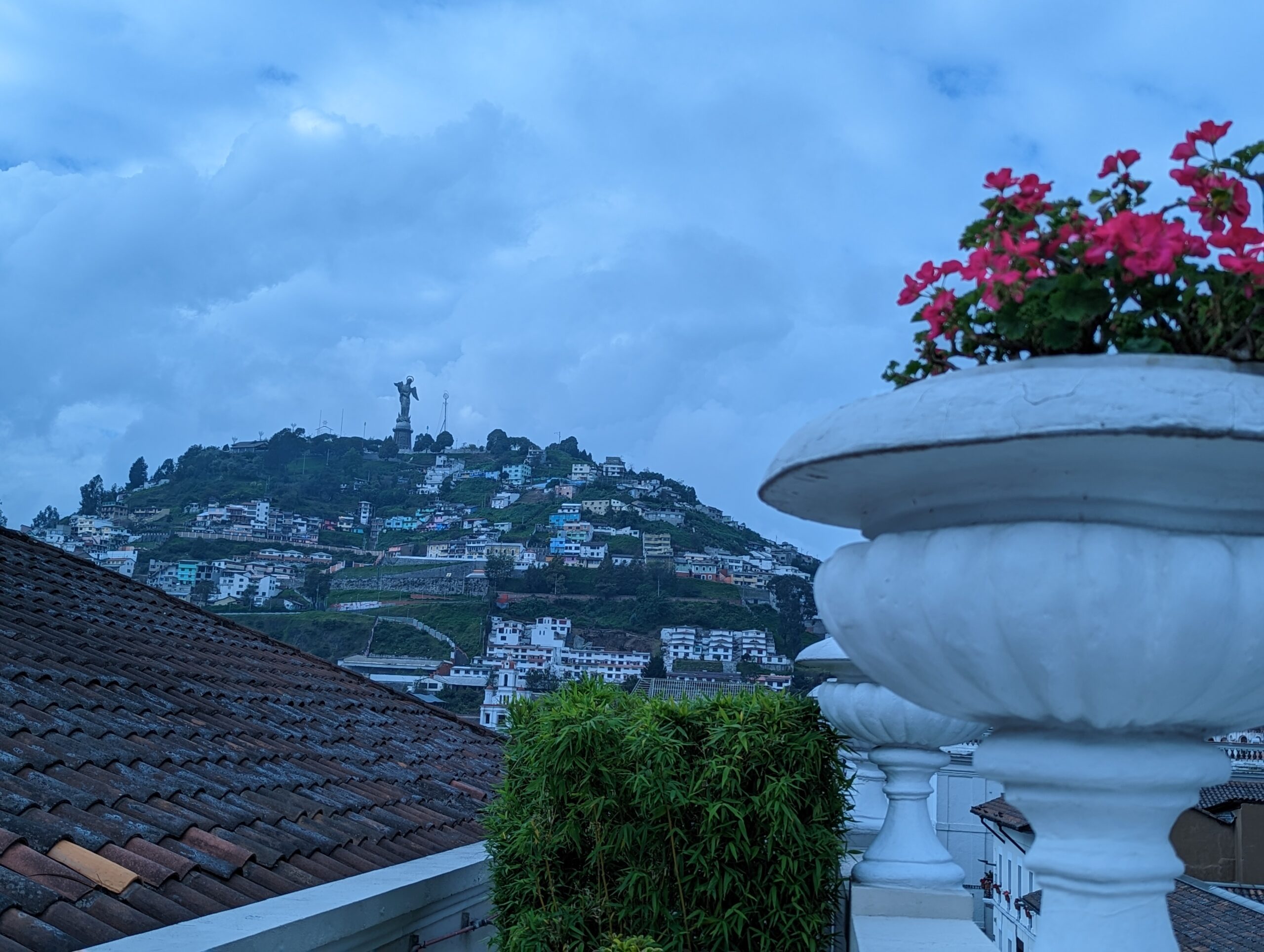
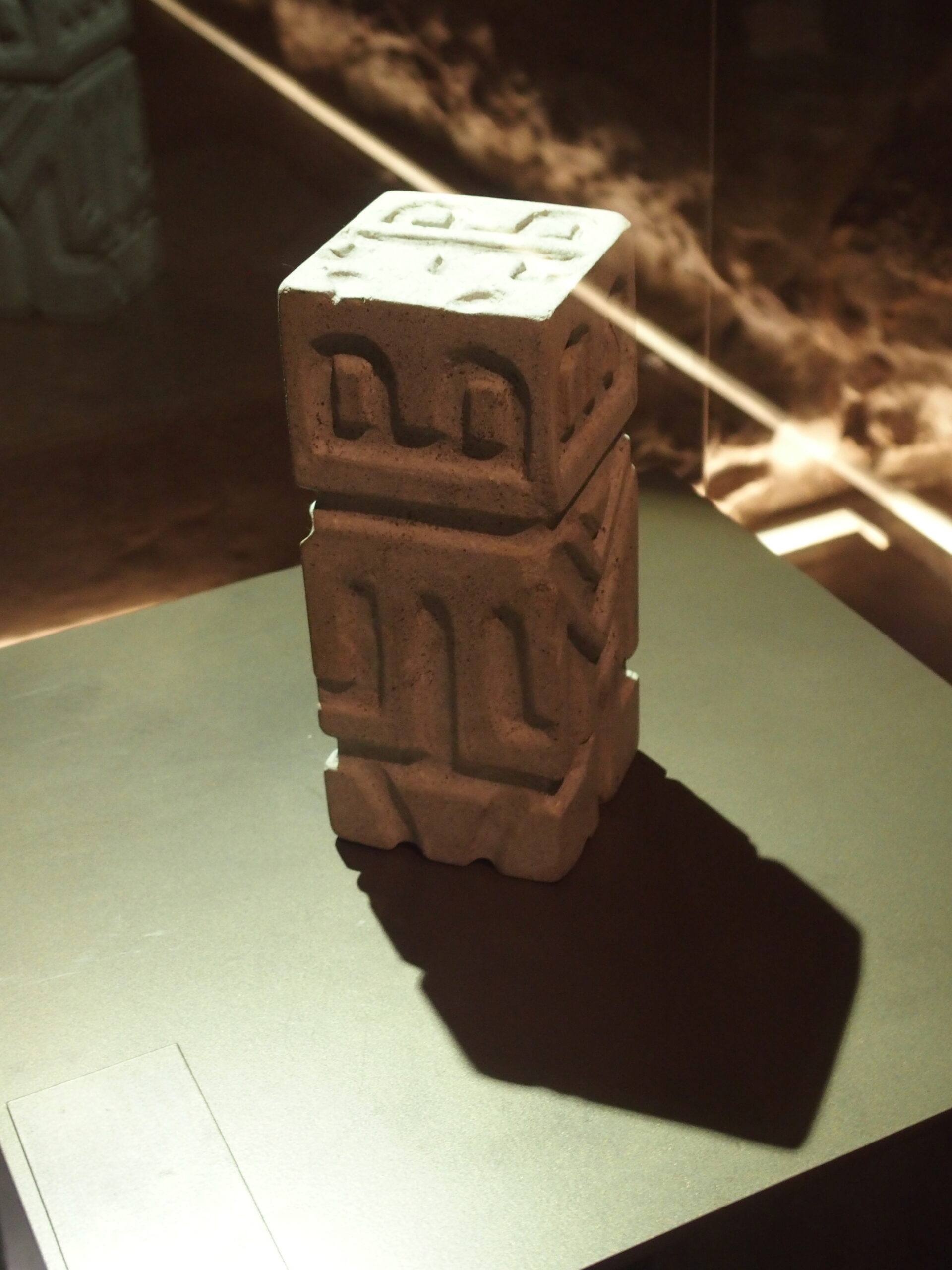
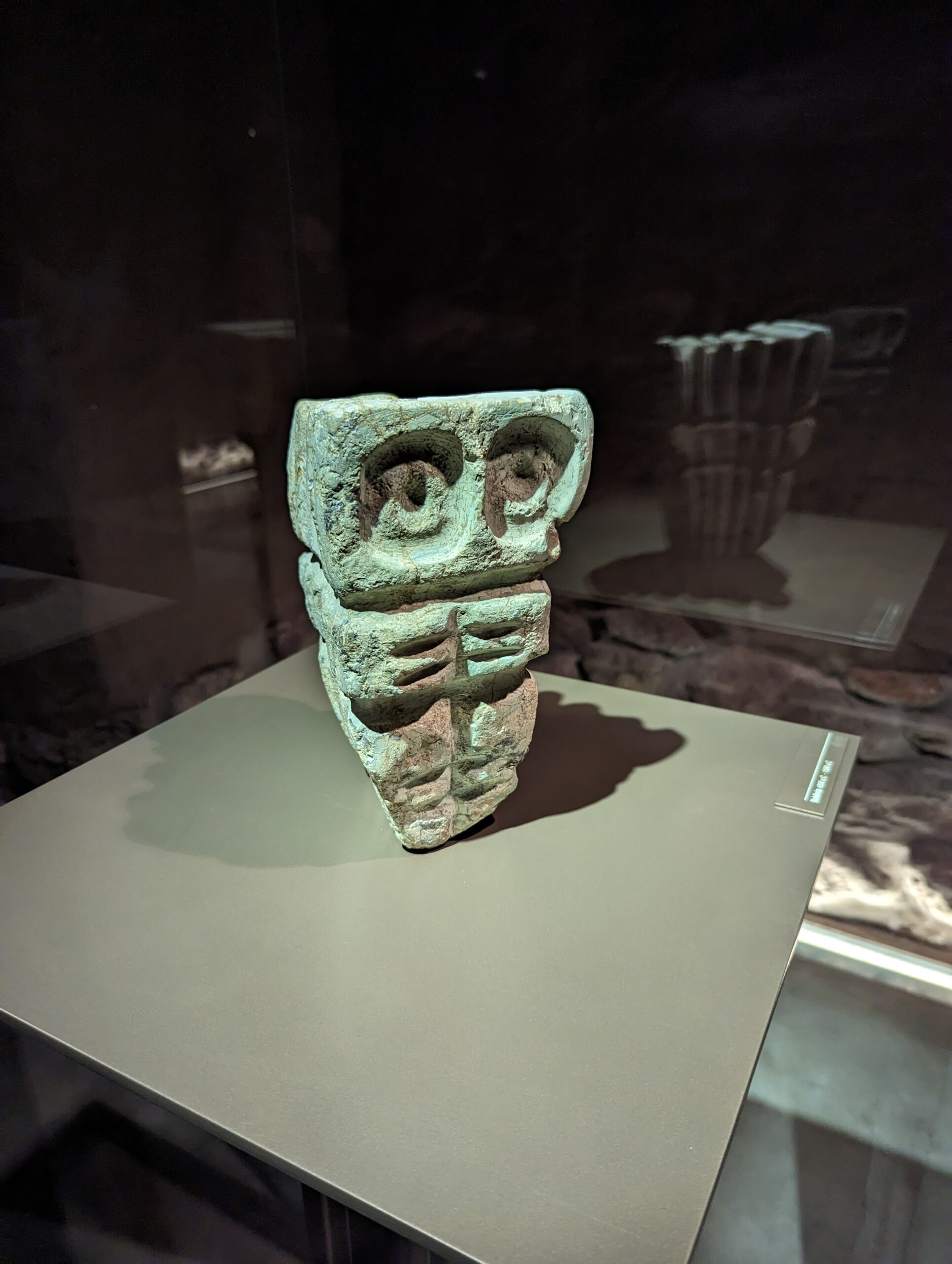
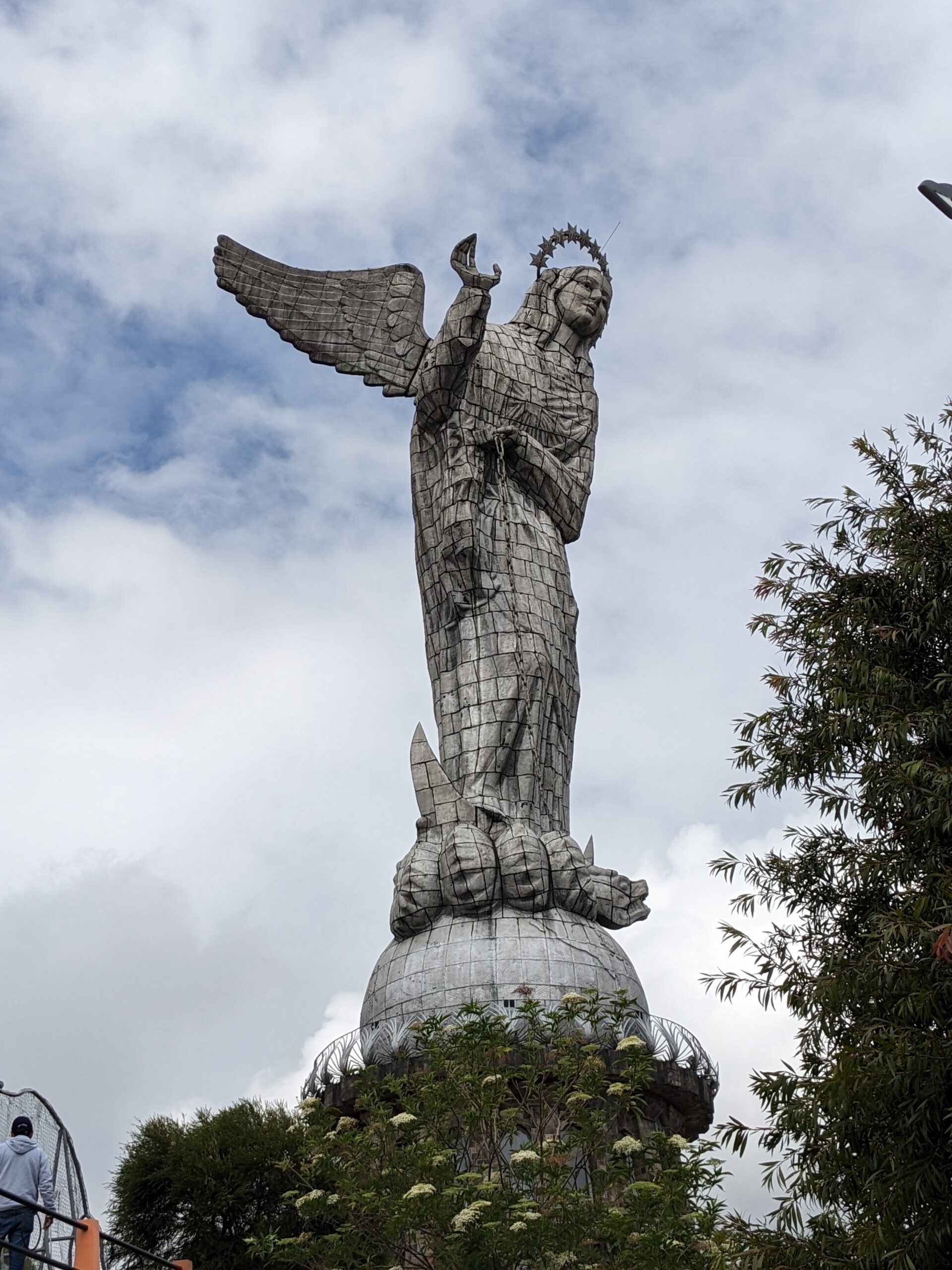
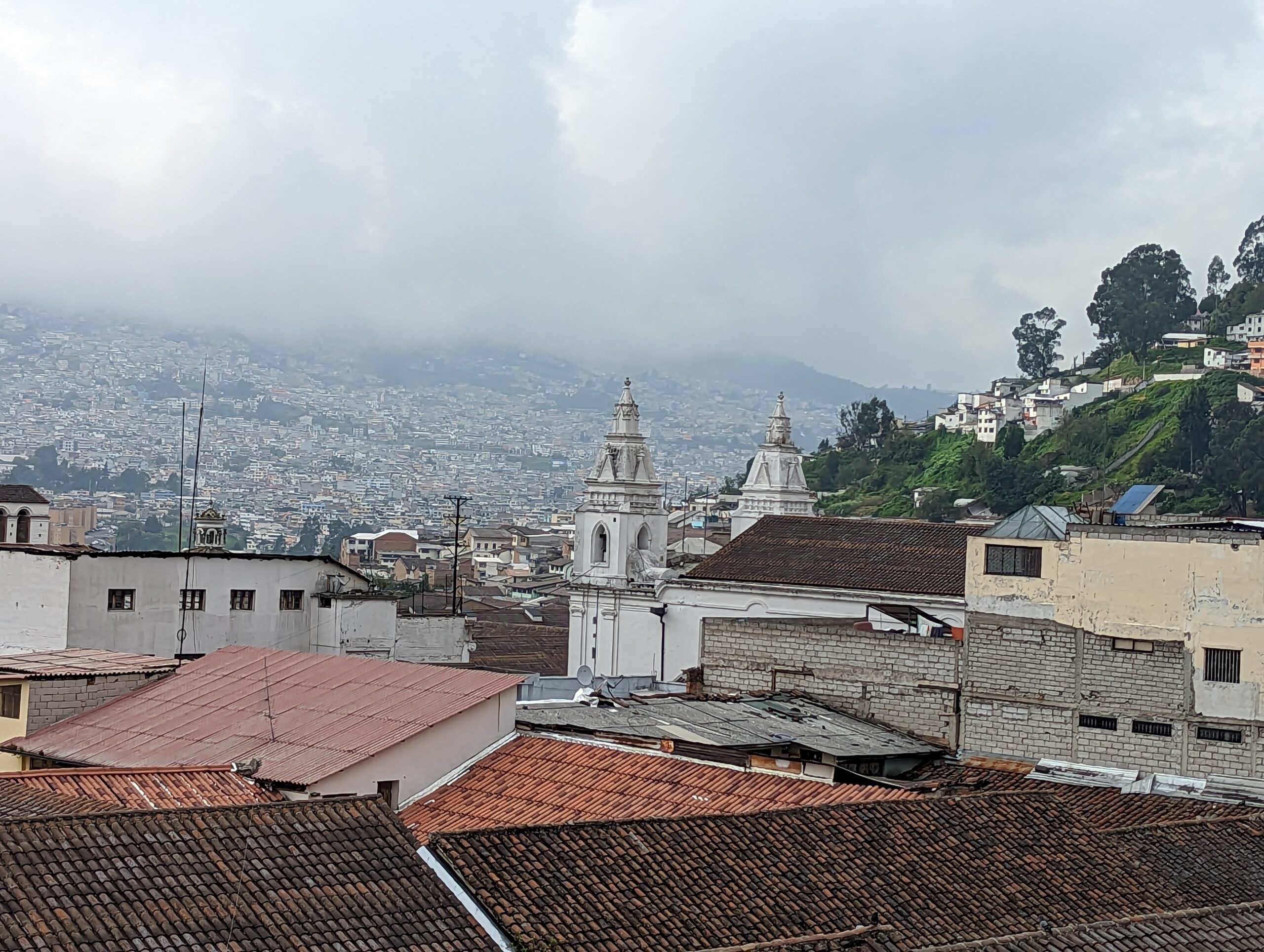
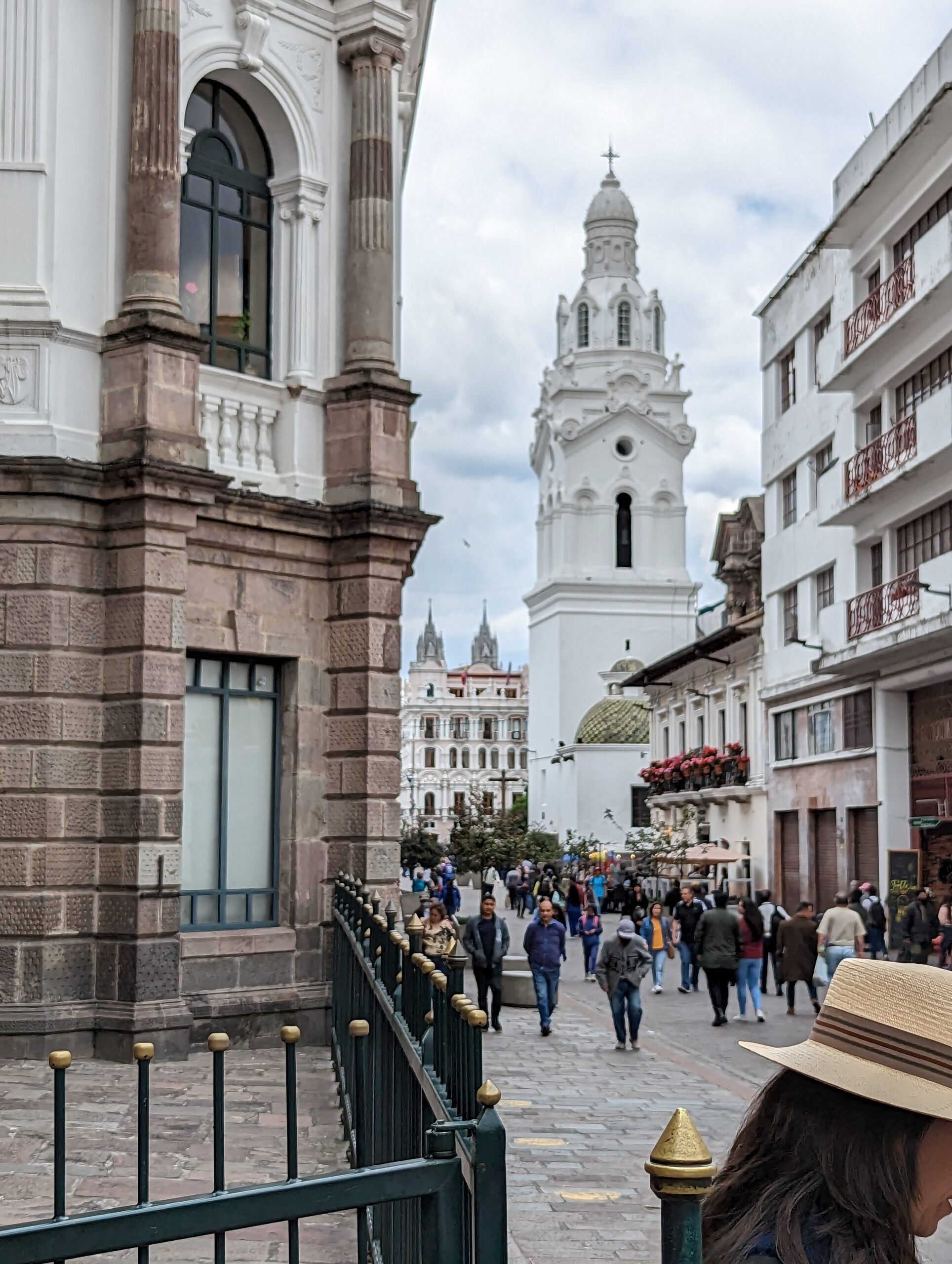

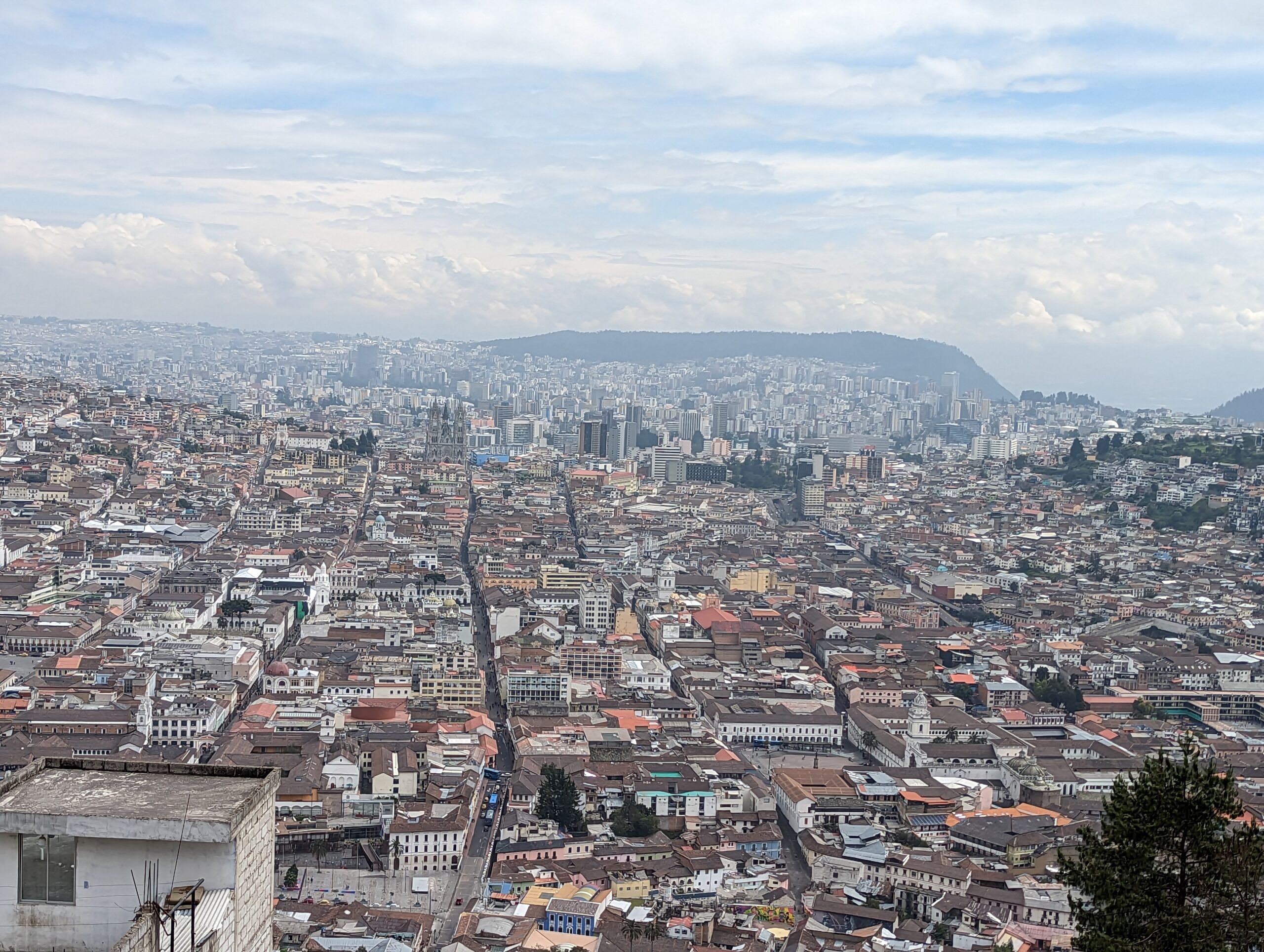
Santa Cruz / Baltra
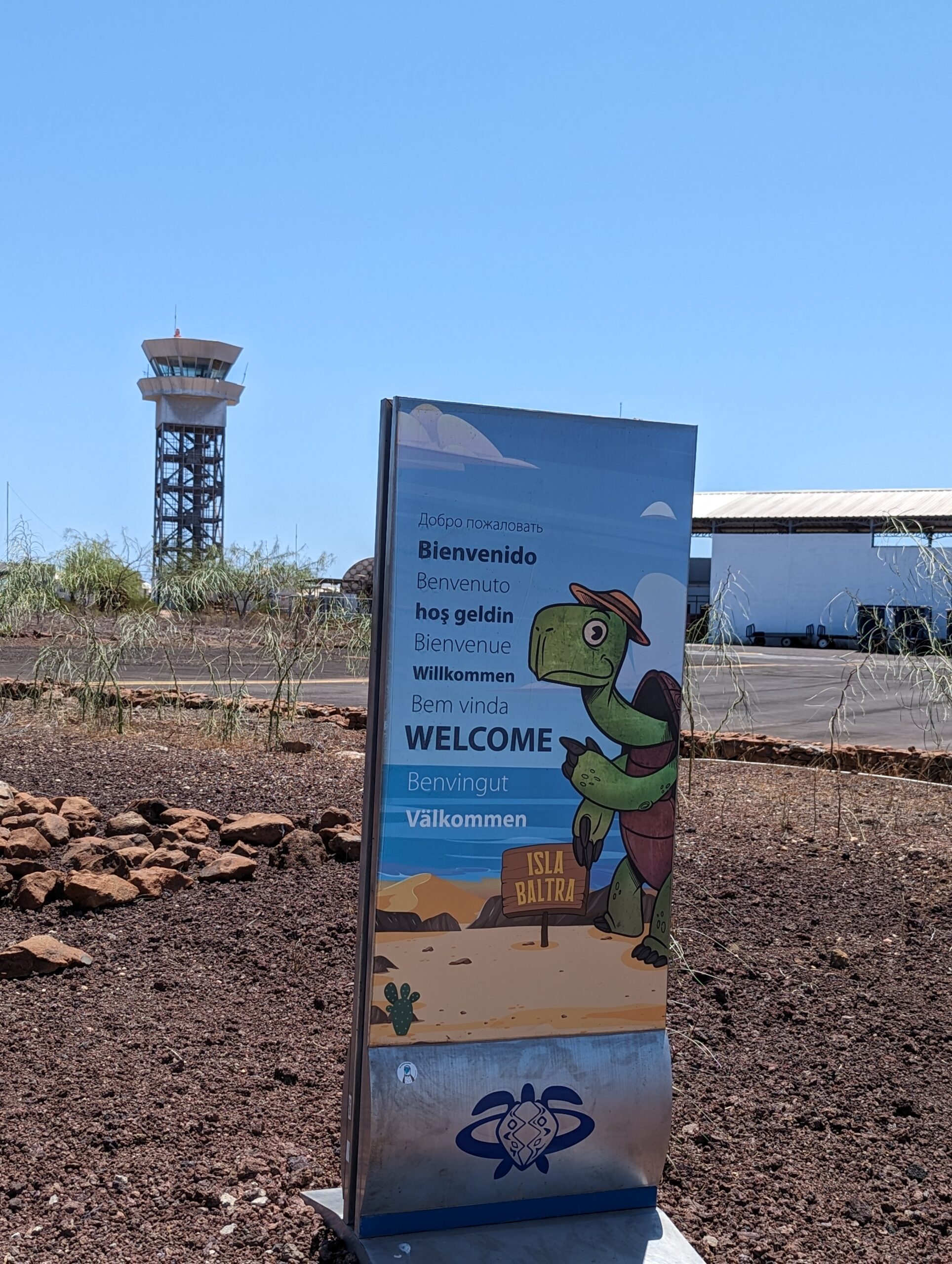
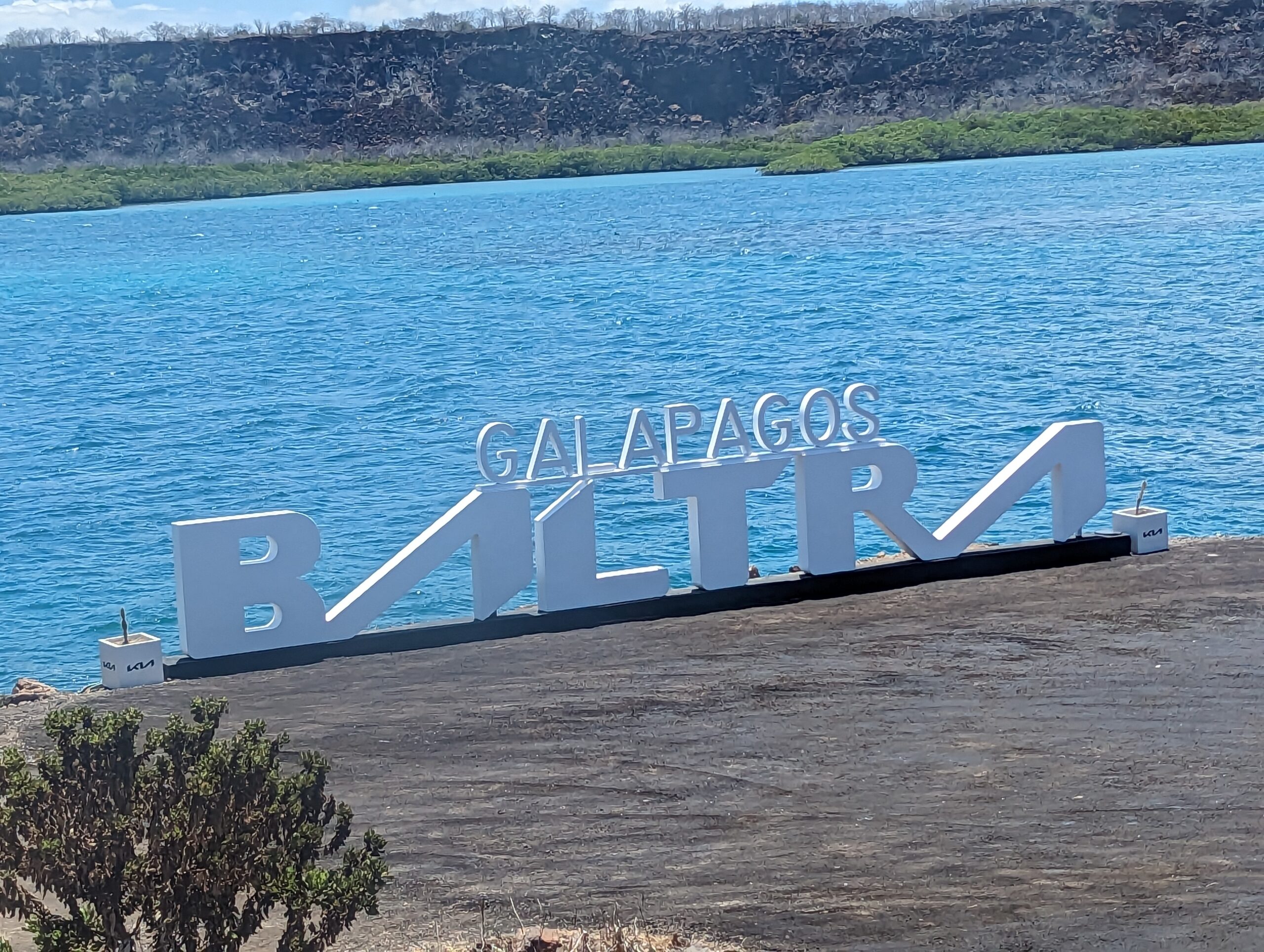
It was an early morning as we assembled for our flight to the Galapagos. We connected through Guayaquil before landing on Baltra. The flights were uneventful, but the blast of arid heat upon landing was a foreshadowing of what was to come.
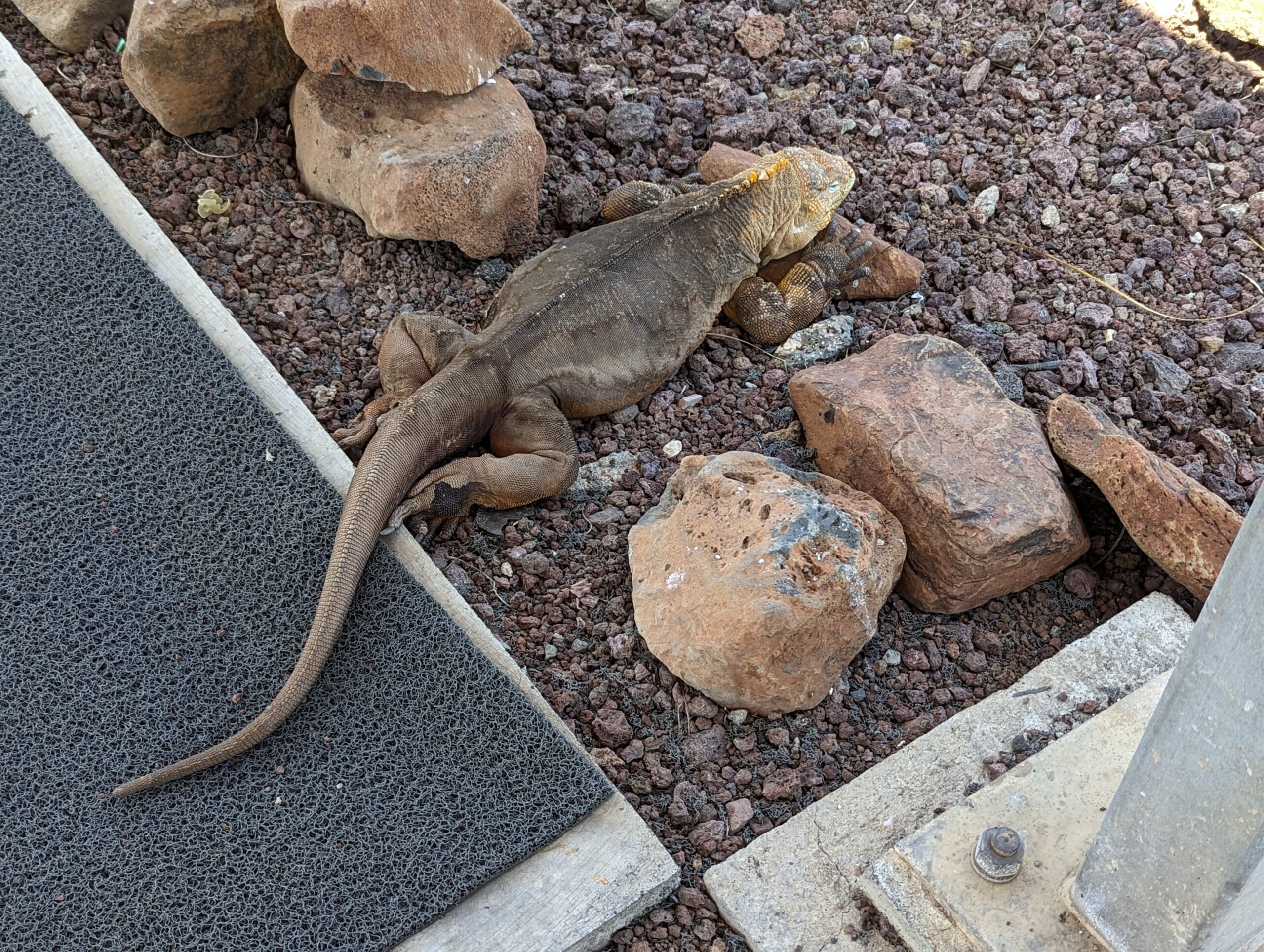
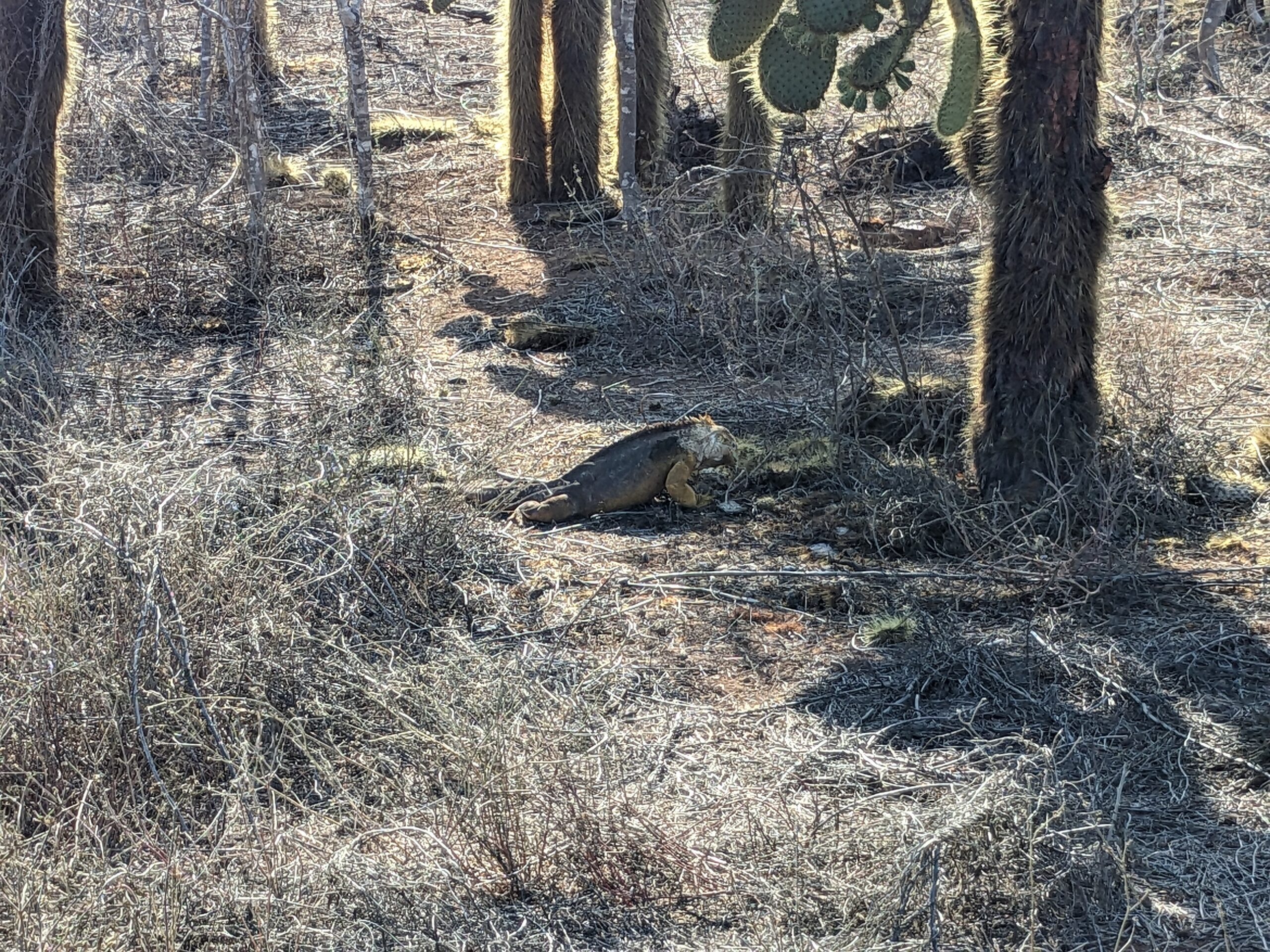
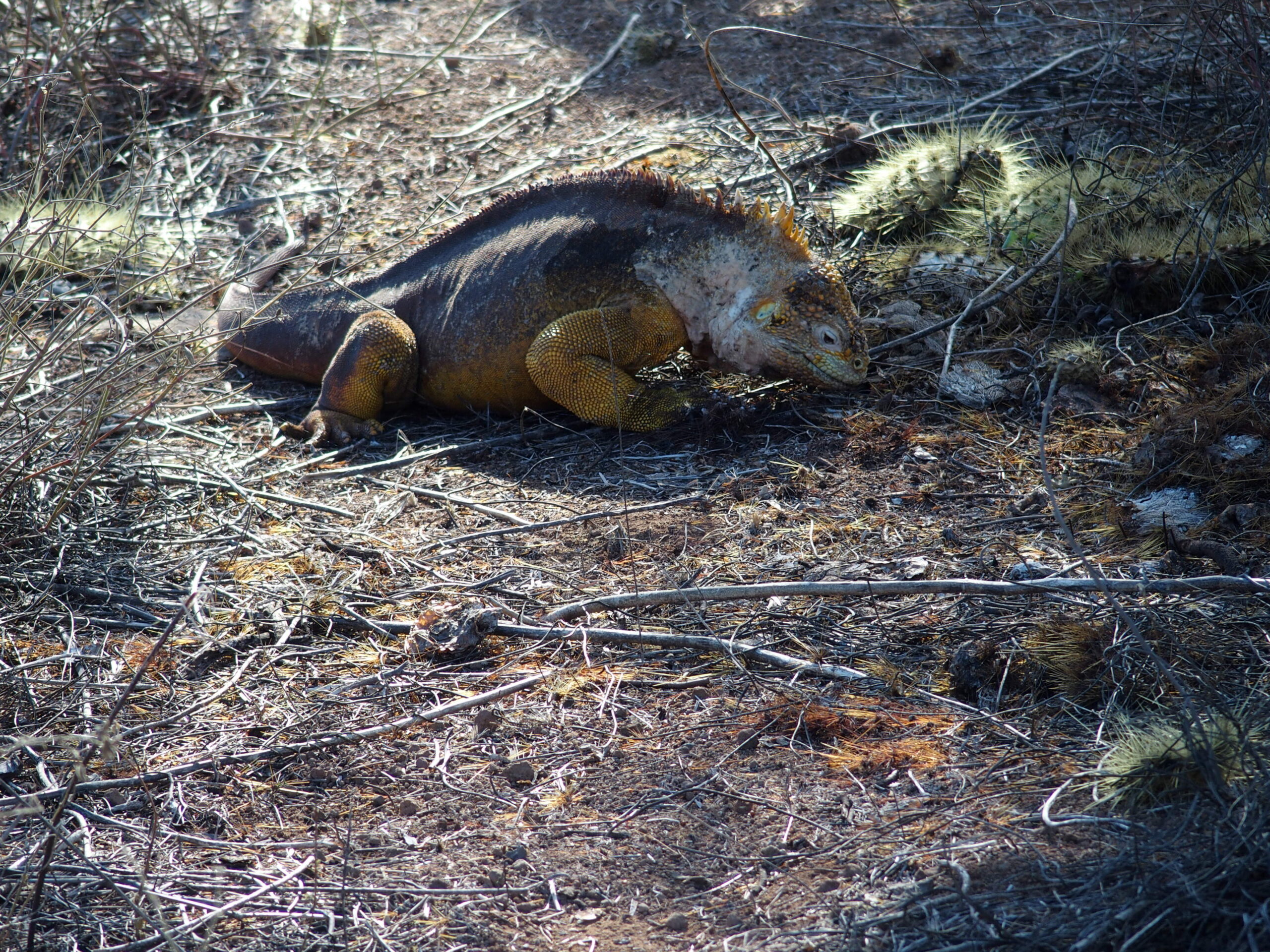
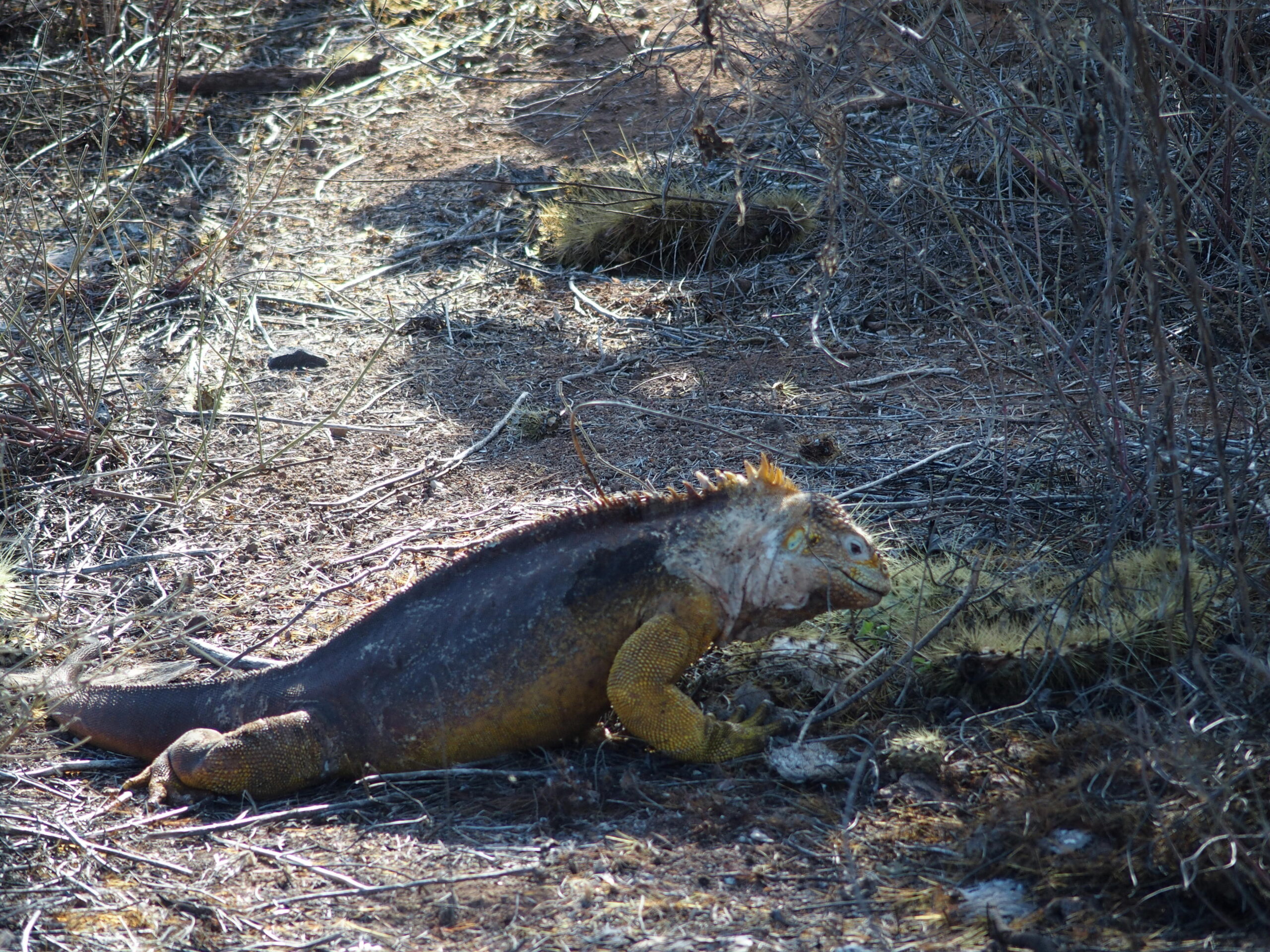
In the brief walk from the plane to the terminal, a naturalist helpfully pointed out the land iguana we had to step around. Turns out he is one of the guides on our tour. In a few days time, we will hike onto an island just for the chance to see one of the critters that was absentmindedly lying around.
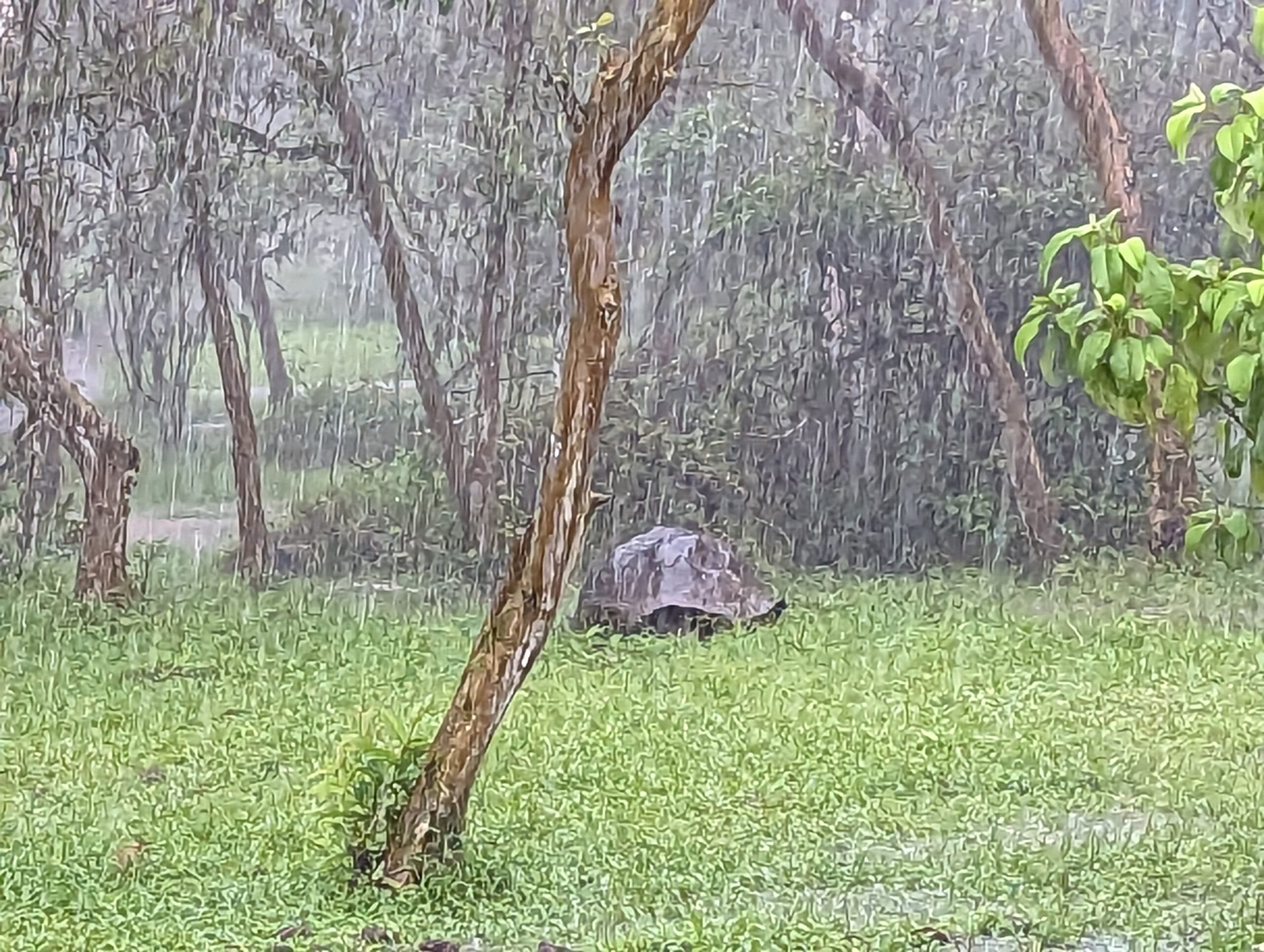
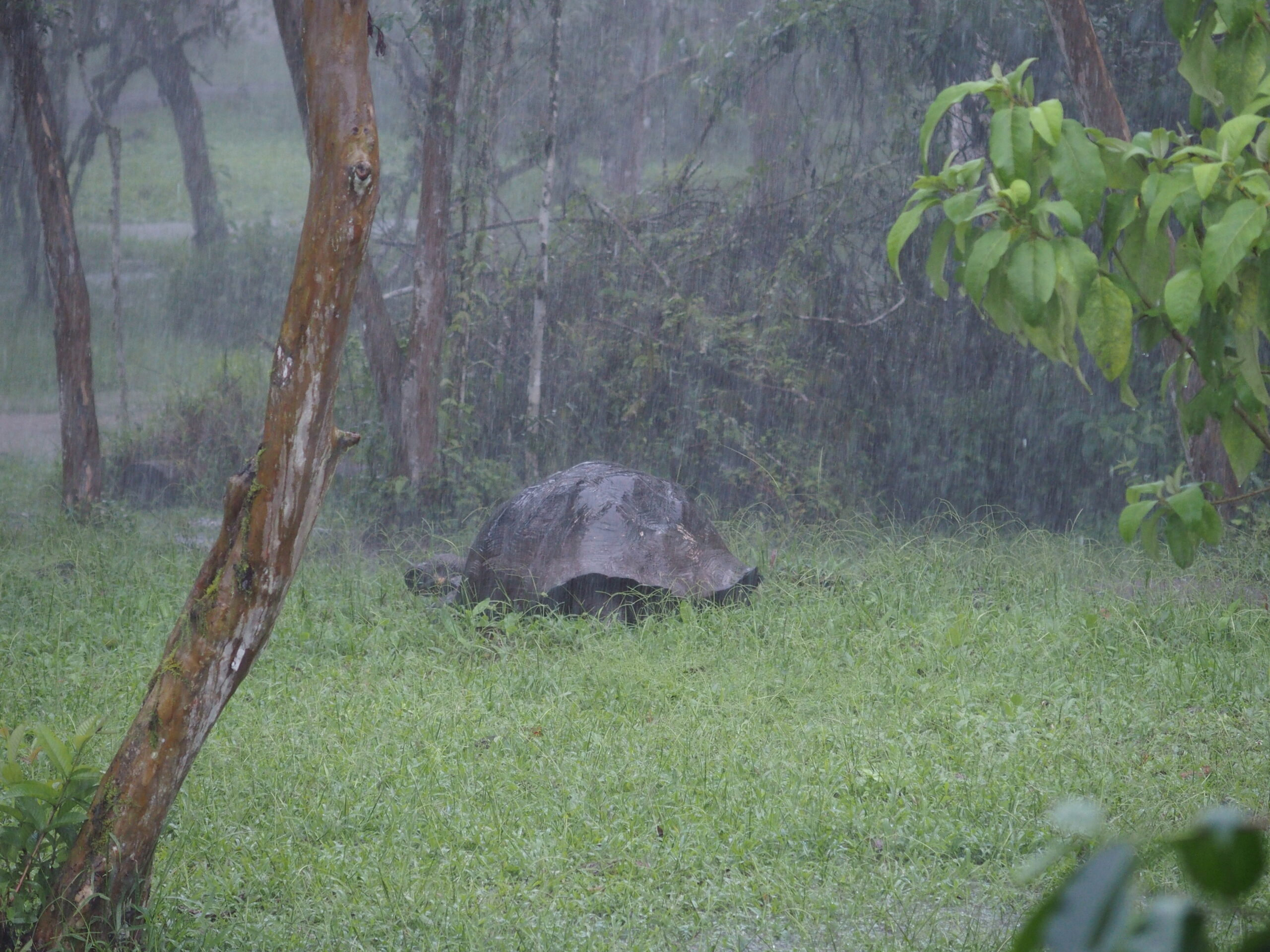
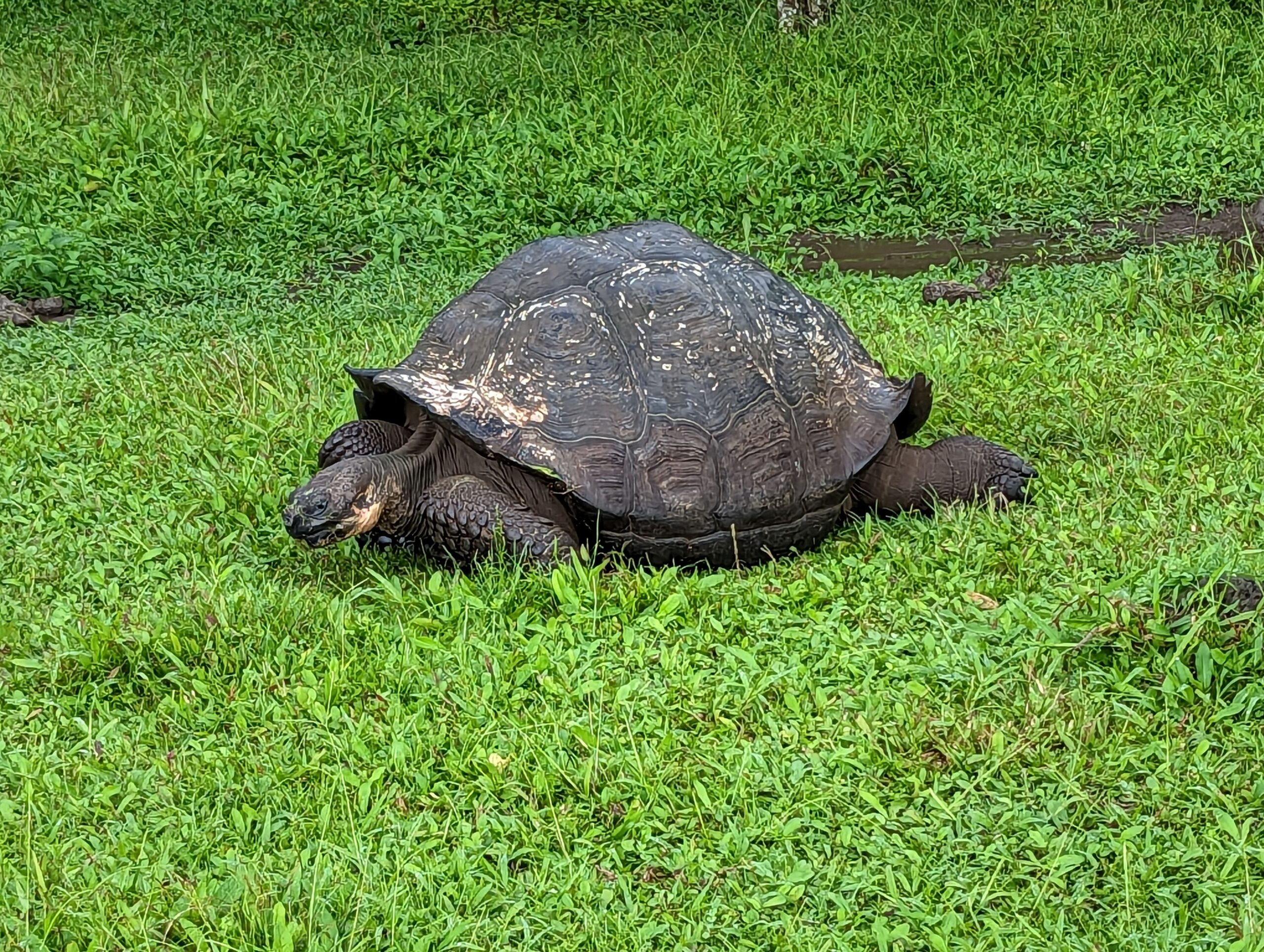
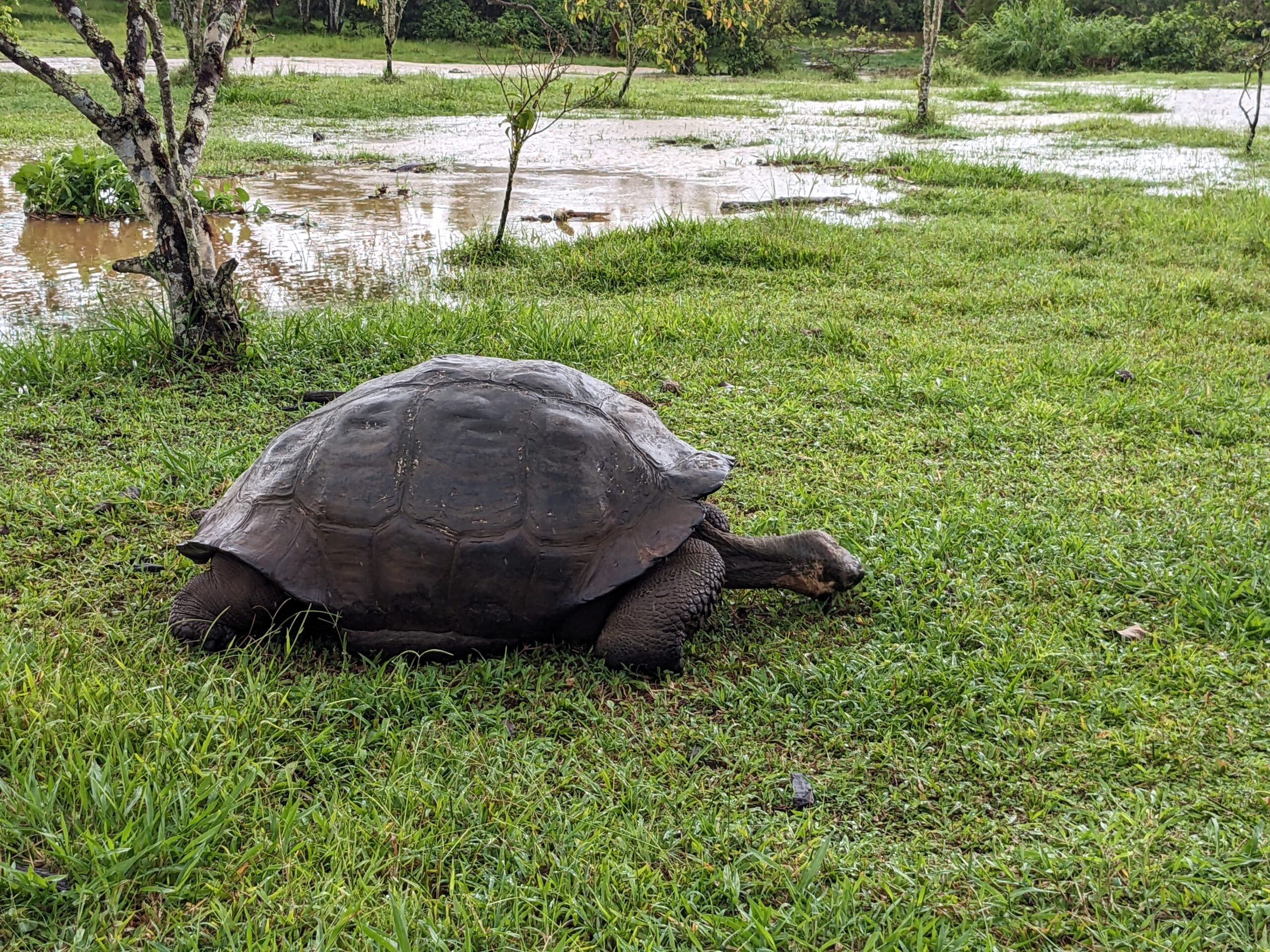
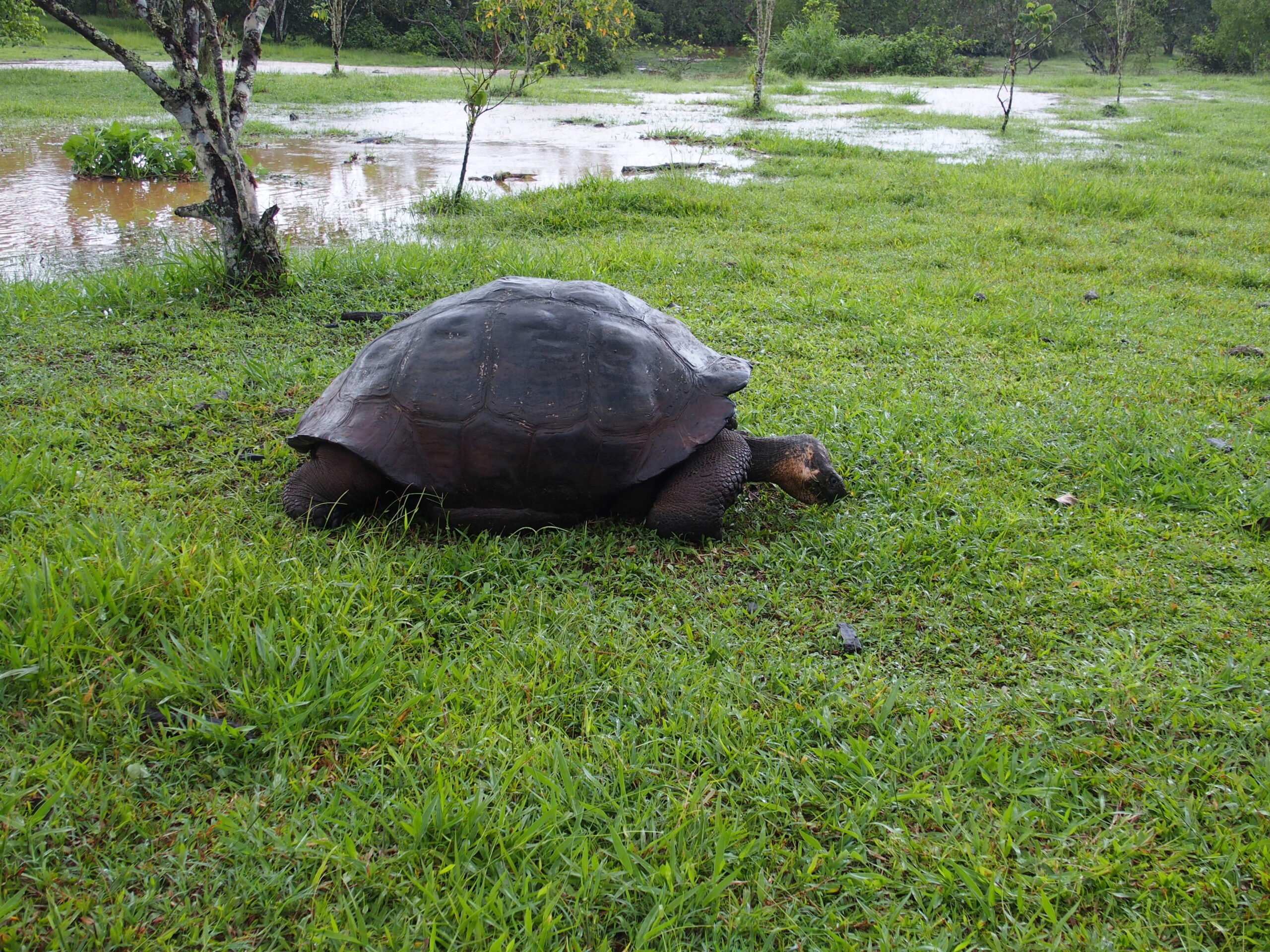
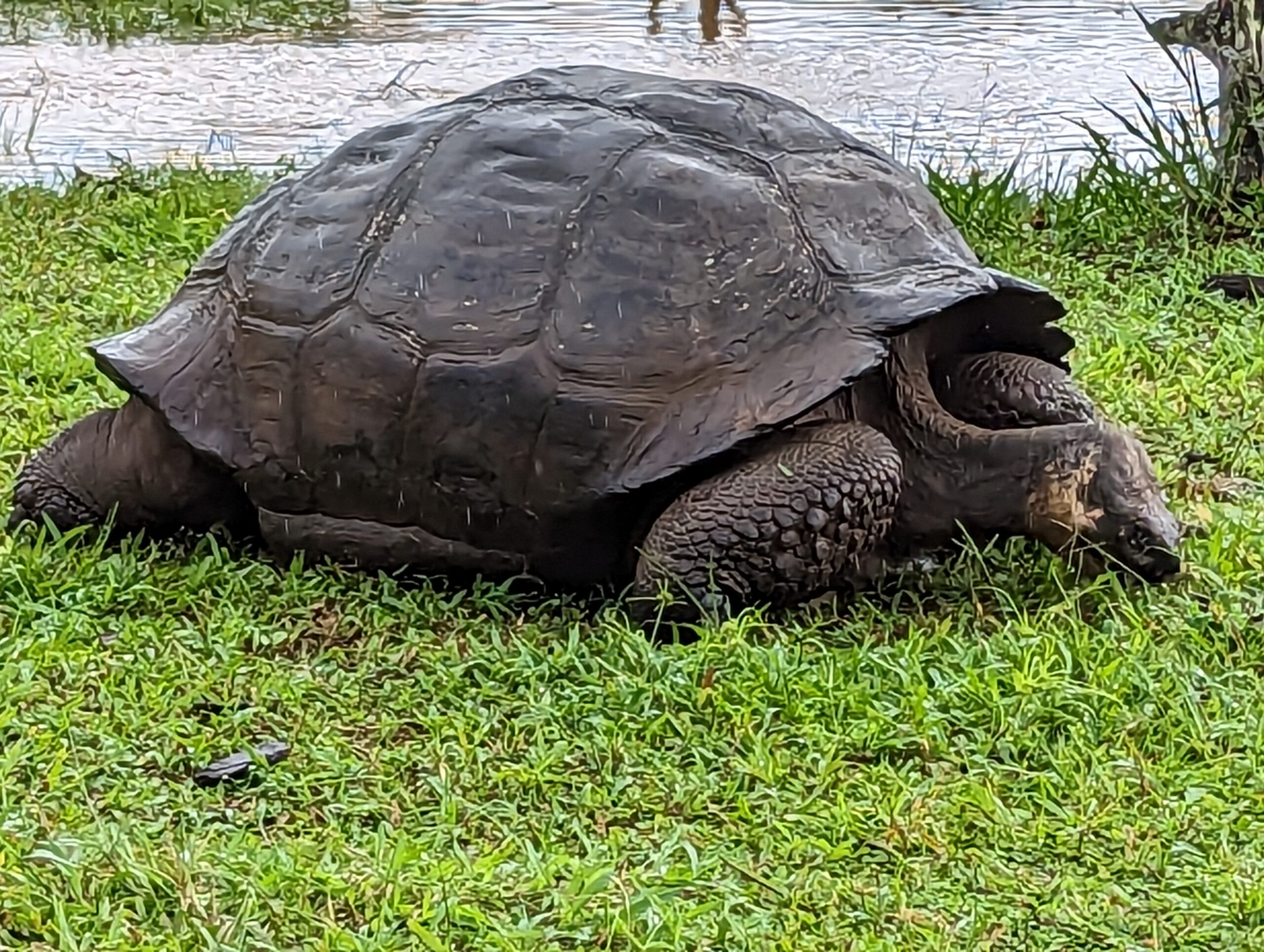
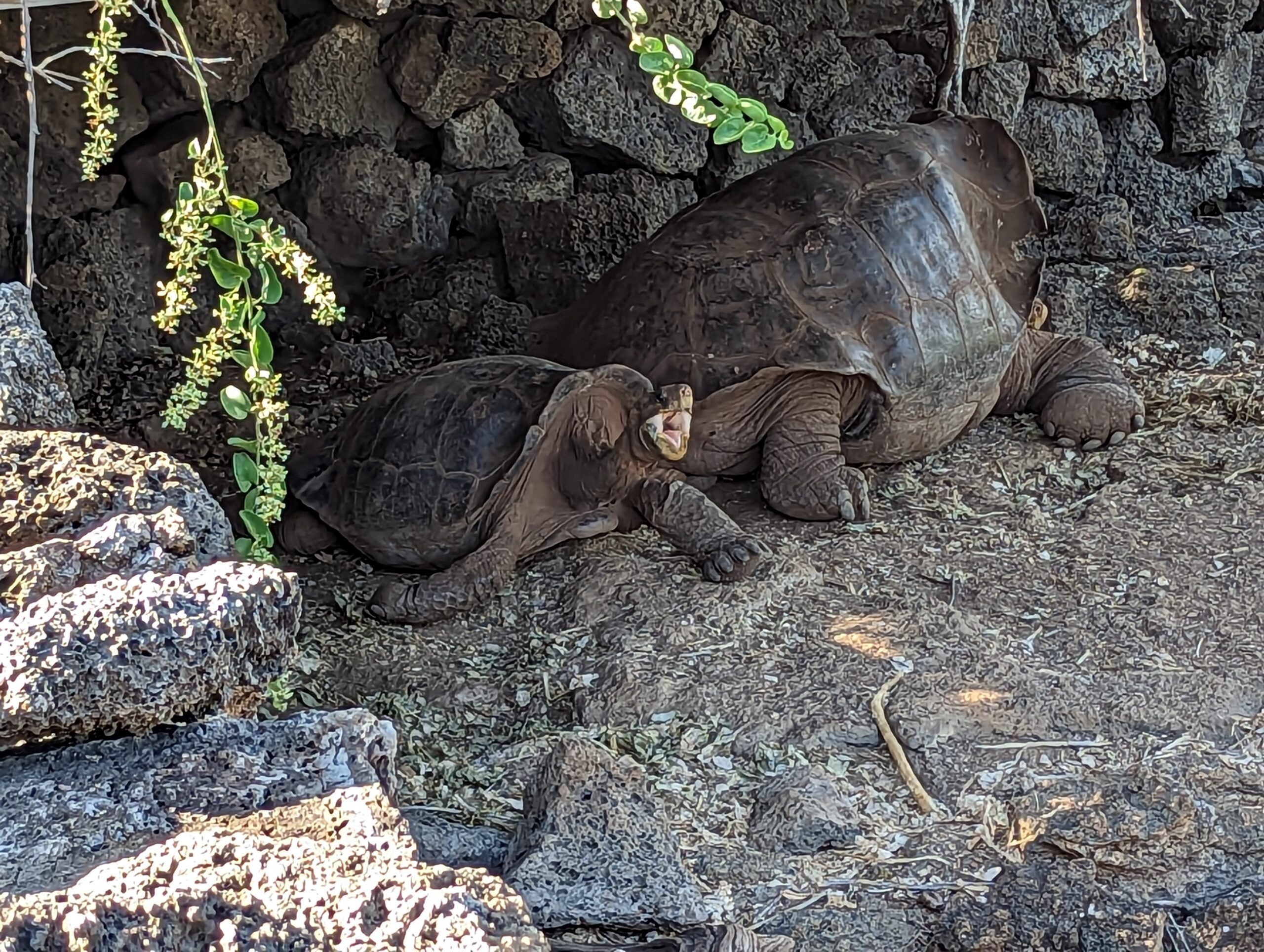
After a short ferry ride, we took Ecuador Highway 5 through the highlands en route to Puerto Ayora and our boat. The yellow diamond-shaped “Tortoise Crossing” signs were fabulous, but I was not quick enough to get a picture. We stopped in the highlands for lunch and a chance to see the famous Galapagos Giant Tortoises. To my surprise, it was pouring rain. While some rain was expected, the intensity caught me off guard. The group sat sadly, watching the tortoises out in the field debating if we could brave the downpour for a closer look.
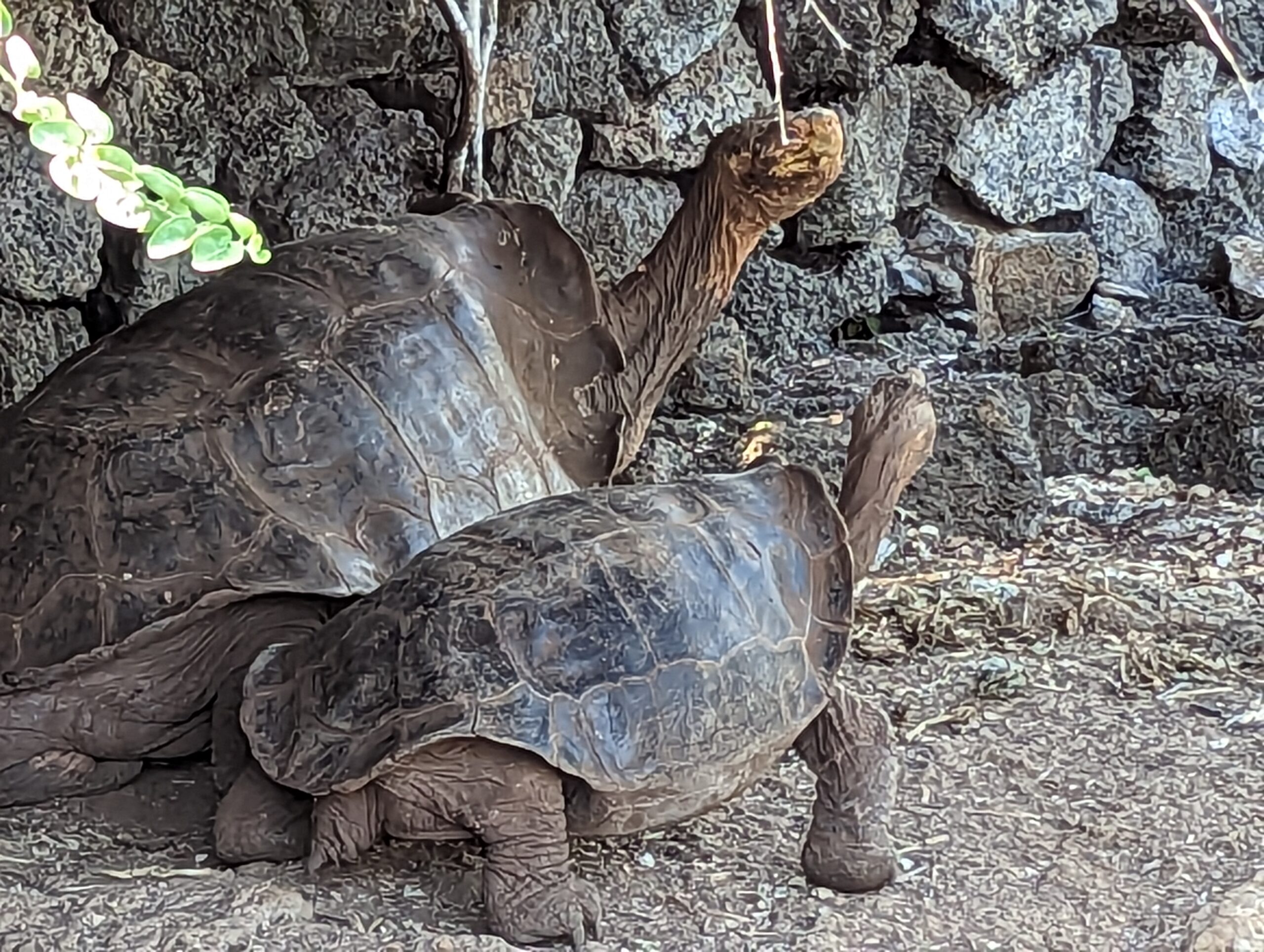
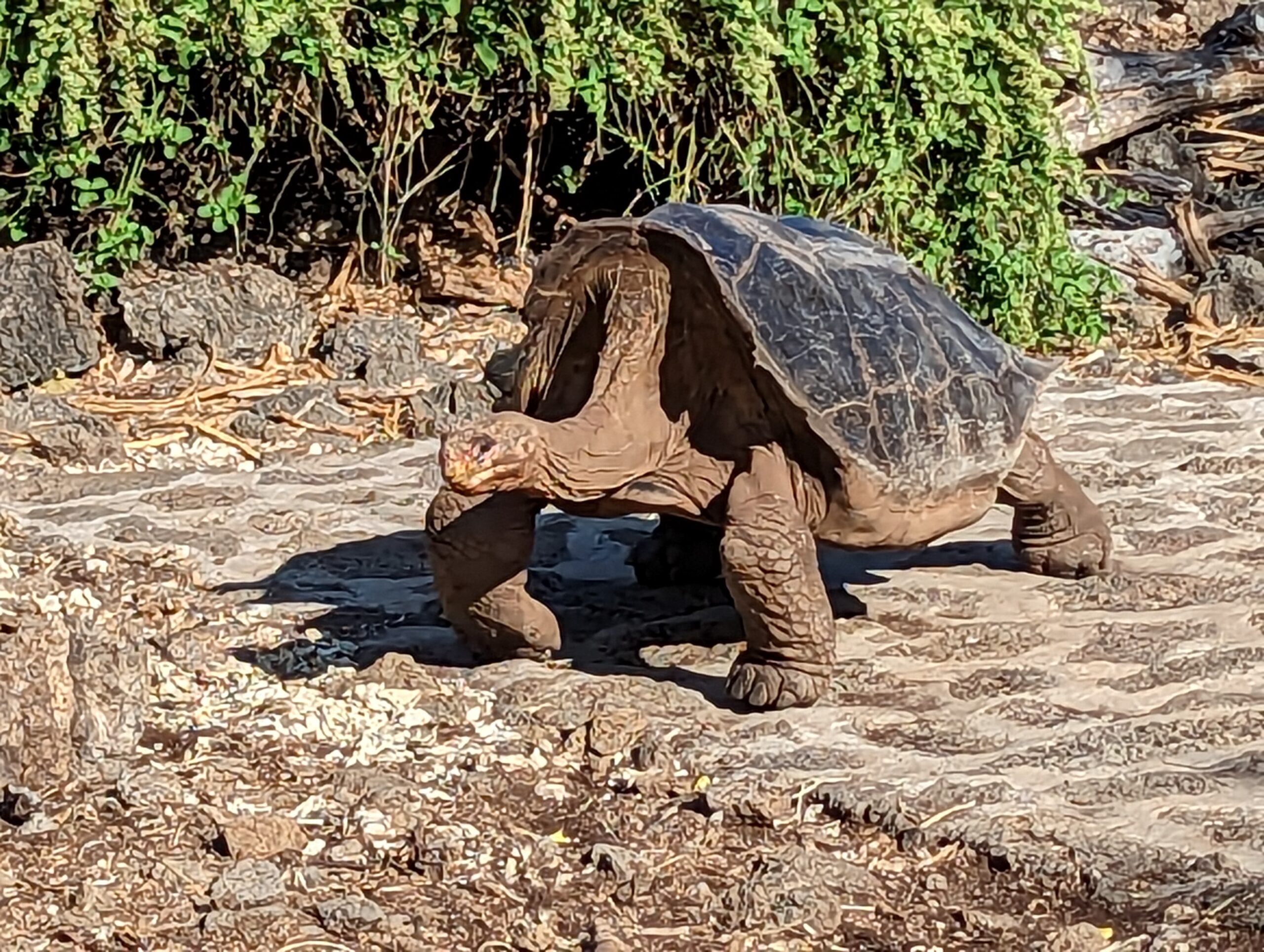
Fortunately, the weather broke. We donned boots and wandered out to the waterlogged field, traversing impromptu streams to see these unique creatures. Of course we were not allowed to touch, feed or ride them – and they did not seem particularly interested in us. It was still fascinating to see something I never imagined seeing in real life. Even more so to see them in the wild – albeit in a protected area. There were ranches on Santa Cruz so it was entertaining on the drive to determine if the dark lumps in the fields were tortoises or …something else.
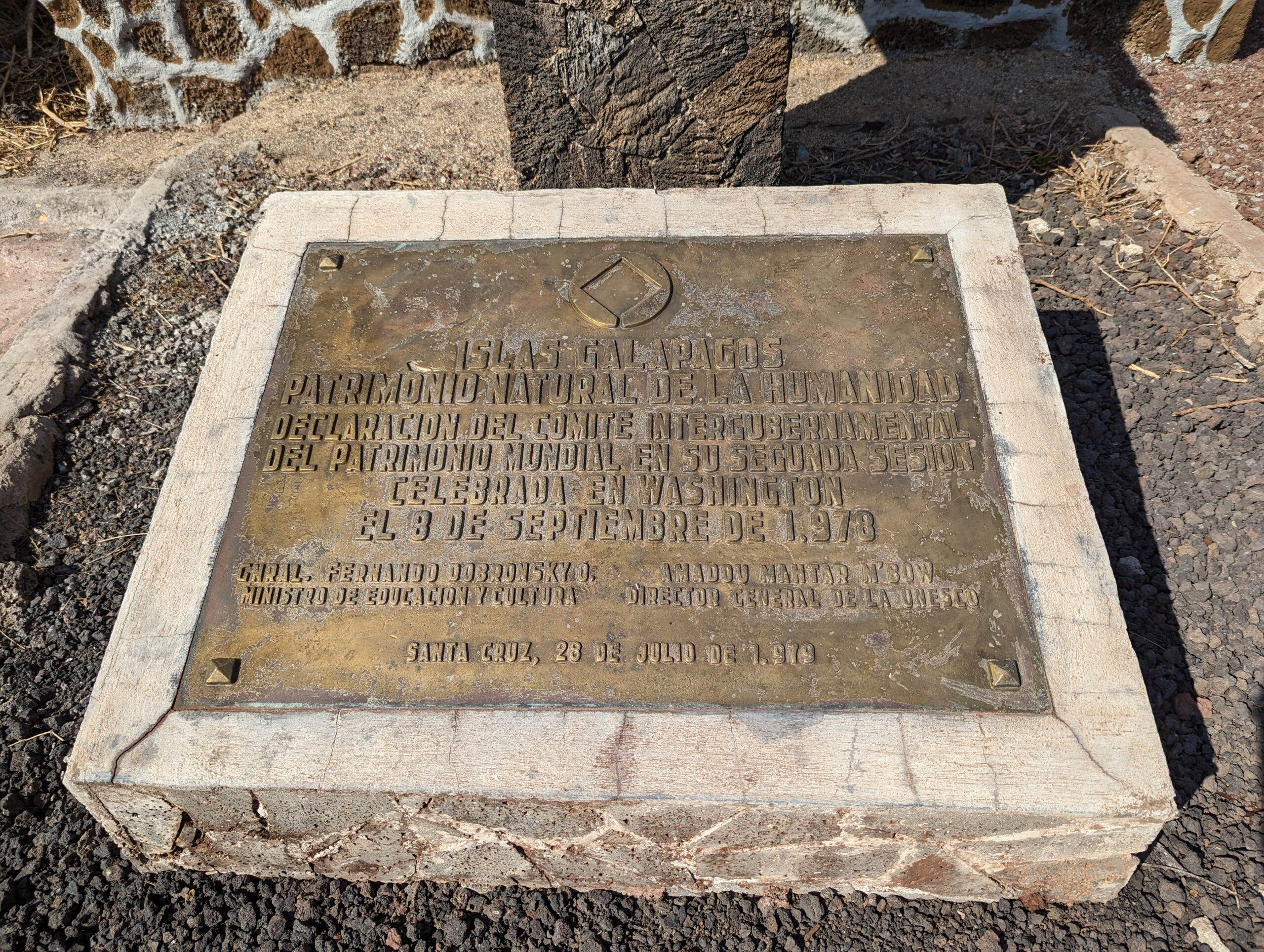
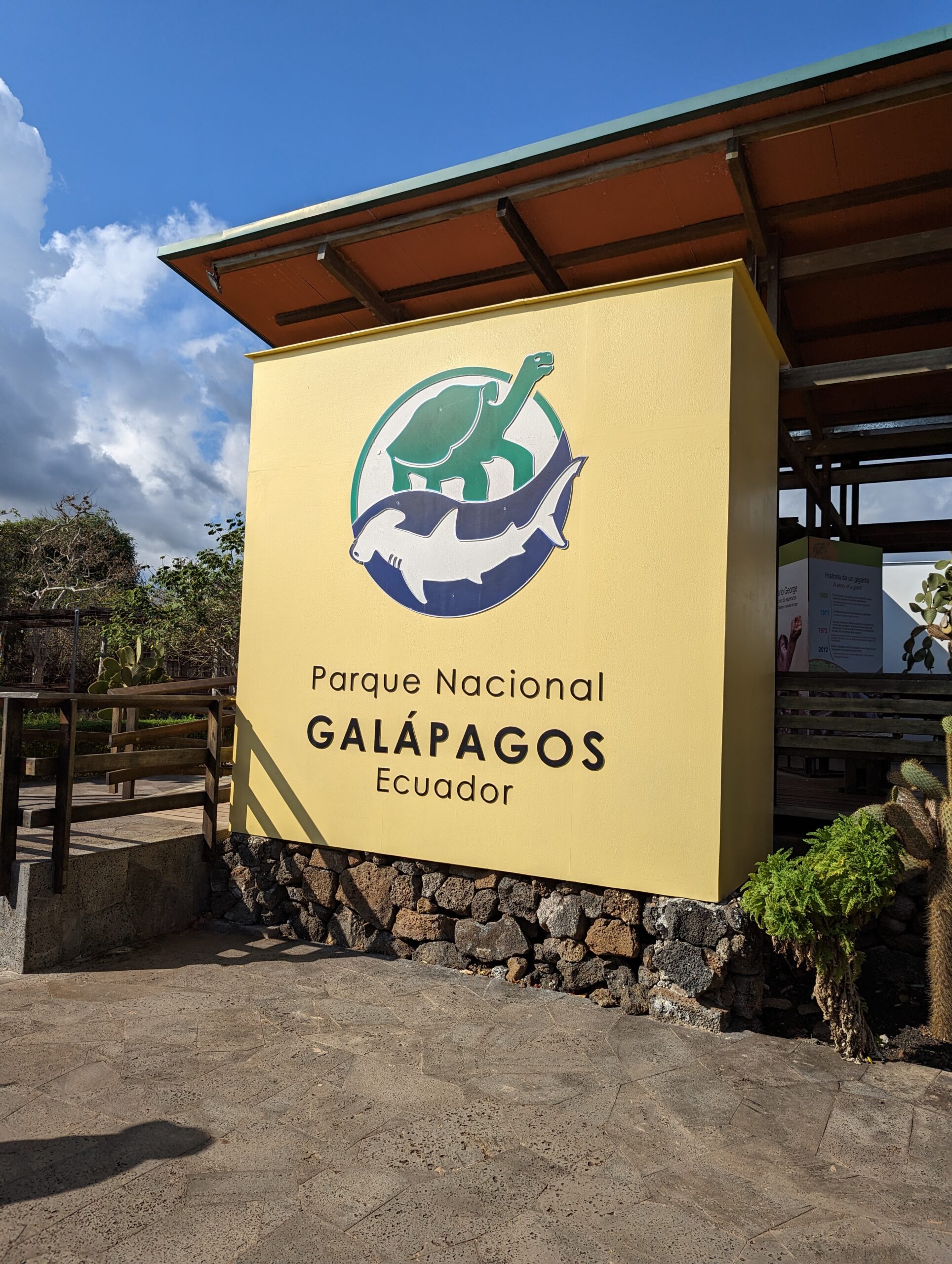
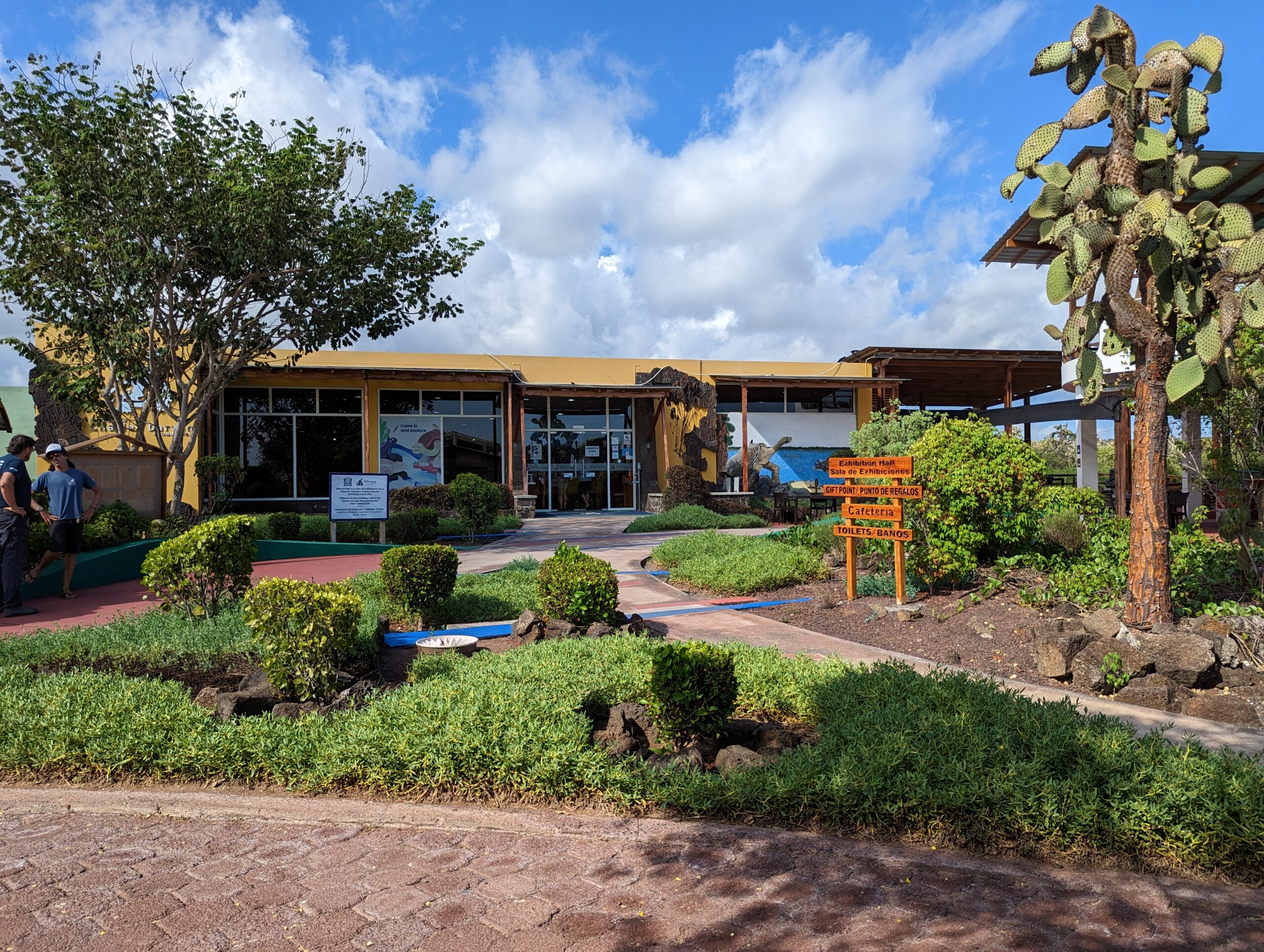
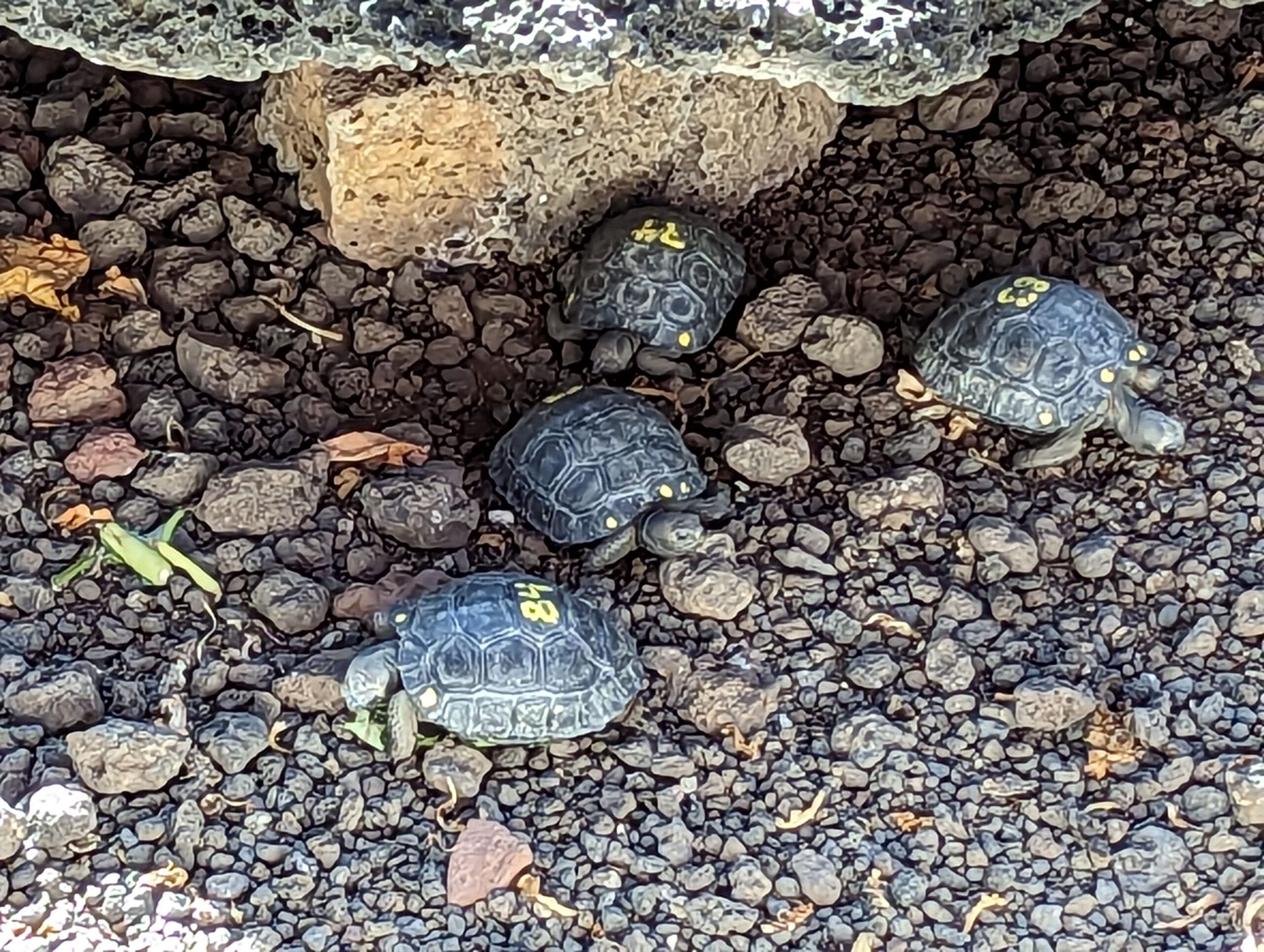
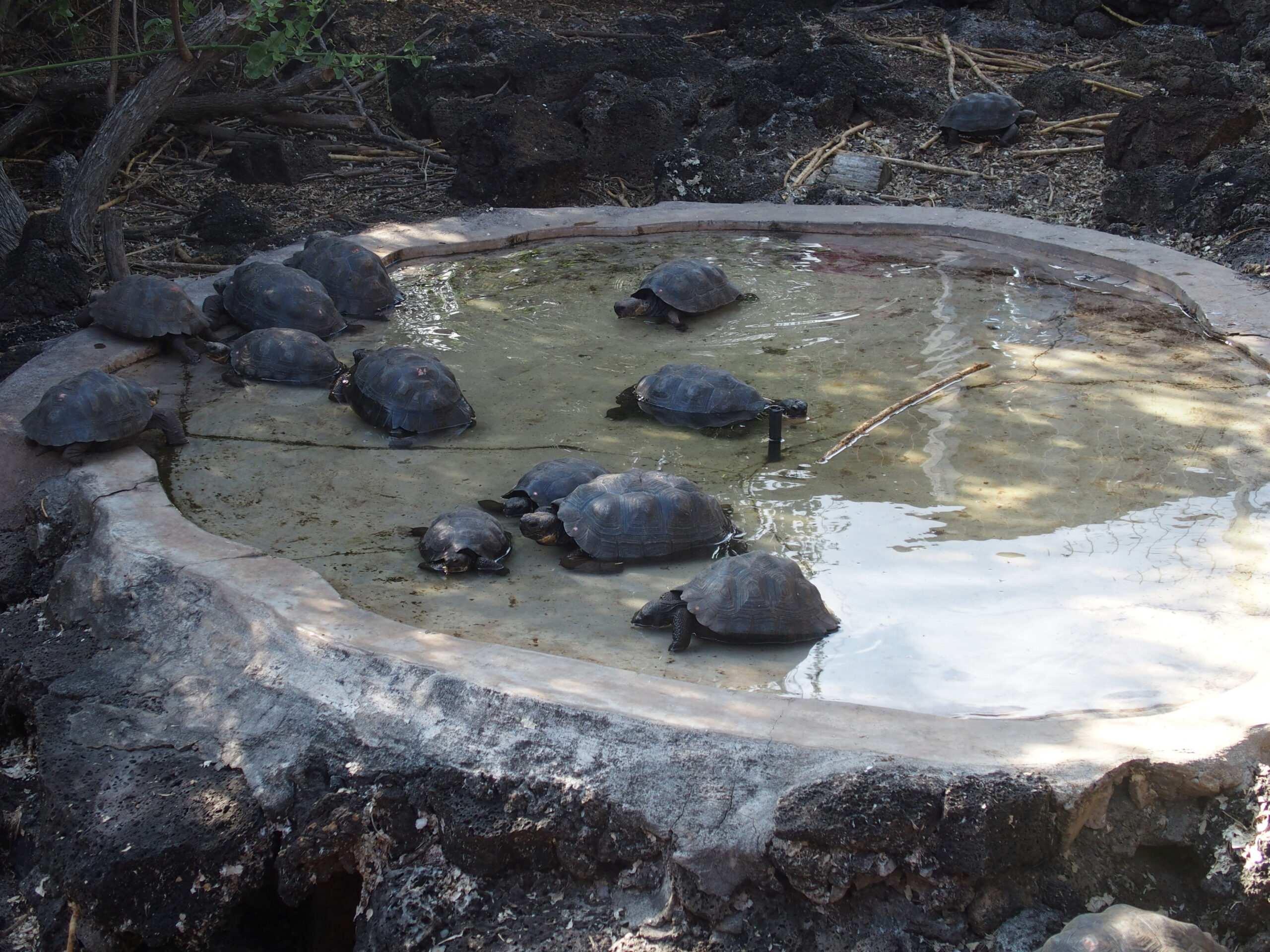
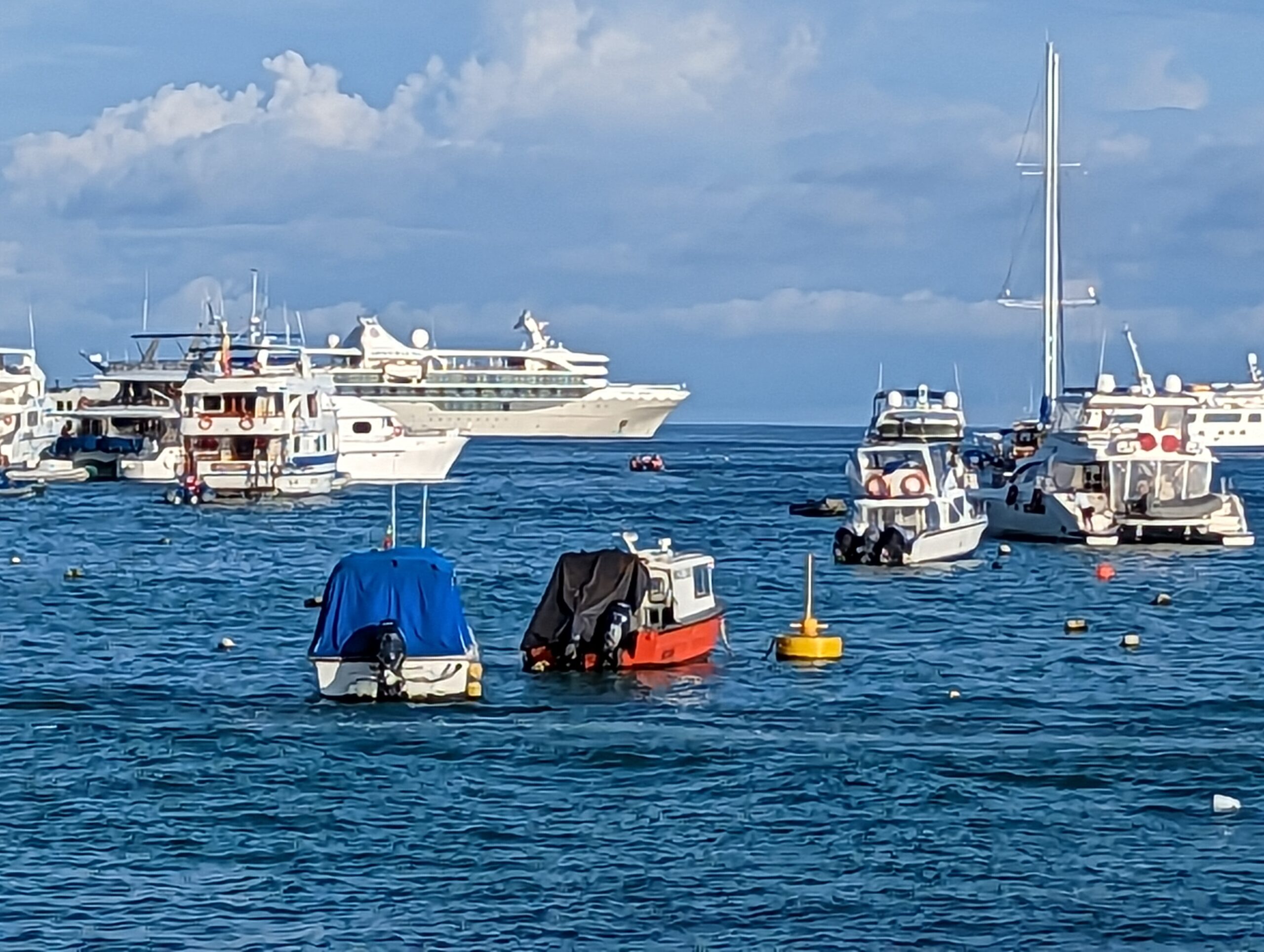
Descending out of the clouds into Puerto Ayora, we visited the Charles Darwin Foundation campus to see the efforts to protect and increase the number of threatened species on the Galapagos. There were numerous tortoises there, separated based on age. Some had numbers painted on them like little race cars. Afterwards, we had some time to wander the town and grab a beer before catching a zodiac to our floating home for the next few days.
Bartolome / Santiago
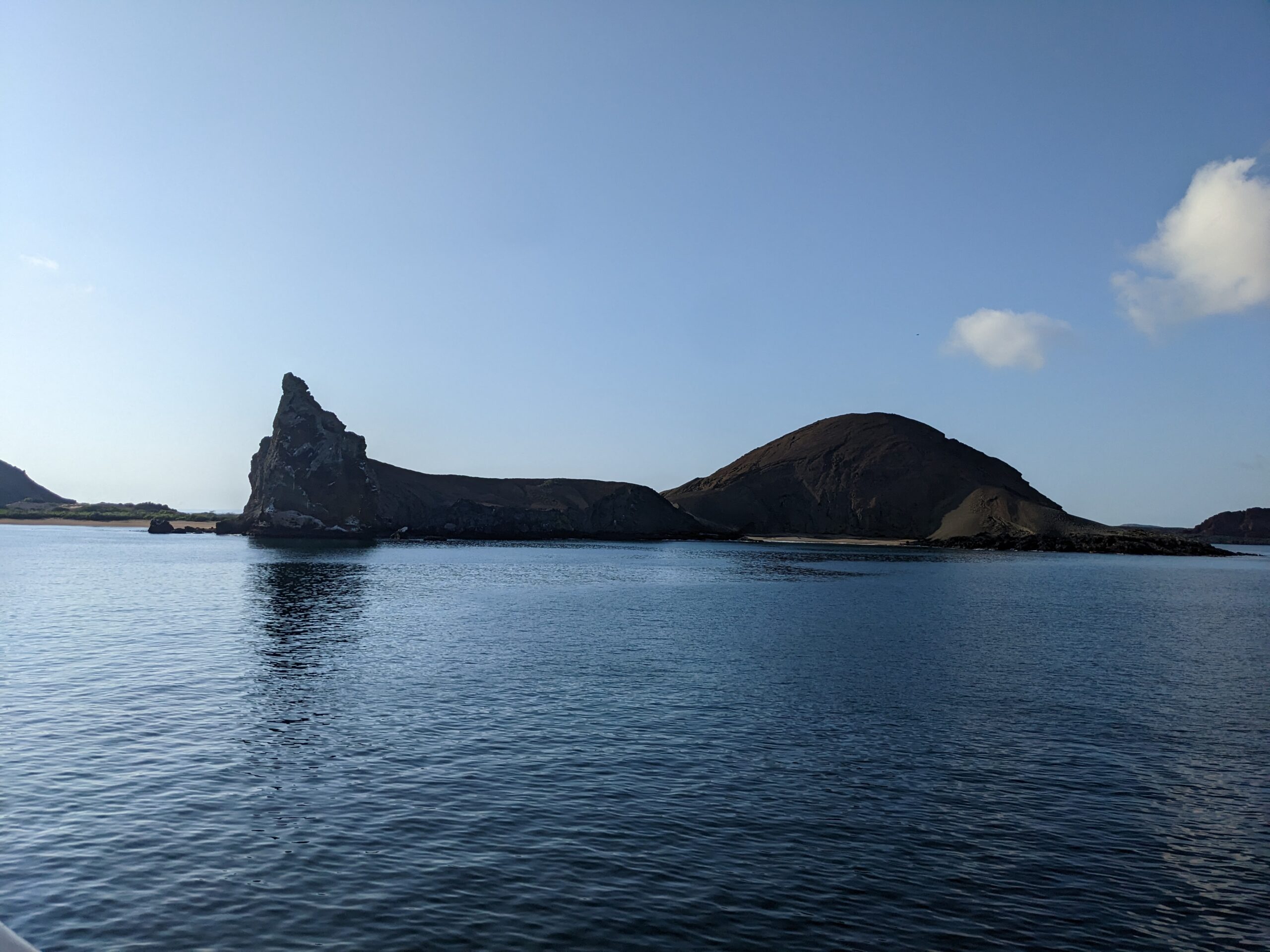
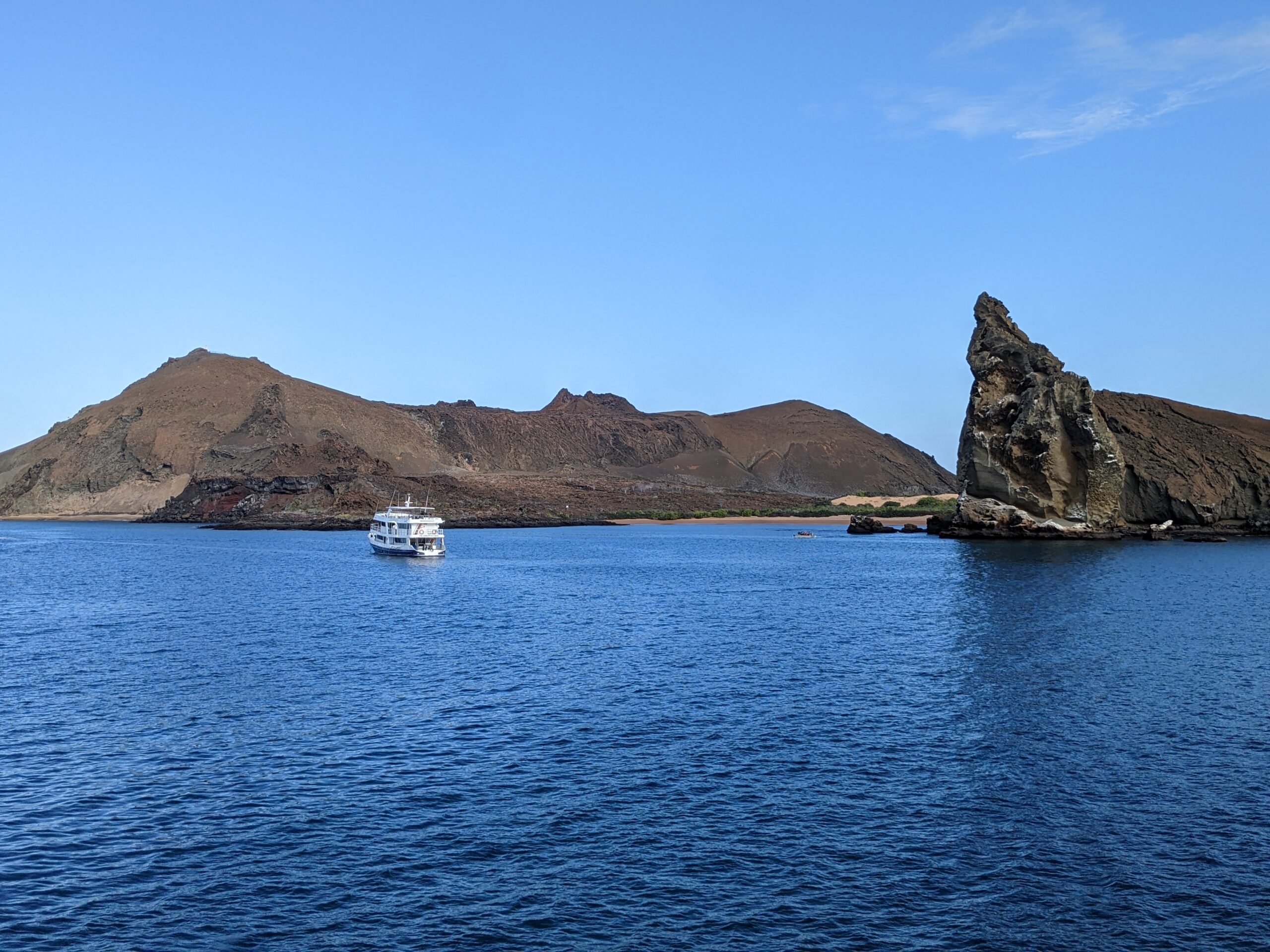
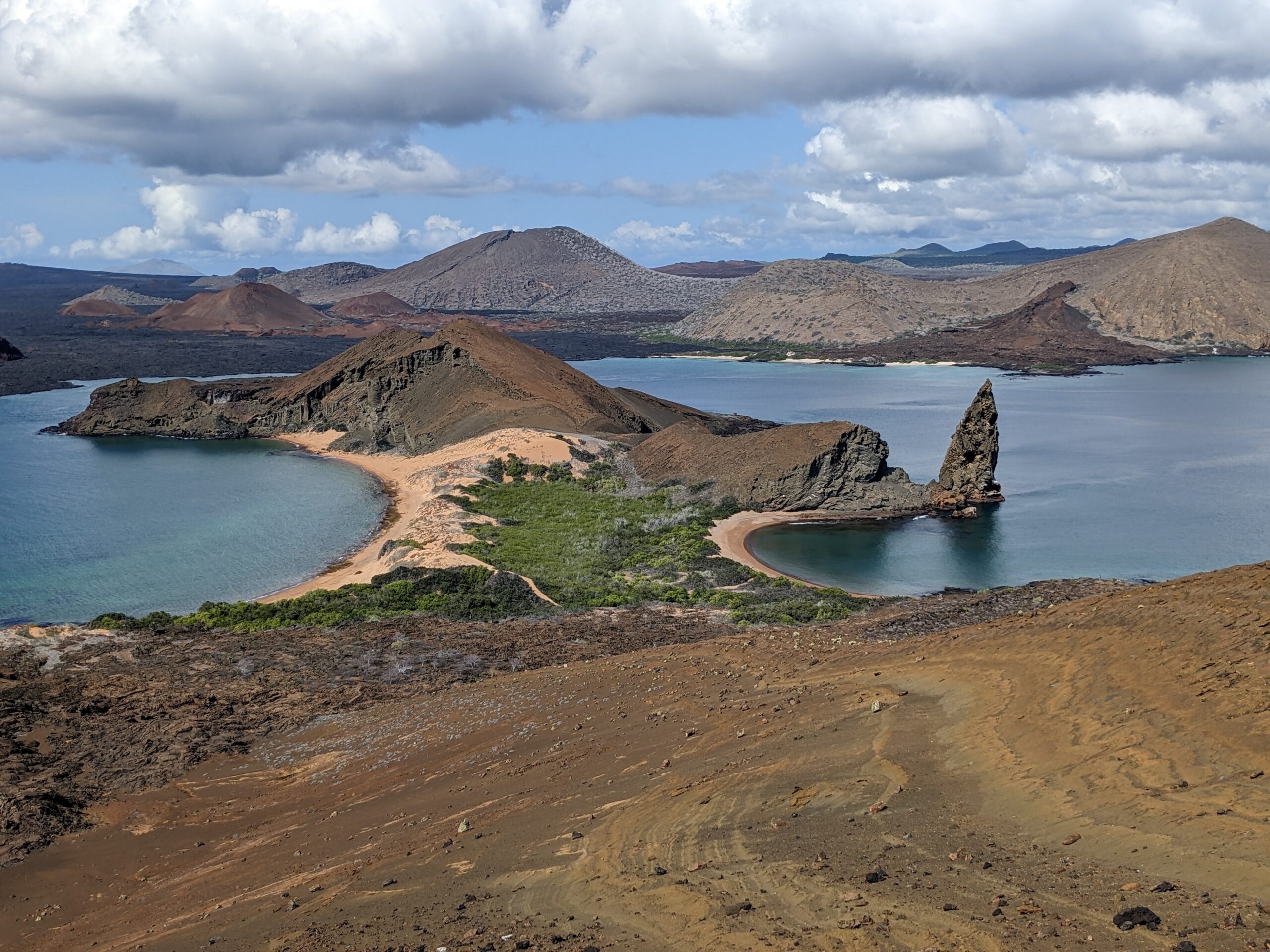
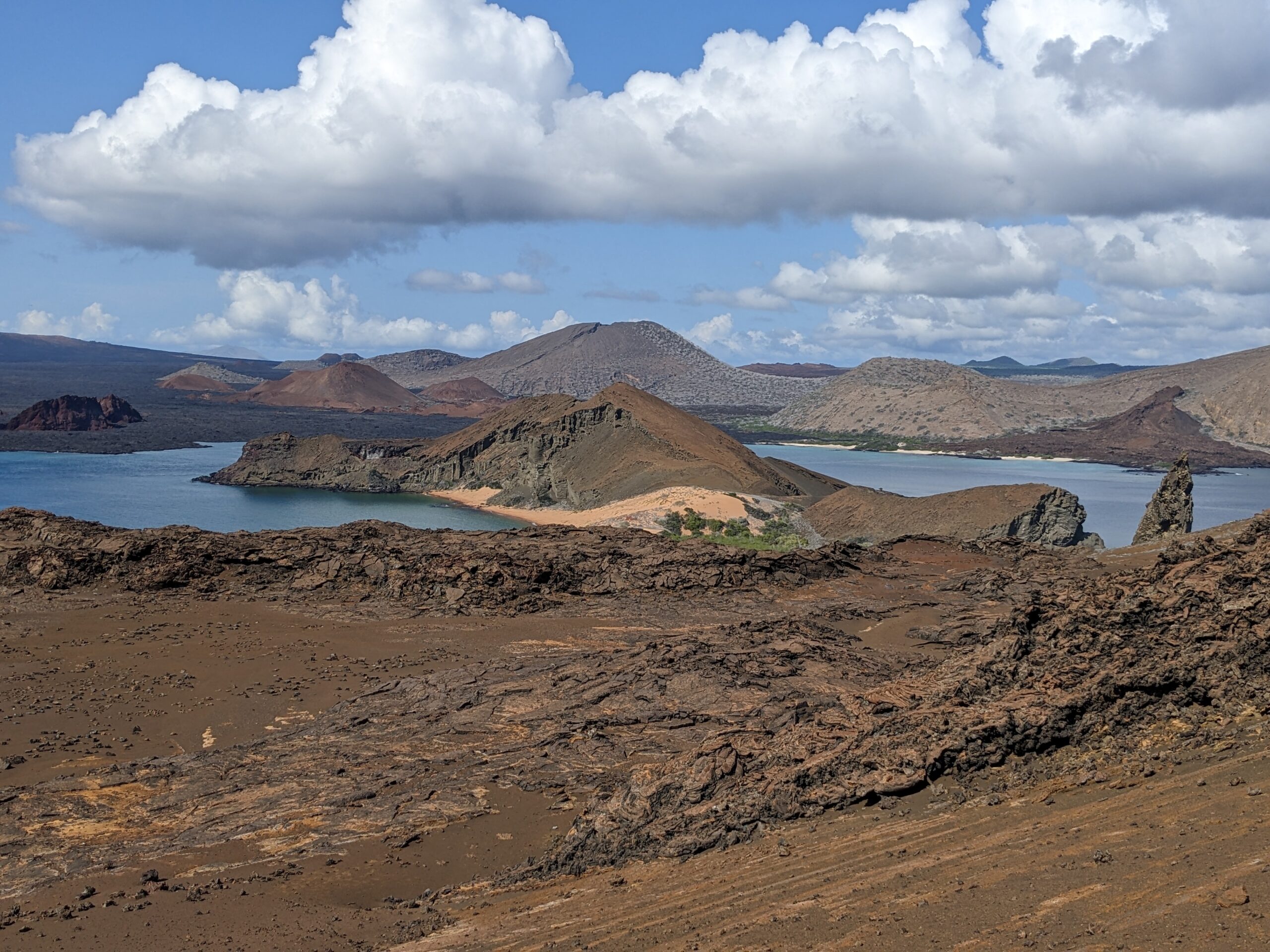
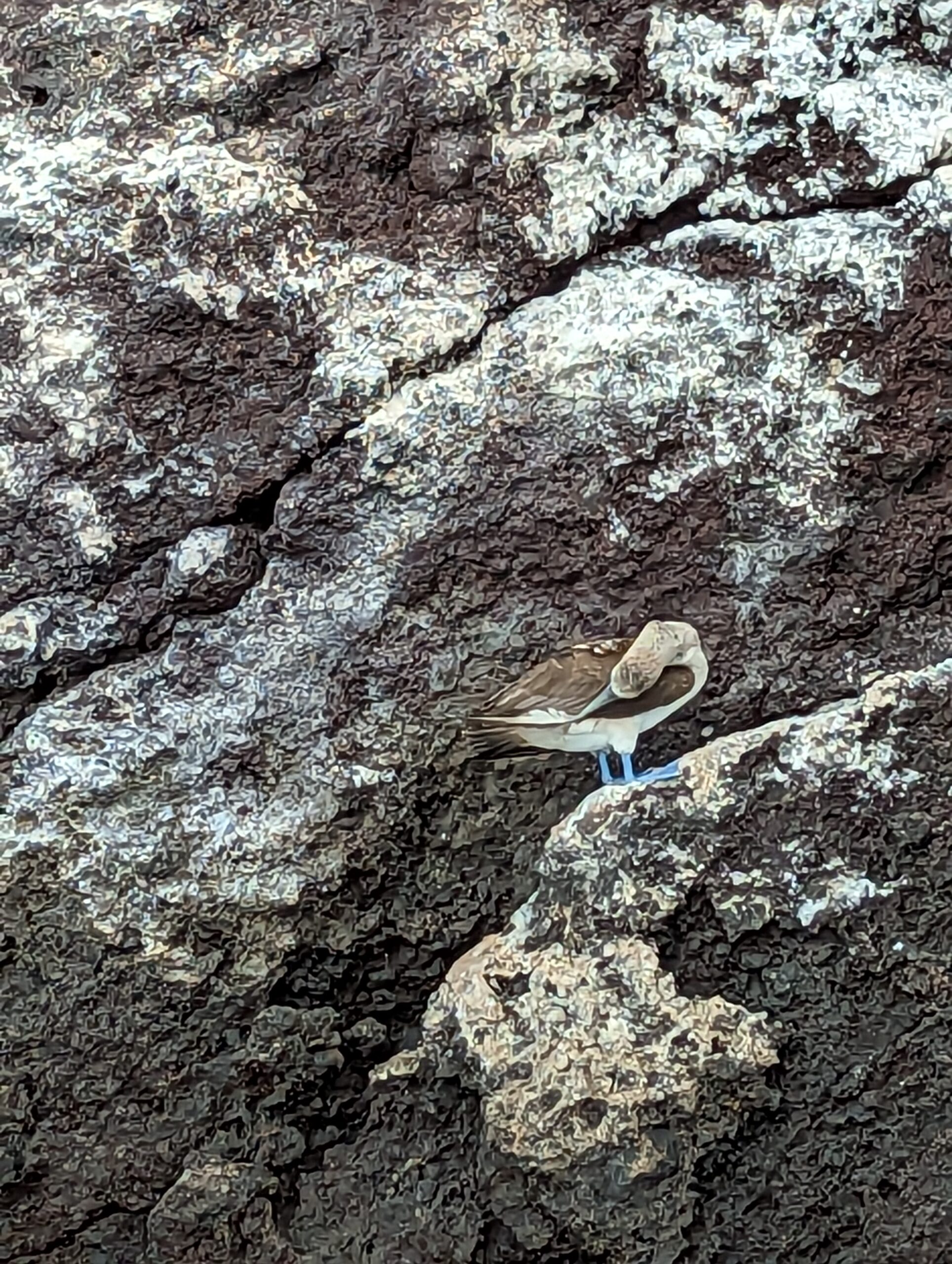
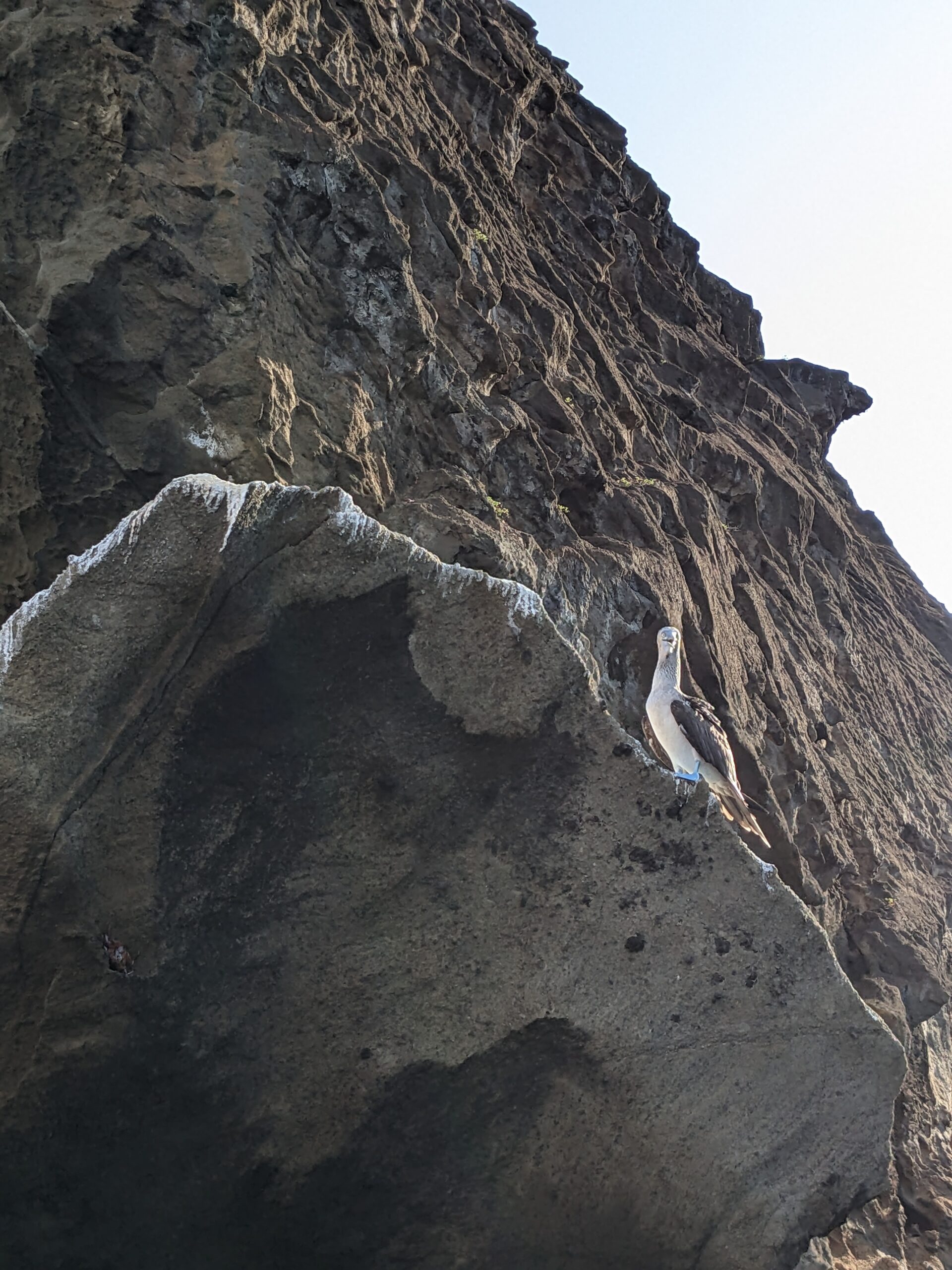
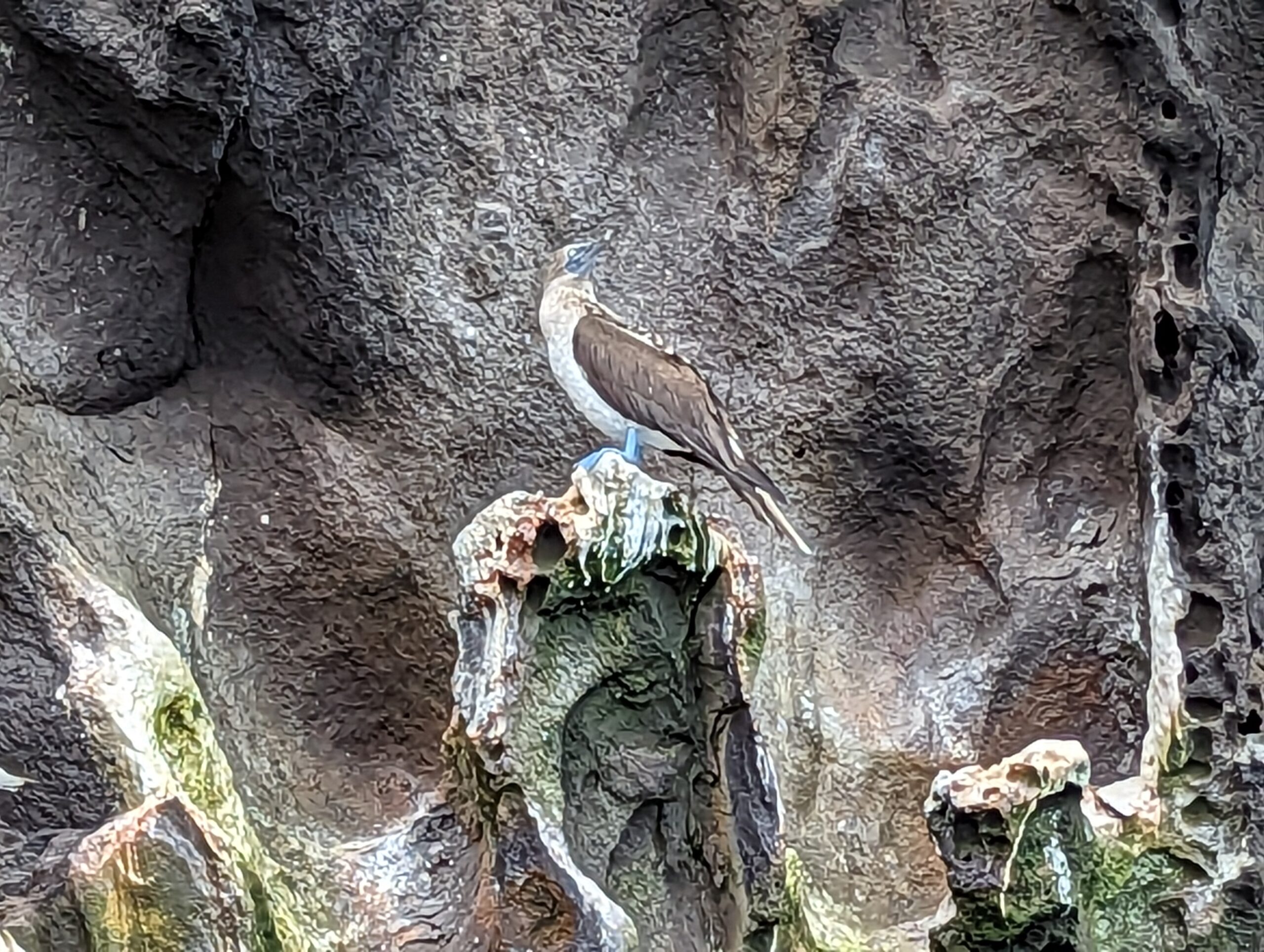
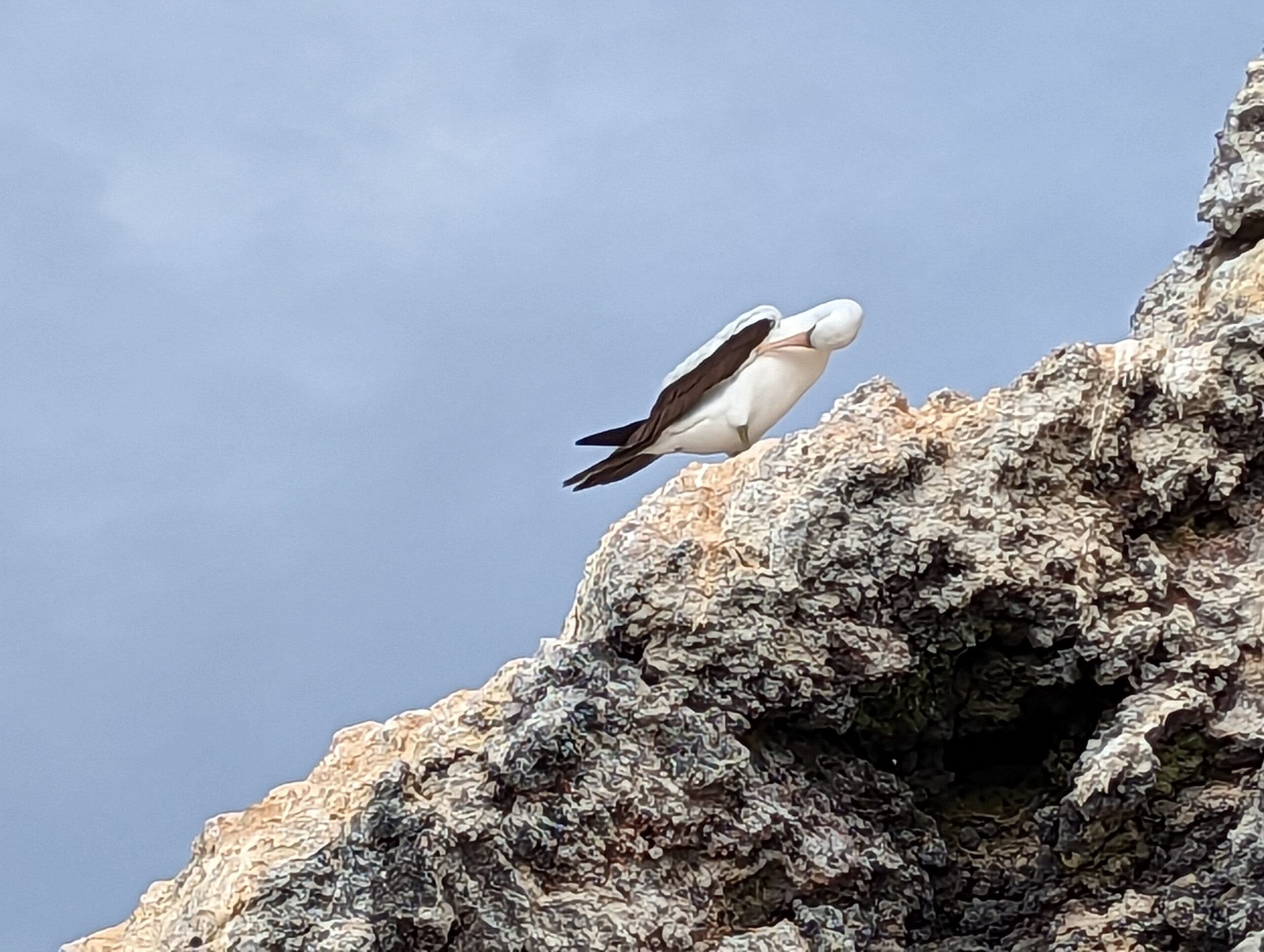
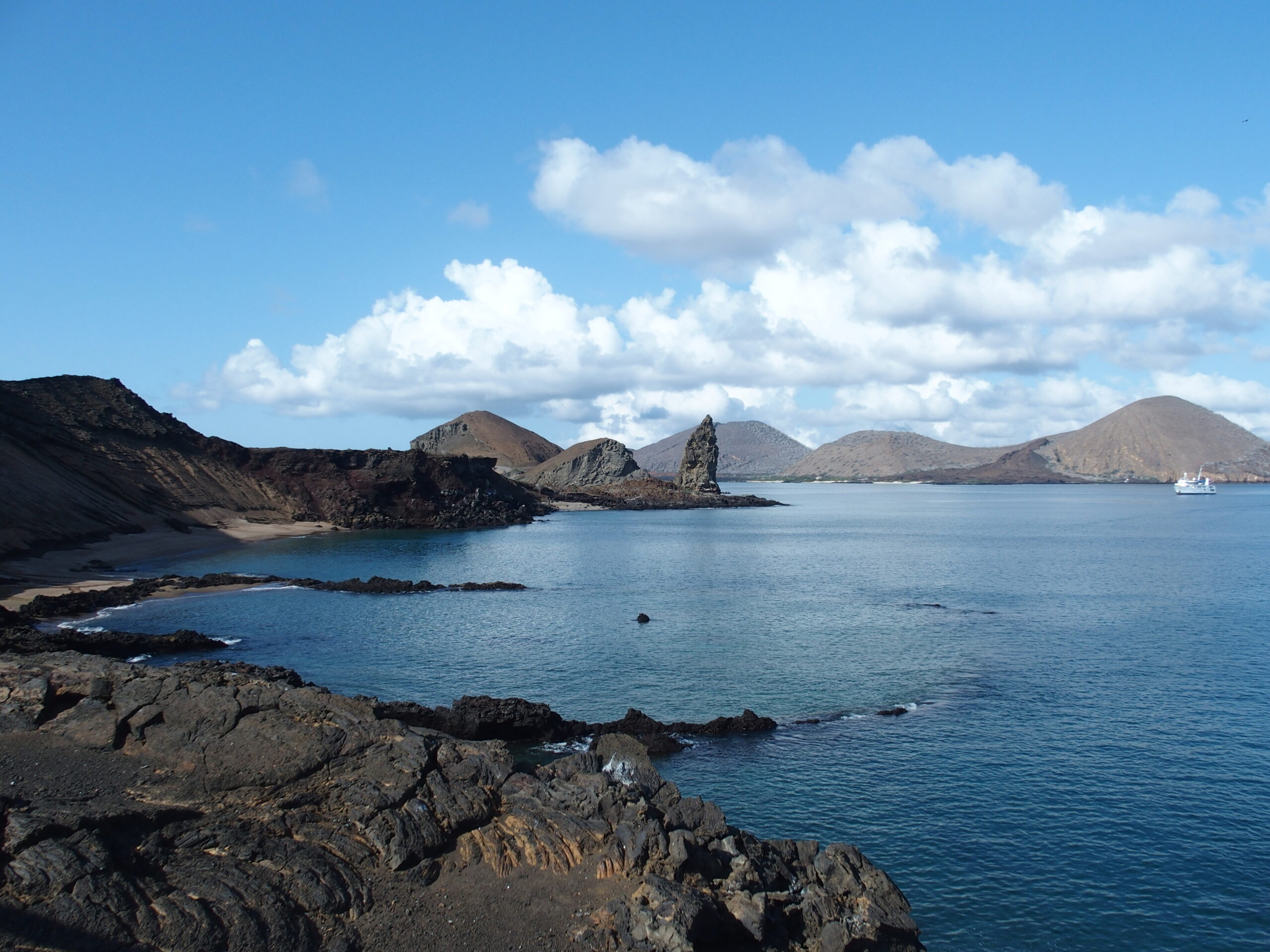
Stopped at Bartolome Island in the morning then a short trip across to neighboring Santiago Island. The climb of 372 steps gave a great overview of the two islands, including the distinctive Pinnacle Rock. Saw the famous Blue-Footed Boobies perching above us, but none of their signature mating dances.
Finally tried snorkeling. I admit to being a bit hesitant and uncertain about it, but it was a great experience. Since we do not have waterproof cameras (or phones) we have no images. Suffice to say, Chocolate Chip starfish look exactly as one would imagine.
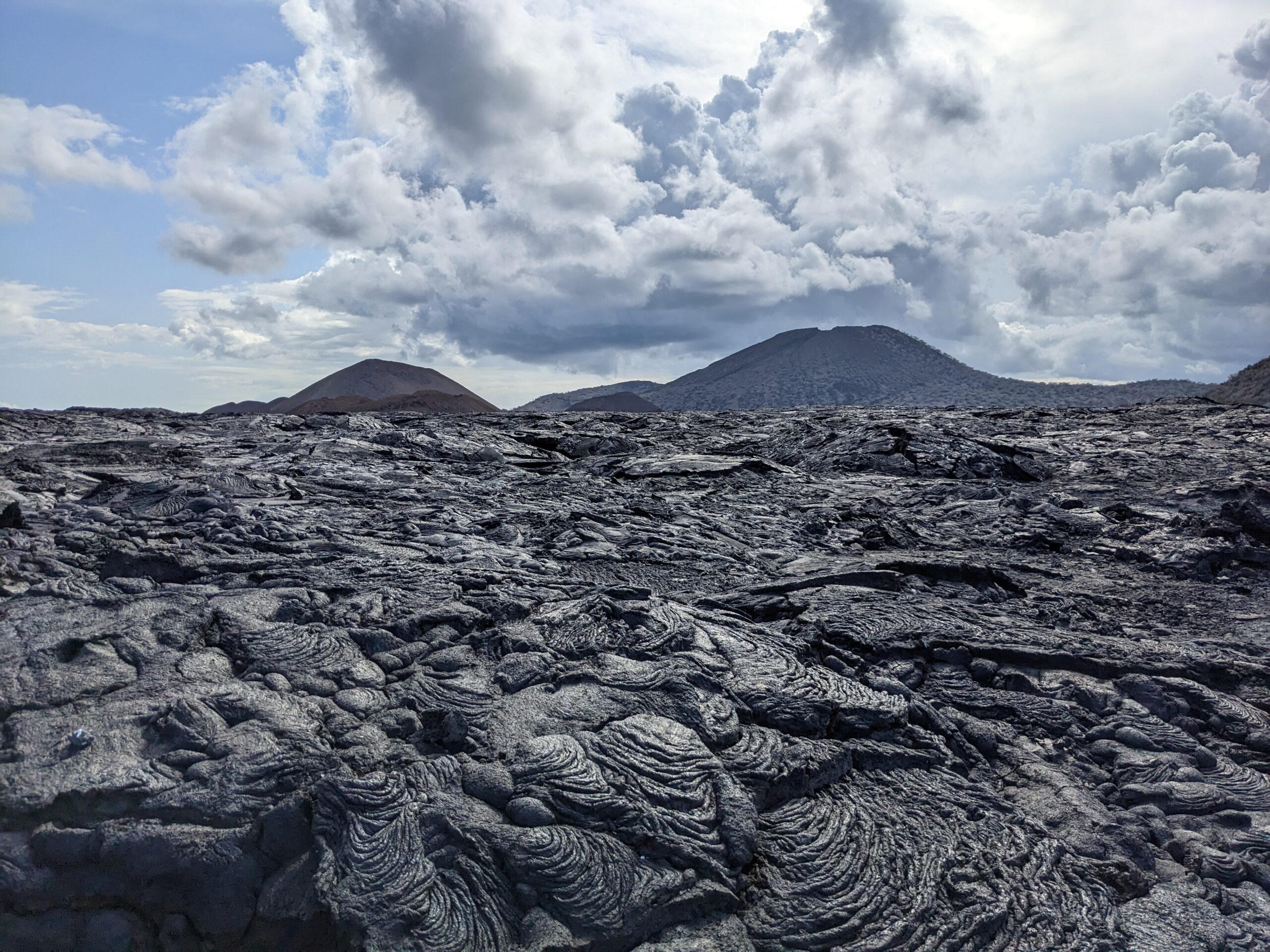
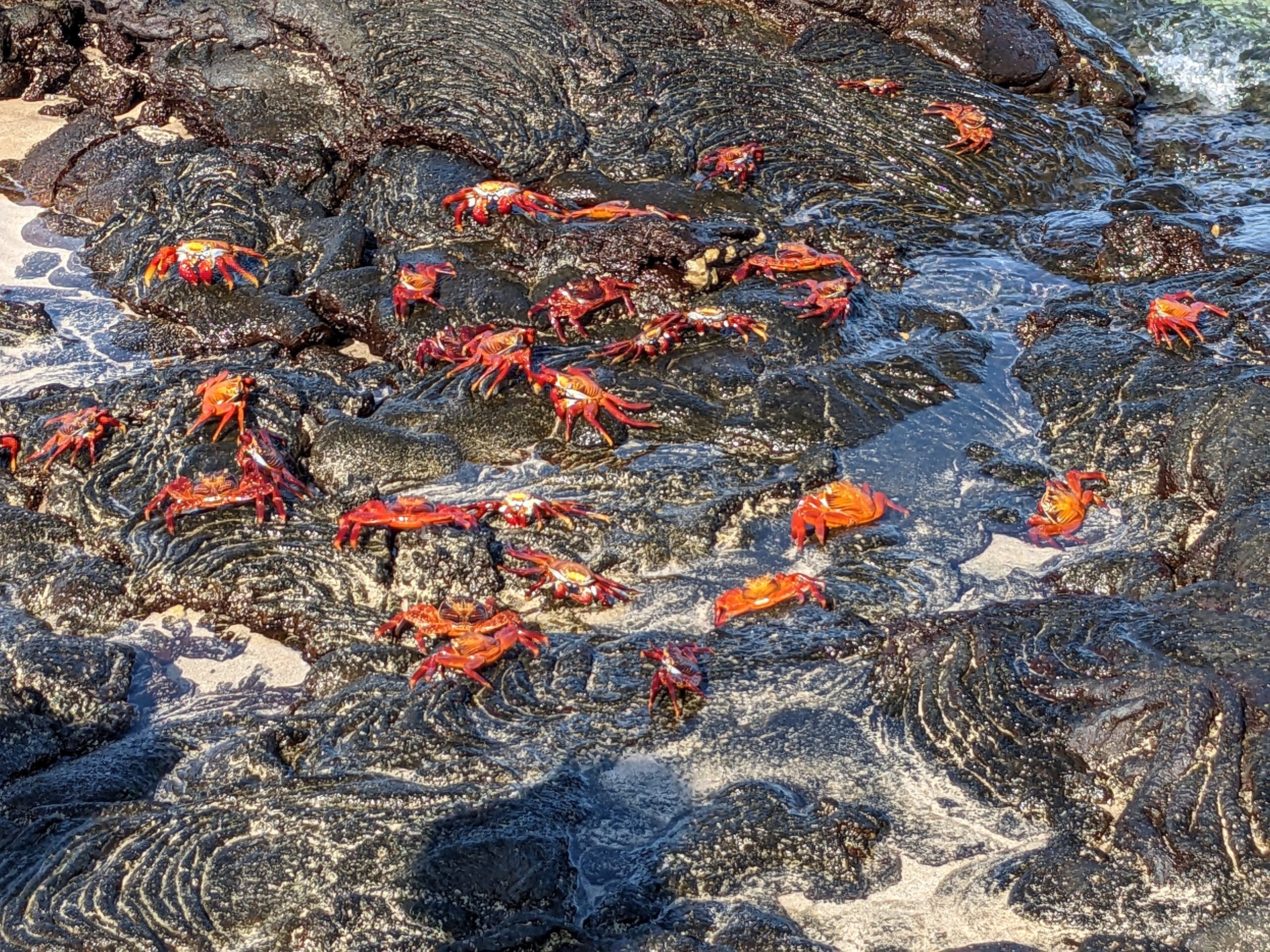
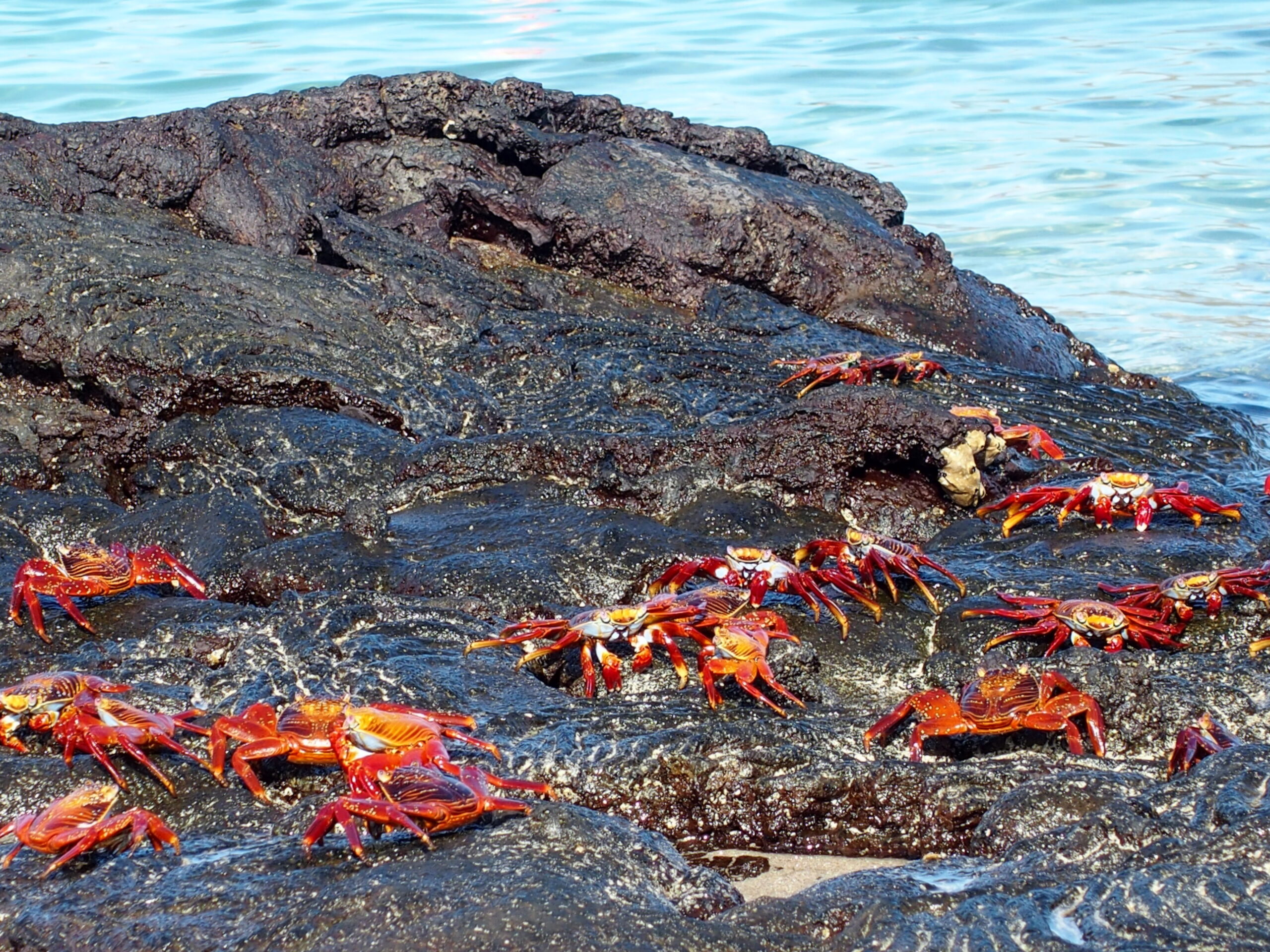
A walk across the lava fields on Santiago island along with some beach time for those inclined.
Santa Cruz / Santiago
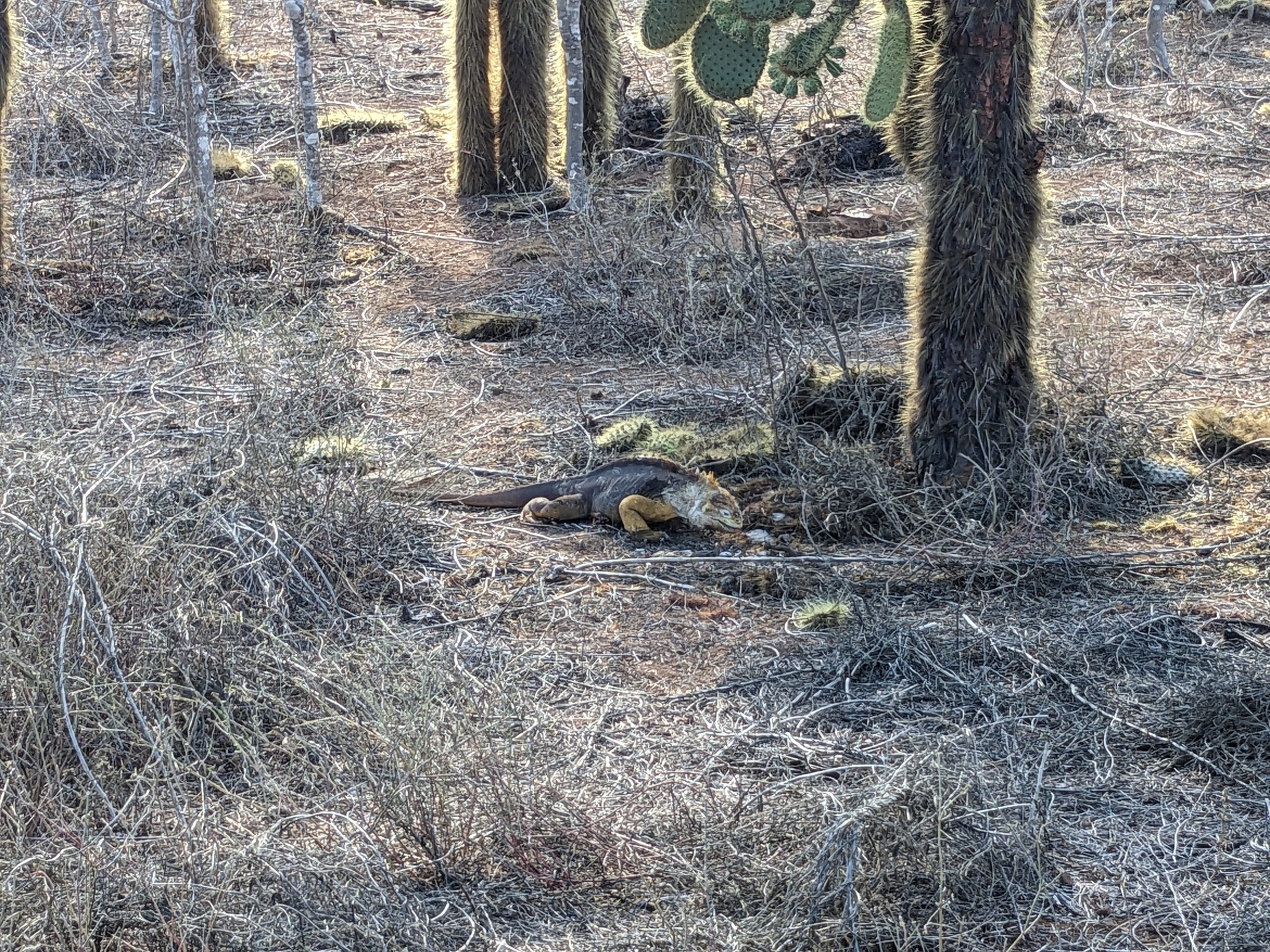
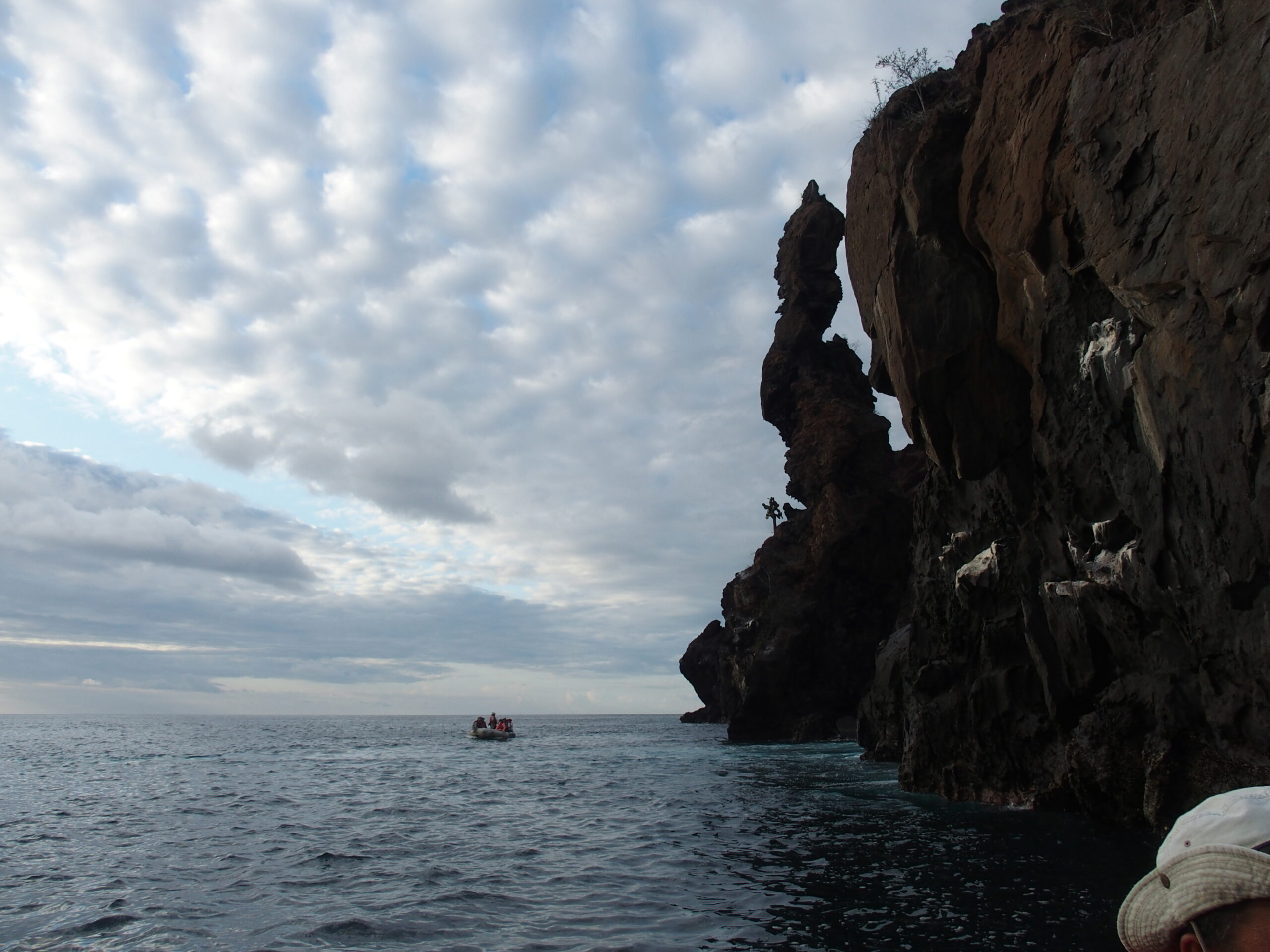
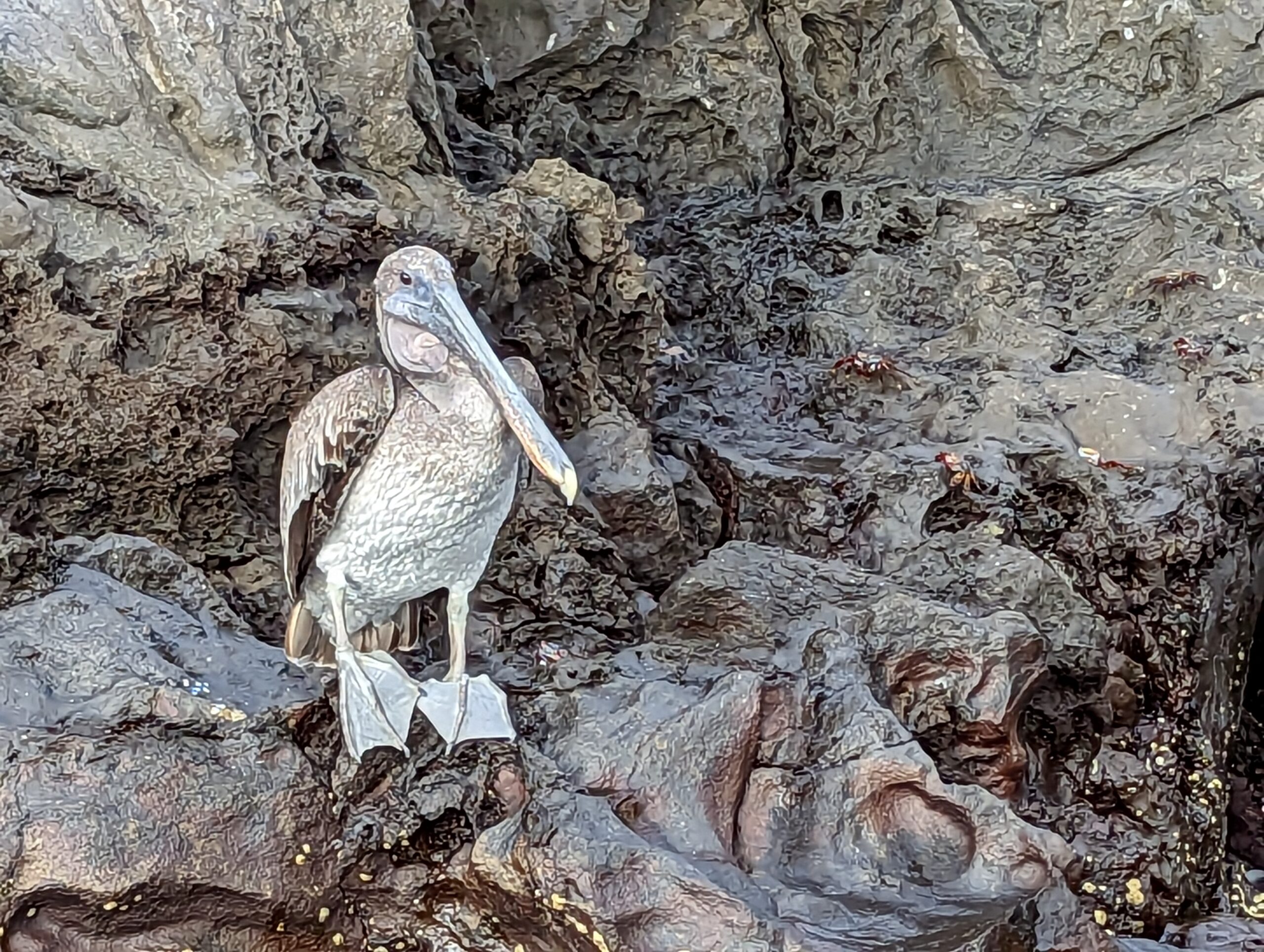
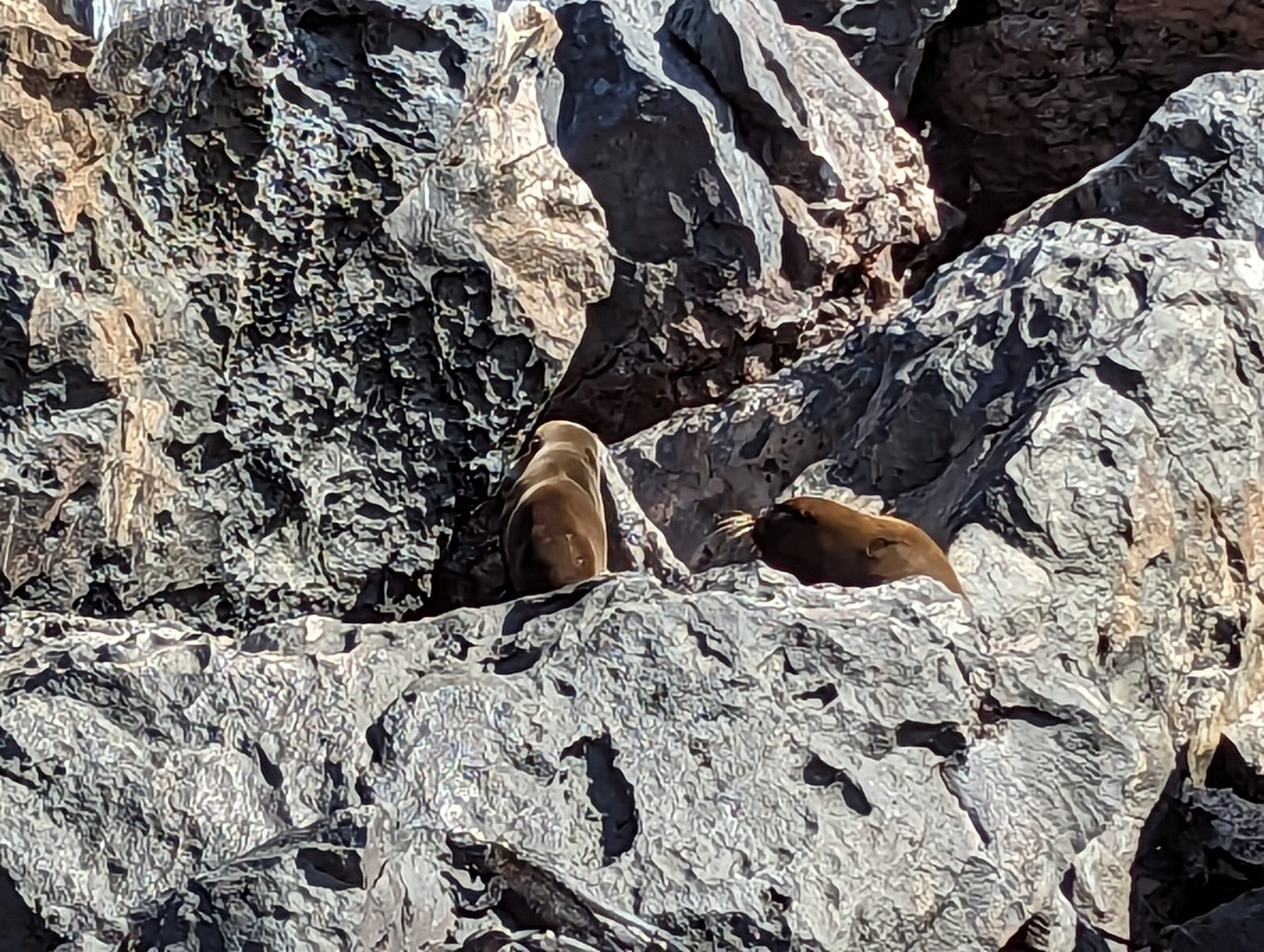
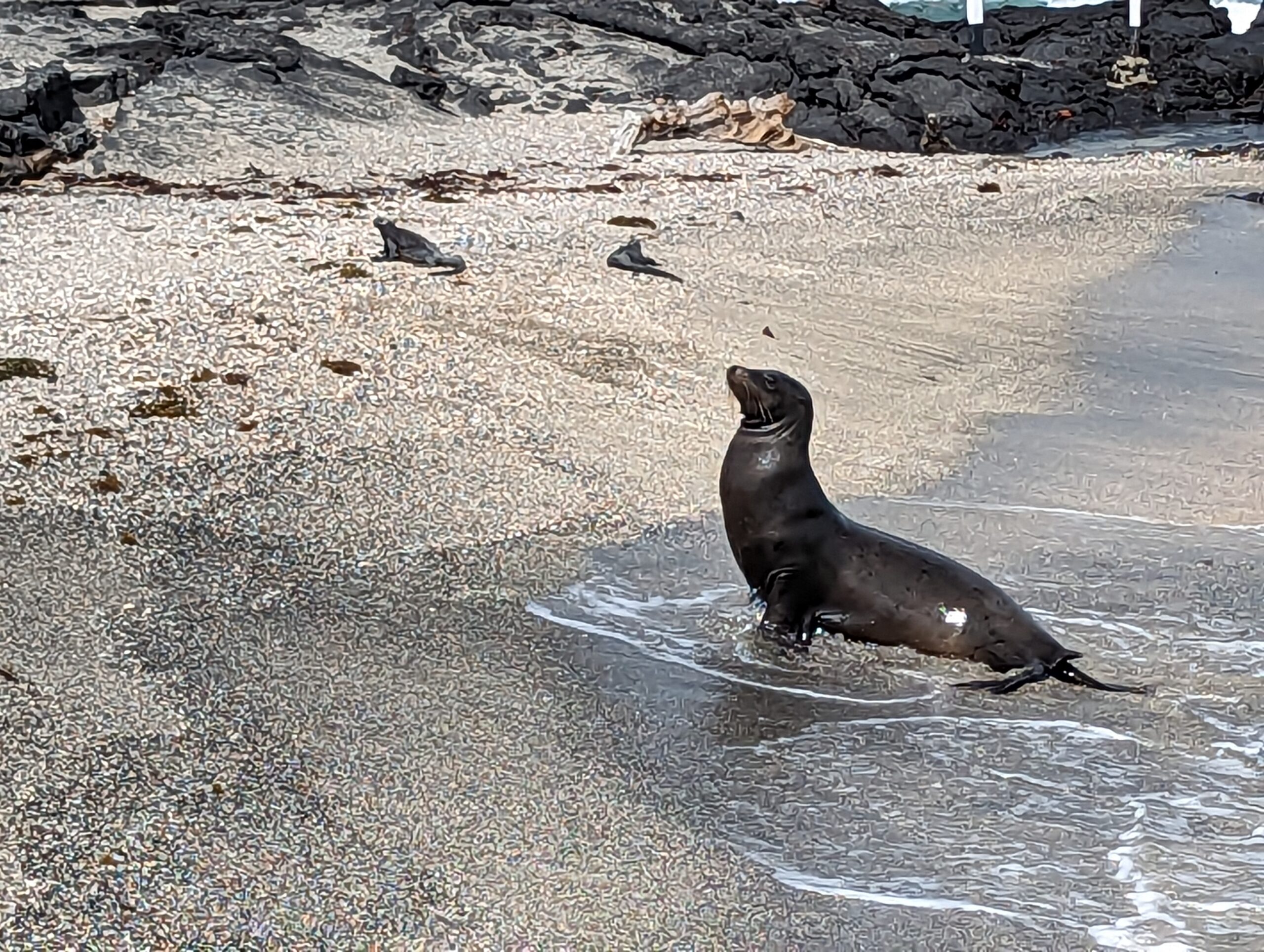
Revisiting the islands of Santa Cruz and Santiago and some more snorkeling. Hiked up Santa Cruz to look for land iguanas and a shoreline cruise off Santiago to watching birds and the Galapagos sea lions. A couple of marine iguanas hid amongst the rocks.
Biosecurity is key. The airport scanned our bags upon arrival for potentially invasive materials. We cannot bring anything ashore except water. In this hot climate, this practically limits excursions to two hours or less. Our sunscreen is getting good use.
Cruising around some of these rocky outcrops, I can see why guano mining here was profitable.
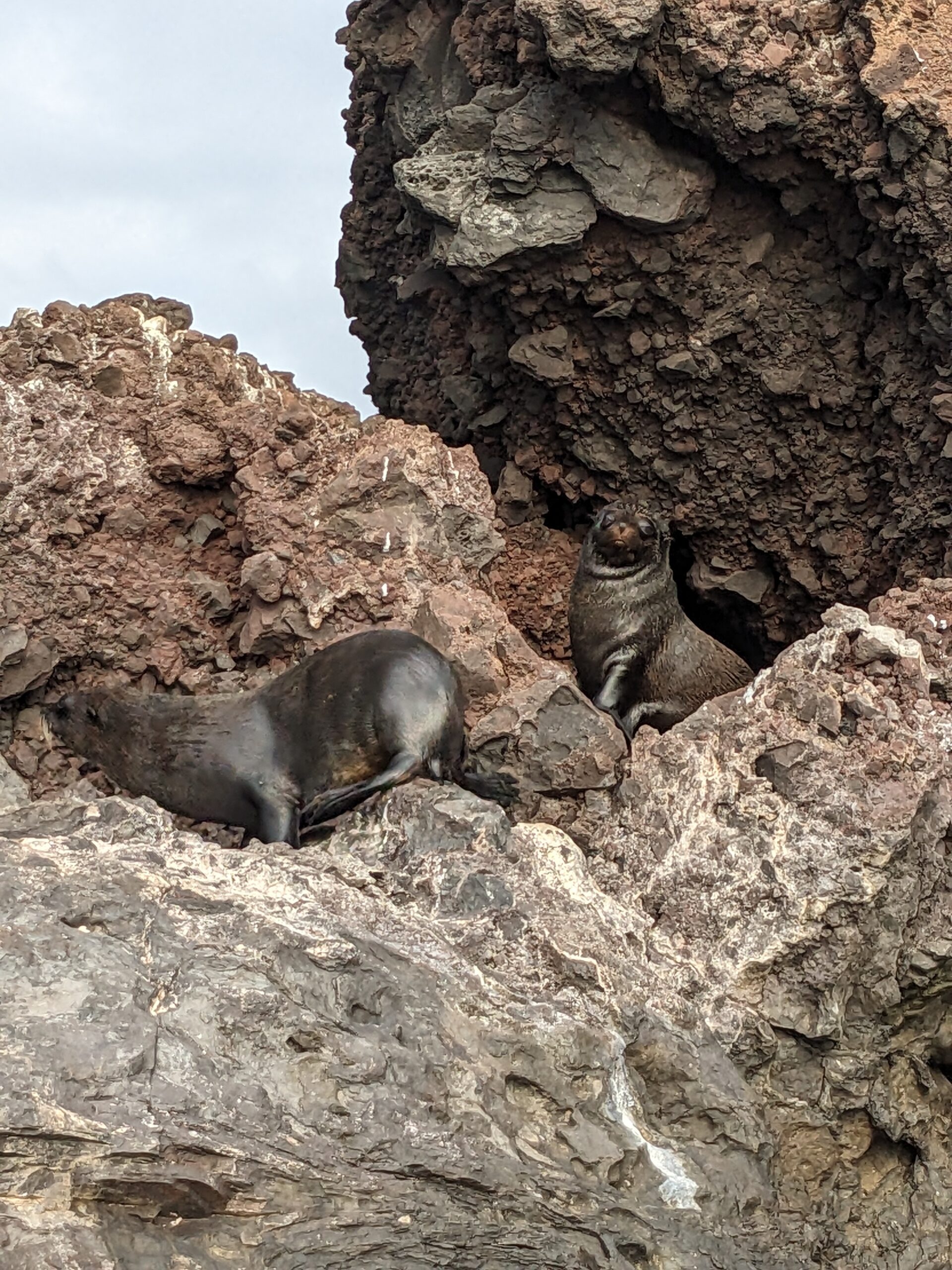
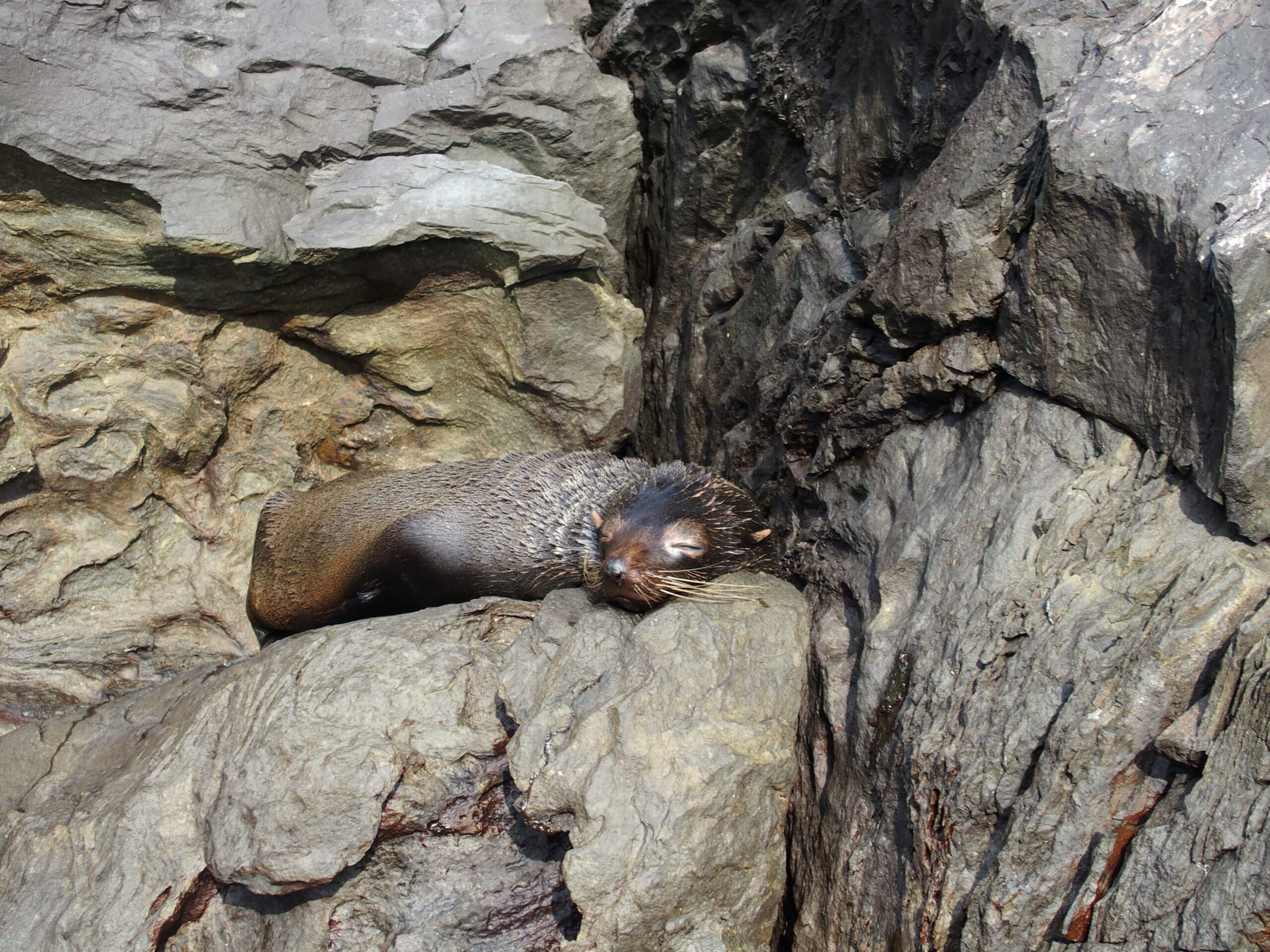
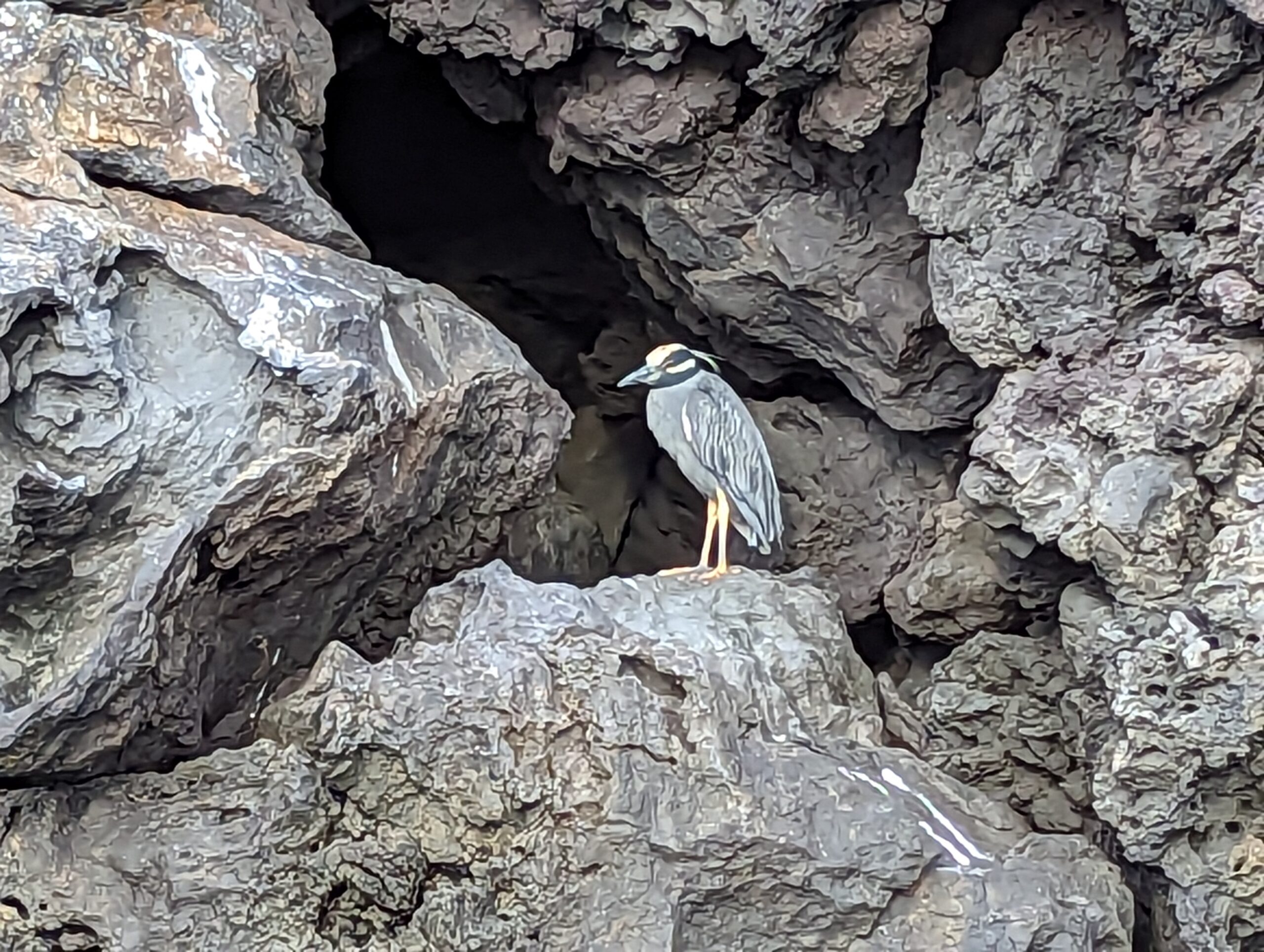
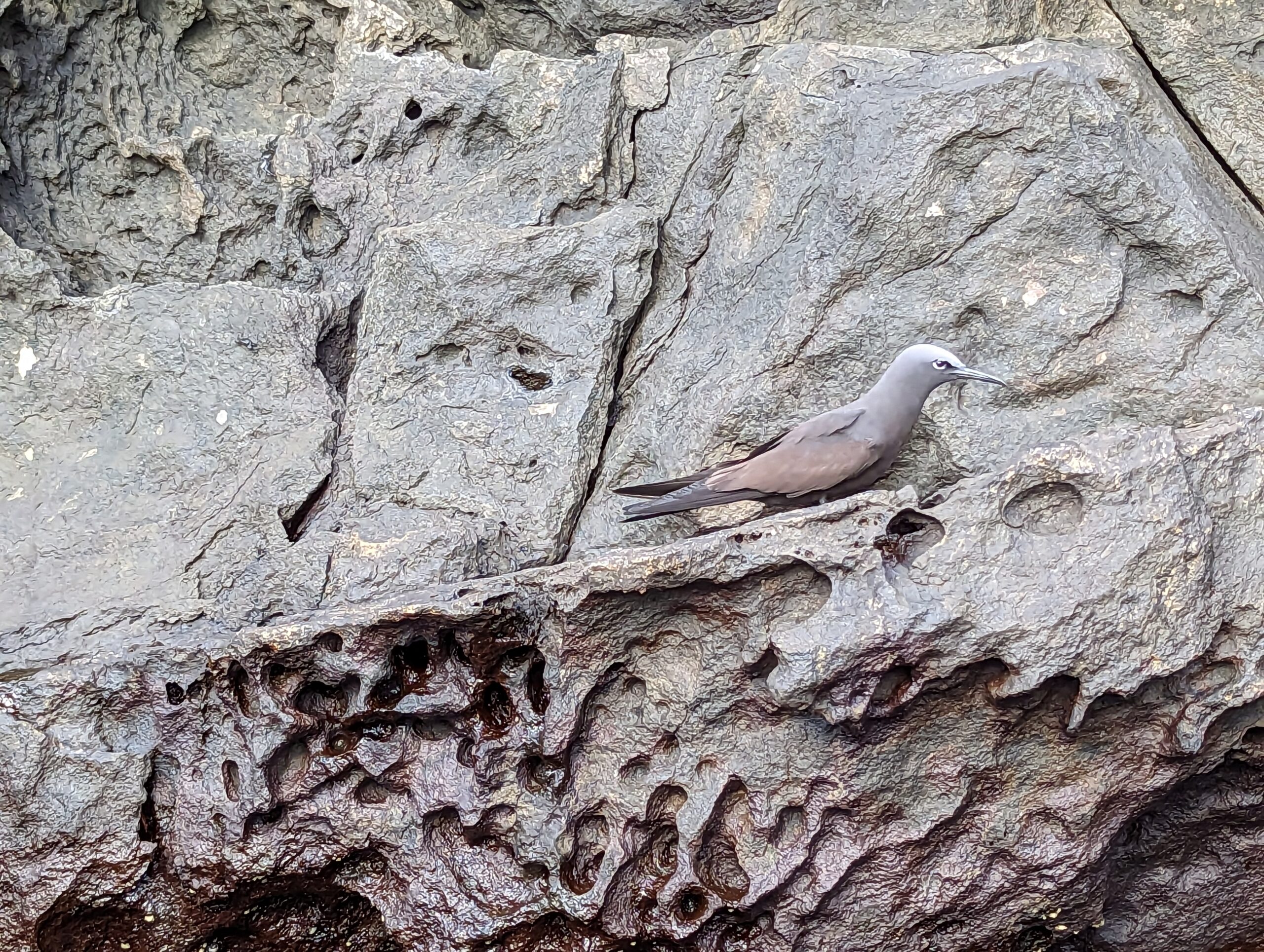
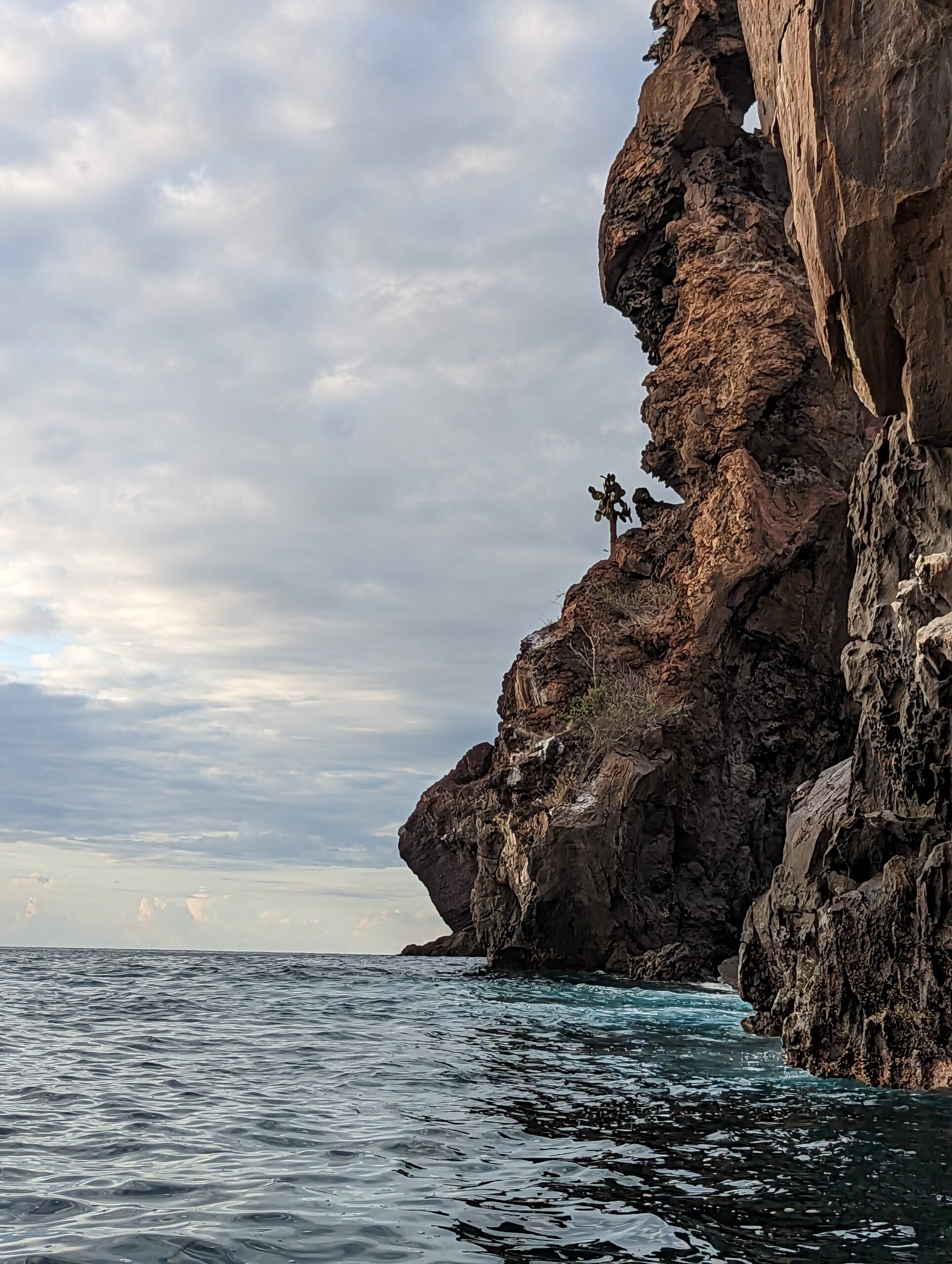
Isabela / Fernandina
Last day before sailing home.
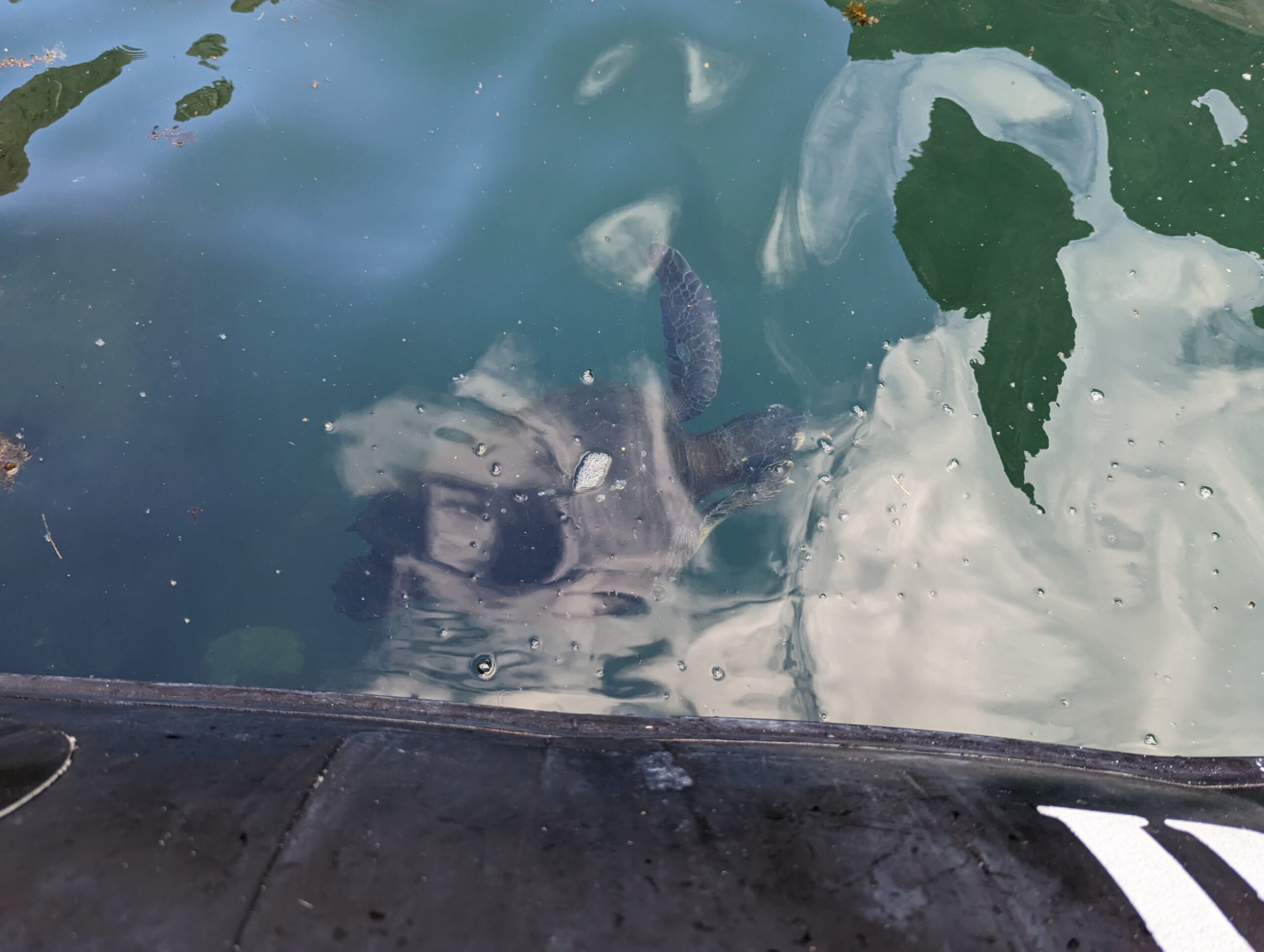
The day began by taking a zodiac around Punta Vincente on Isabela to see the wildlife. More boobies (I am a 12-year-old boy at heart and enjoy saying that), the flightless Galapagos cormorant and the equally flightless Galapagos penguins. A sea turtle approached for a closer view.
It was also the coldest of waters for snorkeling. A couple days ago, it was like bath water. I was surprised how bracing it was today – took my breath away. But an amazing day in the seas: there were penguins, curious sea turtles, and a very disinterested whitetip reef shark. The sea turtles did not read the memo that we are not to be in close proximity together, so I had to keep moving to get away from it. Again, no waterproof cameras …alas.
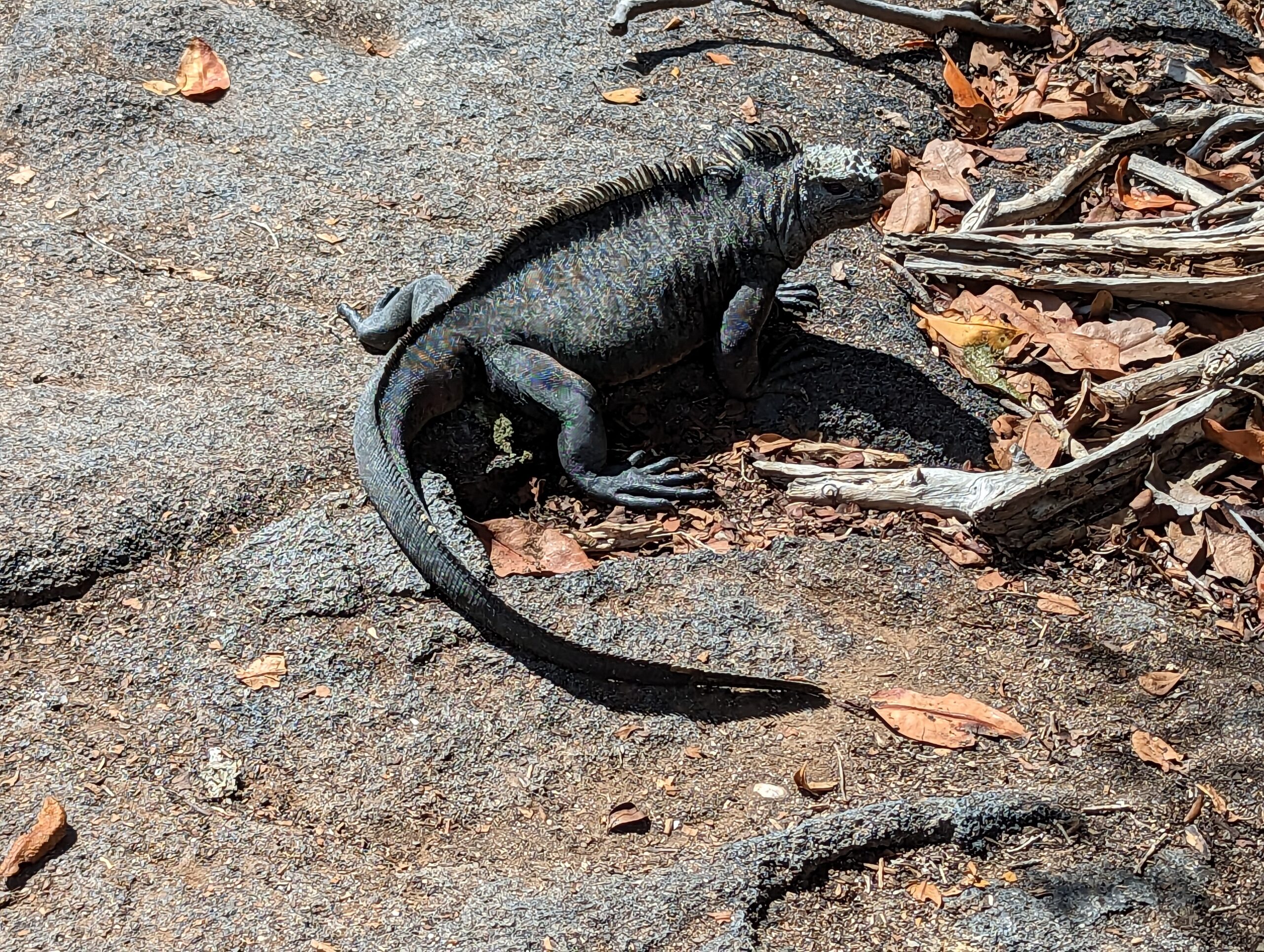
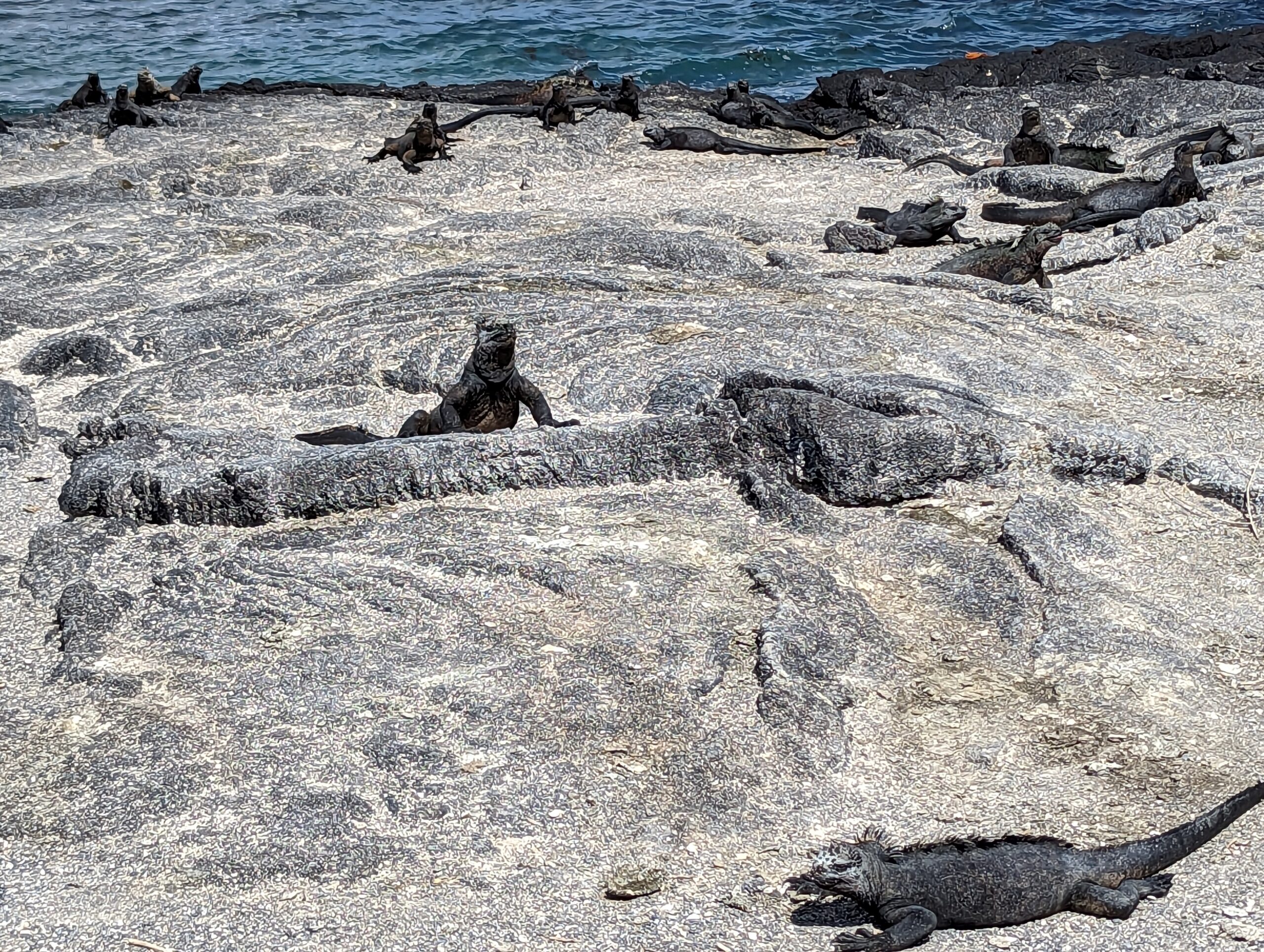
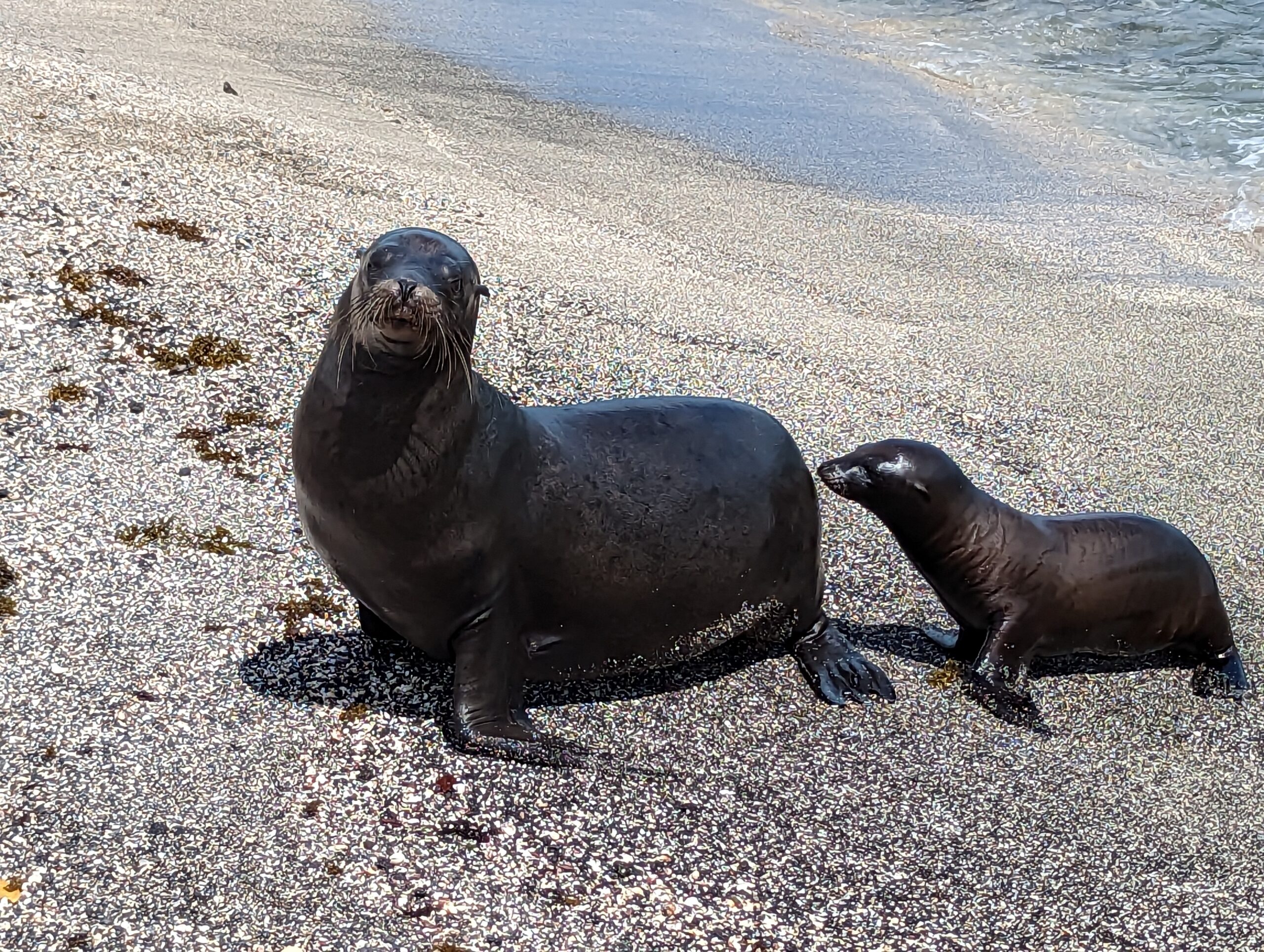
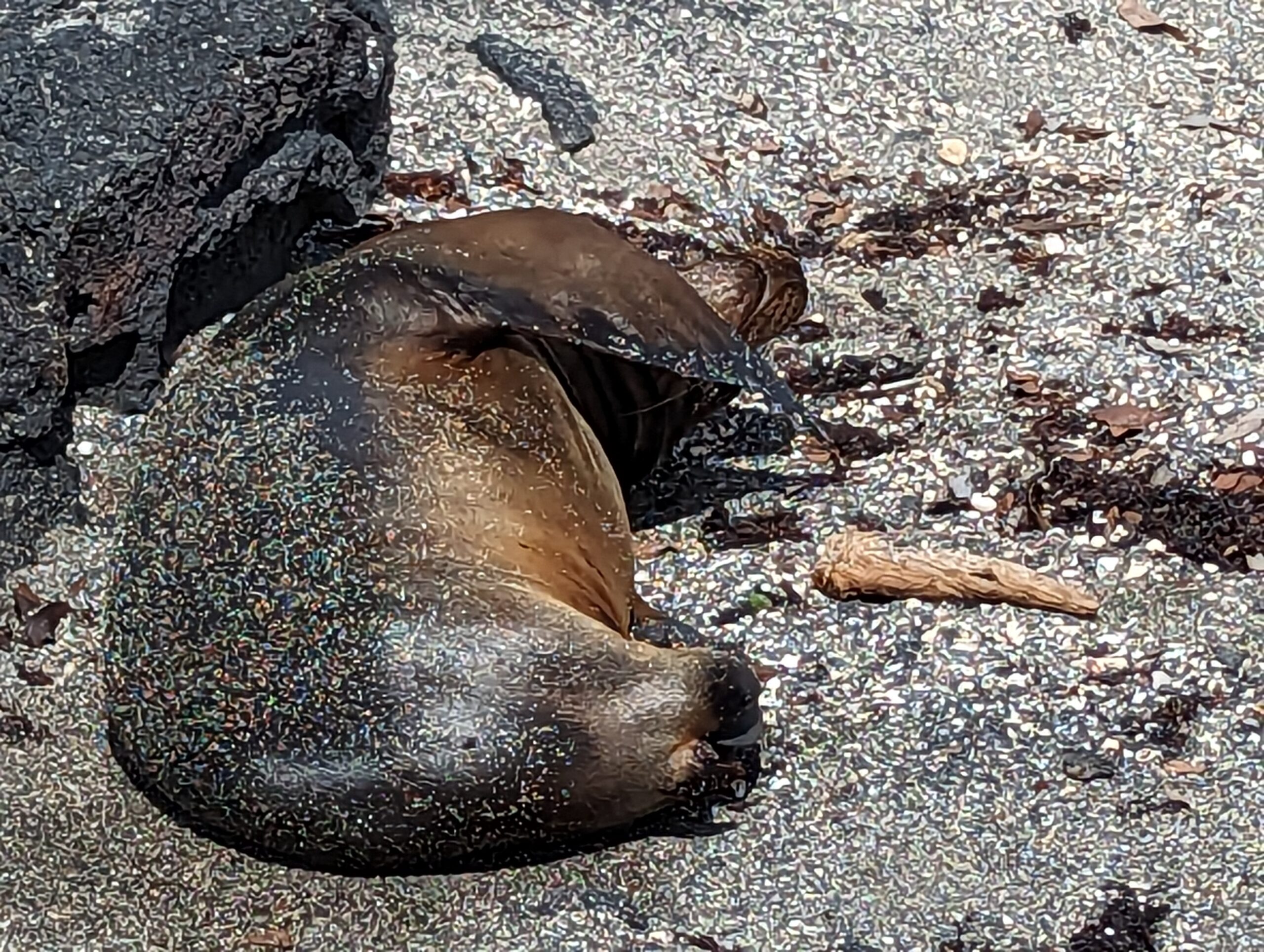
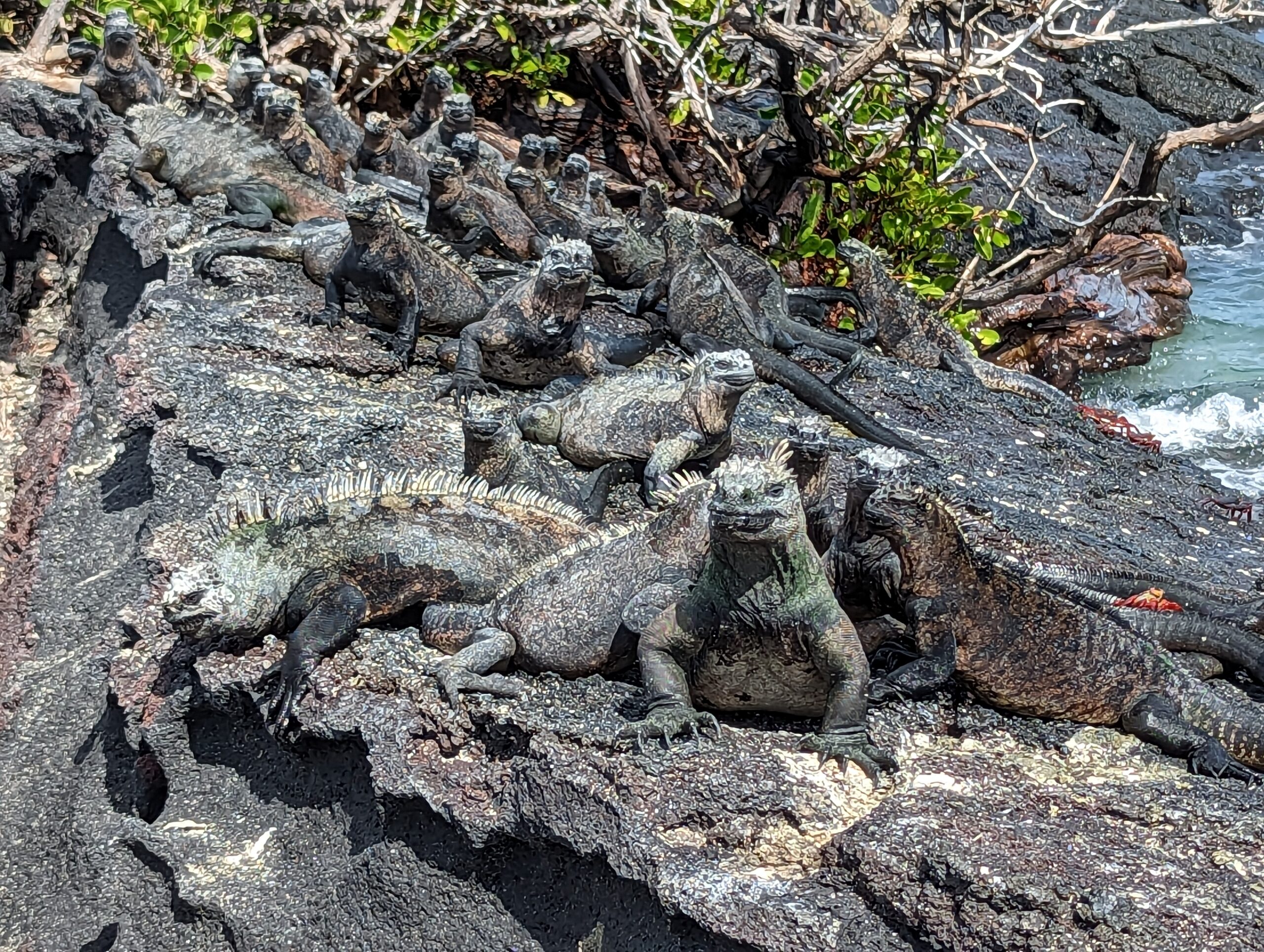
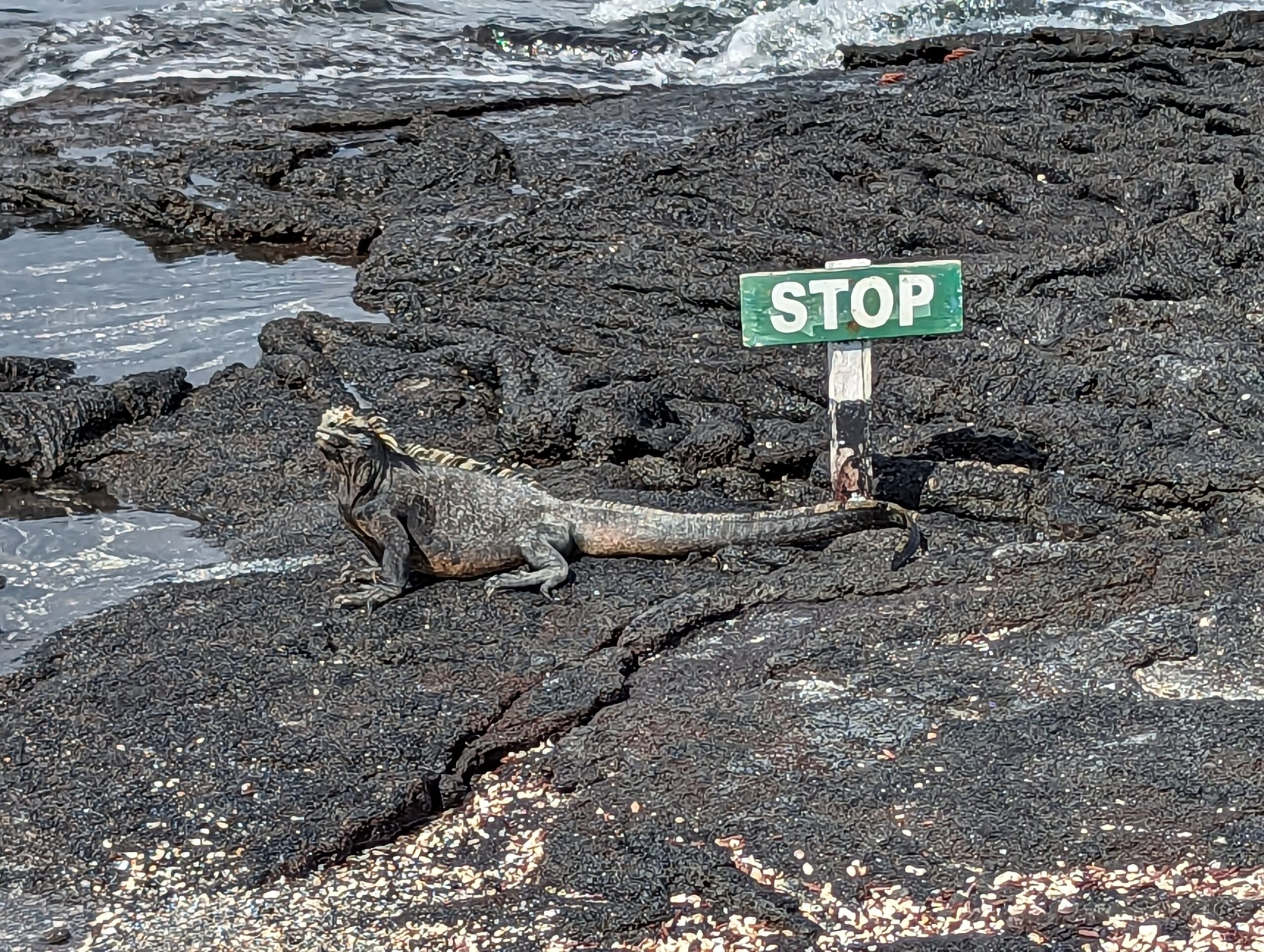
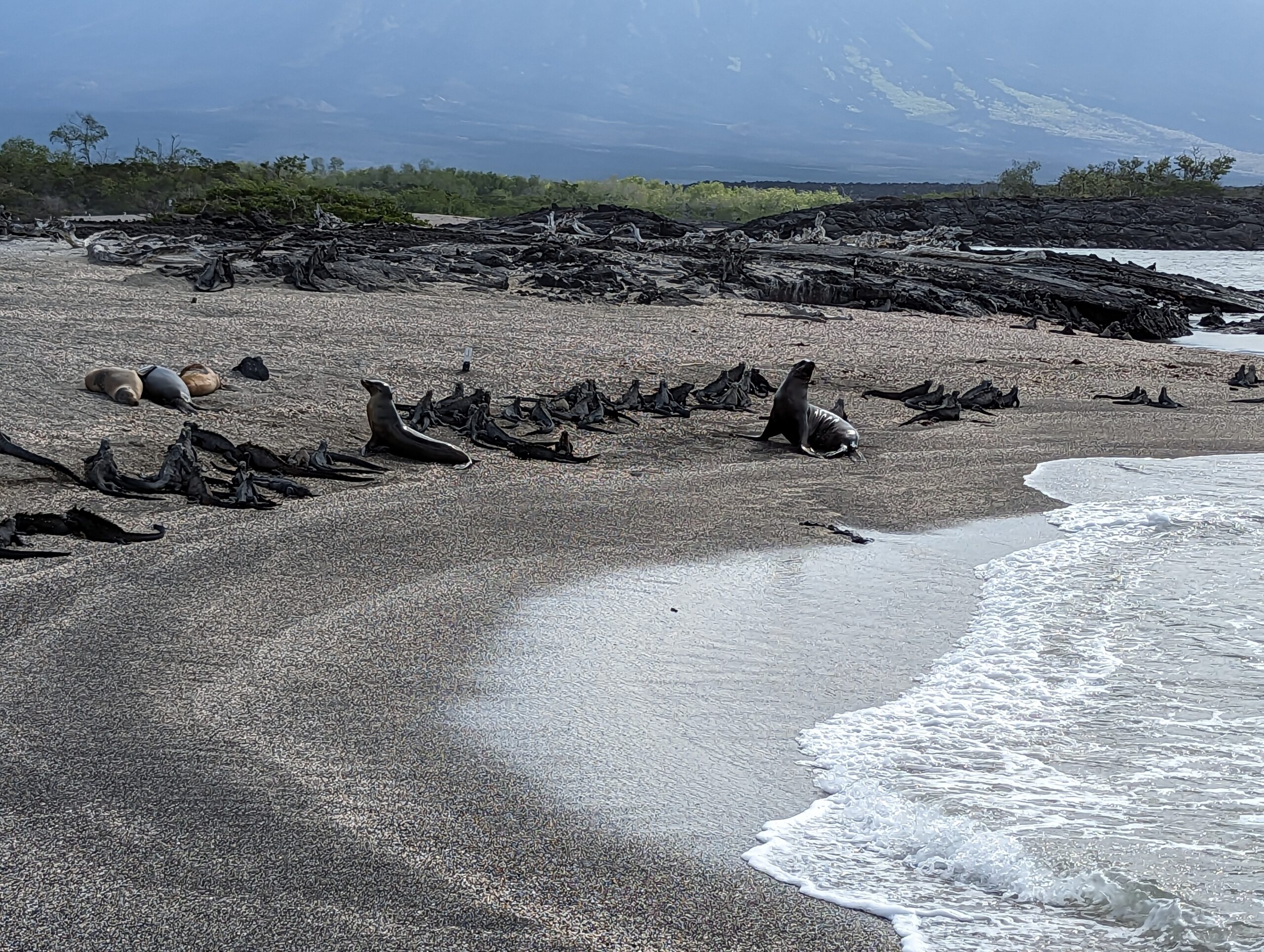
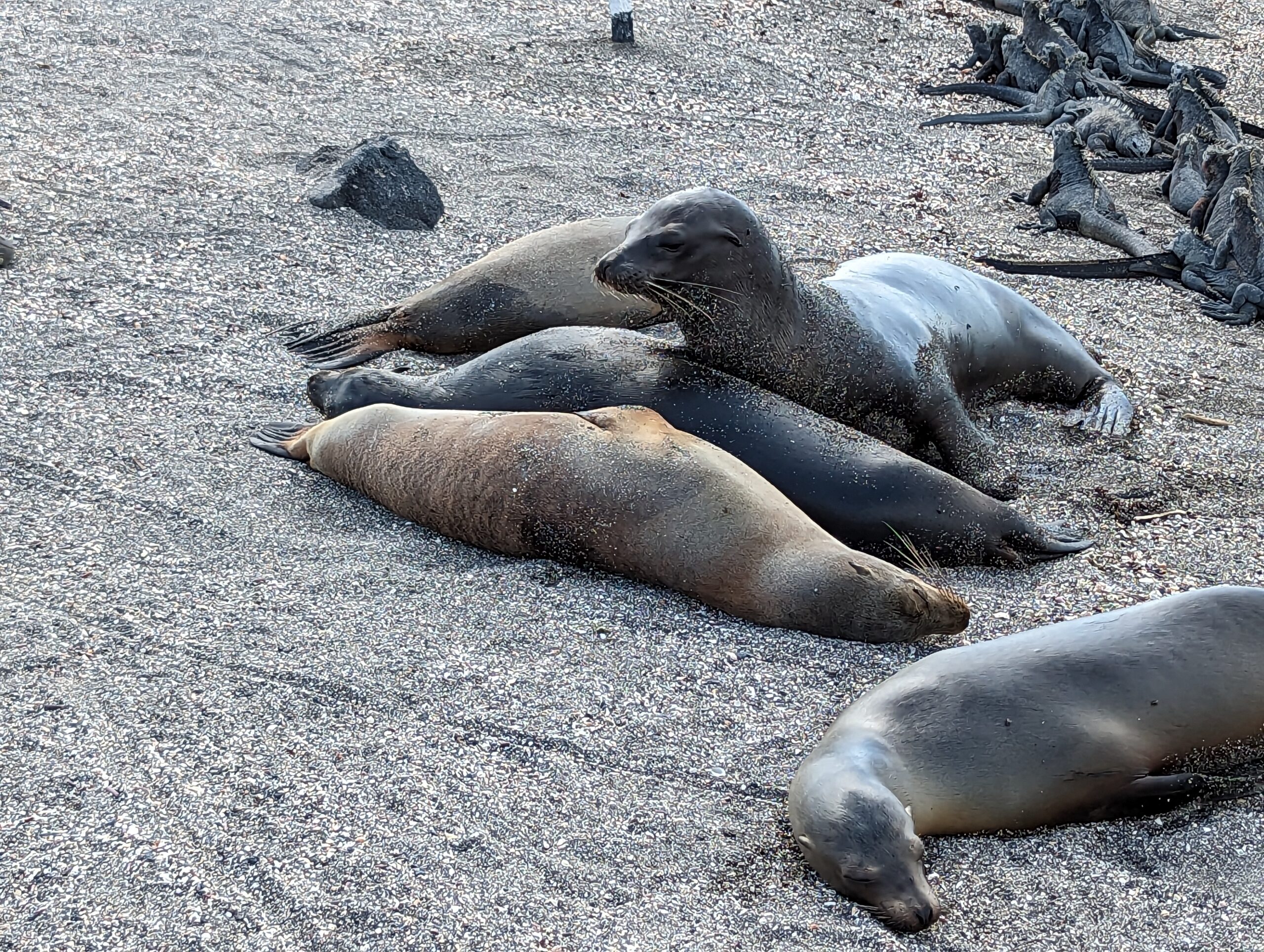
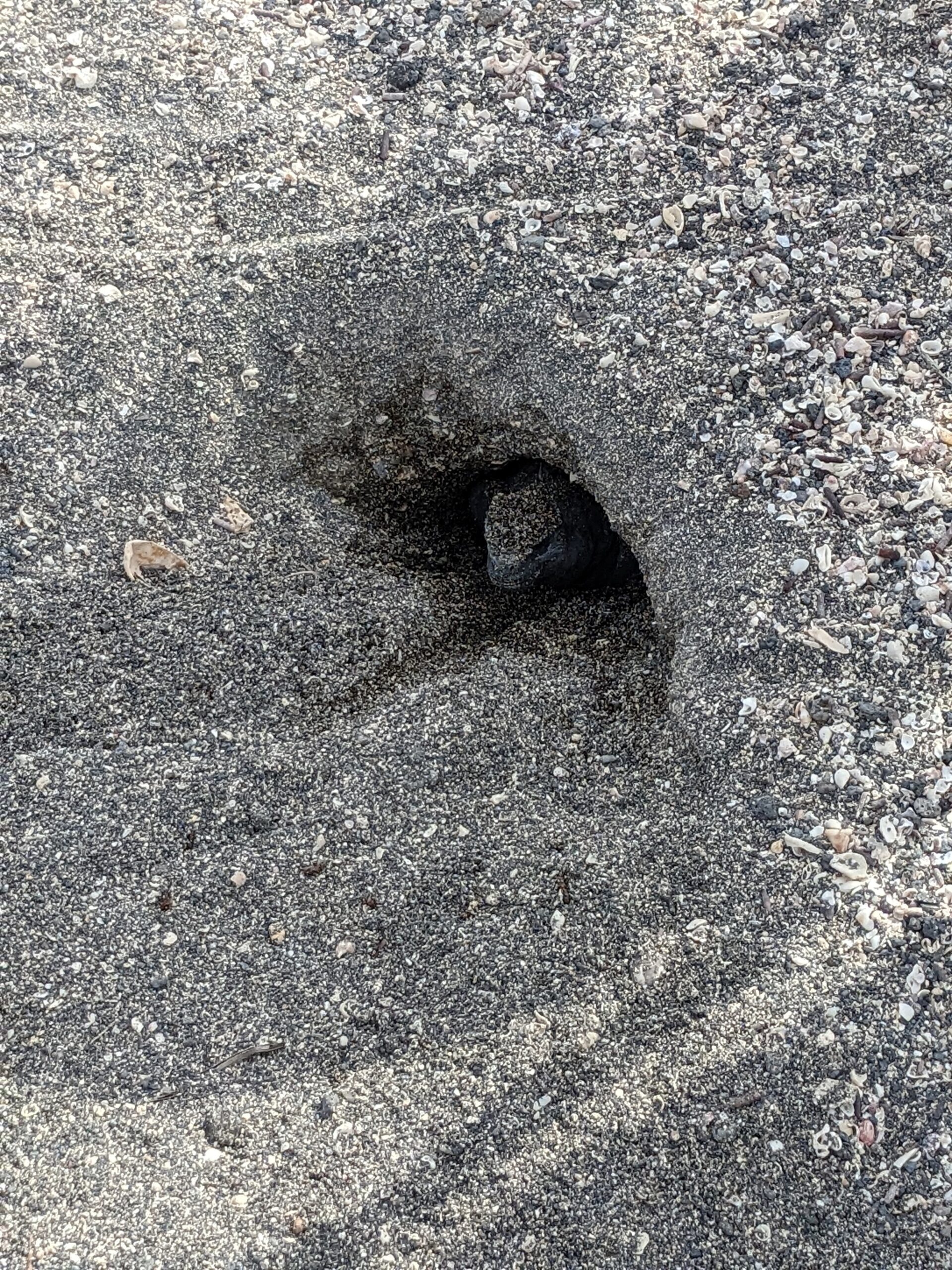
We landed by zodiac on Fernandina on a spit of land called Punta Espinoza. LOADS of marine iguanas just hanging out and doing their iguana things. Many were in little burrows, eyeing us with suspicion. There was an isthmus of beach well-trafficked by Galapagos sea lions going from one section of water to the other. Most of the them sunned themselves, happily free from predators. Every so often, a juvenile would pretend to act aggressive safe in the umbrella of its parents protection. That just meant we had to step further away from the little punks.
Some recent incarnations of Godzilla are modeled on marine iguanas.
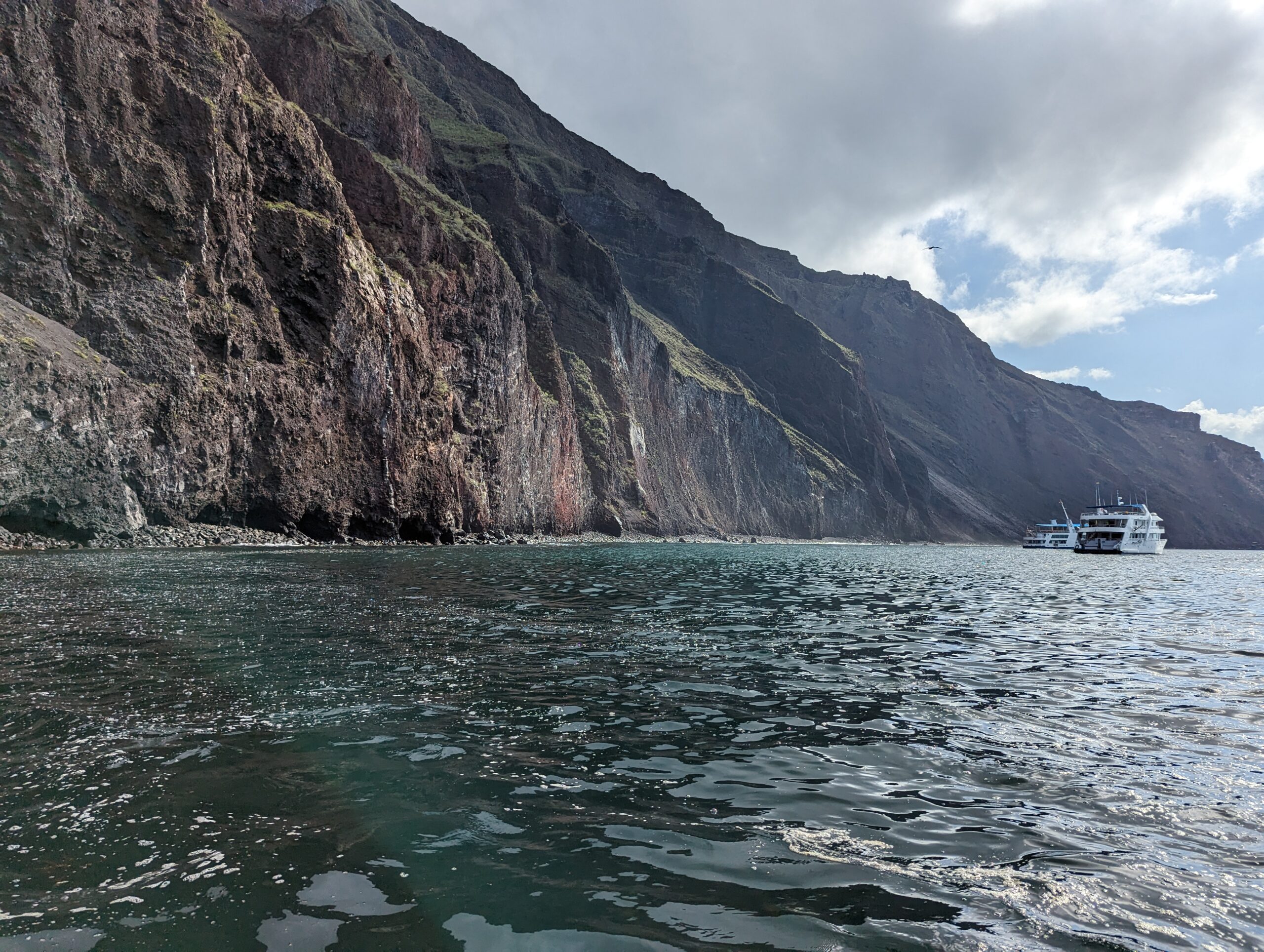
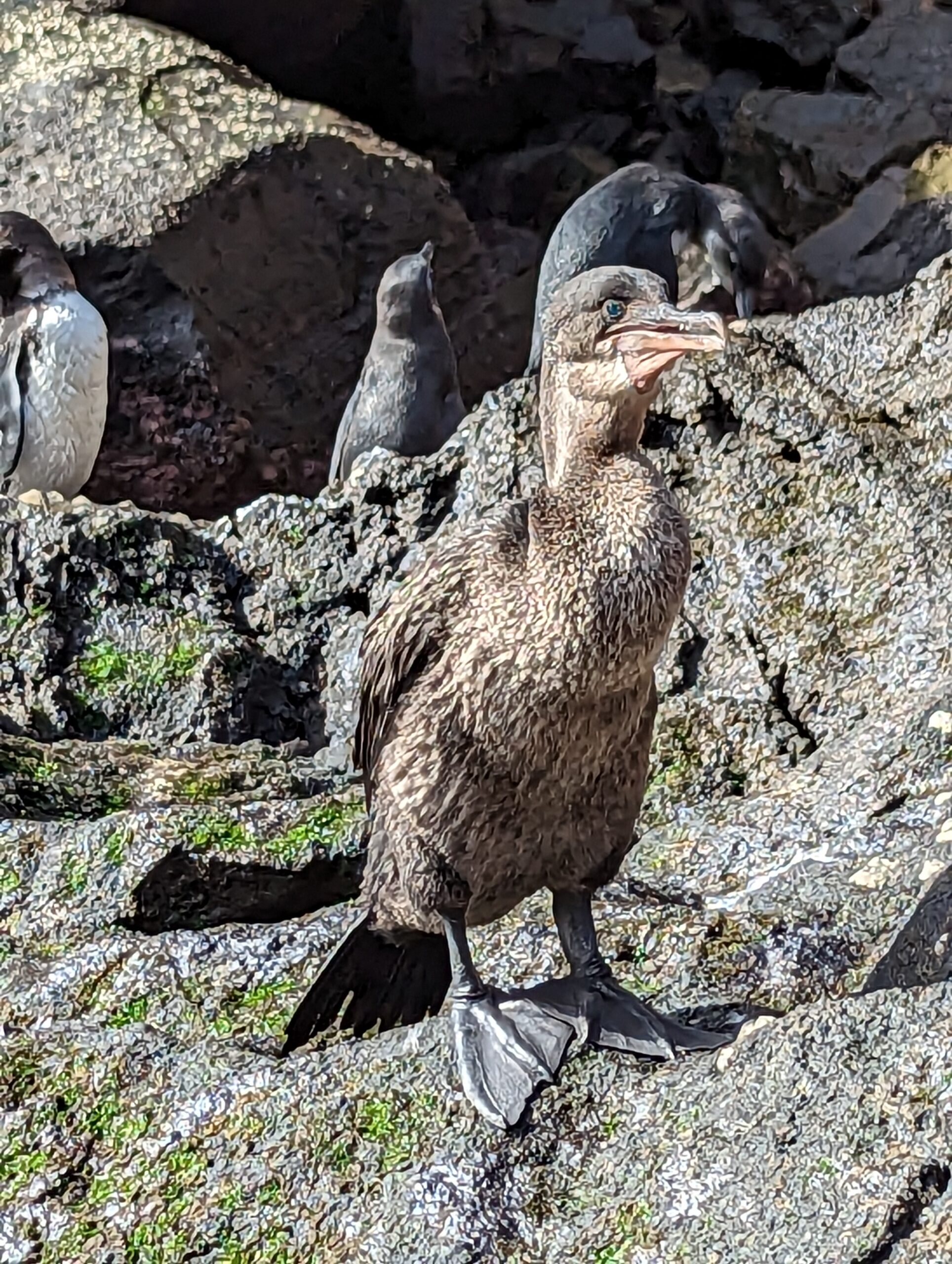
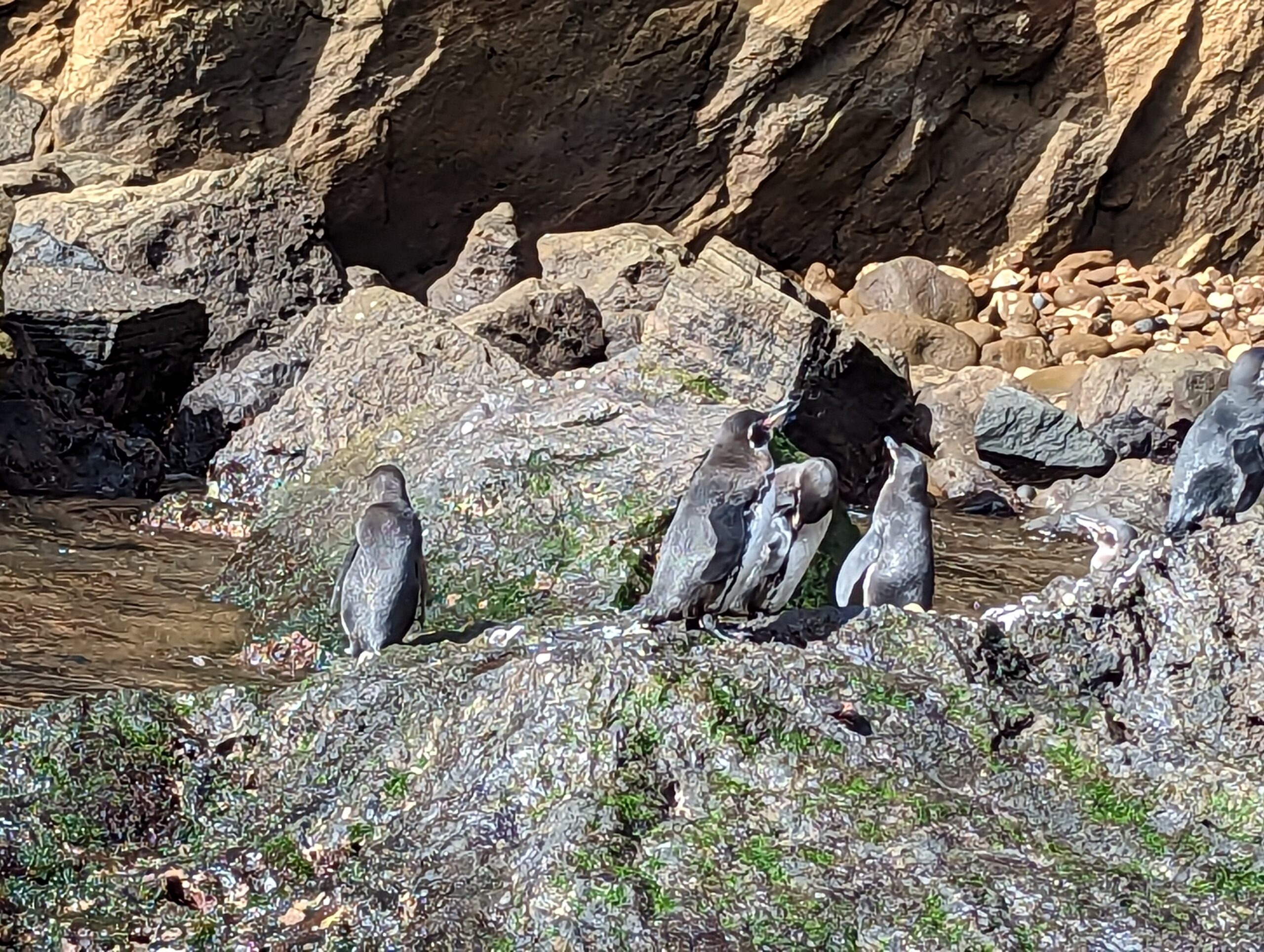
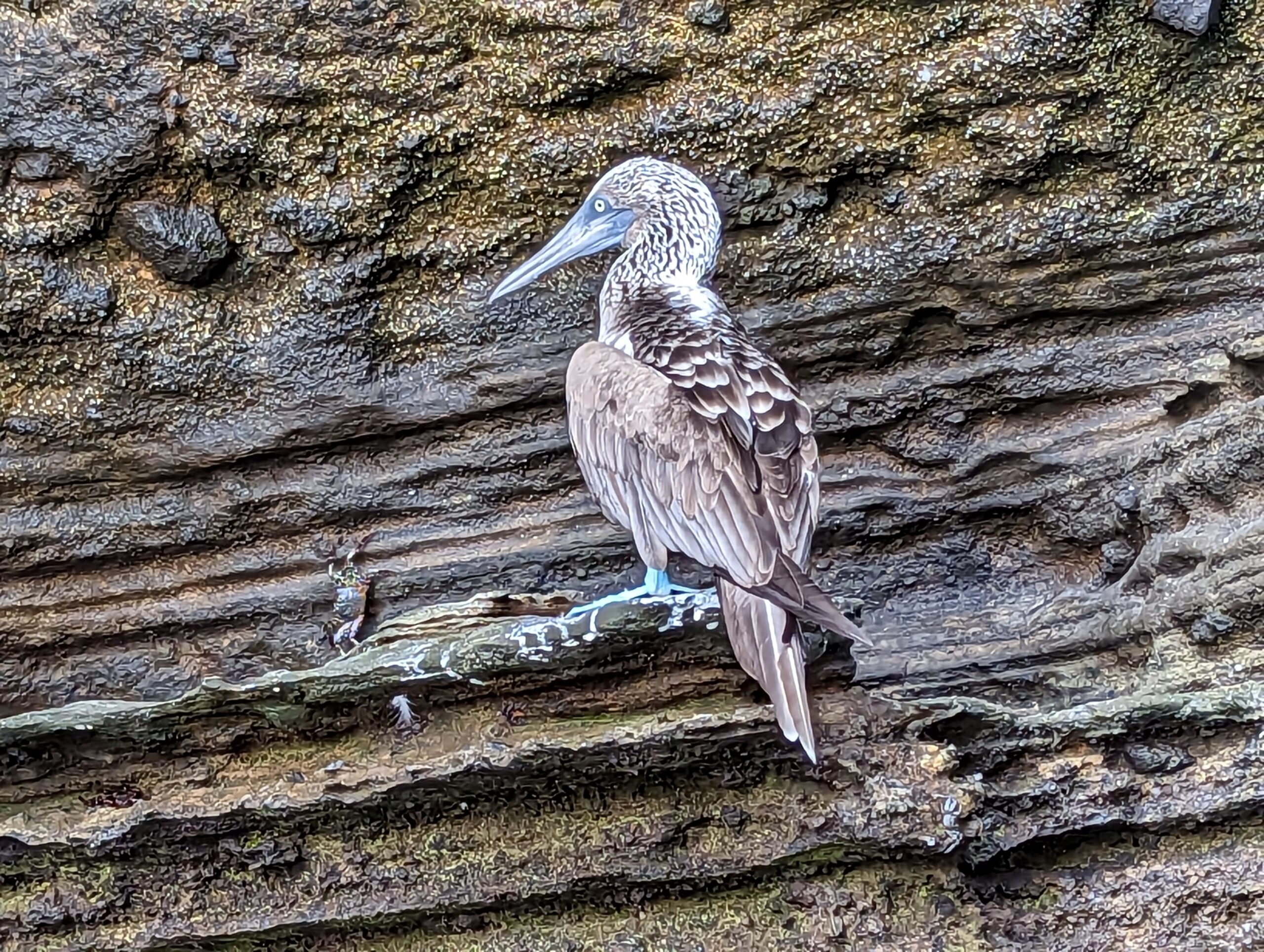
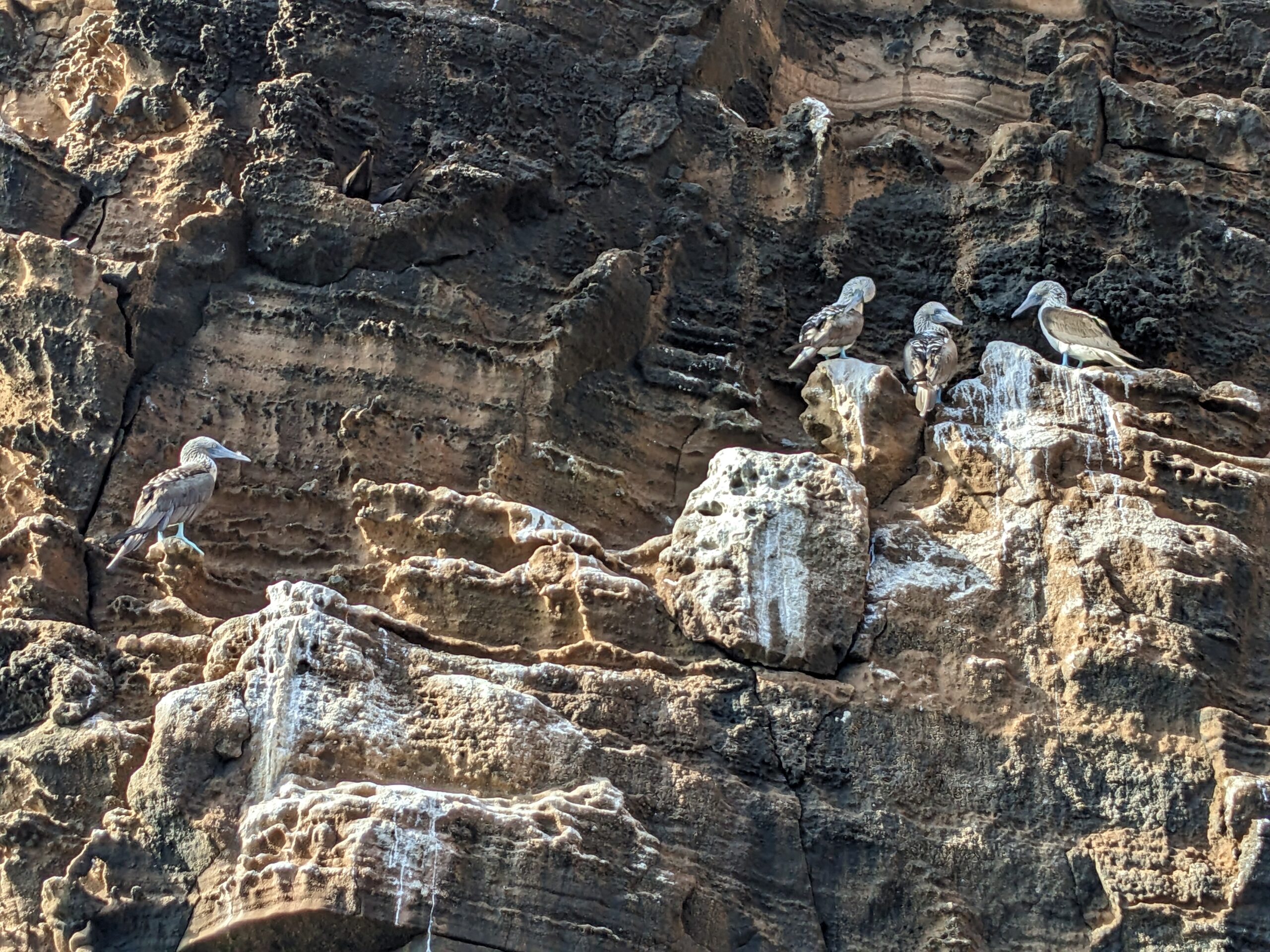
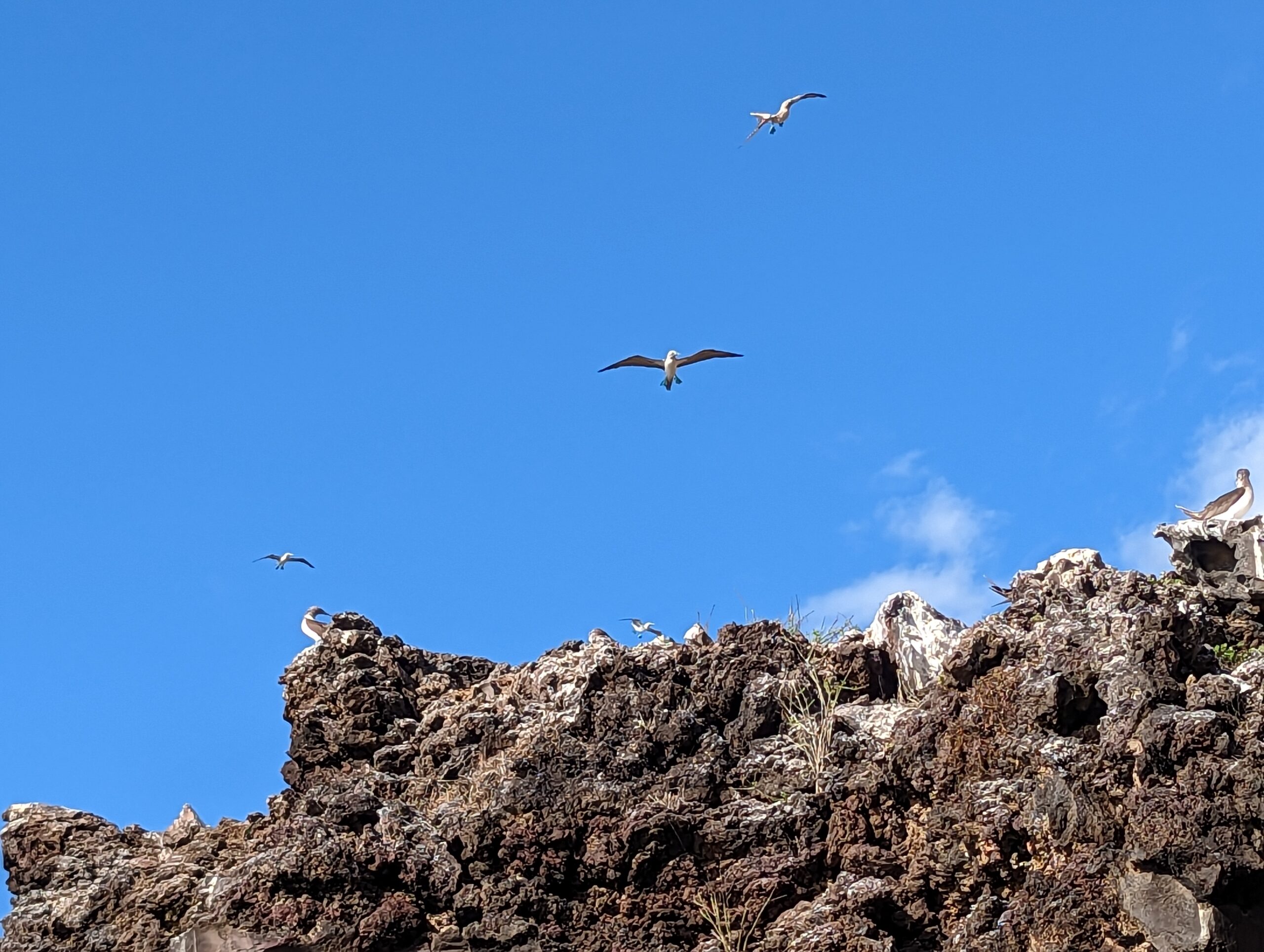
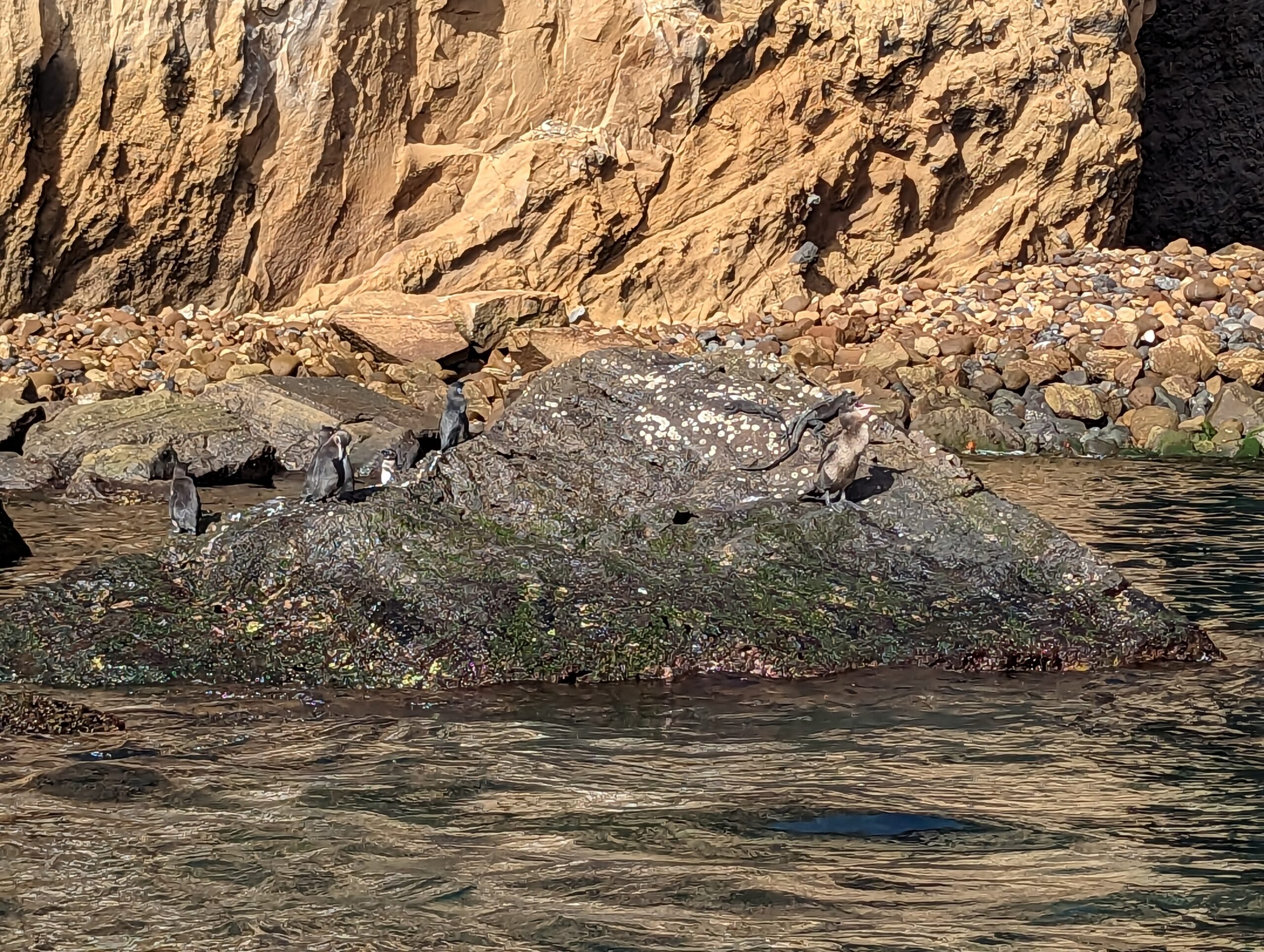
Big 15
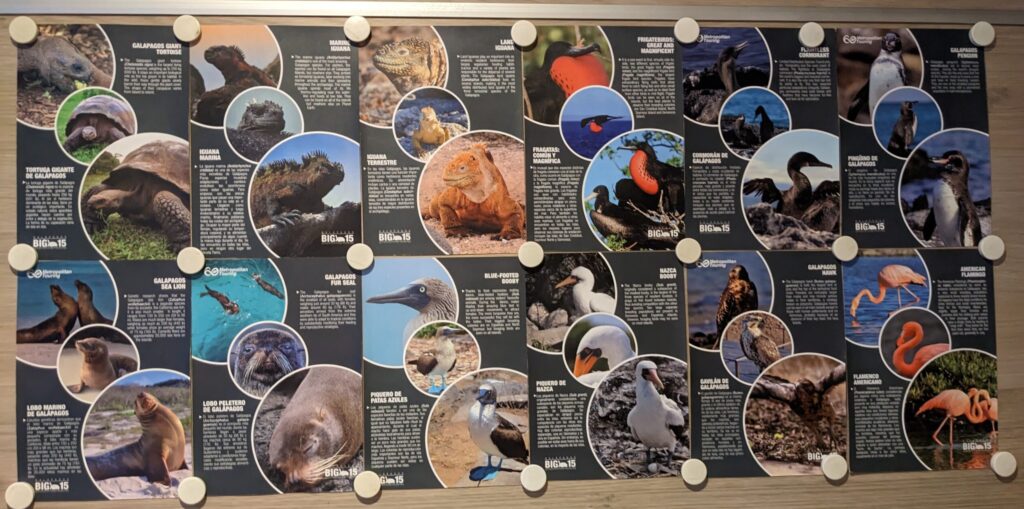
Much like Africa has its Big Five wildlife must-sees (elephant, Cape buffalo, leopard, rhinoceros, and yeti), the Galapagos has its Big 15. Some of these critters are indigenous to specific islands that we did not make it to, but we did rather well. By my count, we saw 11 but I may have missed one.
| wdt_ID | wdt_created_by | wdt_created_at | wdt_last_edited_by | wdt_last_edited_at | Animal | Status | Comment |
|---|---|---|---|---|---|---|---|
| 1 | foggadmin | 29/03/2026 15:44 | foggadmin | 29/03/2026 15:44 | Galapagos Giant Tortoise | Seen | Santa Cruz |
| 2 | foggadmin | 29/03/2026 15:45 | foggadmin | 29/03/2026 15:45 | Blue-footed Booby | Seen | Multiple islands |
| 3 | foggadmin | 29/03/2026 15:46 | foggadmin | 29/03/2026 15:46 | Red-footed Booby | ||
| 4 | foggadmin | 29/03/2026 15:49 | foggadmin | 29/03/2026 15:49 | Nazca Boobies | Seen | Bartolome Island |
| 5 | foggadmin | 29/03/2026 15:50 | foggadmin | 29/03/2026 15:50 | Land Iguana | Seen | Multiple islands |
| 6 | foggadmin | 29/03/2026 15:51 | foggadmin | 29/03/2026 15:51 | Santa Fe Land Iguana | Only on Santa Fe Island | |
| 7 | foggadmin | 29/03/2026 15:51 | foggadmin | 29/03/2026 15:51 | Marine Iguana | Seen | Multiple islands |
| 8 | foggadmin | 29/03/2026 15:51 | foggadmin | 29/03/2026 15:51 | Flightless Cormorant | Seen | Isabela Island |
| 9 | foggadmin | 29/03/2026 15:52 | foggadmin | 29/03/2026 15:52 | Galapagos Penguins | Seen | Isabela Island |
| 10 | foggadmin | 29/03/2026 15:52 | foggadmin | 29/03/2026 15:52 | Galapagos Sea Lion | Seen | Multiple islands |
| 11 | foggadmin | 29/03/2026 15:53 | foggadmin | 29/03/2026 15:53 | Galapagos Fur Seal | Seen | Multiple islands |
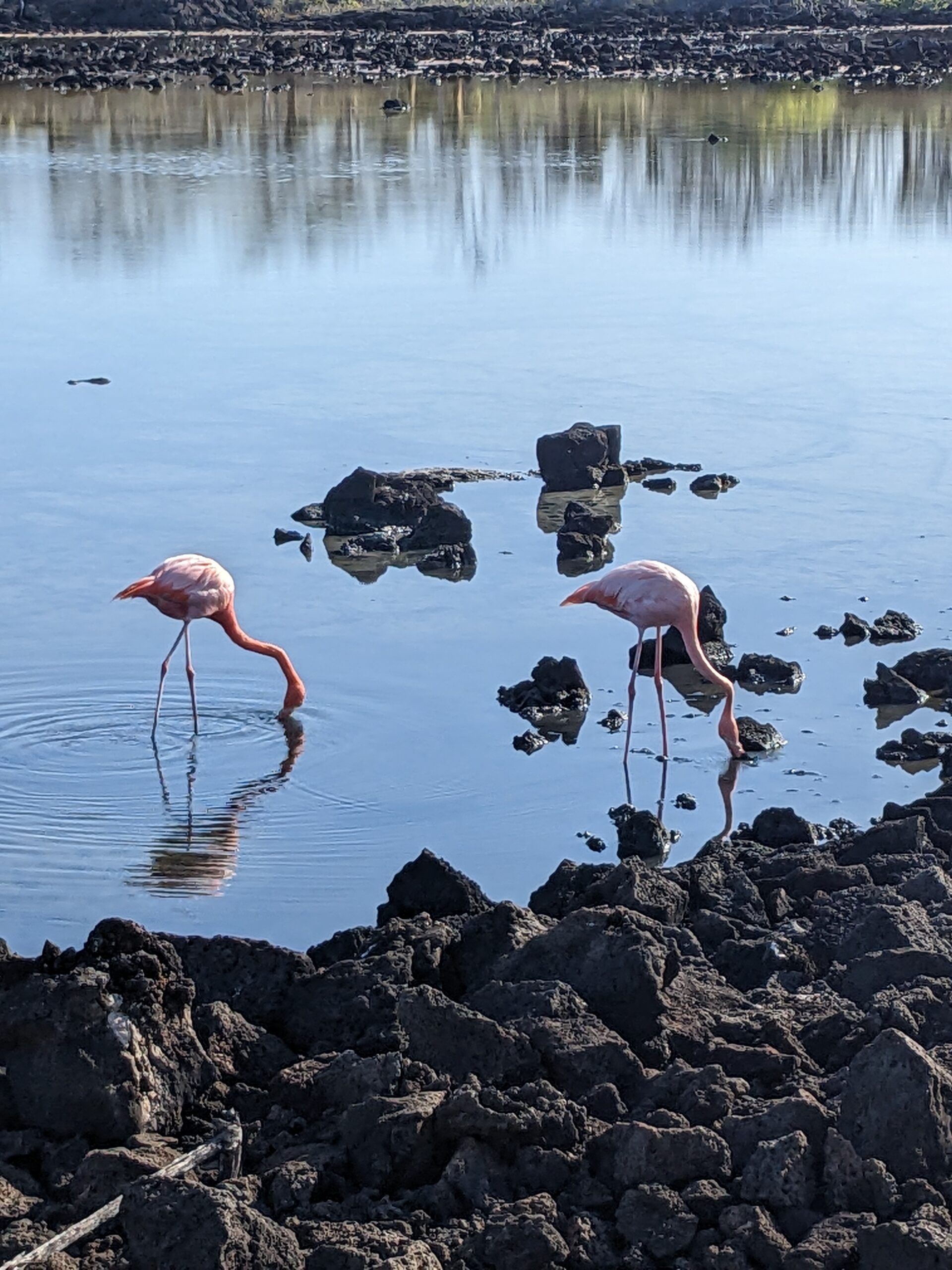
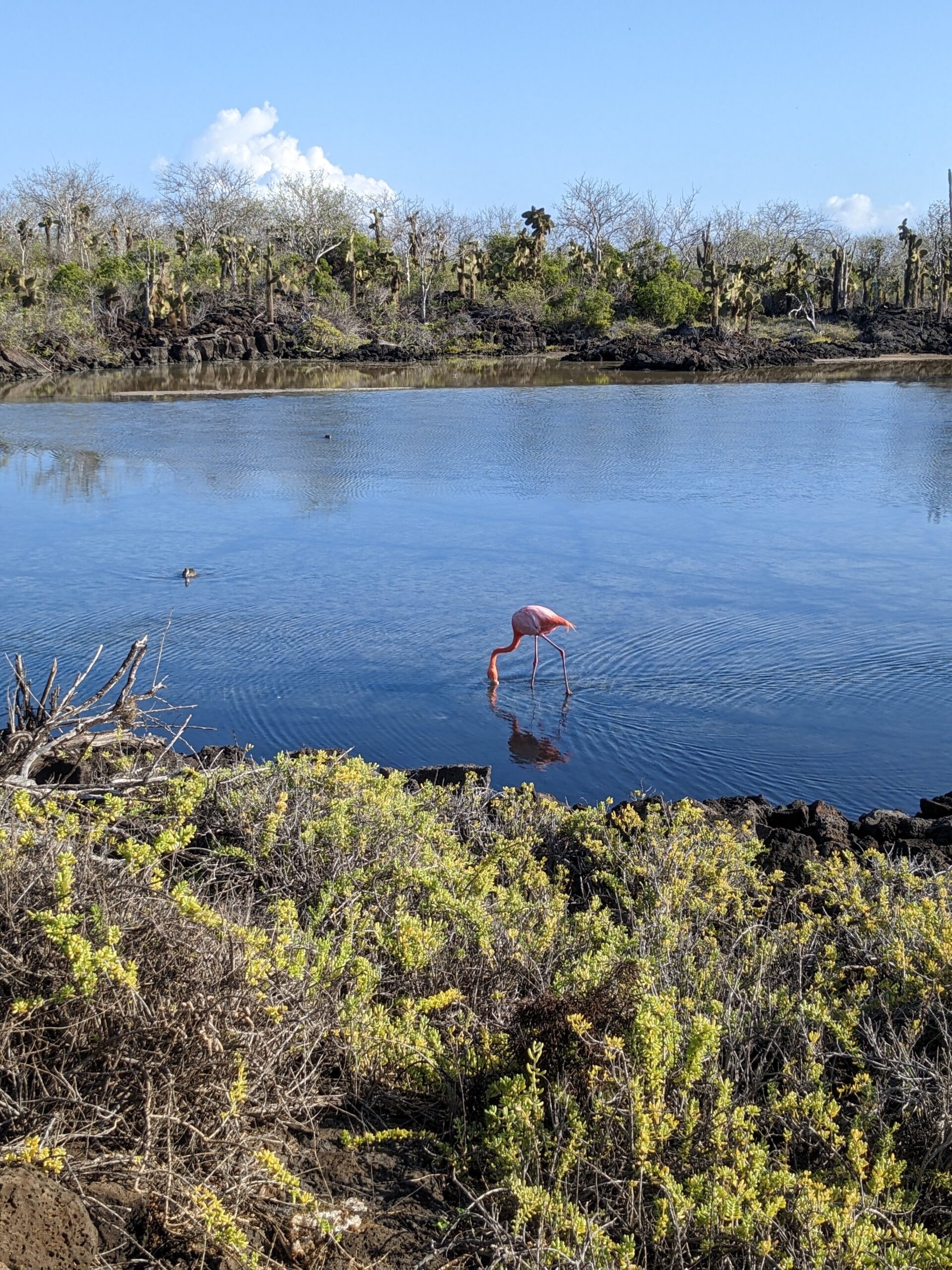
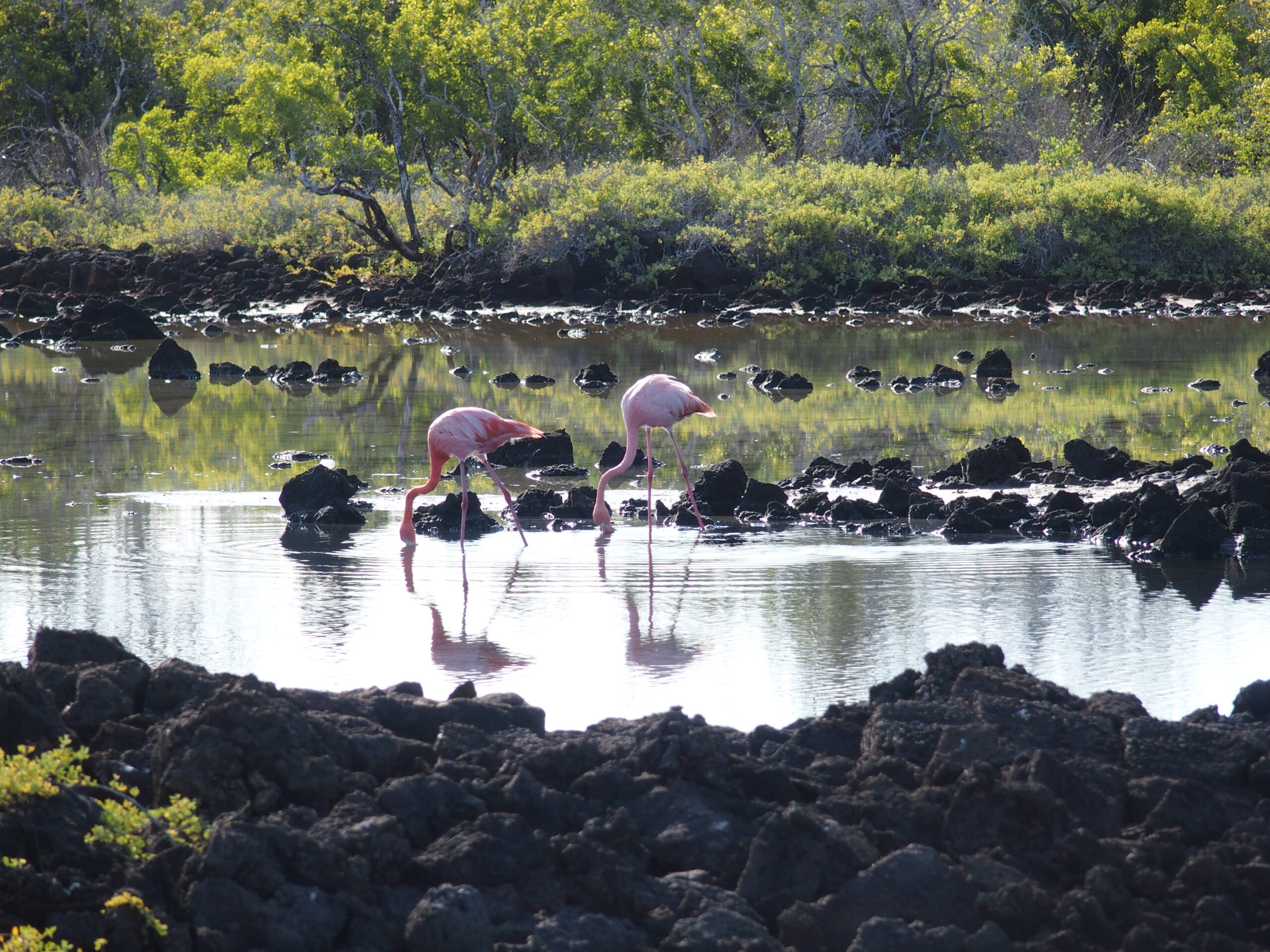
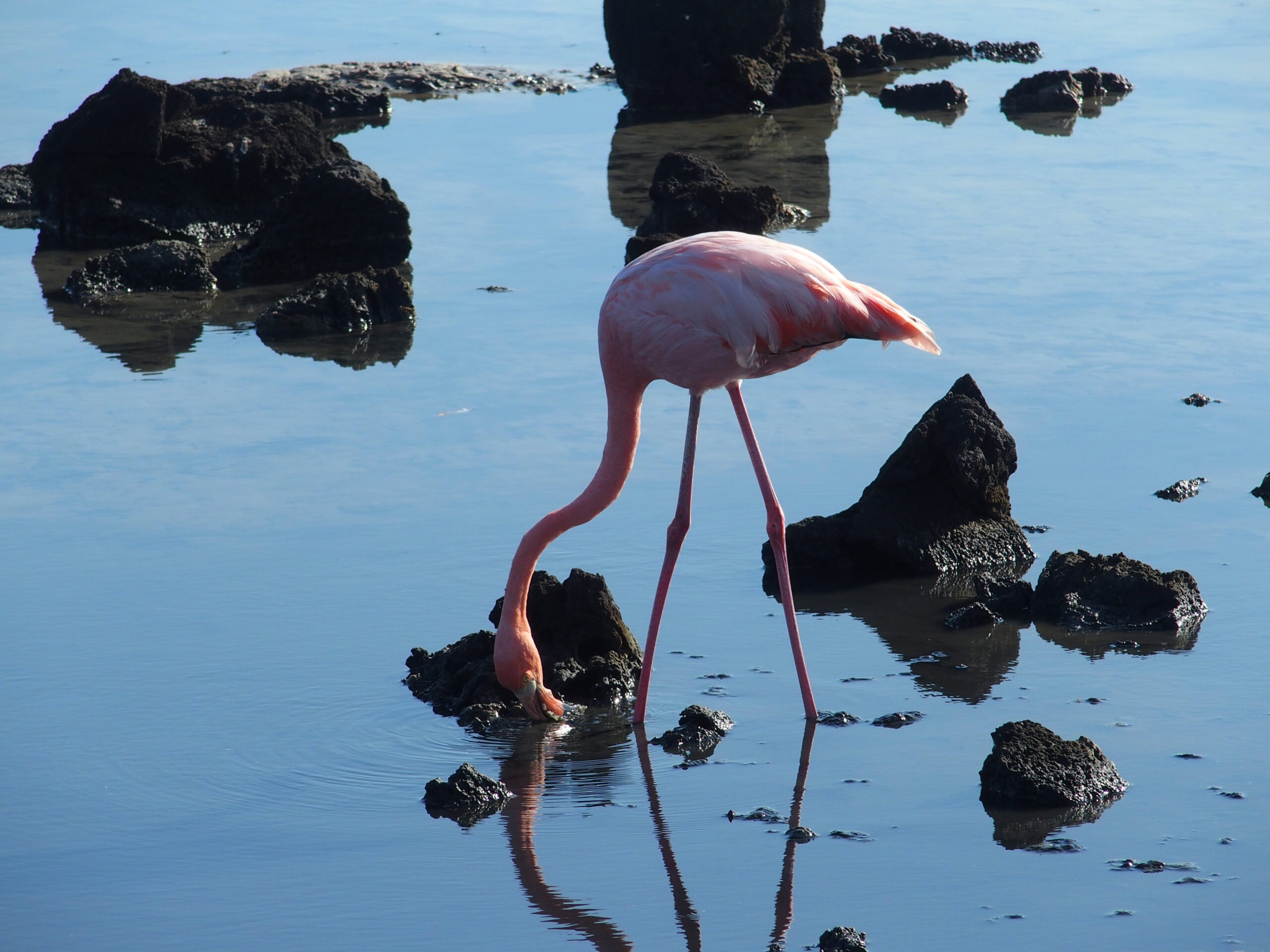
| 12 | foggadmin | 29/03/2026 15:53 | foggadmin | 29/03/2026 15:53 | American Flamingos | Seen | Santa Cruz |
| 13 | foggadmin | 29/03/2026 15:54 | foggadmin | 29/03/2026 15:54 | Galapagos Hawk | Seen | Multiple islands |
| 14 | foggadmin | 29/03/2026 15:54 | foggadmin | 29/03/2026 15:54 | Frigate Birds | ||
| 15 | foggadmin | 29/03/2026 15:55 | foggadmin | 29/03/2026 15:55 | Waved Albatross |
Epilogue
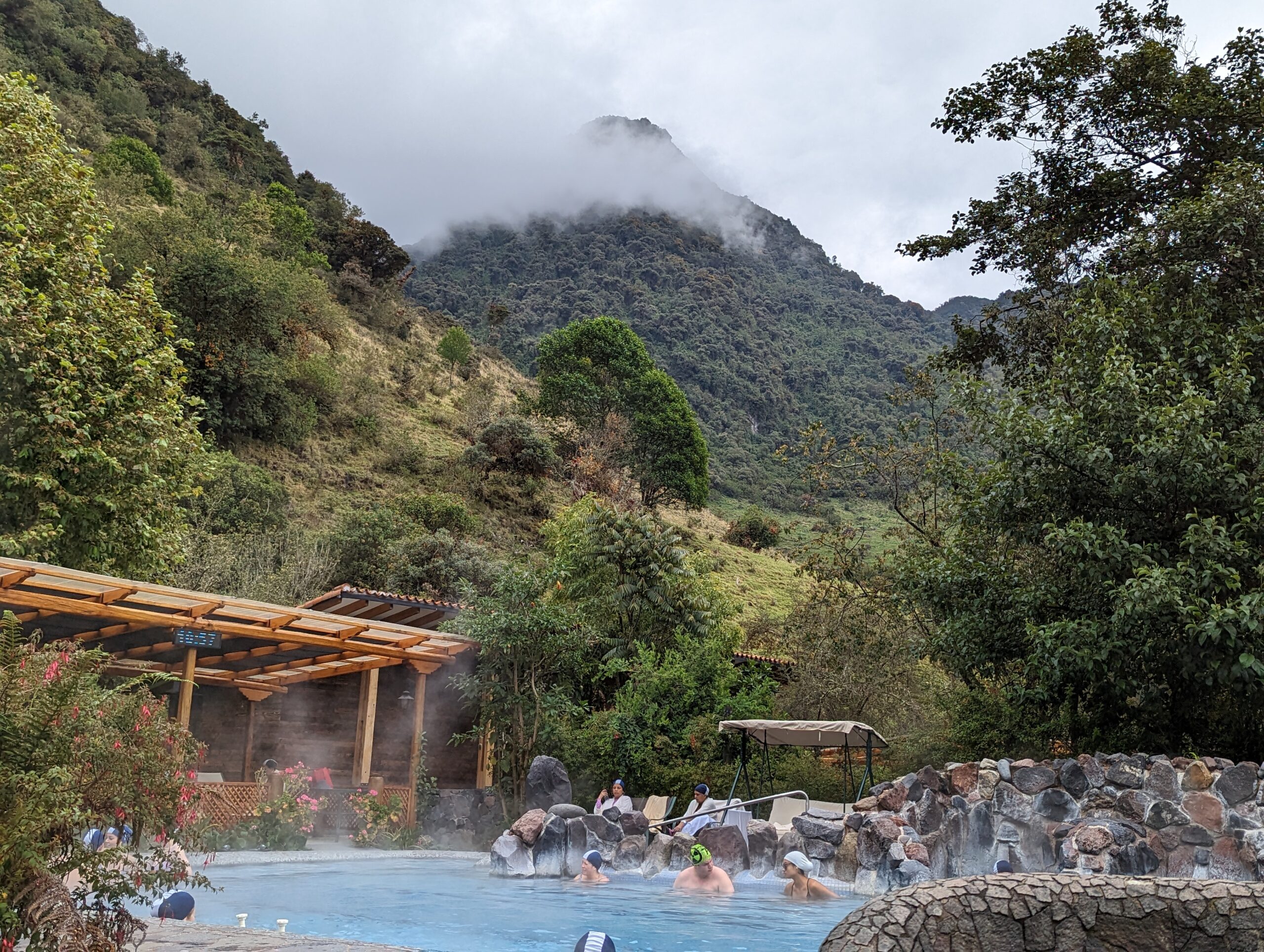
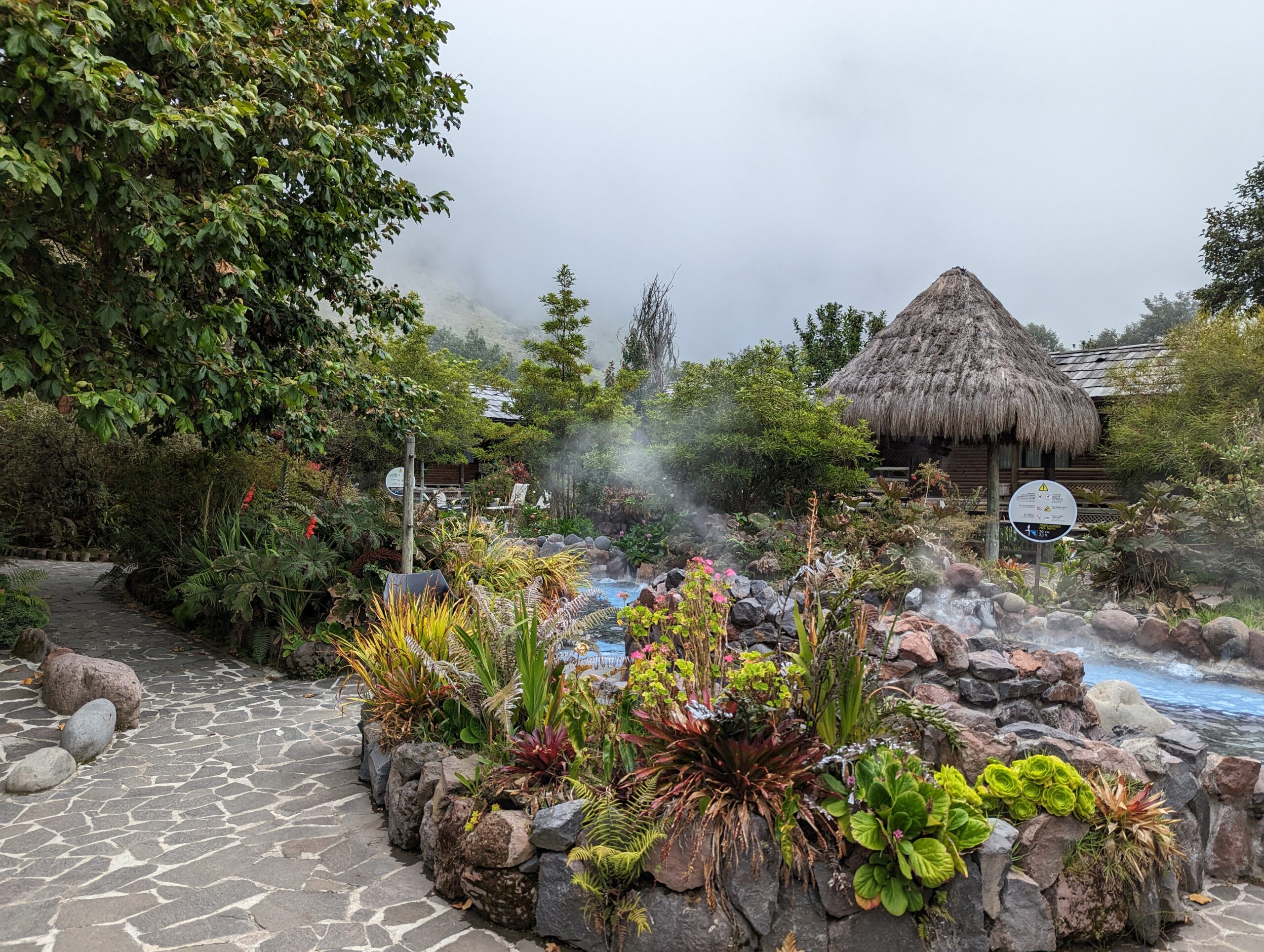
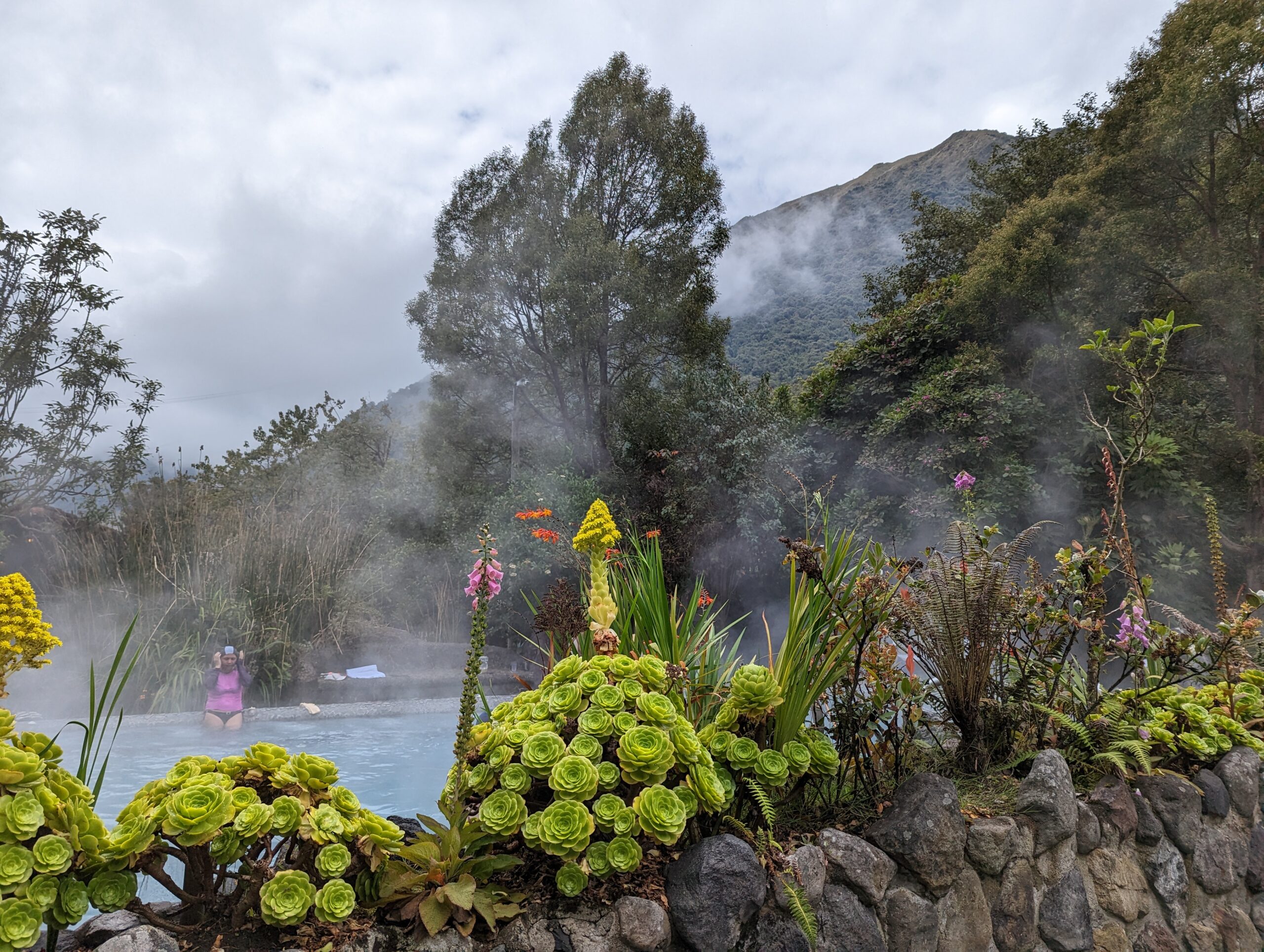
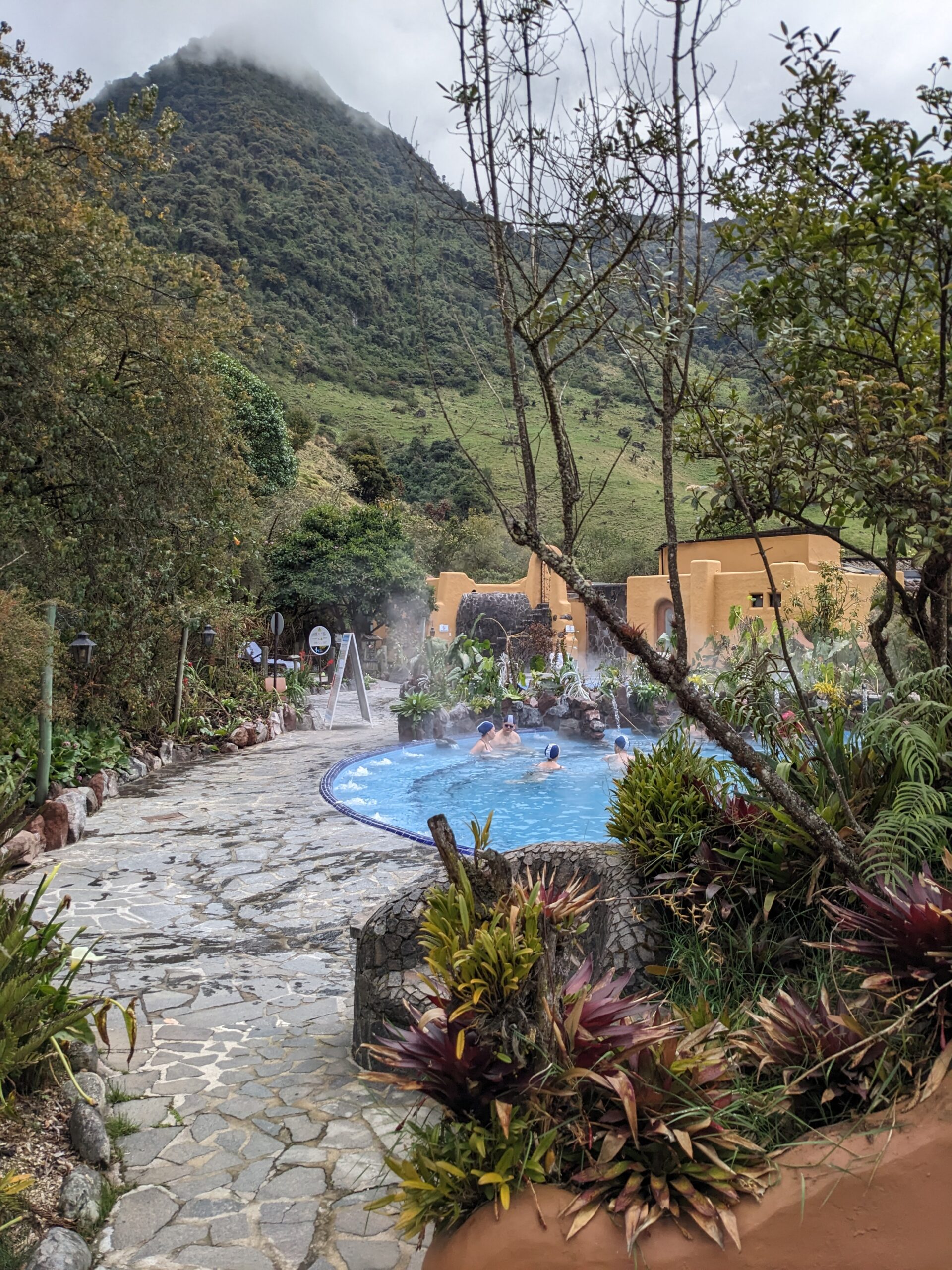
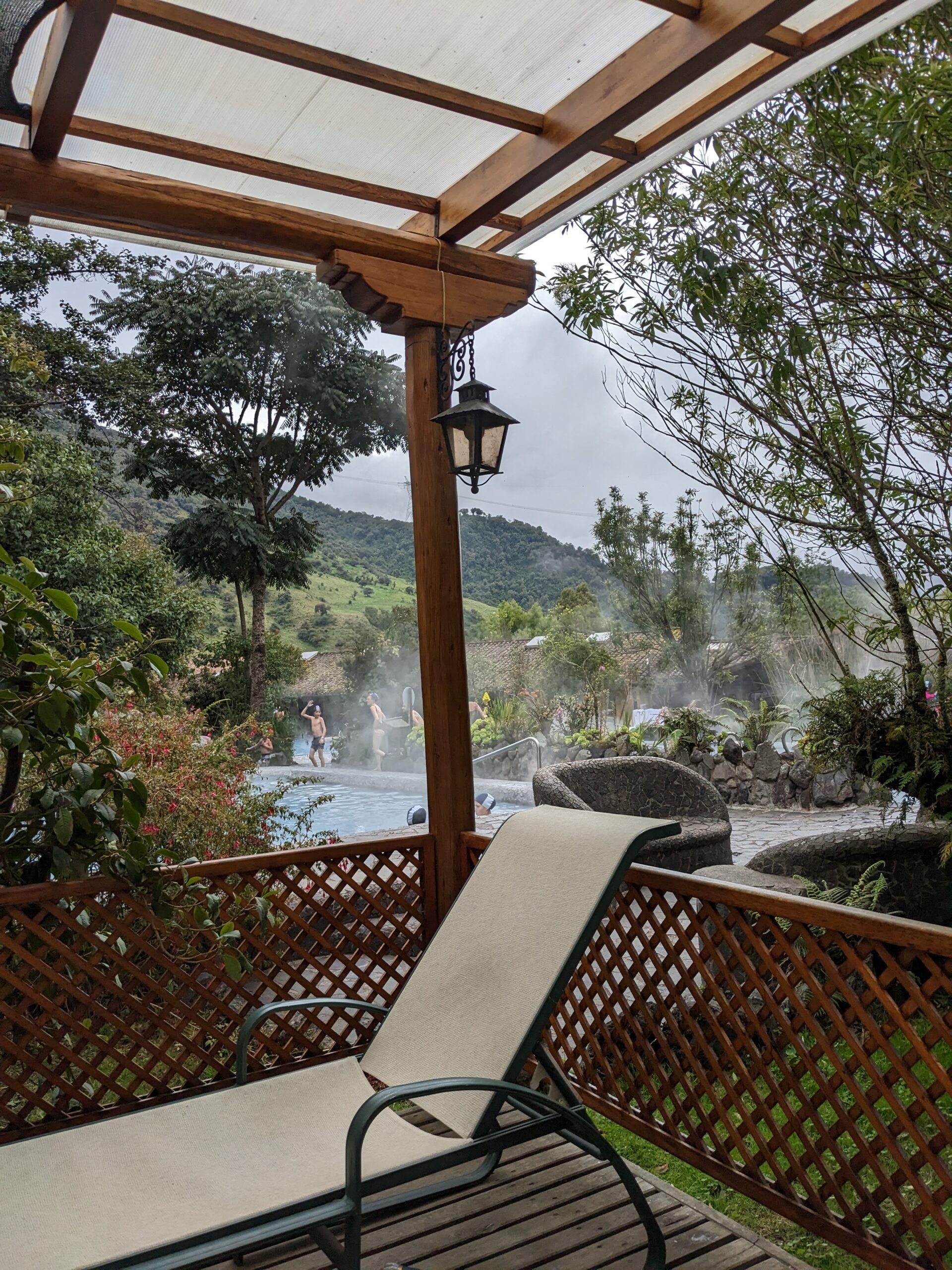
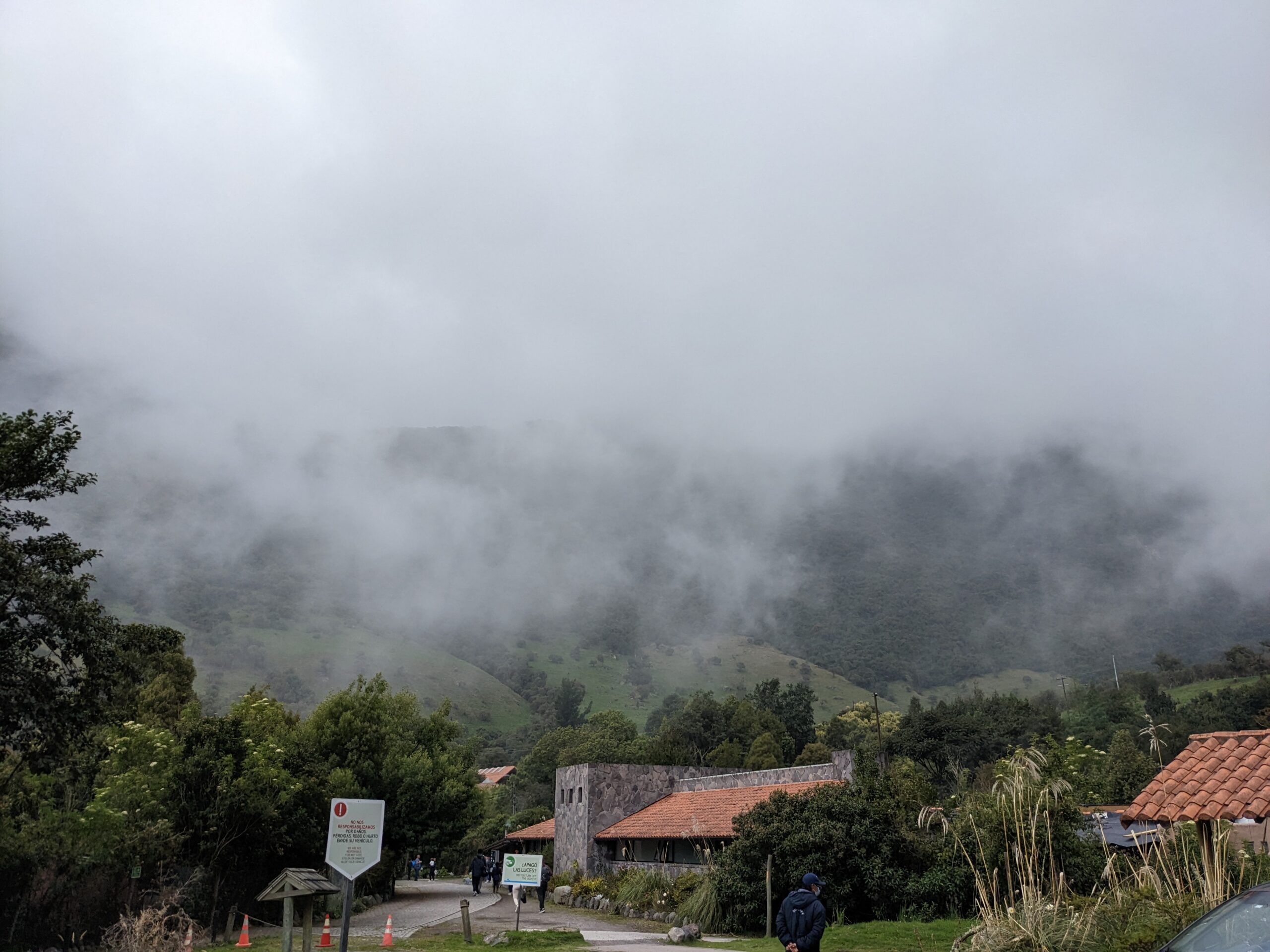
Our flight out of Ecuador was not until late in the evening. While we were at a comfortable airport hotel, we were a long way from the more interesting Old Town of Quito. With a day to fill, we found a driver to take us and some of our Galapagos cohort to the spa at Termas Papallacta. The hot springs were less than an hour from the airport up winding, cloud-covered roads to the little town of Papallacta, about 3500m (10,800ft) above sea level.
Absolutely worth the visit, but bring sunscreen.
Leave a Reply