Fisterra, Spain
The end of the line.
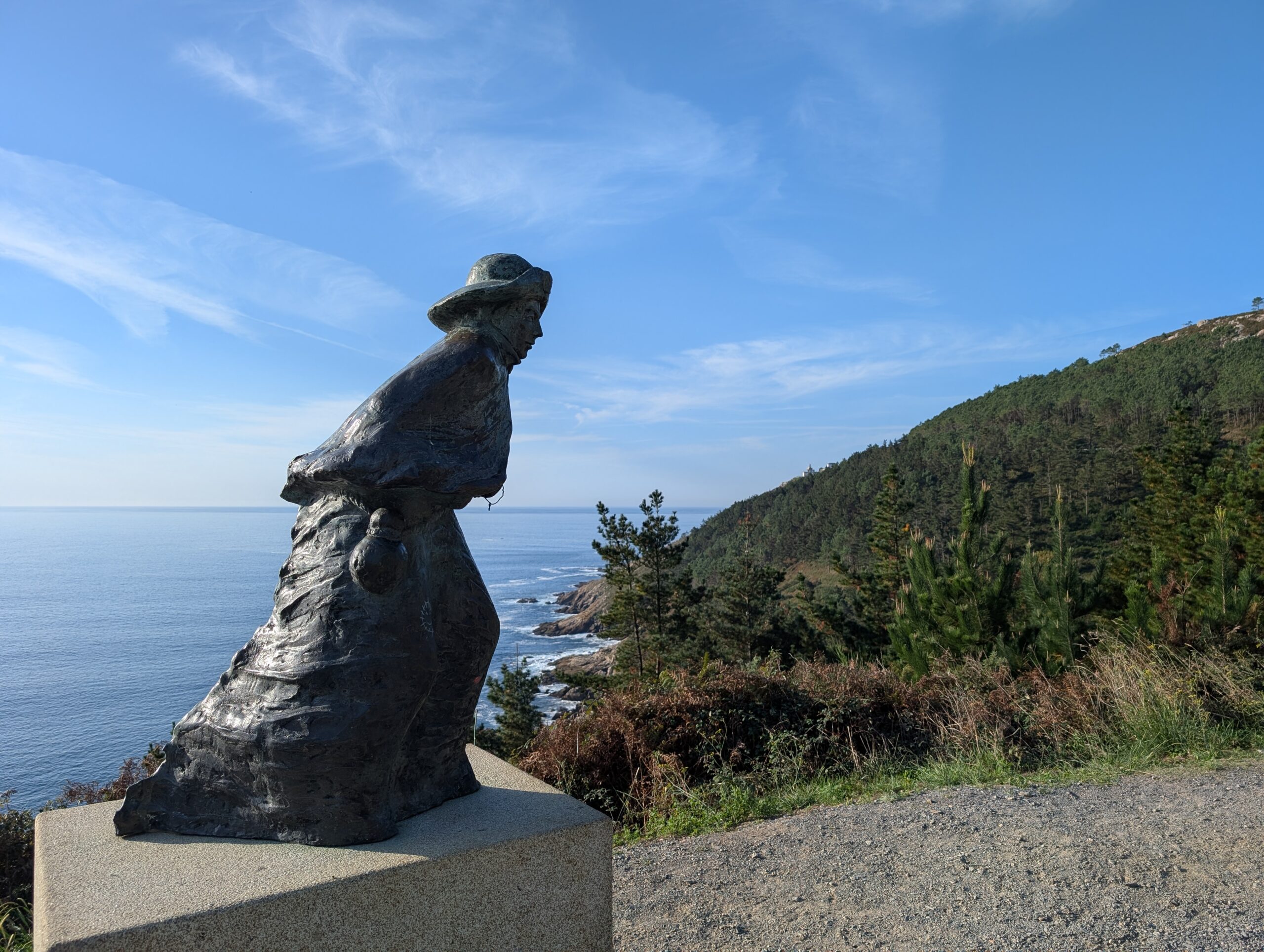
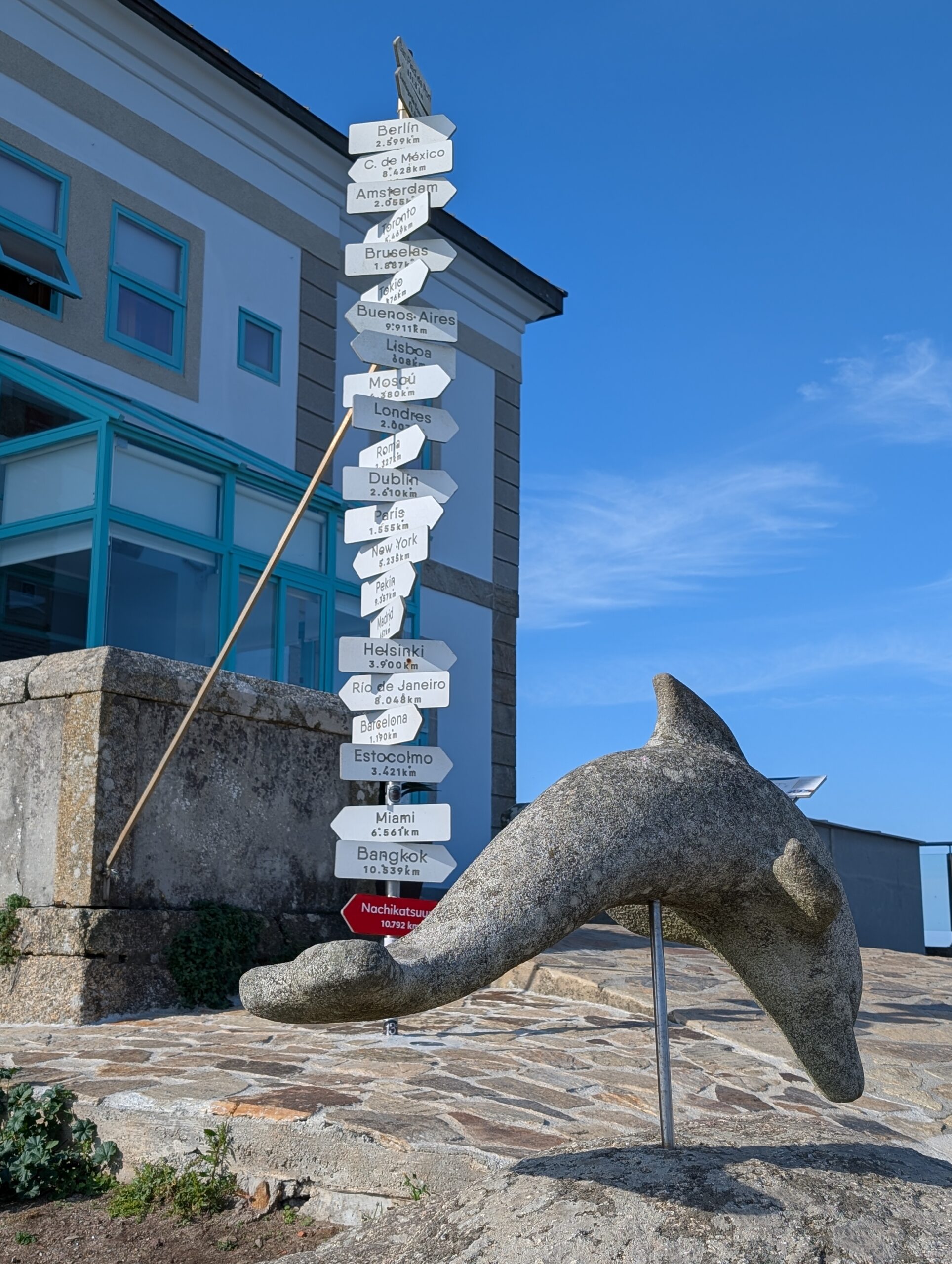
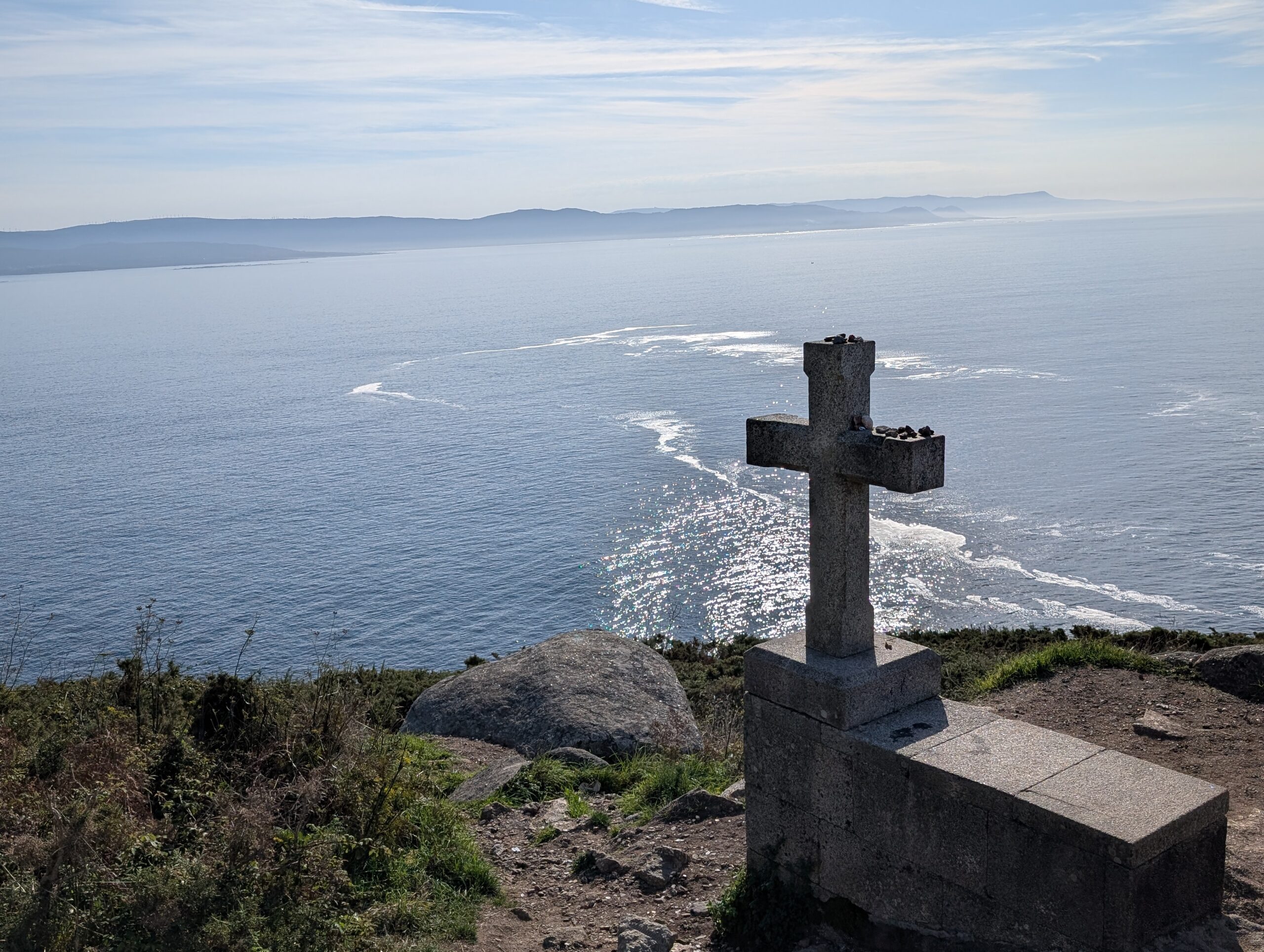
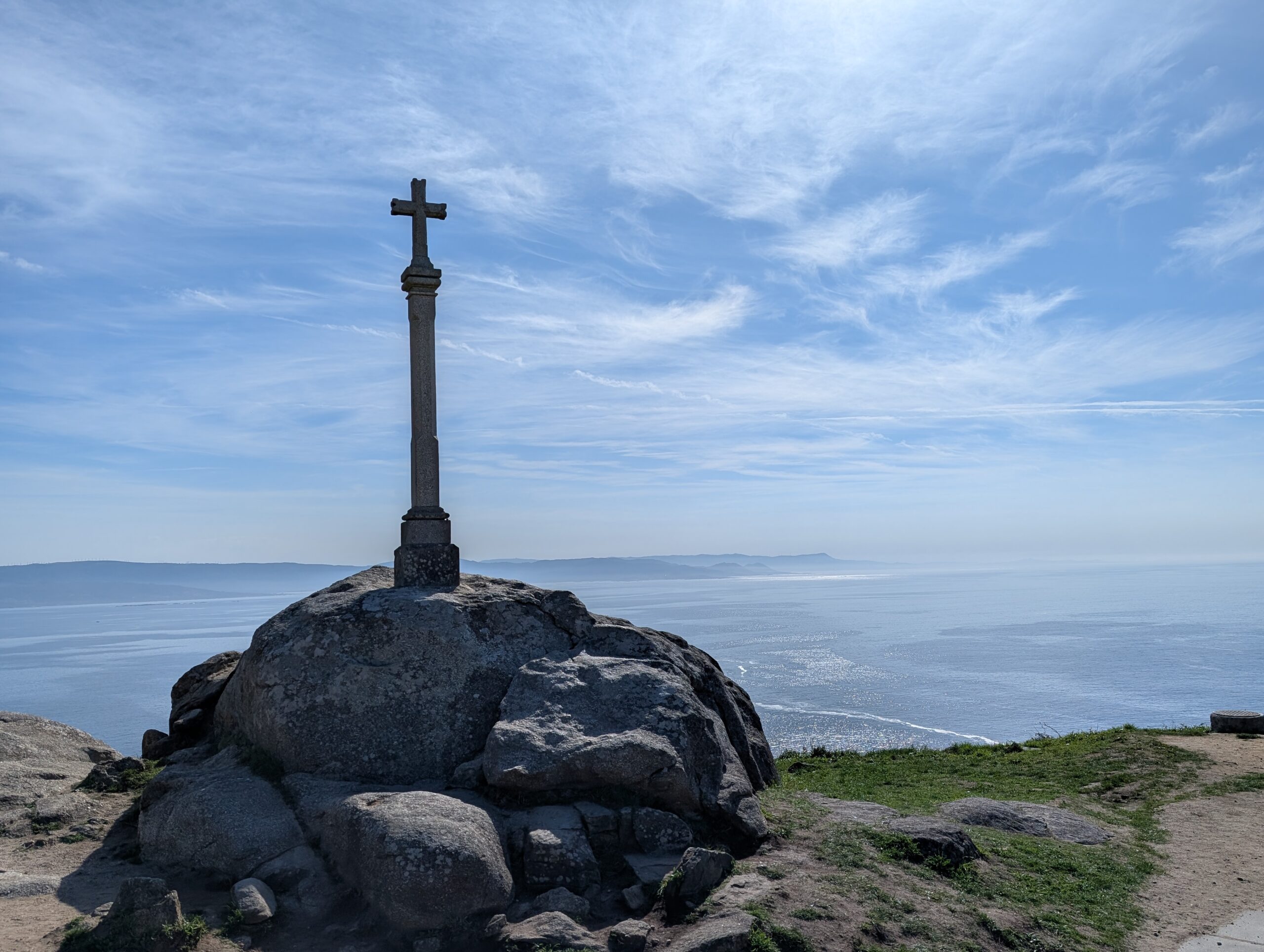
The rocky Costa da Morte (literally the “Coast of Death”) is famous for the number of shipwrecks (hence the name) and the ancient belief that this was the End of the World. This rugged finger of land was believed to be the last bit of land on earth. The Latin “Finis Terrae” is the root of the Spanish “Finisterre” and the Galician “Fisterra”. This belief gave it a lot of spiritual weight even before St. James may have stepped foot in Iberia.
Fisterra and Muxia are frequent extensions to the traditional Camino – there is even a separate certificate one can earn traveling from Santiago to either of these places. One questionable nautical legend has it that Muxia is where the Virgin Mary visited St. James on a boat made of stone. The name Fisterra, literally the End of the World, felt like a better place to finish our journey. Also, we were in Ushuaia, Argentina earlier this year – another place billed as the End of the World. Seems fitting.
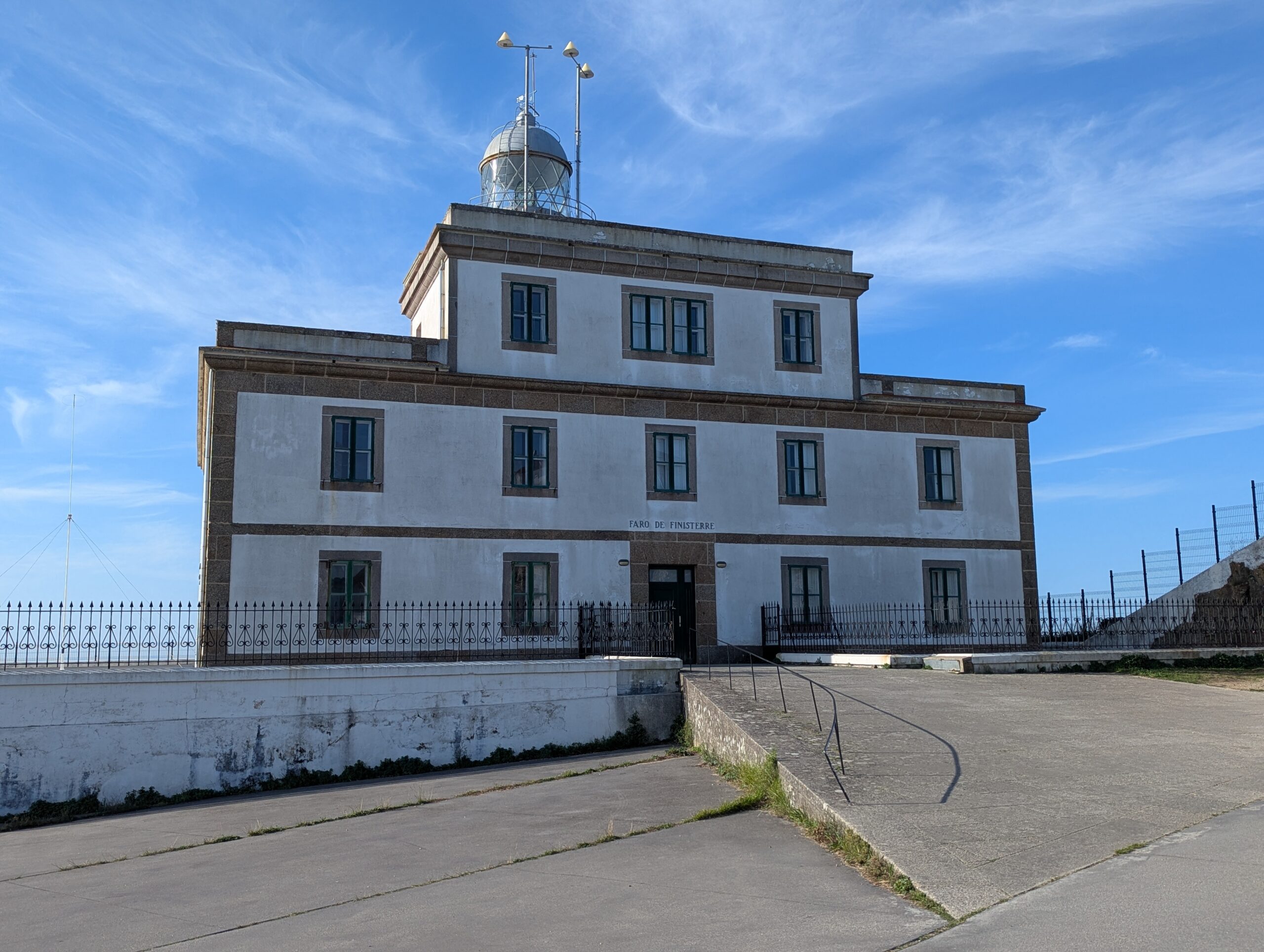
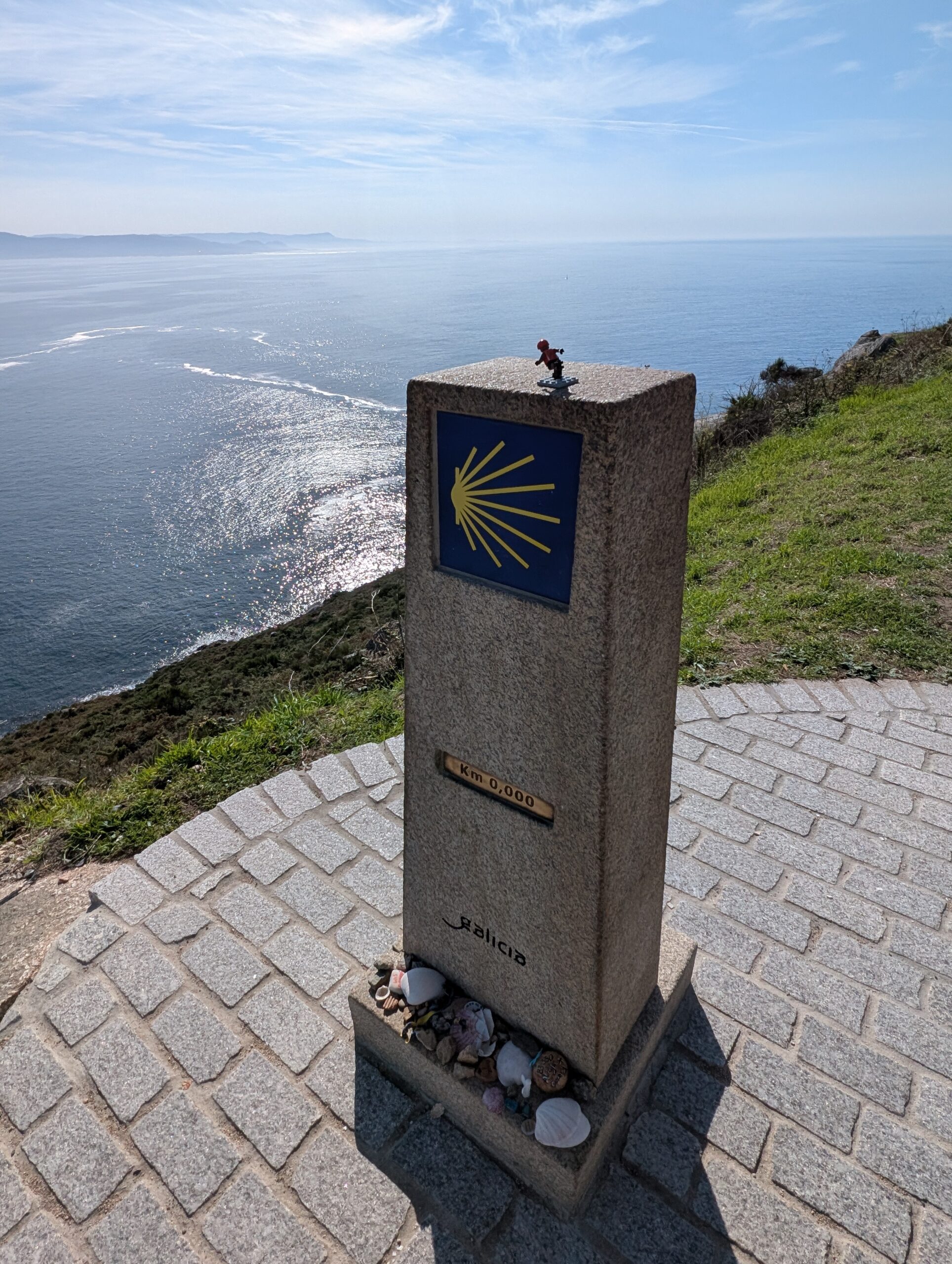
Because of injuries, we didn’t walk to Fisterra. It’s usually a four-day trek, and we had already been apart for much of the Camino. We chose to stay in the albergues we’d originally planned to walk to, but took taxis and buses between them instead. We did, however, hike the remaining few kilometers from town to Cabo Fisterra, the lighthouse, and the final marker: Kilometer Zero.
Unfamiliar faces
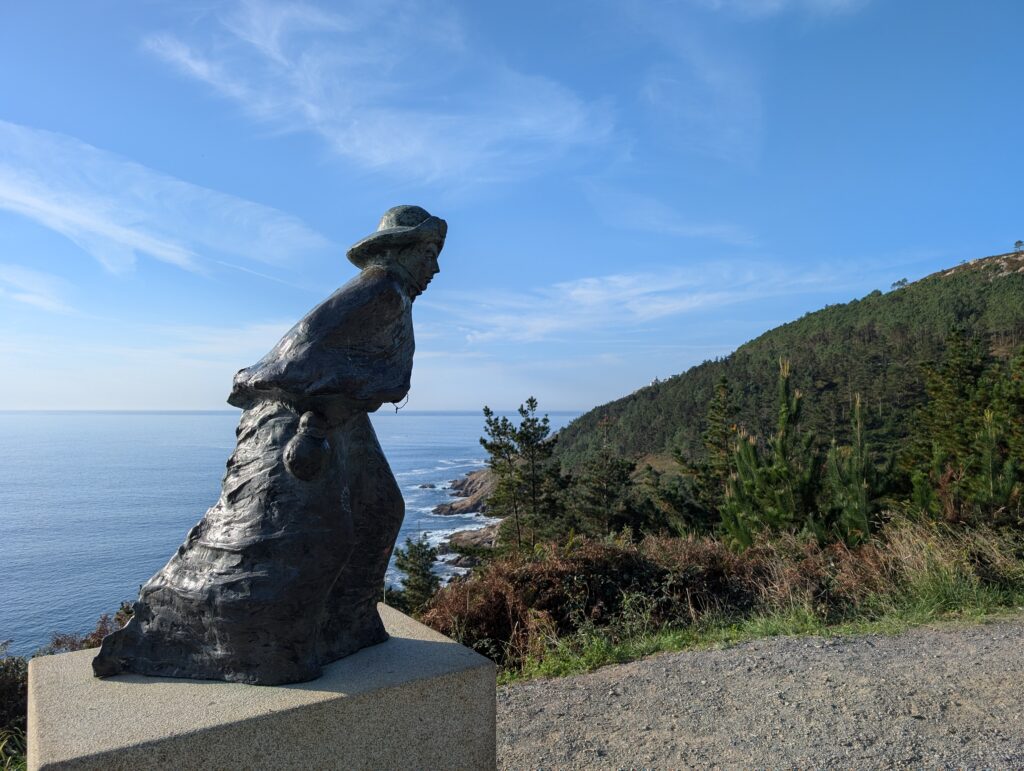
Over coffee, we reviewed our travels so far. We had been moving daily for over two weeks. The routine was locked in: get up, pack gear for Correos pick-up, force our wounded feet into boots, eat where available, hydrate, hike, laundry, re-supply, prepare for the next day. I don’t miss the time on my feet, but I miss our cohort.
The group disbanded rapidly in Santiago. Some headed straight home. Some went to holidays in the Mediterranean, Portugal or the Canary Islands. Some, to our surprise, ended up on the coast with us. The Camino can be a very solitary experience. But choosing a less popular and more challenging rural route meant we tended to see the same people regularly. With that familiarity, we looked out for each other. I realize our cohort was built from peregrinos traveling in groups of one or two; a larger group might be more insular and less welcoming of new members.
Not everything was perfect – there was a team of Italians who drained every village grocery store of beer like middle-aged marauders – yet we built a cohesive group. I remember when we “ran into” the rest of our cohort at the (only?) restaurant in one village. So much time and energy was spent catching up, checking in on one another, and developing plans for the next day – figuring out who could walk with whom. The Primitivo was a tougher route and there was respect for those who could not do the entire journey on foot.
There are more sub-routes and side missions on the Finisterre. Peregrinos are not all moving to the same destination and the same rate. People seem more isolated and less cohesive. We find a lot of our time is talking with other solo travelers who really haven’t had many other folks to talk with. Despite the common areas in the albergues, people are spending a lot of time alone or on their phones. There was one potential group bonding opportunity the other day as everyone secretly calculated the benefit of tossing one particularly loud Aussie kid in a lake.
The End of the World
Like the hike into Santiago, we finished this last stage of the Camino together. Reminiscent of the Primitivo, it felt uphill. Also reminiscent of Asturias, the path was fine until it wasn’t. Sections of the worn, dirt path were often adjacent to sheer drops into the ocean – or disappeared entirely, requiring pilgrims to hike on the shoulder and remain keenly aware of buses racing tourists to the lighthouse.
The journey was only 3.5 km each way – a little over two miles. It helped that we were not in a hurry. My left foot still resembles a coral reef; my right ankle looks like it was accosted by an amorous python. Anna is still recovering. But we had all day – and the End of the World held the promise of coffee.
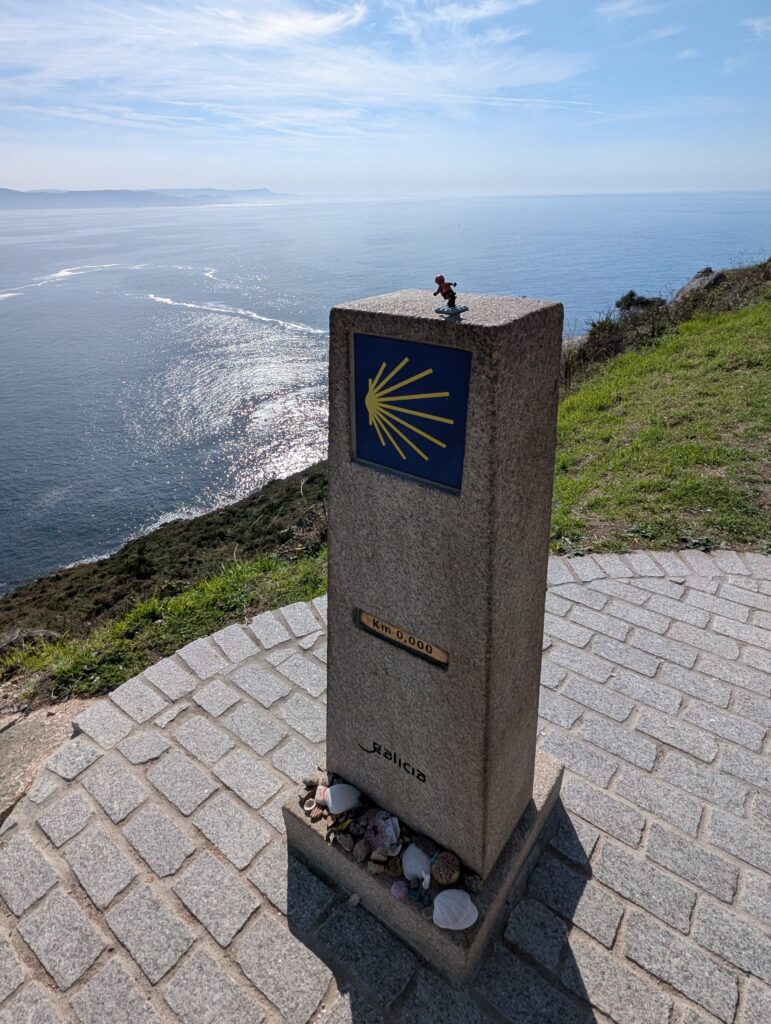
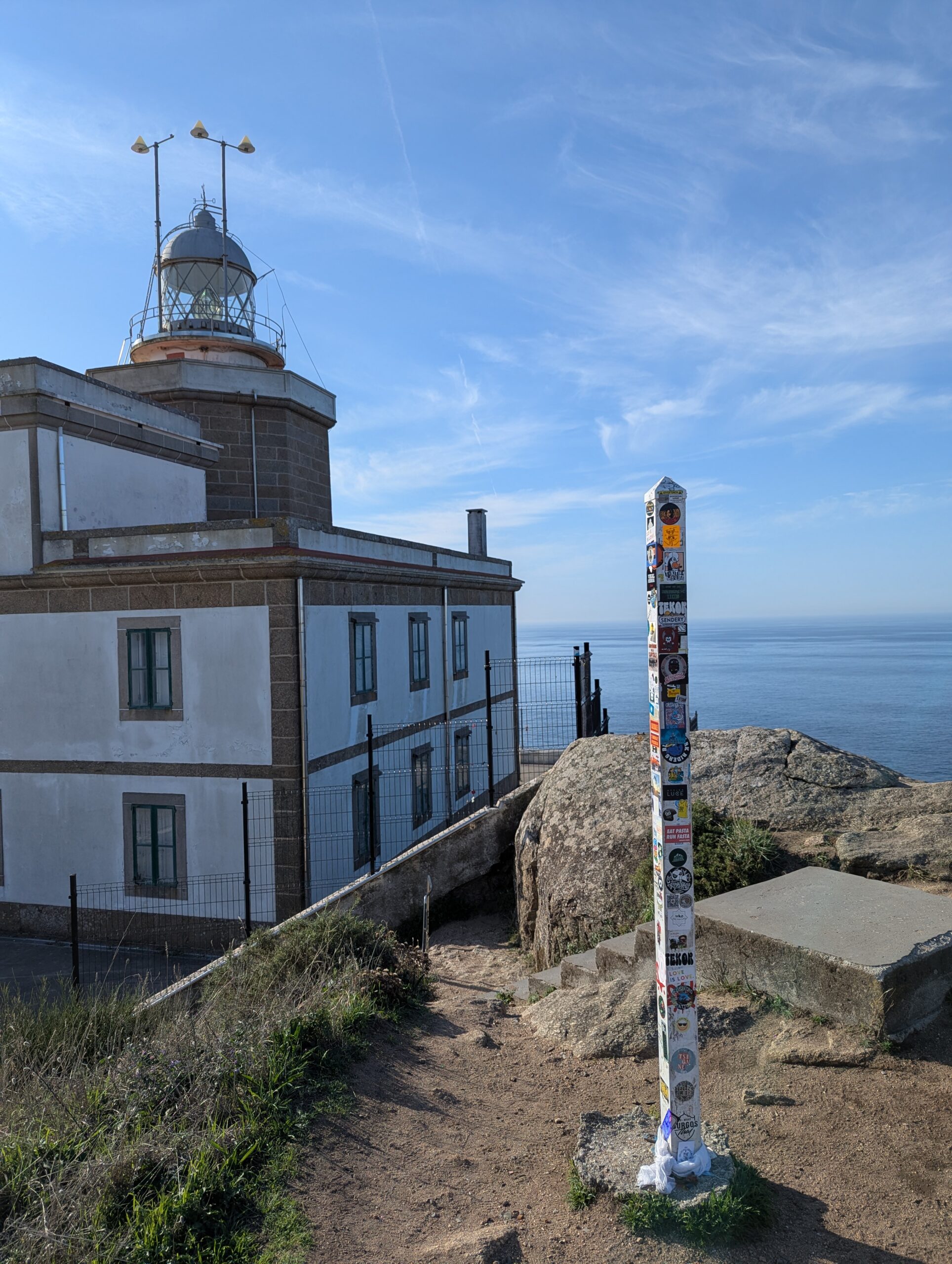
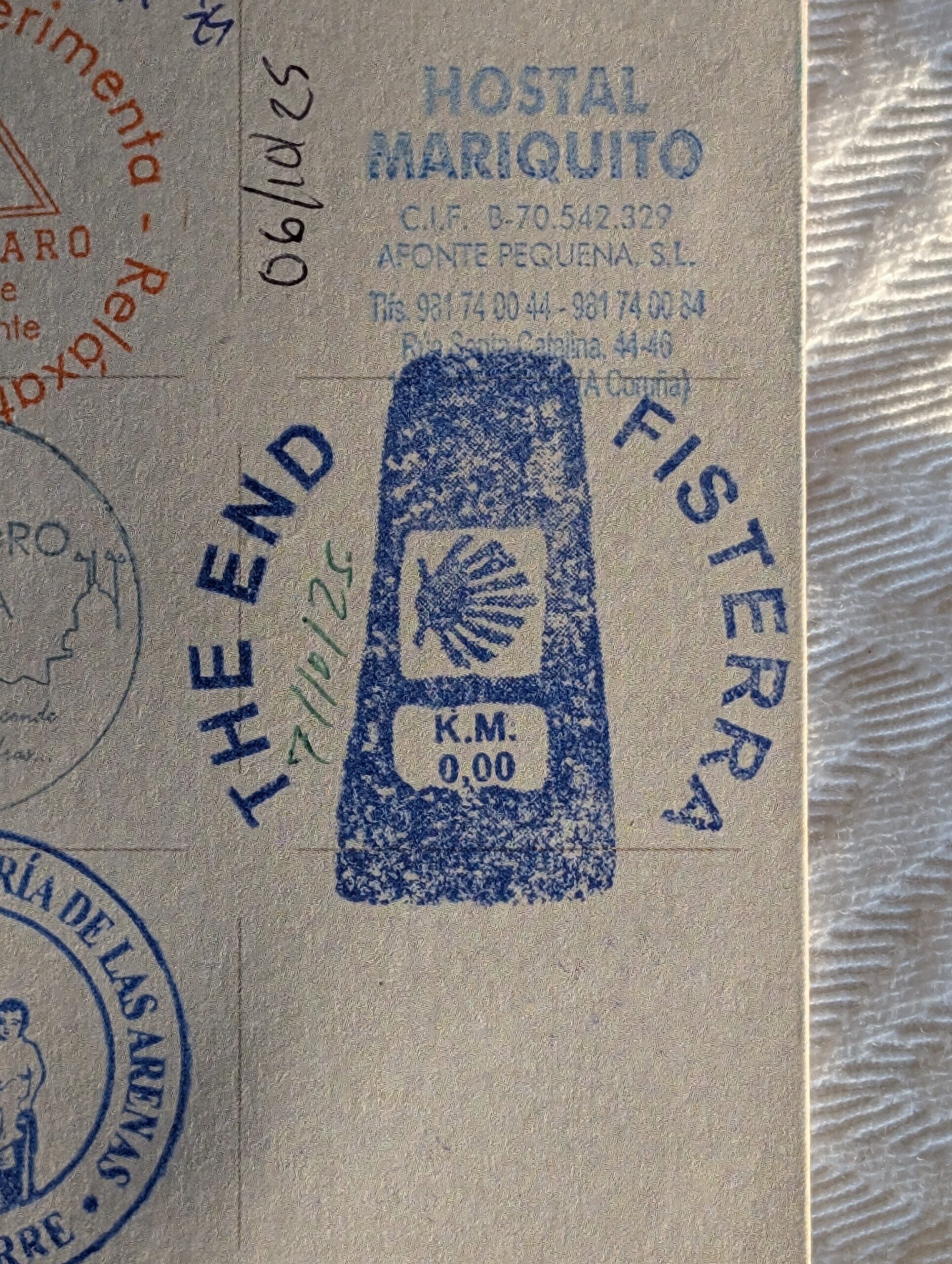
Adjacent to the lighthouse was Kilometer Zero. The literal end of the line. There was a person selling personalized sellos commemorating the location. It was worth the price. I thought it was so good, we even paid for another peregrino to get one for herself.
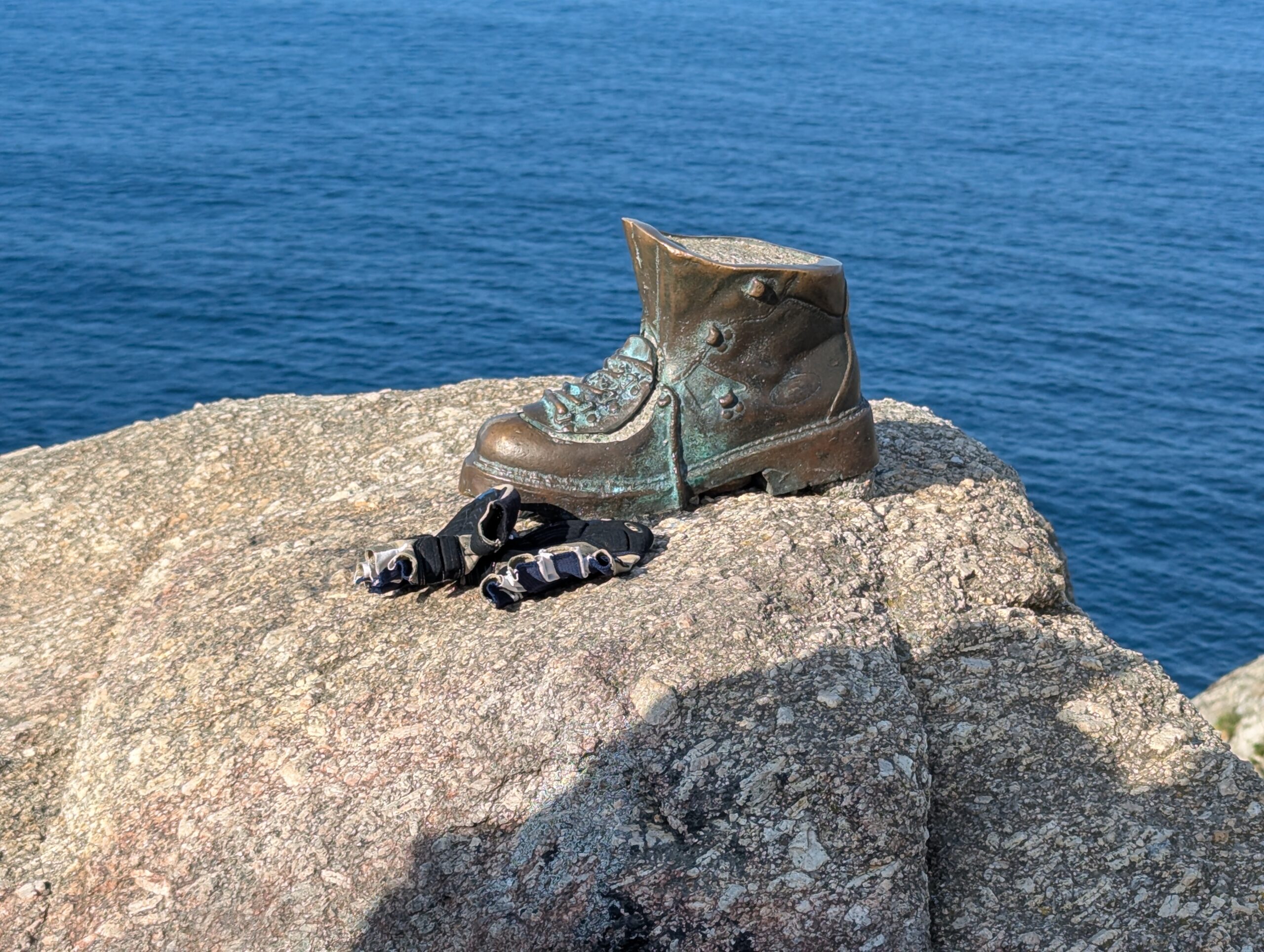
One of the Finisterre traditions is the burning of clothes or items to symbolize the completion of the journey. This tradition continued until a few years back when the locals (rightly) grew tired of people dumping their shit for someone else to clean up. Instead, there is a small sculpture of a boot symbolizing the end of the pilgrimage route. I did, however, bring something to sacrifice: my gloves.
For the Camino, I brought an old pair of cycling gloves. My thought was to have some extra grip and cushion when using my hiking poles. They didn’t take up much space and if they didn’t come back home, no problem. While I feel they did the job well, after the soaking rains outside Tineo they developed an aroma. An aroma that only increased and not for the better. There was comfort in identifying the smell came from an item and not myself. After Santiago, they were quarantined in their own plastic bag to prevent cross-contamination. I received an appropriate dirty look from my beloved every time I joked about donning them again.
They were ritualistically disposed of in a bin near the lighthouse. Burning would have been too good for them.
The Camino provides
Despite feeling adrift in the absence of our cohort, there were some notable guest appearances. Quite by chance, I happened to look out the window in our room and saw the other Team Minnesota waiting to catch the bus to Santiago. I hobbled down to wish them safe travels – and send a ‘proof of life’ picture to our cohort. The German mother / daughter pair who overslept in the albergue with us made an appearance. We also connected with a woman who traveled with Ann from Thailand. Ann is safely home and had a good Camino.
But nothing prepared us for the woman from Ireland.
I recognized her, but Anna spent more time with her. When Anna was crossing the Hospitales, this woman appeared, checking in to make sure she was okay. Confident in Anna’s well-being, she continued on. I met her at dinner a few times; she was notable for addressing Anna as “darling.” She was great to talk to, had a good sense of humor, and a strong spiritual sense of the power of the Camino. At stories of fortunate happenstance and peregrinos stepping up for one another, she smiled and responded, “The Camino provides.”
On our way back from the lighthouse, we reminisced about our experiences and the people we met along the way. Stories about her came up, but neither of us could remember her name. We approached the Igrexa de Santa Maria das Areas (home of the Cristo da Barba Dourada with its own curious nautical legend) and figured we’d step inside.
And there she was.
Needless to say, we were excited to see her – sharing that we were just talking about her moments ago. We exchanged stories – she hiked up from Santiago and was leaving for Muxia tomorrow – and shared updates about the others in our cohort. As we were saying our goodbyes, we asked her name – adding that neither of us remembered it. With a smile, she told us.
And we both promptly forgot it.
We were both annoyed with ourselves for our irresponsible behavior. There was also not much we could do.
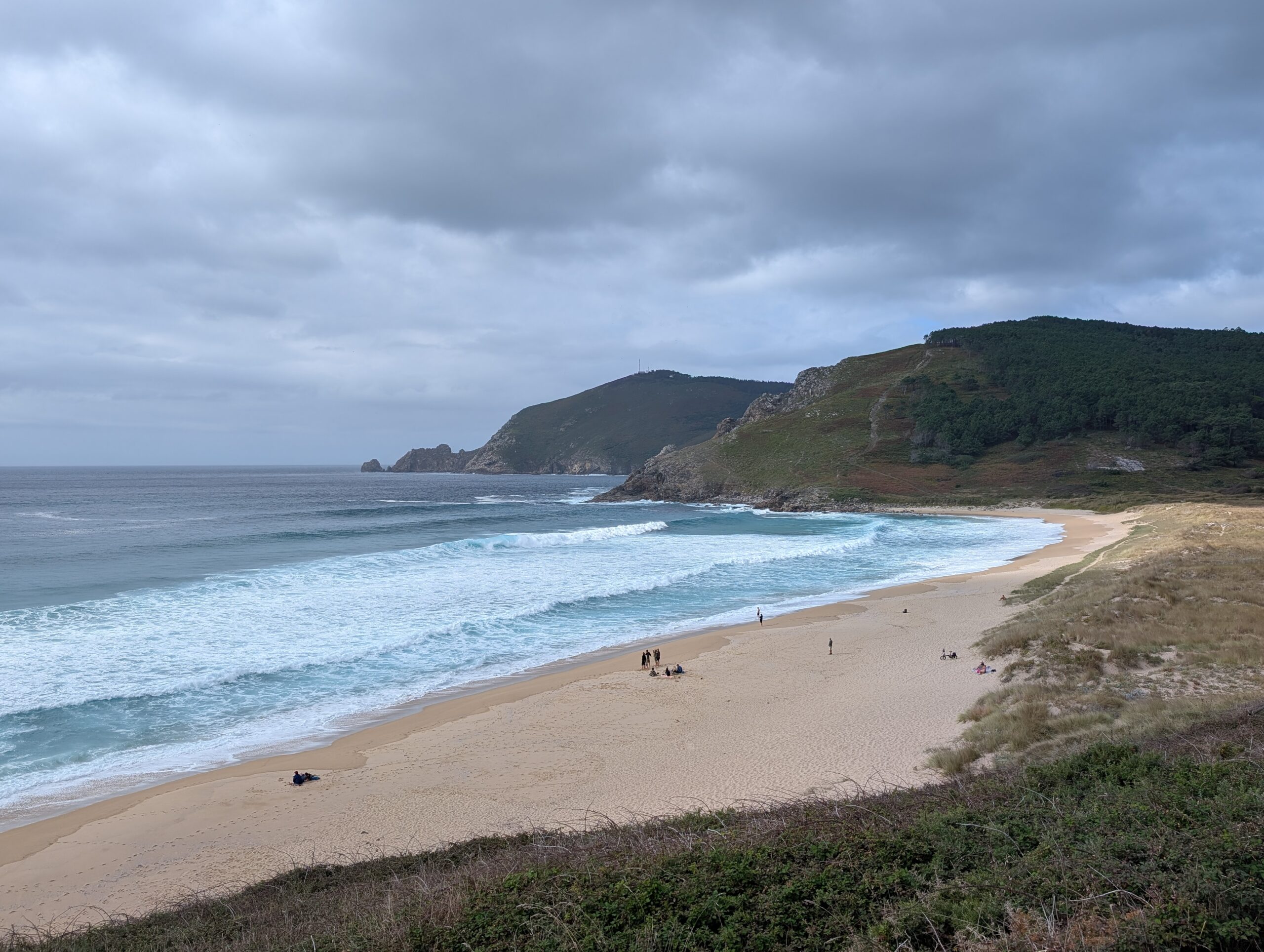
The next day, I hiked to Praia do Mar de Fóra, a stunning beach on the western side of the peninsula. Being away from town, the only sounds were the wind and the roar of the waves. While it is not safe for swimming, I read somewhere about a pilgrim’s cleansing ritual of allowing the waves on this beach to wash over you a certain number of times. It was a chance to clear my head and reset. And maybe help me remember her name.
As I was walking back from the beach – tossing words around in my head in an attempt to dislodge the right name – I saw her coming down the trail towards me. She seemed to materialize out of thin air.
Of course I ran to her as quickly as my wounded feet would allow. I laughed and said how lucky it was to see her. It was embarrassing that Anna and I couldn’t remember her name, and we were worried she had left for good. She said she had planned to leave for Muxia but then felt compelled to stay in Fisterra another day. I got her to write down her name (“Karima”) and asked if I could take a selfie to prove that she existed and determine if her divine form would appear in photographs.
She has traveled several Caminos and remains drawn to the experience. I told her that she always seemed to appear when Anna needed her support and guidance. This trip was difficult for Anna: dealing with the physical pain and the personal disappointment of not being able to complete the journey as she wanted. I added that because she was not walking, Anna was able to help others in our cohort – sharing supplies, her professional expertise and her availability for the person who needed hospitalization. Karima completed my thought. “The Camino gives you what you need,” she said, “but not necessarily what you want.”
I believe we will see her again.
Postscript
The Pilgrim’s Office in Santiago keeps detailed records about the Compostelas awarded and the peregrinos that earned them. The statistics on the data they collect is available online. As we learned on this journey, not everyone who completes a Camino wants a Compostela – so there is some underreporting in the numbers.
That said, I ran the report for pilgrims earning a Compostela to get an understanding of our cohort.
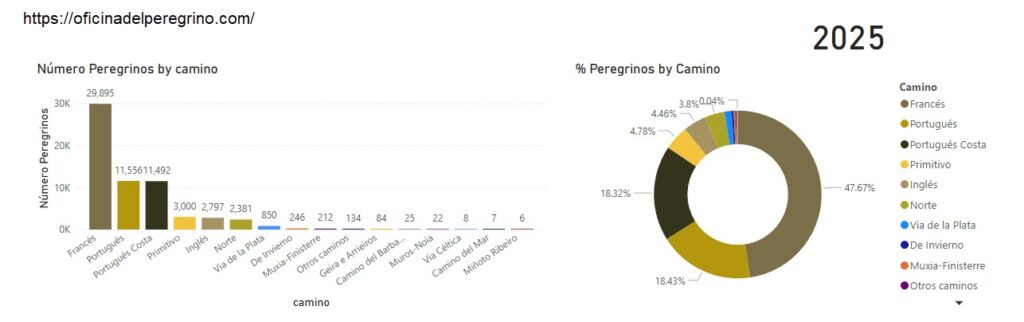
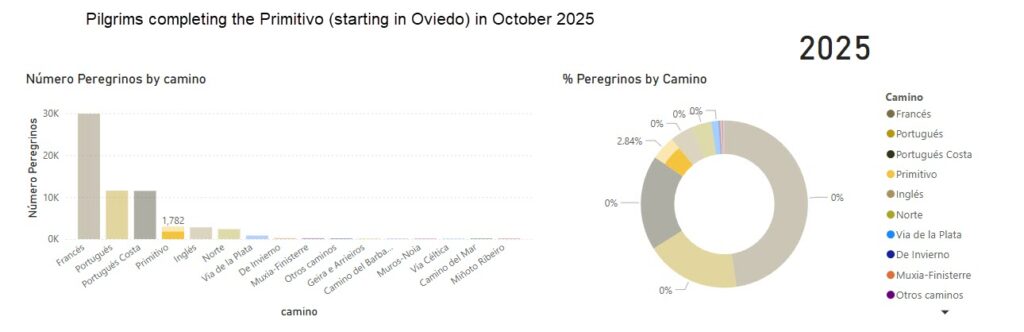
- In the entire month of October 2025, 3000 people completed the Primitivo. Of those 3000, 1782 of them began in Oviedo like we did.
- Just under 5% of all pilgrims completed the Primitivo. Under 3% of all pilgrims went the entire distance of the Primitivo.
- Compared to the cohort we began with in Oviedo, there were over 16X more people on the Frances. That goes a long way to describe the shock of all the extra people on paths with us after Melide.
Leave a Reply