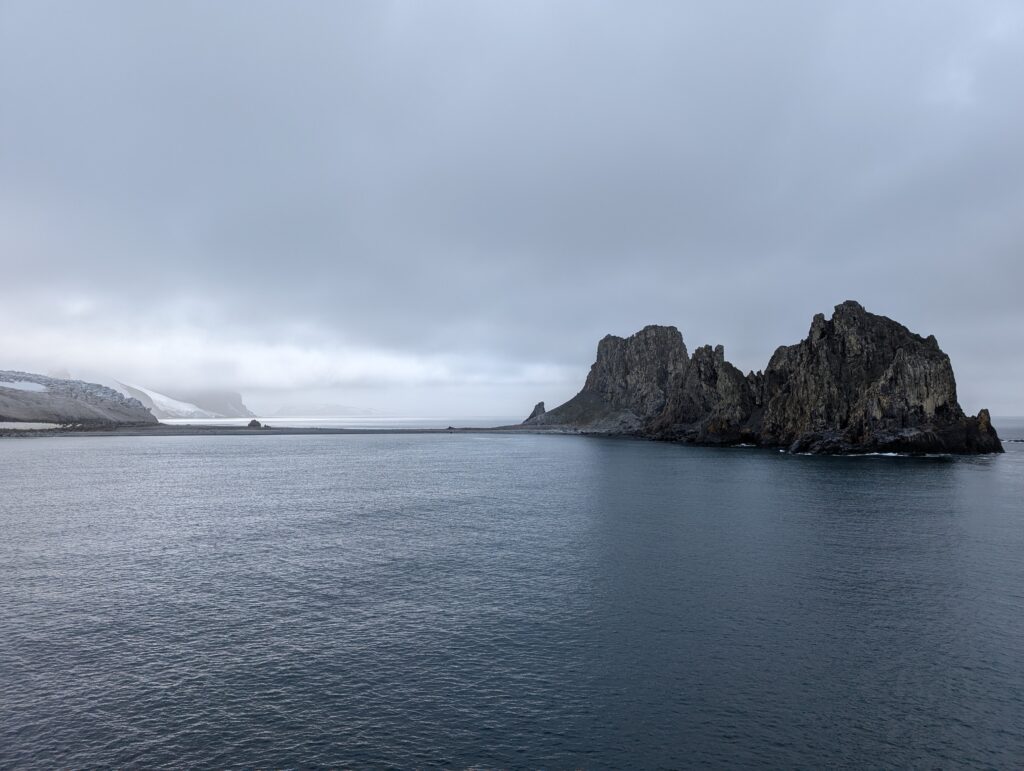
Slight change of plans, although not a disappointing one. The captain altered our route and we are visiting Antarctica first instead of the Falklands. Works for me.
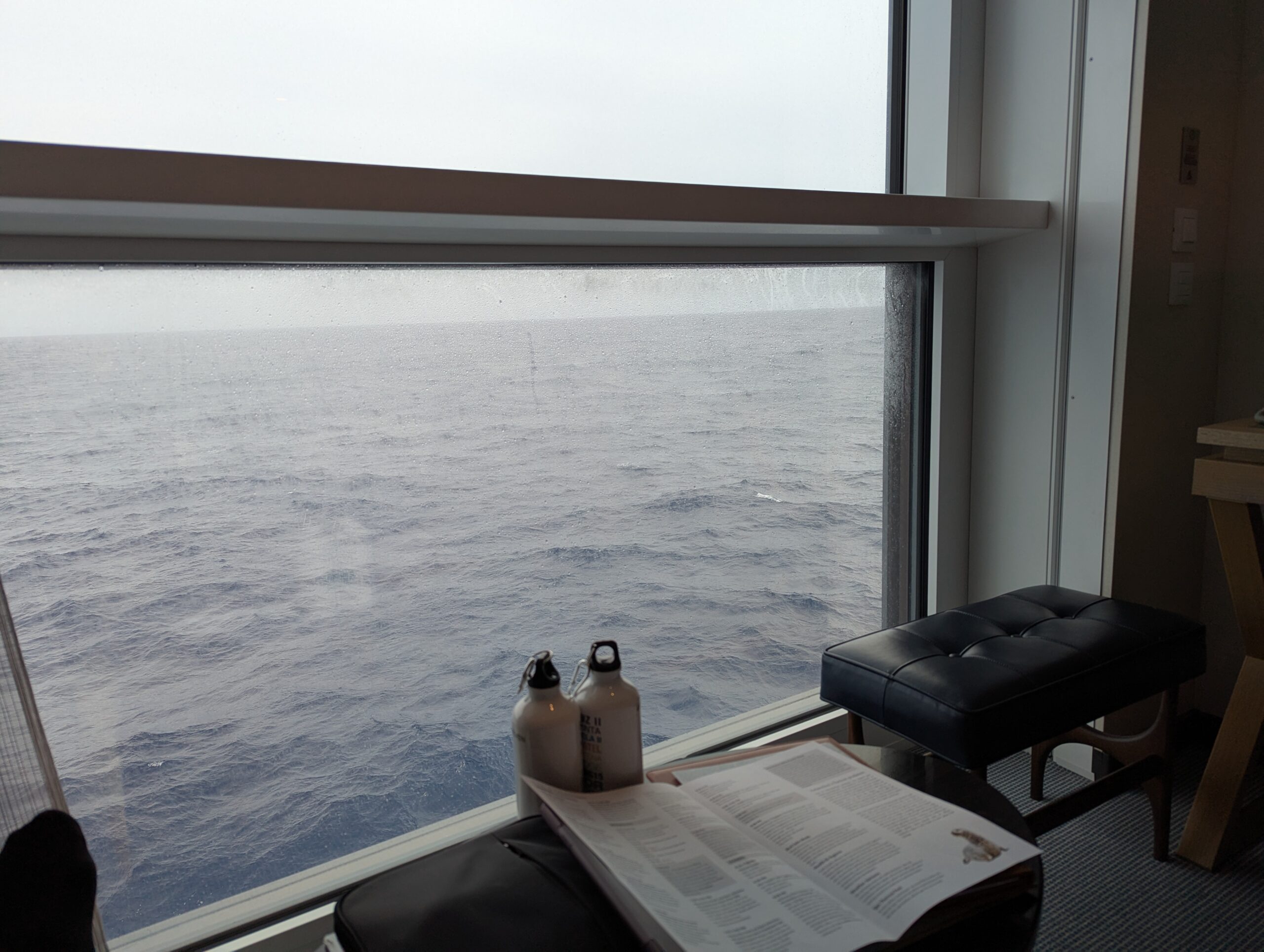
Yesterday was already planned as a sea day. Looking out our cabin window and seeing nothing but, well, sea was not a surprise. The ship’s current location on the digital map suggested a change of plans. Rumor has it the forecast is for better weather in Antarctica for the next couple days. It seems the previous voyage returned early due to bad weather further south so the hope is to avoid a repeat. Nothing is guaranteed.
The Drake Passage – the body of water between the southern tip of South America and the South Shetland Islands off the Antarctic peninsula – has a reputation for being one of the most dangerous areas to cross by ship. The seas circle the Antarctic continent in a clockwise direction. These two landmasses are the only things to slow them down. The resulting currents can be rather powerful.
But not always tumultuous. Passengers describe the crossings as experiencing the “Drake Shake” or crossing the “Drake Lake”. Ours was more on the “Lake” end of the spectrum. The seas were not glassy, but they were far from rough. One grows accustomed to walking in a curved path when navigating the hallways.
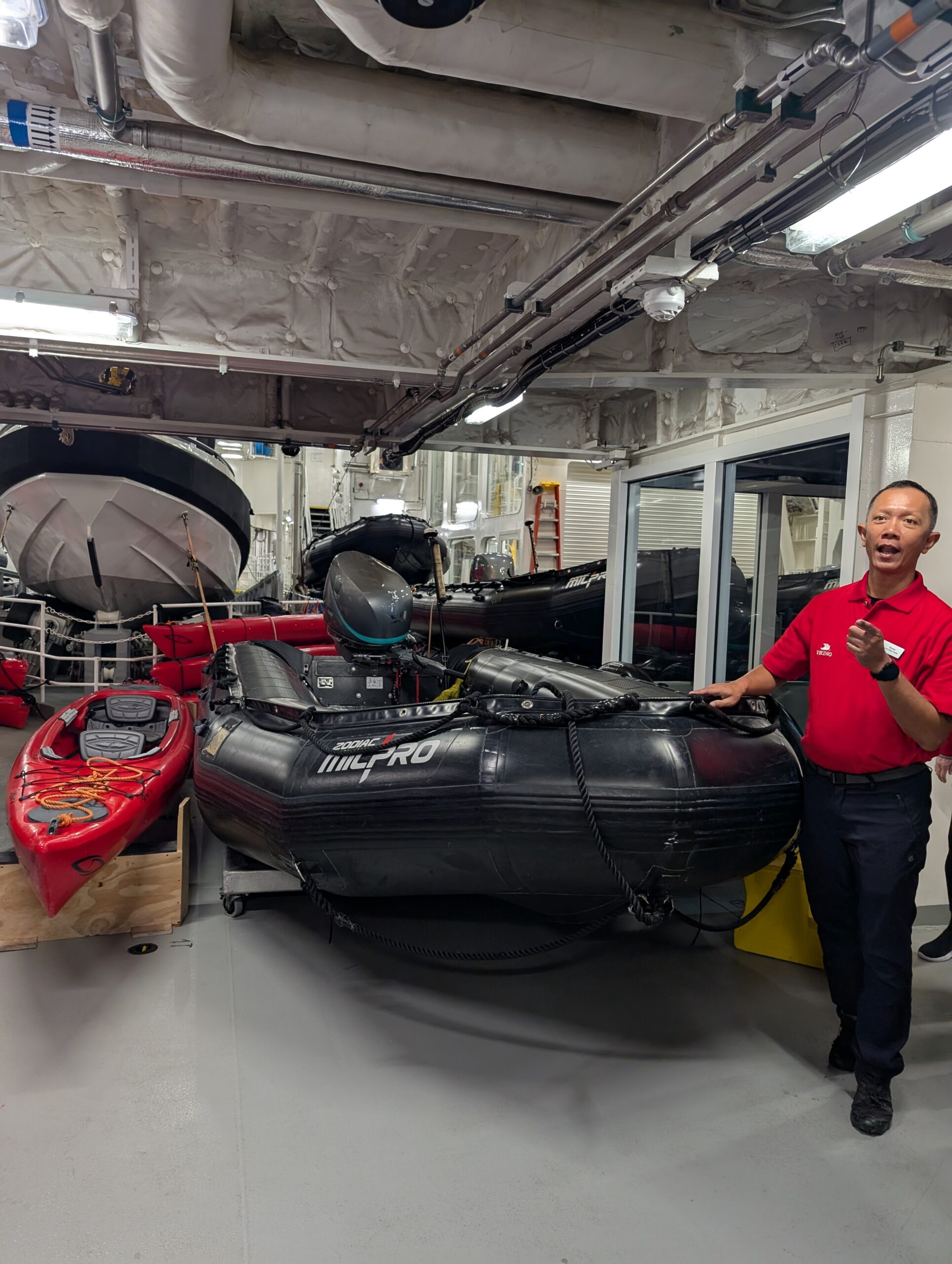
The main activities while at sea were orientation and gear collection. We practiced getting into and out of kayaks from a zodiac. While successful, I admit to still being a bit nervous about it – it is one thing to accomplish this feat in the dry, comfy hold of the ship; quite another in freezing water.
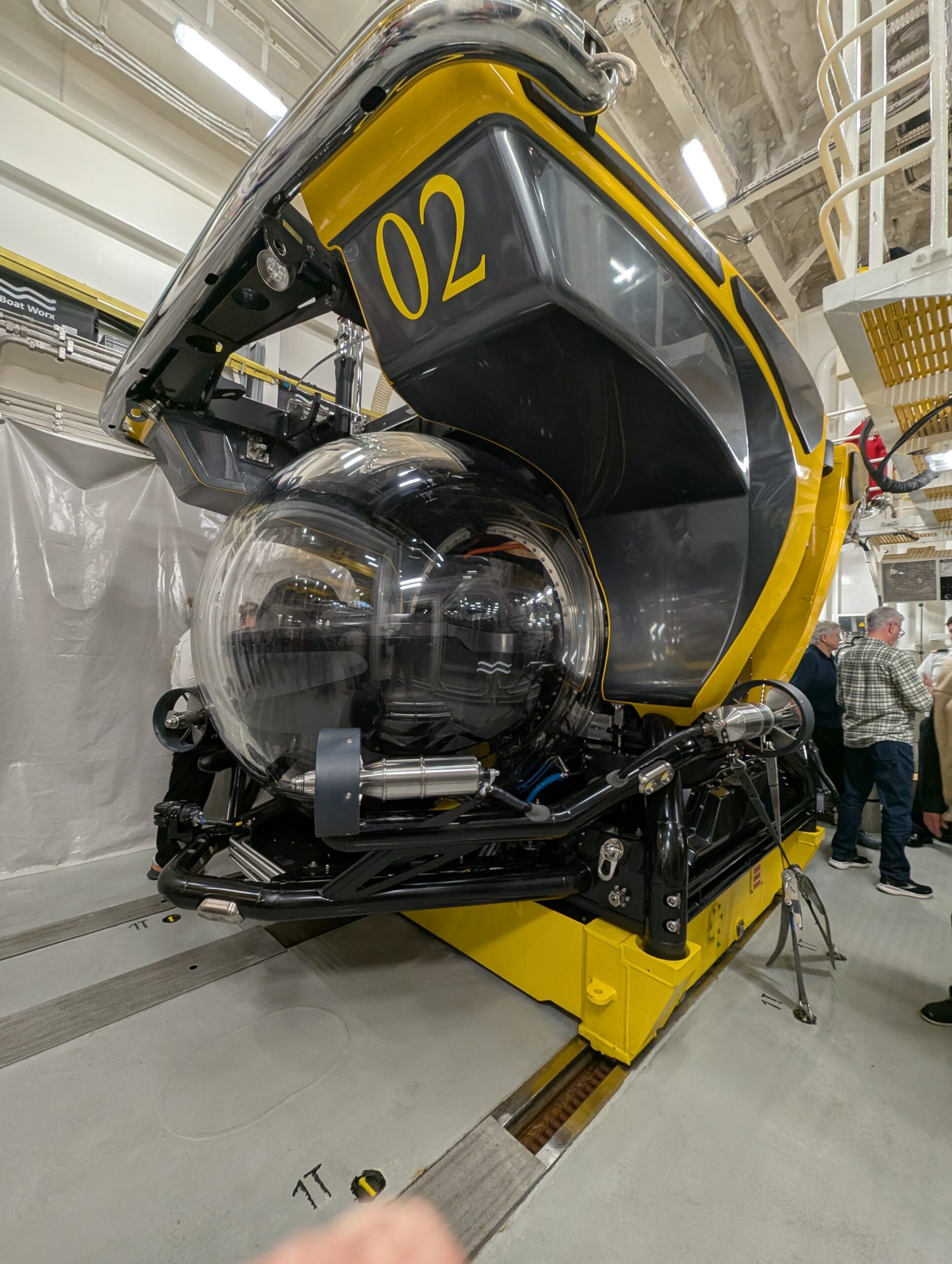
We also confirmed we could get into and out of the little submarines, should we choose that type of excursion. The subs are cute little numbers that hold up to six passengers. They are a bright shade of yellow and, as such, have been aptly christened “John” and “Paul.” (The subs on the sister ship are “George” and “Ringo”.)
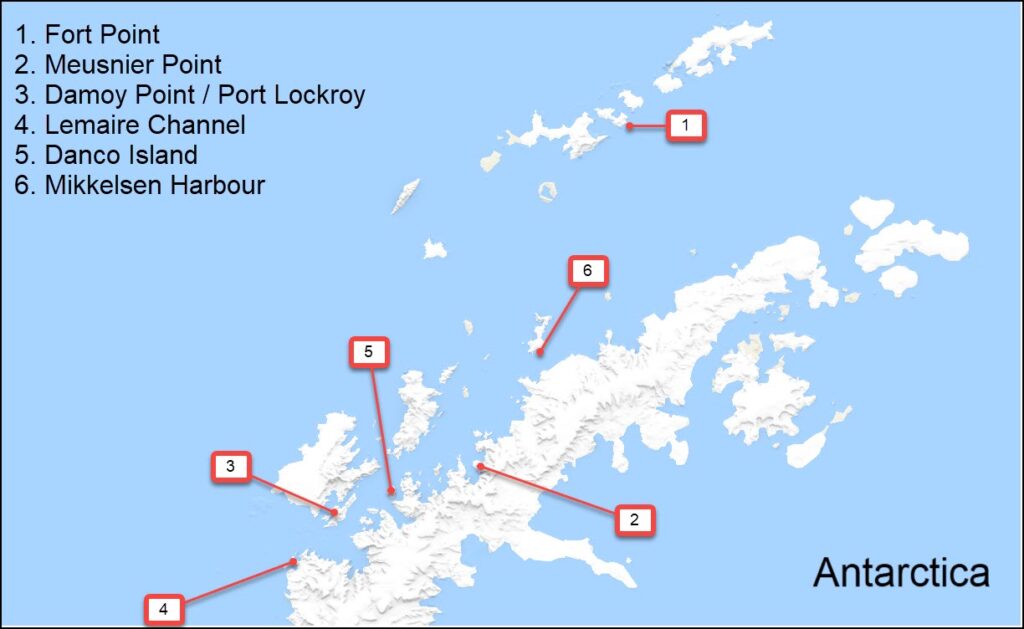
Due to the remoteness of our destination, all passengers had to complete a medical assessment 30 days prior to departure. This involved either our doctor completing a form or having an interview with a Viking medical professional to ensure our health was suitable for the trip. After departing Ushuaia, there would be no nearby hospitals for some time. It seems that the definition of ‘healthy’ was rather generous. There is an apocryphal story going around that a member of the medical staff watched passengers embarking and shook their head. “They all had a completed medical assessment,” was their purported comment.
Biosecurity is key. Fortunately, our previous trip to the Galapagos prepared us well. The ship provided waterproof boots, rain trousers and jackets for wearing ashore. The crew will inspect anything we plan to wear as outerwear (e.g., hats, gaiters, gloves) – they are looking for stray fibers, seeds, dirt, and other materials to prevent the introduction of foreign organic matter. Anything we bring ashore with us cannot be set on the ground. Each time we return to the ship we will get hosed down with disinfectant to prevent cross-contamination between sites in Antarctica. Our cabin has a little cupboard to dry our gear between visits.
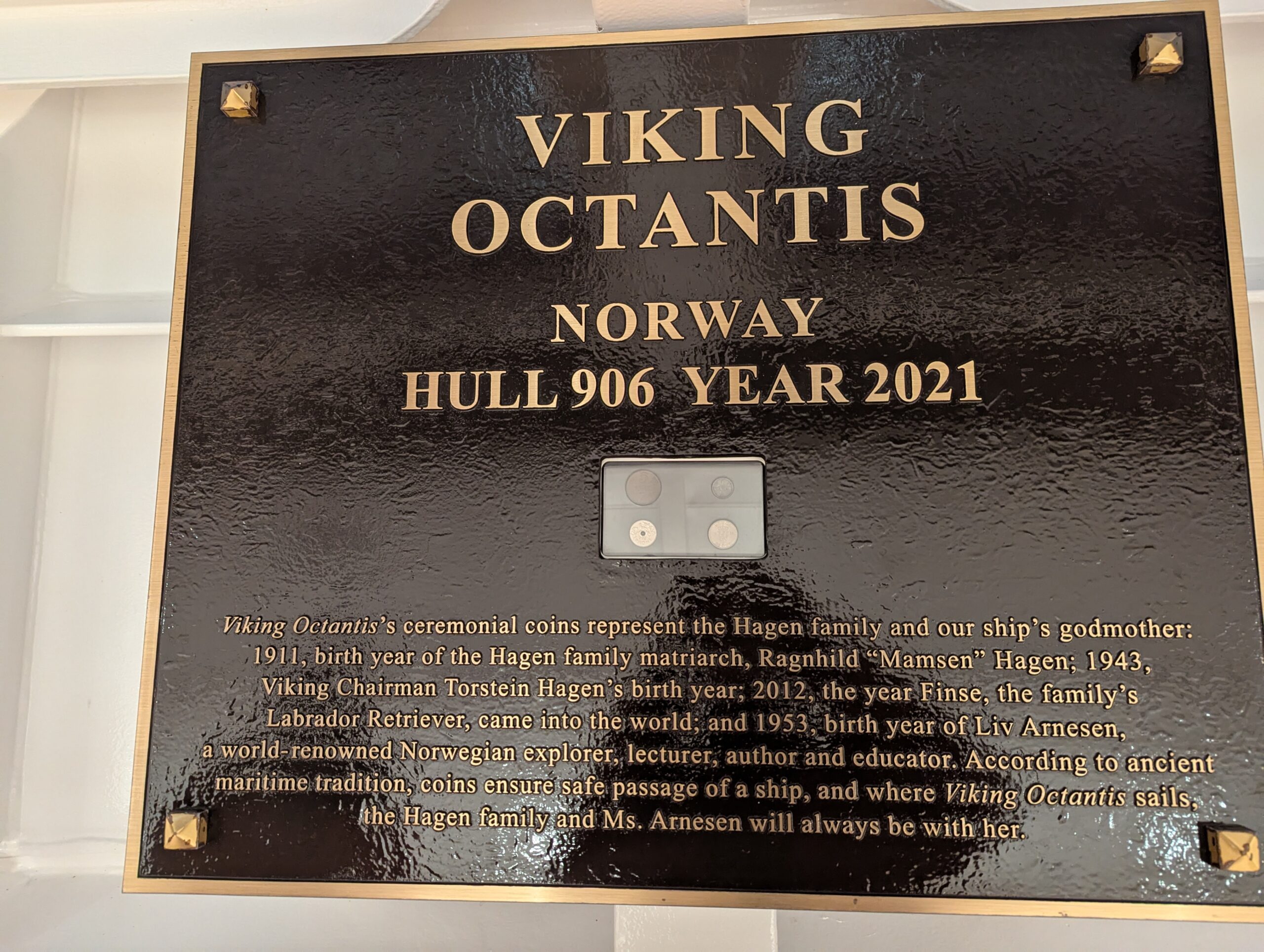
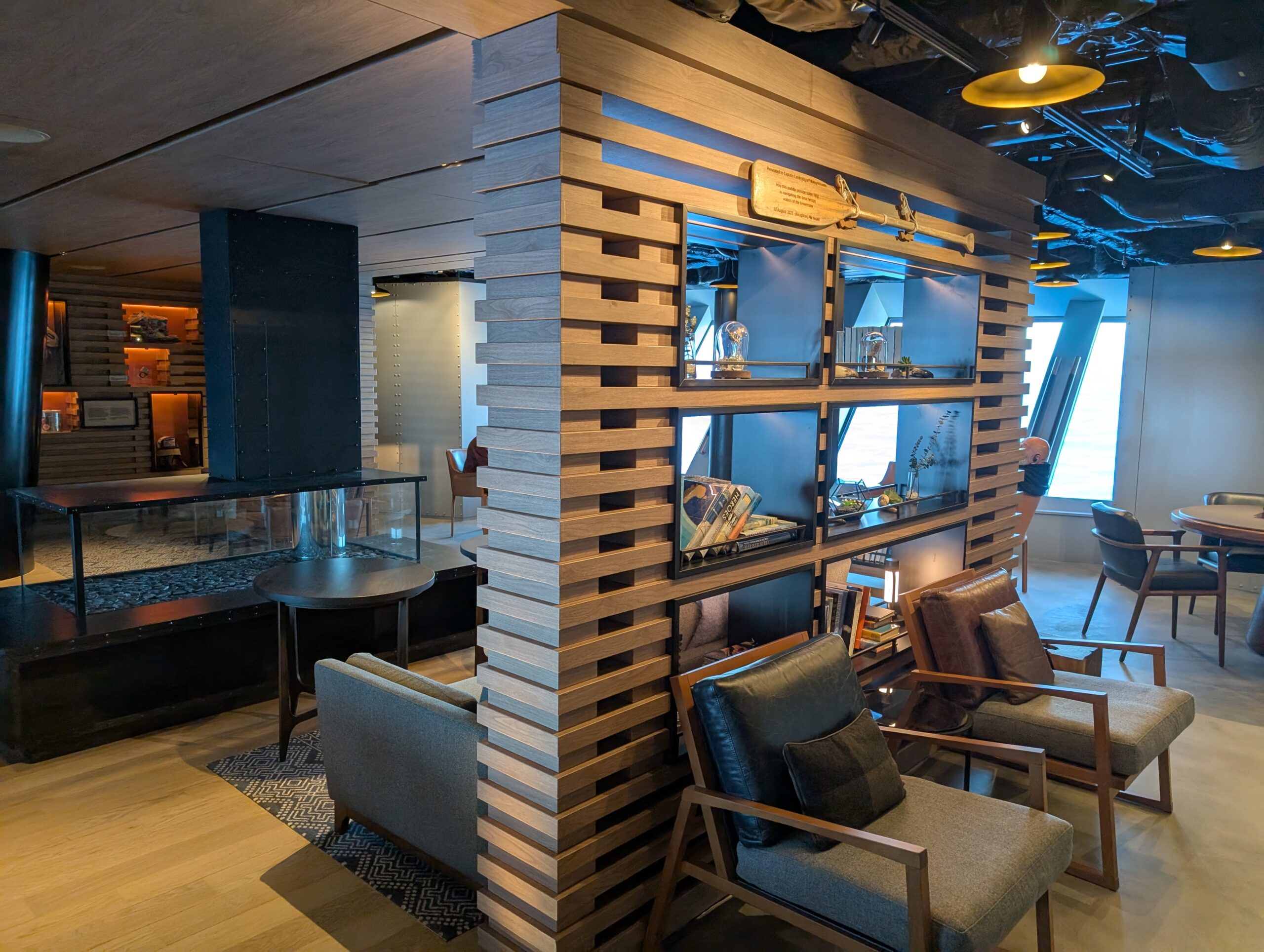
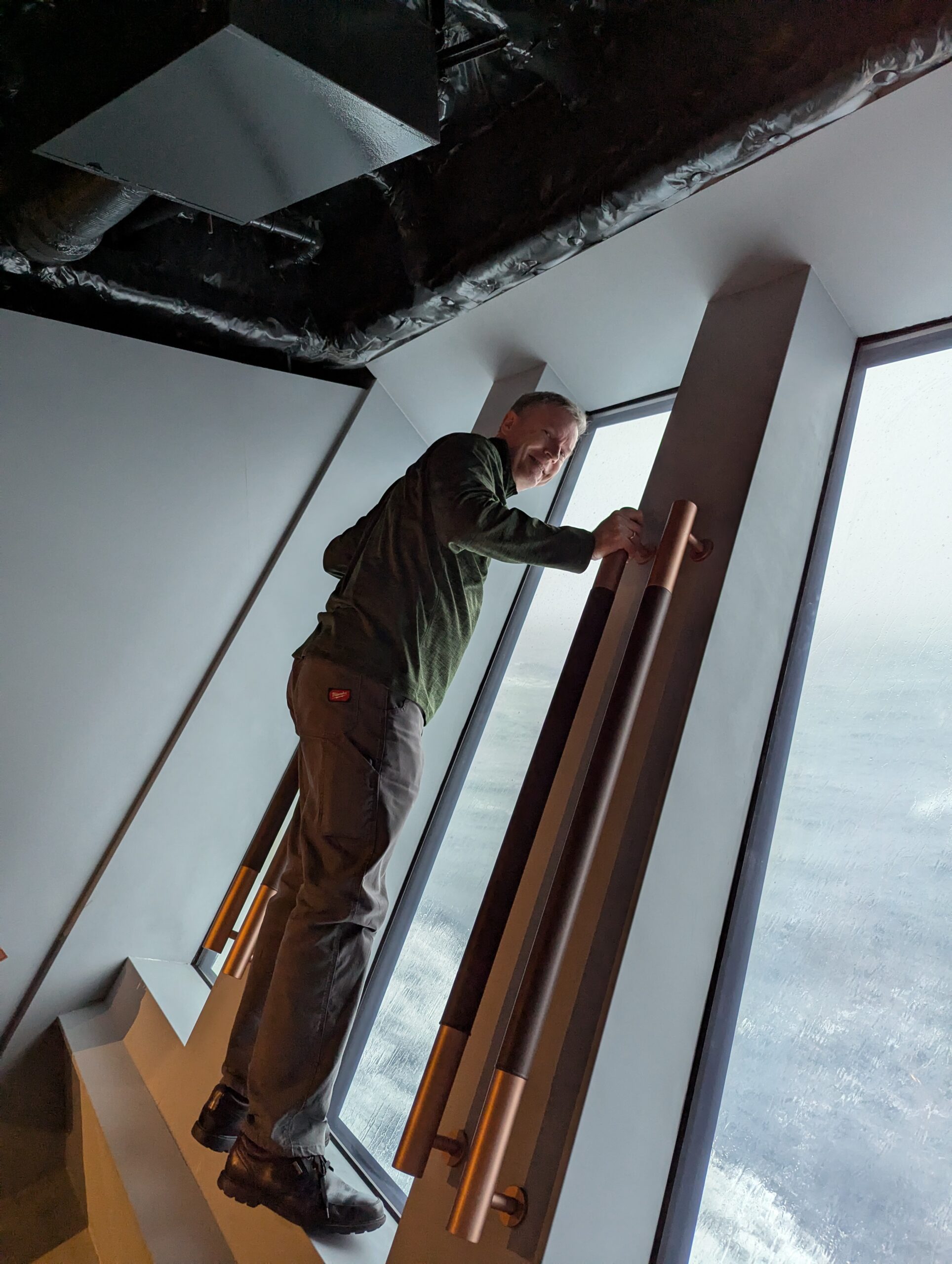
Hidden on the lowest passenger level of the ship, just above water level, is the lounge appropriately named “Hide.” It is a little tricky to get to, hence the name. The Hide is a quiet lounge with comfy chairs and angled windows allowing a dramatic view down into the seas. Liv Arnesen is the godmother of this ship, so the Hide displays artifacts from her adventures – including, of course, Antarctica.
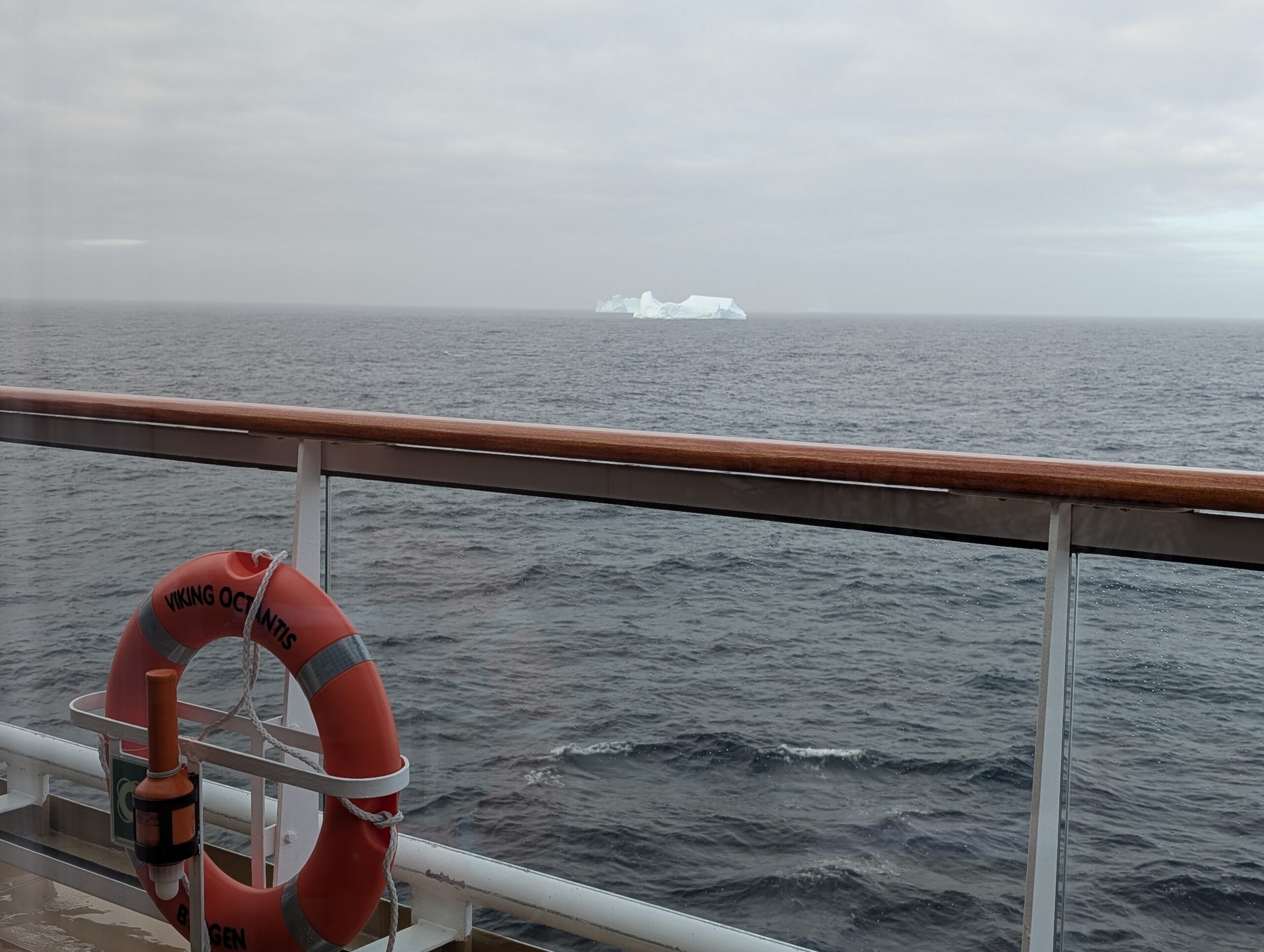
First sightings of icebergs make everyone rush to the windows. Us included. Like seeing the zebras in Lake Mburo, I suspect the novelty will wear off. “Oh look,” we will yawn, “another iceberg.”
Fort Point
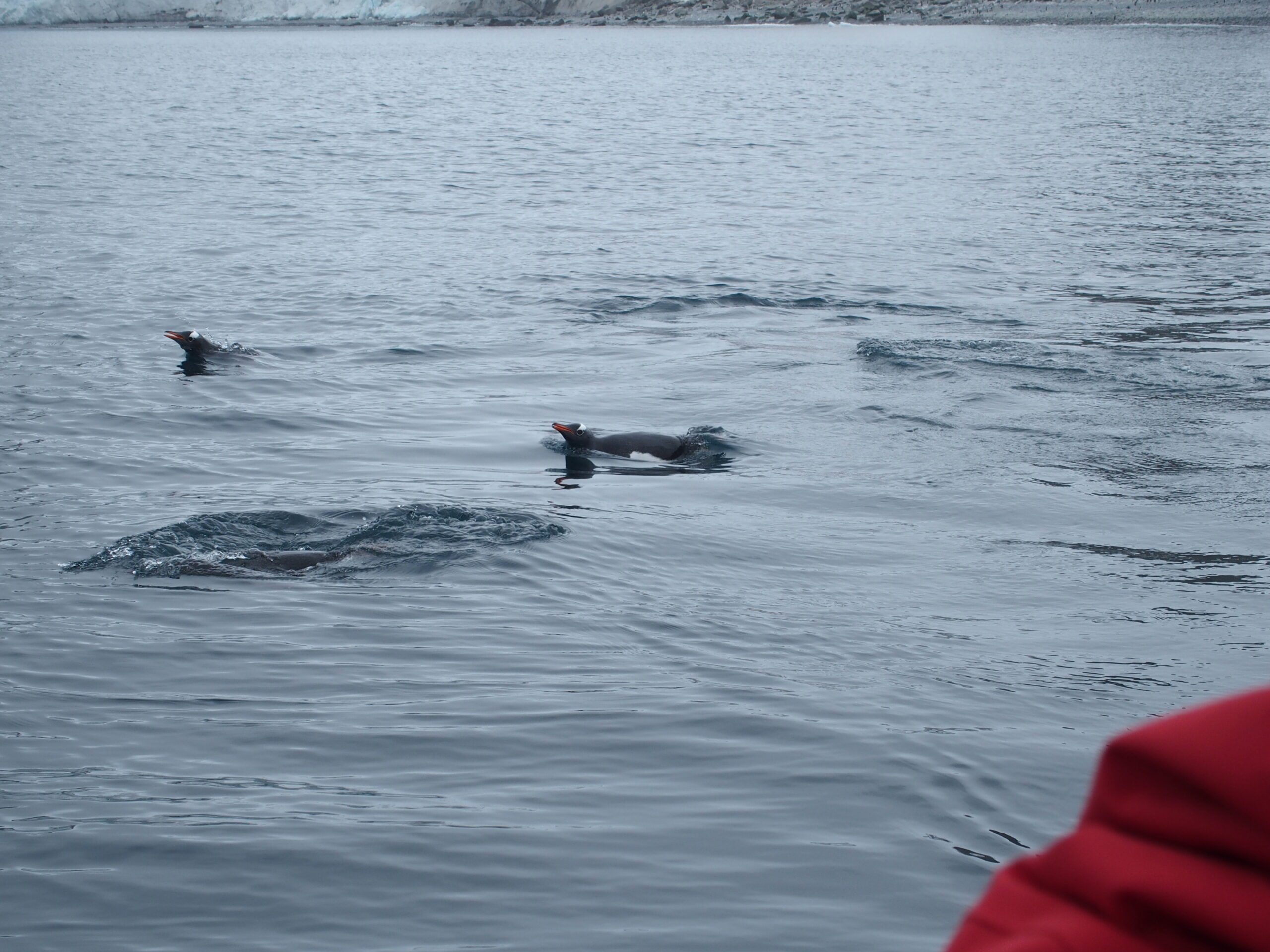
The day began clear and calm, sailing through a handful of icebergs. Water birds circled. In the distance was the plume of a spouting whale. As we drew closer to proper solid land, small pods of penguins jetted around us – breaking the surface like schools of fish.
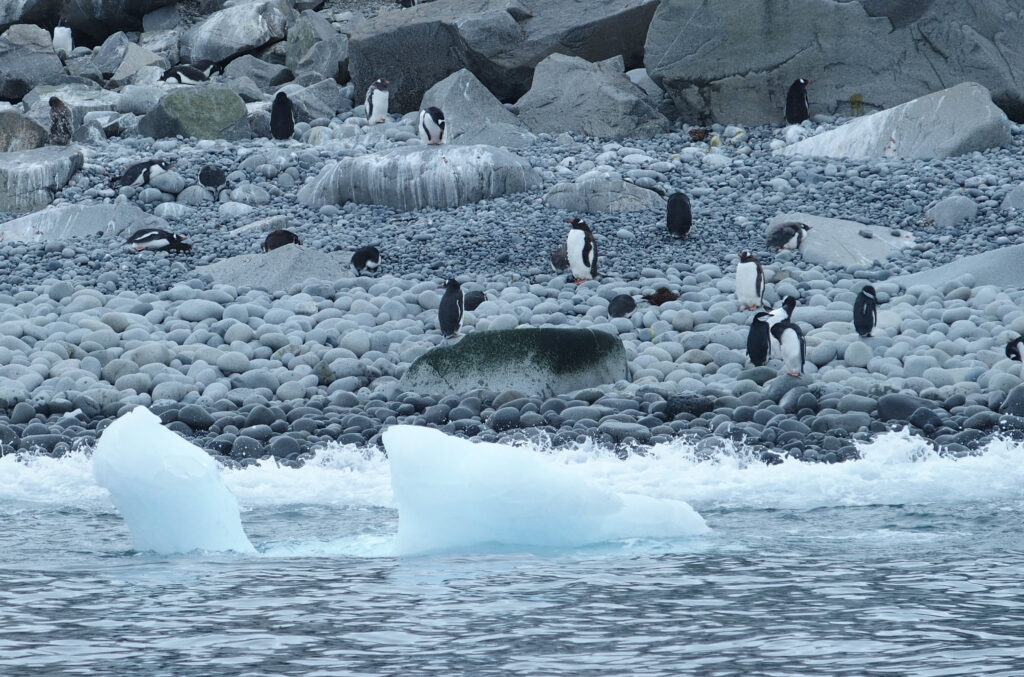
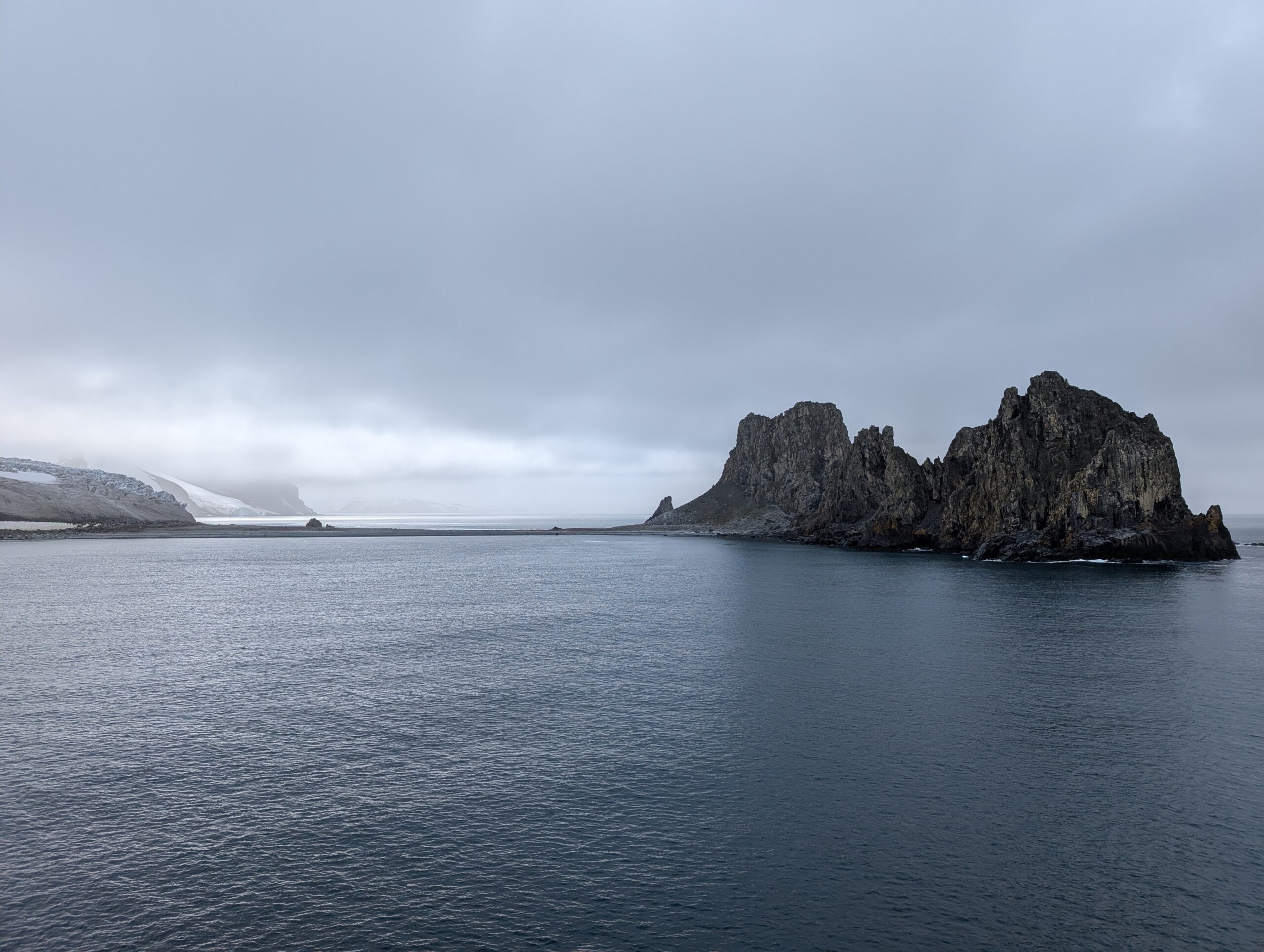
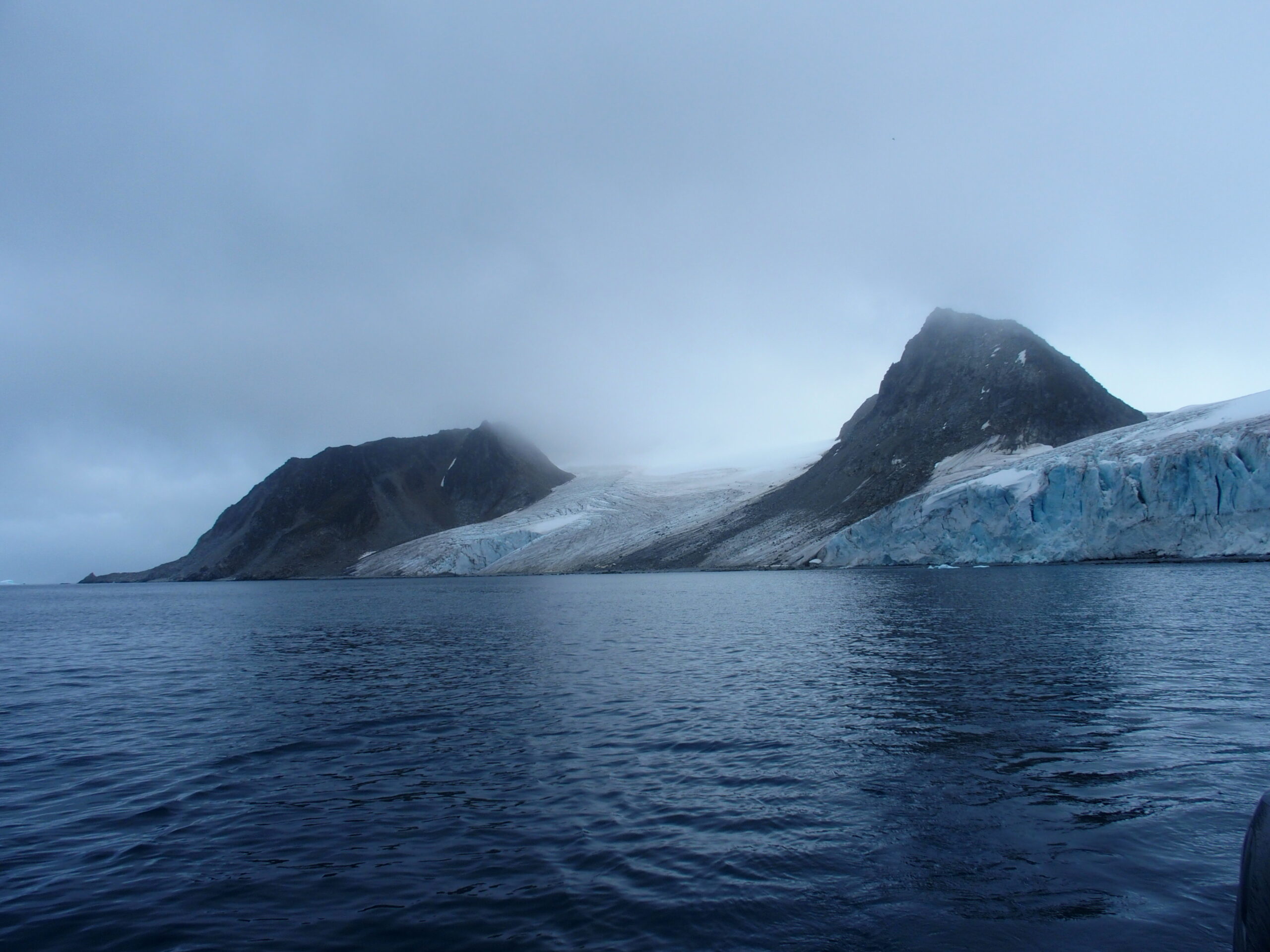
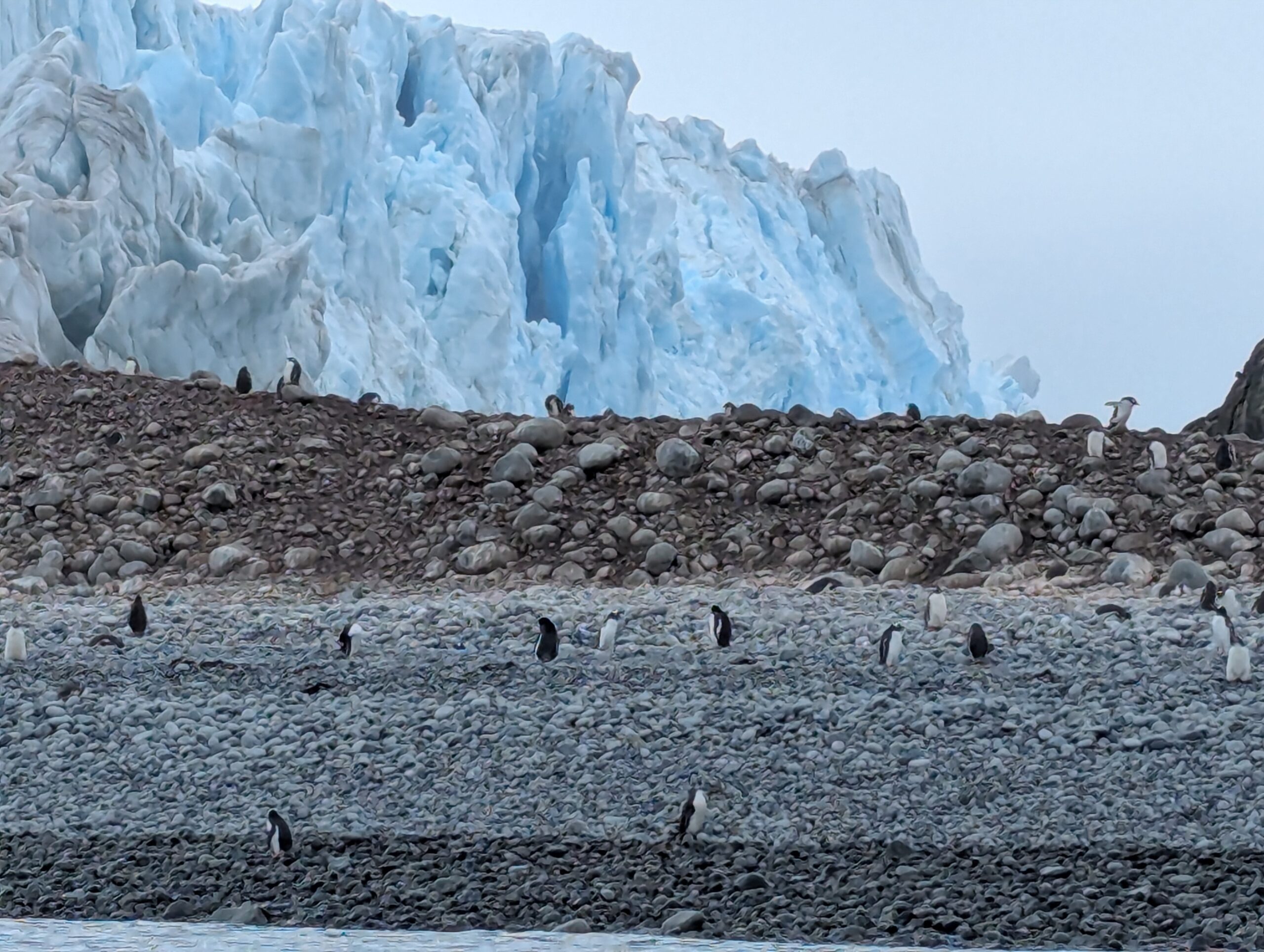
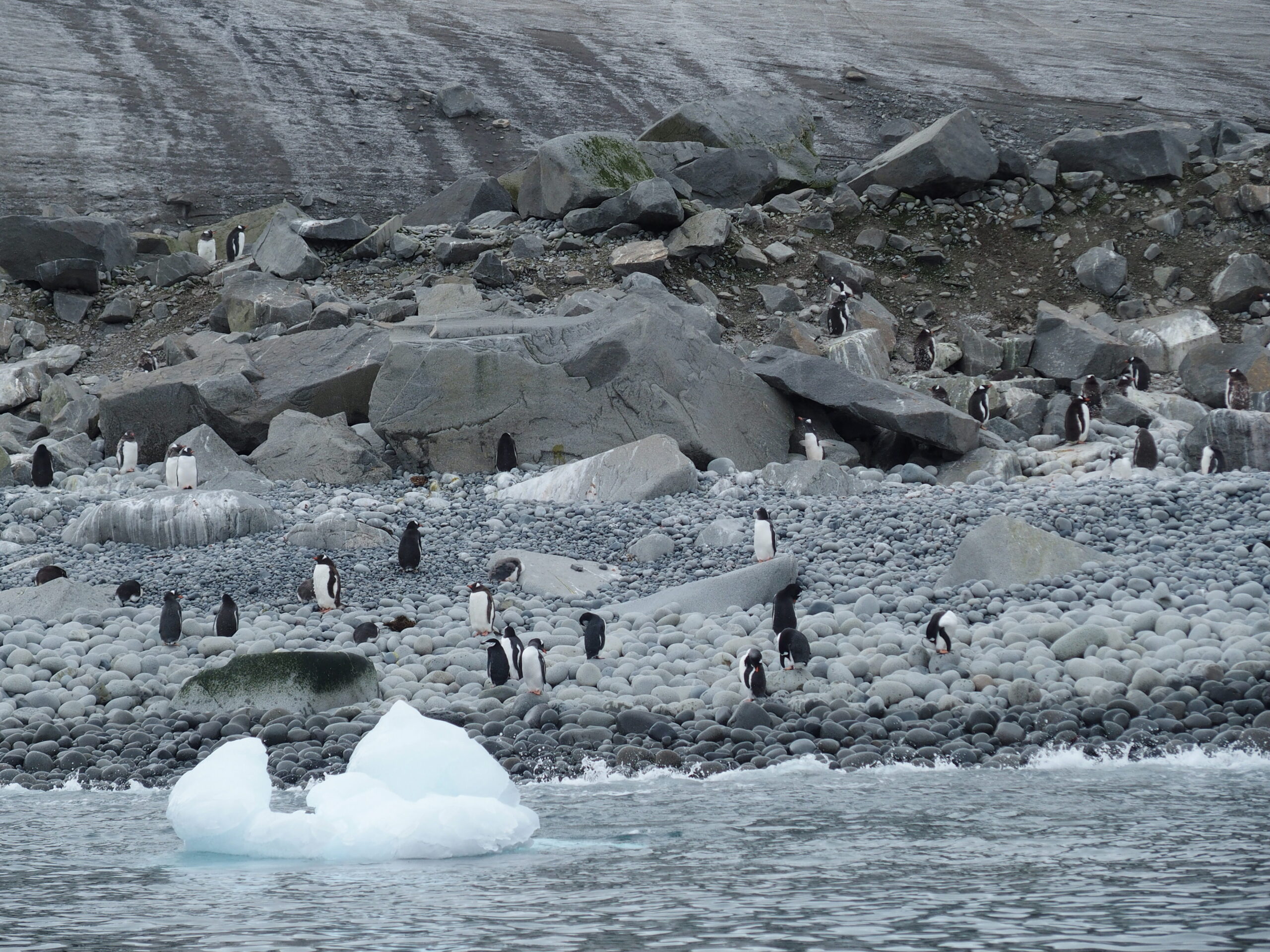
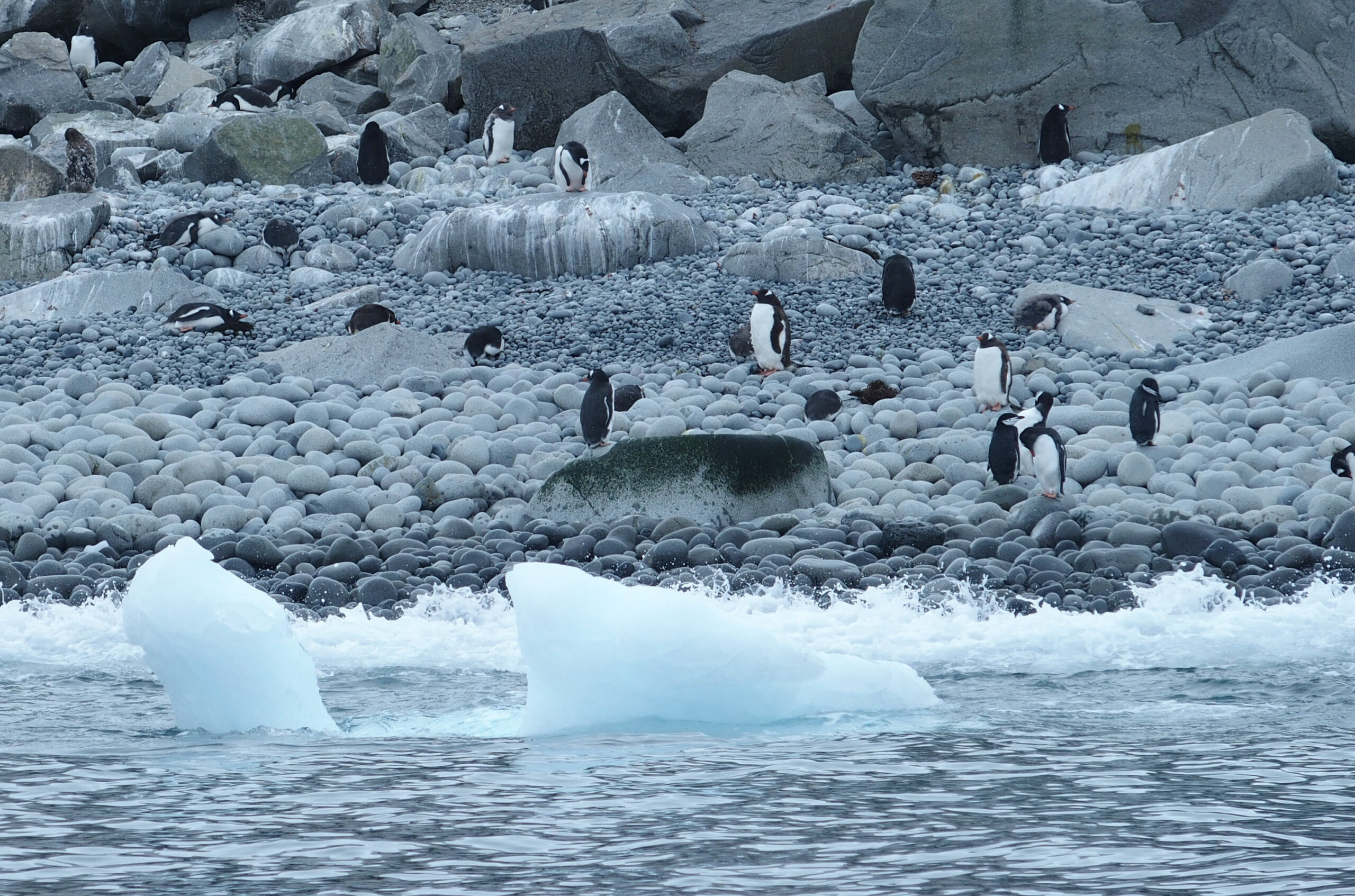
Clouds joined as we threaded between the South Shetland Islands on our way to Greenwich Island, the location of Fort Point. The islands are severe and inhospitable: weathered, grey stone capped with glaciers jutting out of the sea. Some of the ice has a blueish hue, a trait of ancient ice compressed over years. The penguin rookeries add a pinkish tint courtesy of penguin guano and their krill-heavy diet. When the wind shifts, the aroma of rookery assaults our noses – an amalgam of rotten fish and teenage boy.
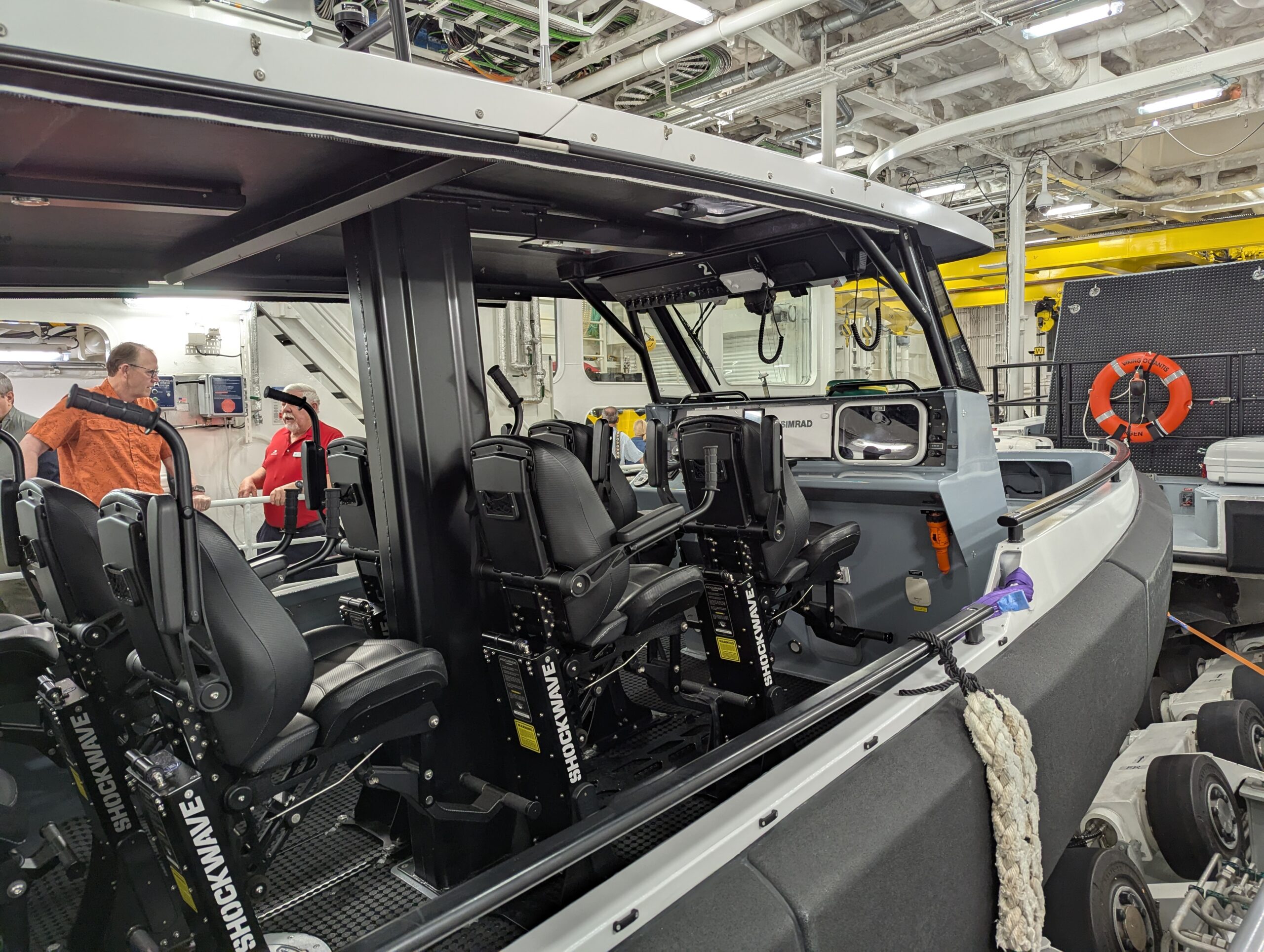
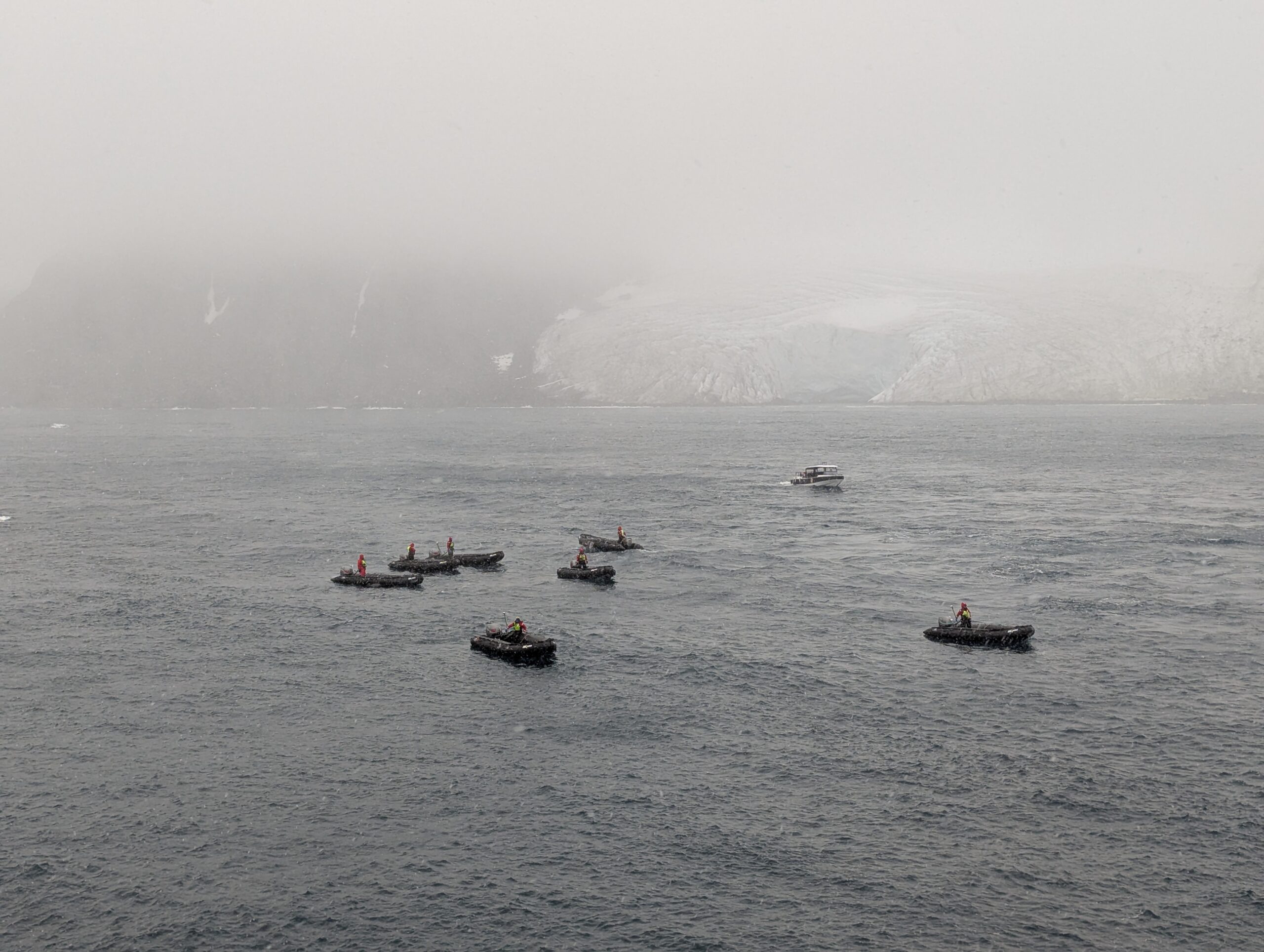
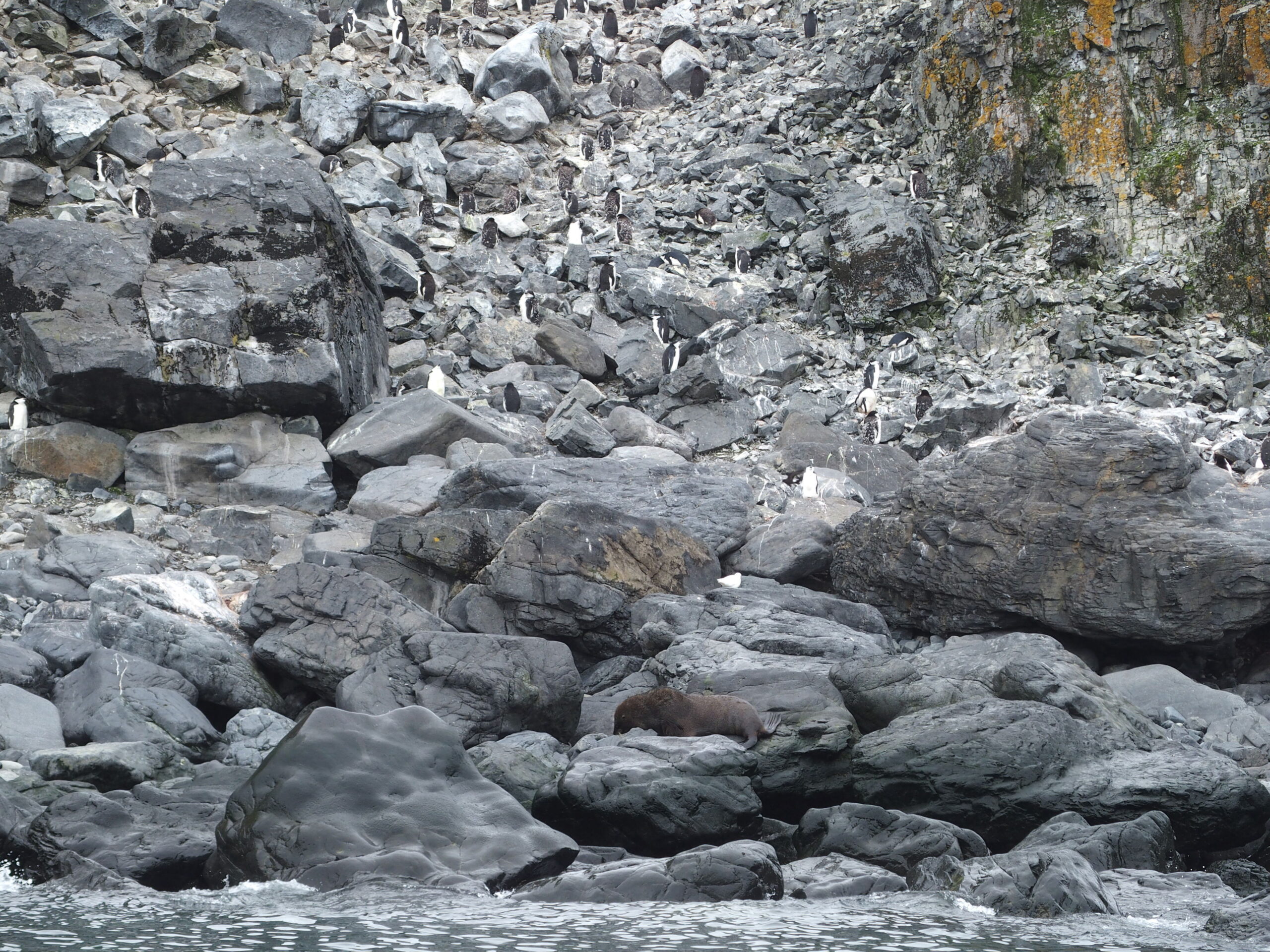
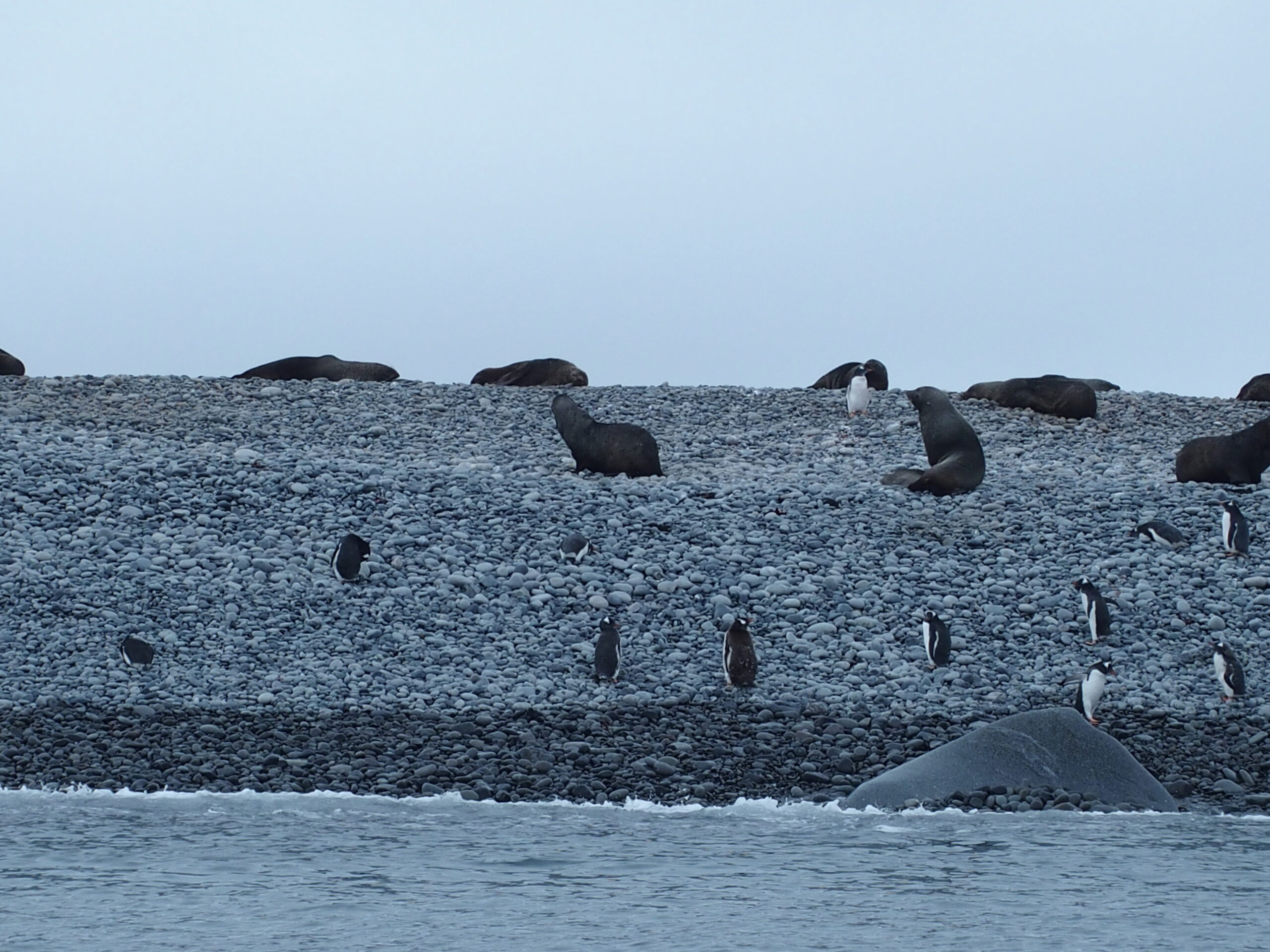
An active set of ‘teenage’ fur seals scrubbed our planned landing at Fort Point today. The crew determined it would not be possible to keep the curious wildlife and the curiouser passengers apart. Instead we cruised along the shore in zodiacs – other groups were out kayaking and in the Special Operations boats. Along the shore, leathery fur seals fought – or play-fought – one another. Inquisitive Gentoo penguins circled our zodiac hoping perhaps the boat’s engine churned up a meal from the sea floor. We knew each time we were downwind of a rookery.
The stark beauty of the ice and rugged coastline contrasted strikingly with the wildlife interactions. The penguins were neither afraid of nor seemed exceptionally interested in us. The seals couldn’t be bothered – we observed them as they were. Simple and extraordinary at the same time.
Then the weather began to change. We dressed comfortably; the ski goggles kept our eyes warm and safe. Yet it was clear things were turning for the worse. The crew cancelled some of the afternoon excursions and pulled the passengers back on board.
As we left, the snow pelted the windows in rapid bursts. The seas became more active. After dinner, we went to The Hide to experience the waves crashing against the window. Despite the swells, neither of us were even remotely seasick – the engineering of the ship made for an exciting but comfortable ride.
Leave a Reply