
The guides and travelogues all say the same thing: if you have stepped on any land south of the 60°S latitude, you have stood on the Antarctic continent.
I mean, yeah …but, have you really? Were you really on the land mass where, theoretically, you could walk all the way to the South Pole?
Today we stepped foot on our 6th Continent. The real deal. That finger of the Antarctic peninsula known as Graham Land. As impractical as it would be, we could have walked to the South Pole from there.
We did it. We were there.
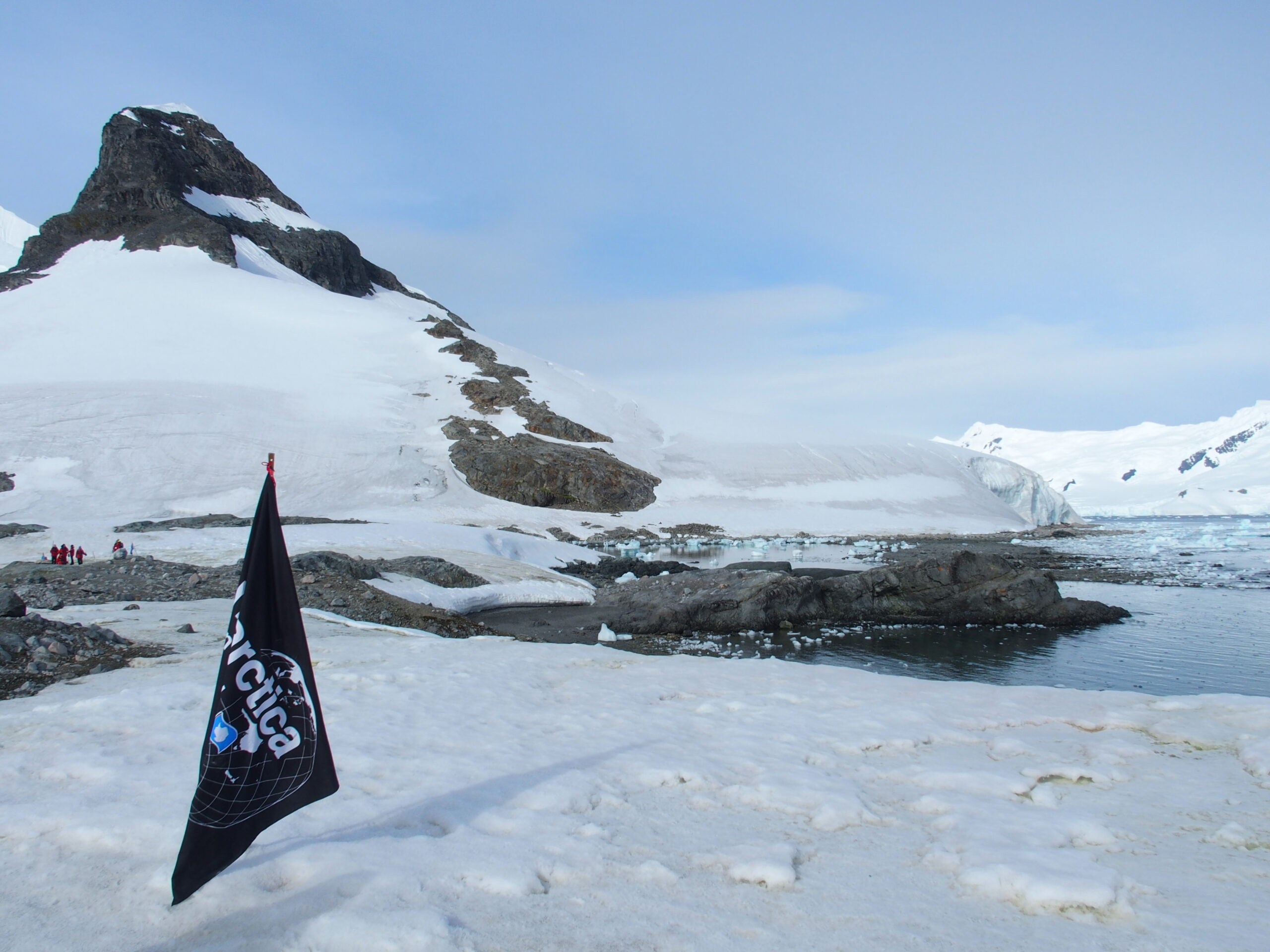
To be fair, we were not the only people there. I am guessing every one of our fellow passengers stepped off for what is probably a once in a lifetime event. The expedition team put up flags for us all to pose with – needless to say, we could not pose with the “Last Continent” one as Australia still eludes us.
The day began gray and uninspiring. Mist or clouds covered the surrounding peaks. The crew shoveled snow off the deck from the previous evening’s weather. Nevertheless, my eyes were wide, trying to absorb every glimpse of a place I never expected I would see.
And it was still.
There was the low rumble of the ship’s engines. The distant whir of zodiacs shuttling the expedition team to the landing site. The waves lapping against the hull. No howl of wind. Just still. Still enough to hear your heartbeat.
But we were not alone.
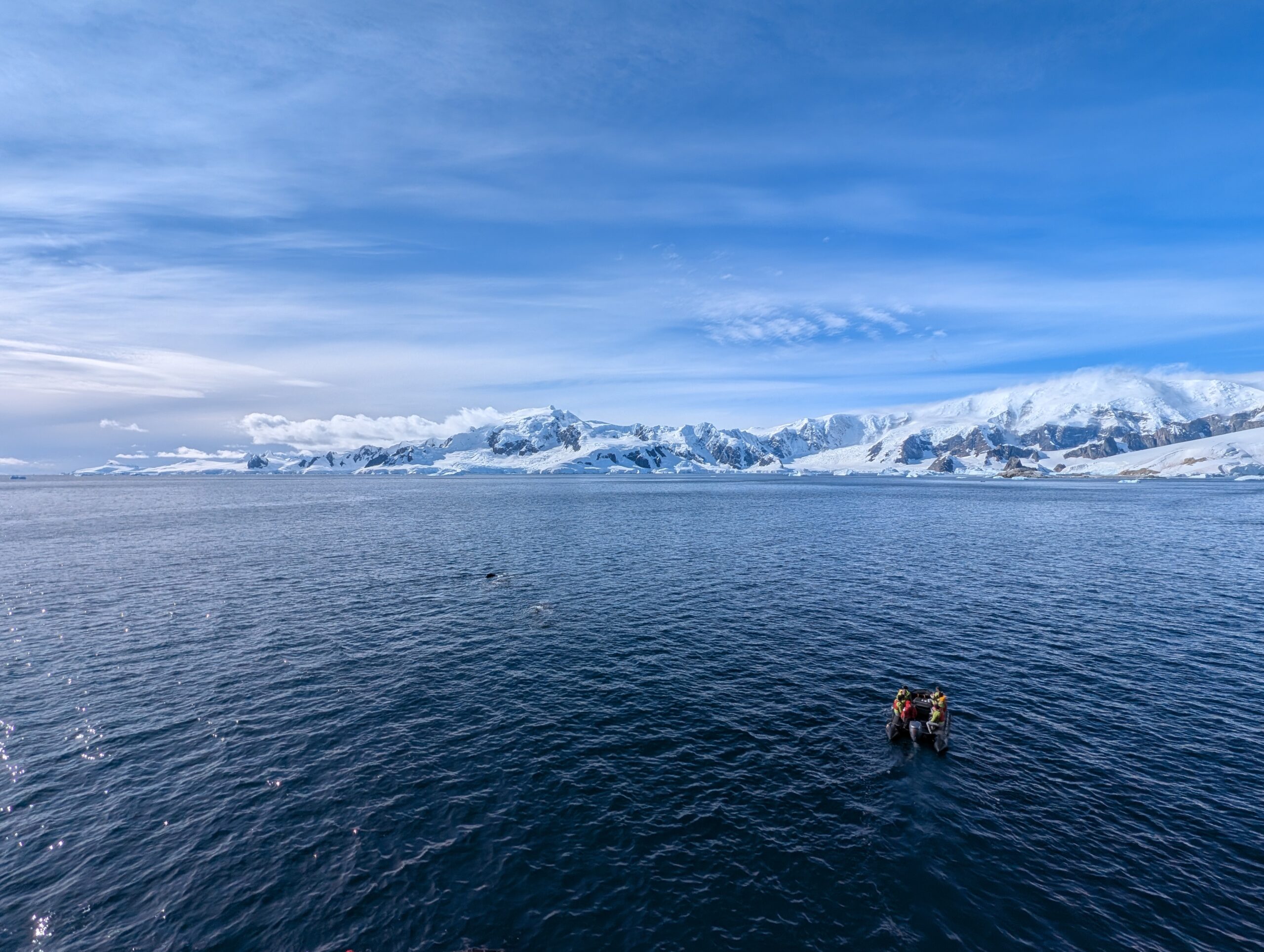
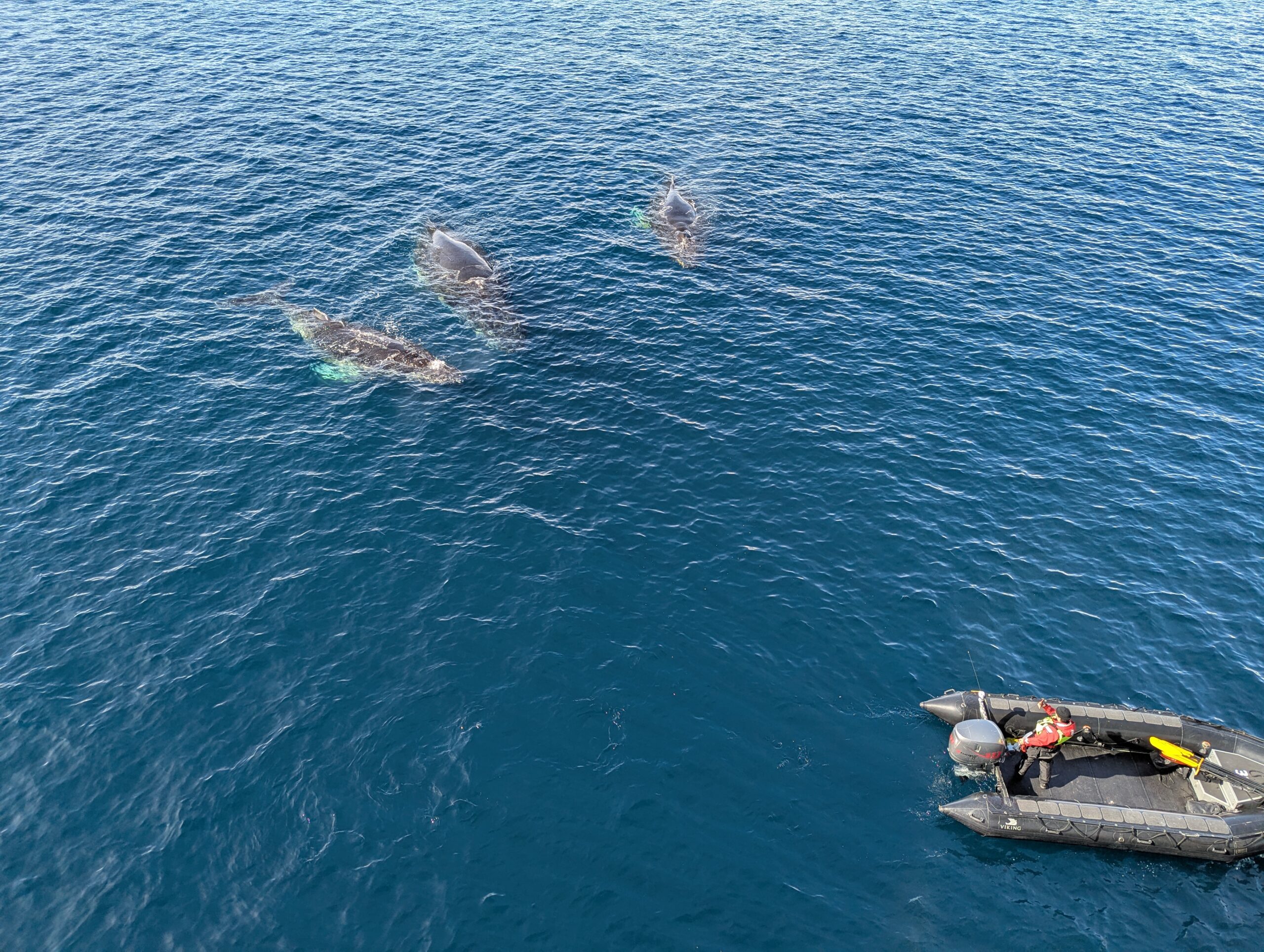
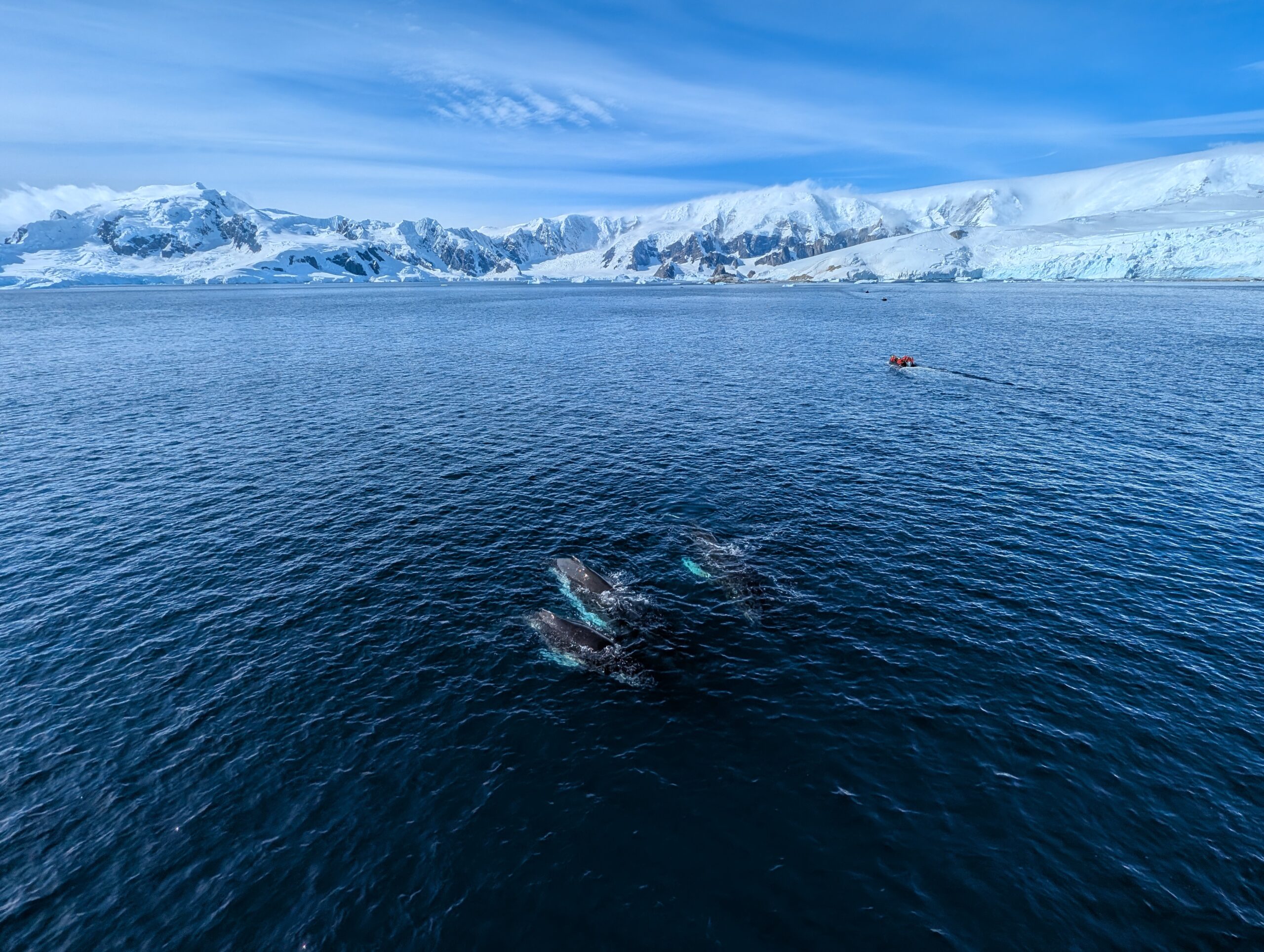
The Expedition Leader later dubbed our time in Charlotte Bay as “whale soup”. Without any effort, we saw over a dozen humpback whales – some right outside our cabin window. When humpback whales ‘sleep’ it is called ‘logging’ because they bob on the surface like …you know, logs. They don’t sleep in the same way humans do – they disengage half of their brain; the other half remains active to regulate breathing.
There are no words to describe what a stunning and magical experience this was. We gazed, transfixed. The whales were just there; right outside our window, hanging out and resting. They were easily visible in the clear water. Every minute or so, there was a hiss of respiration accompanied by a small plume of spray. They barely took notice of us and that was amazing.
Landing
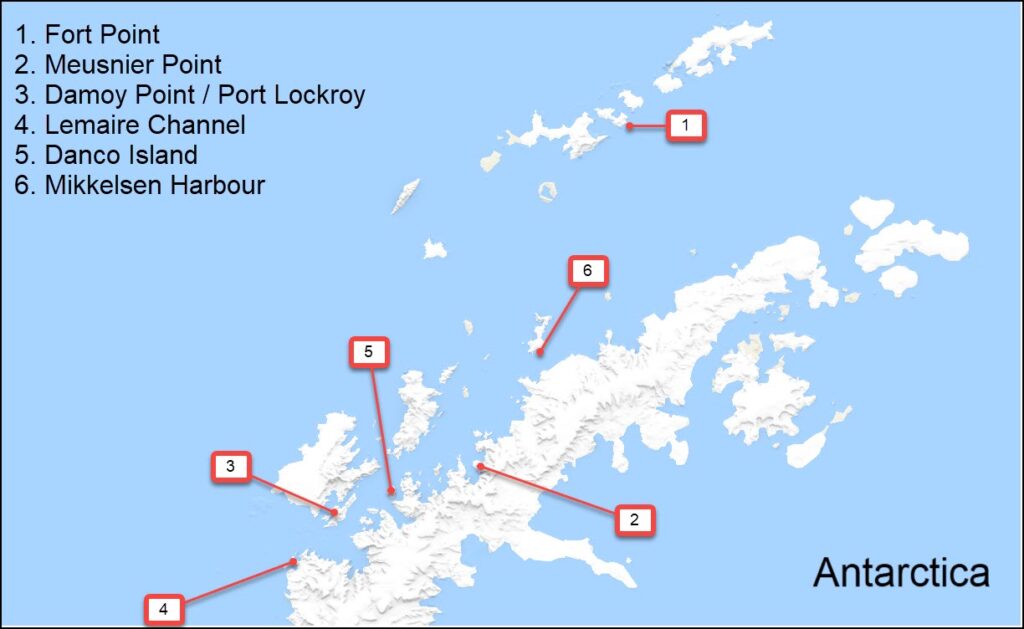
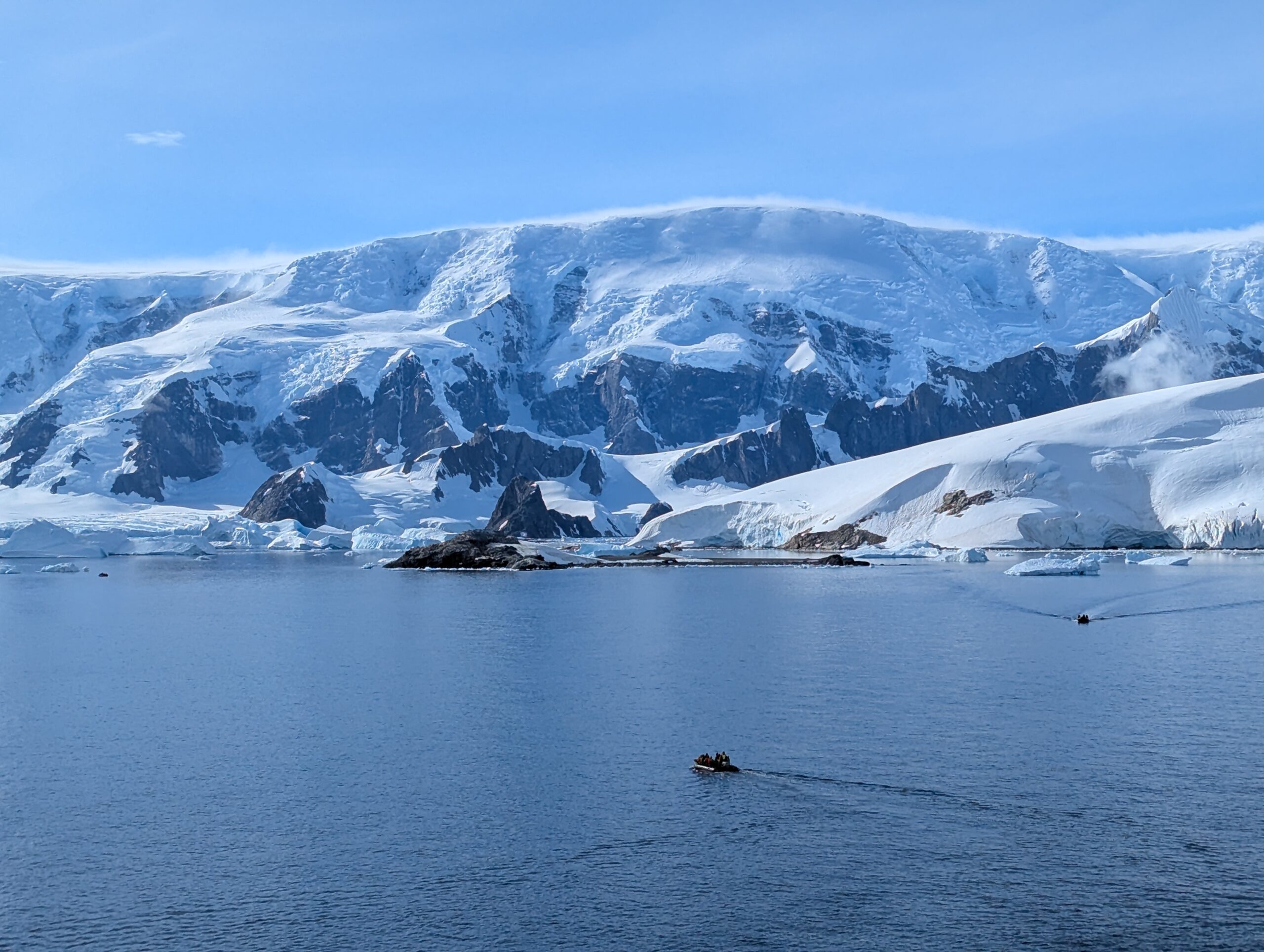
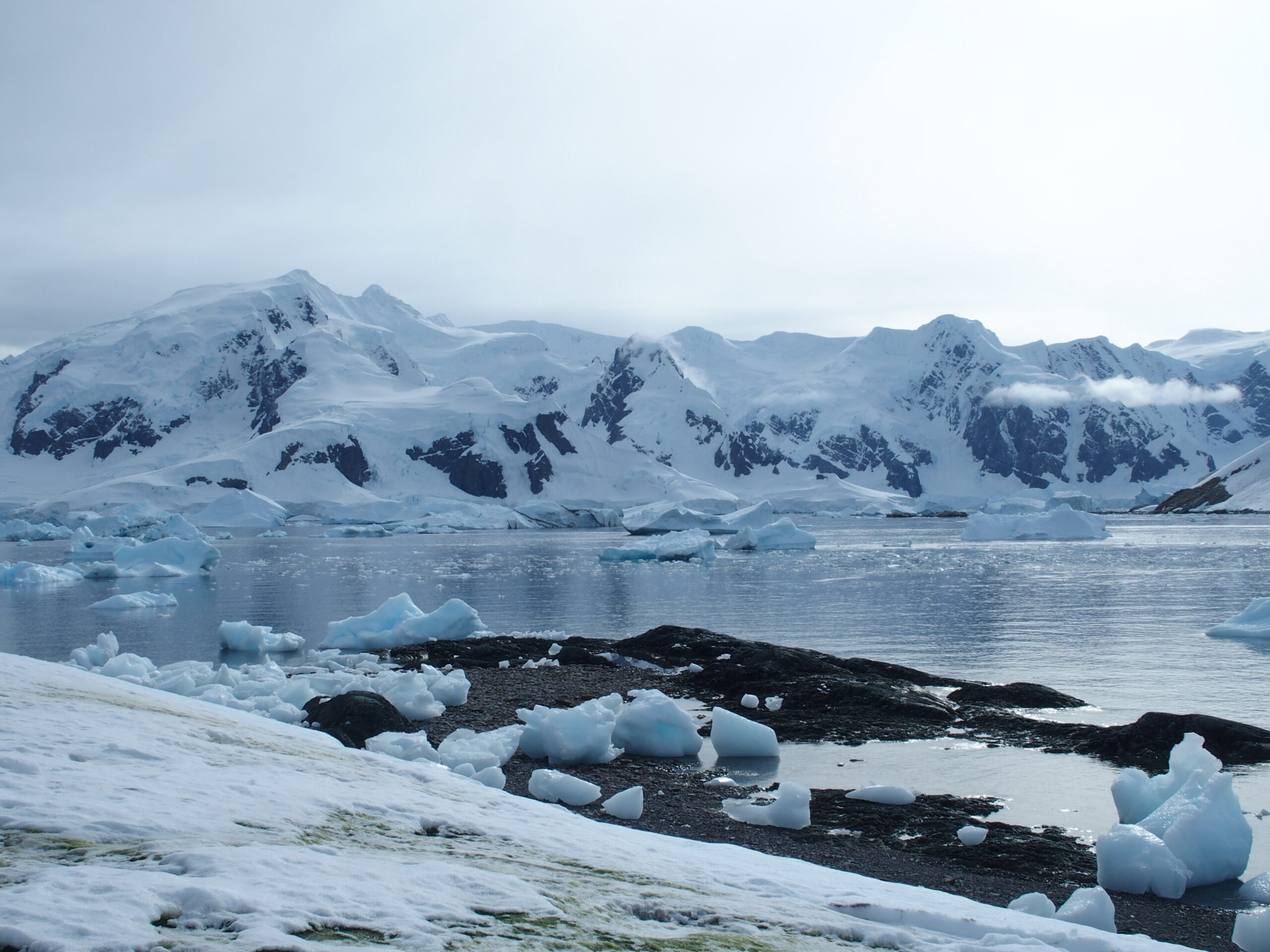
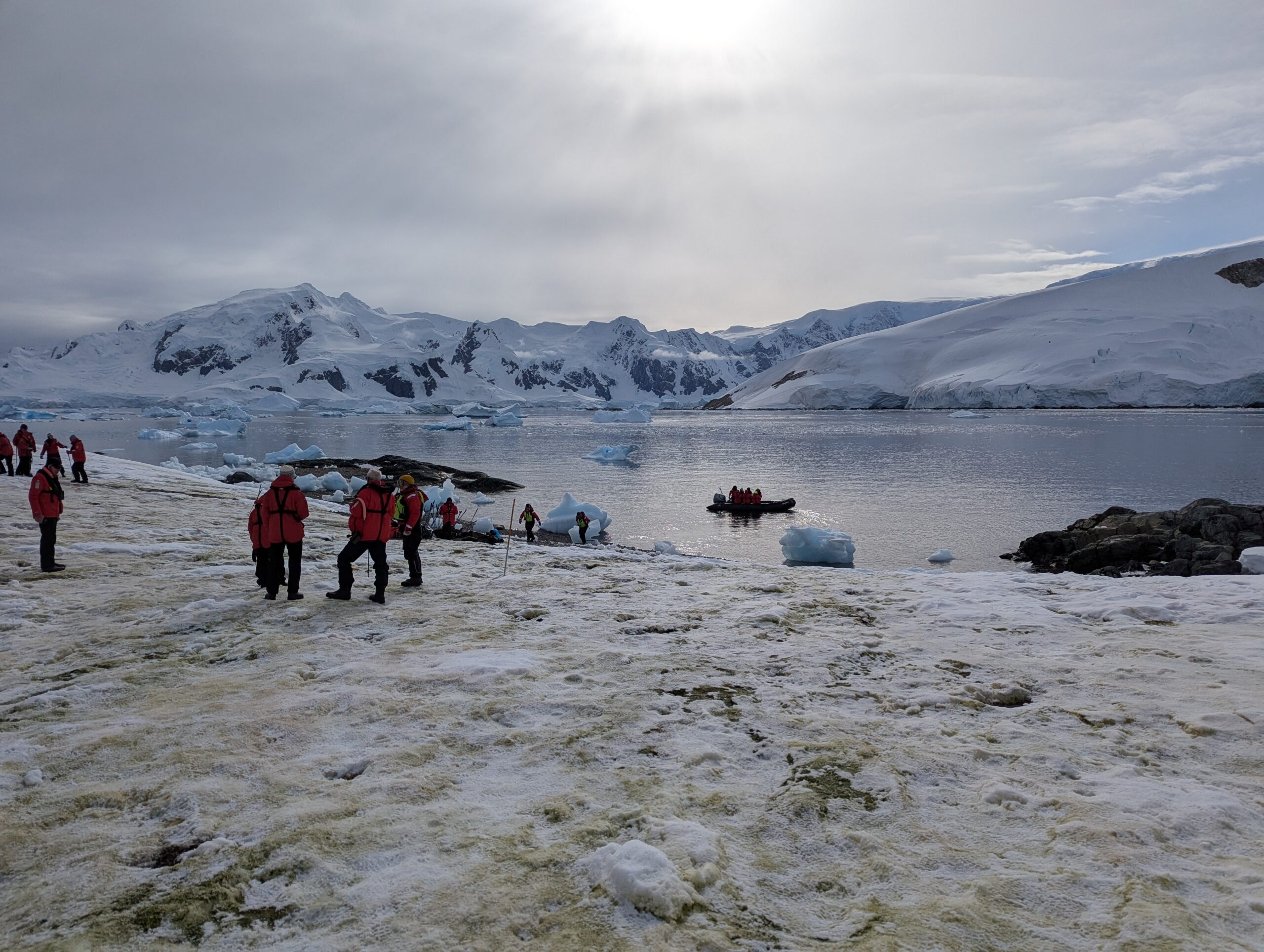
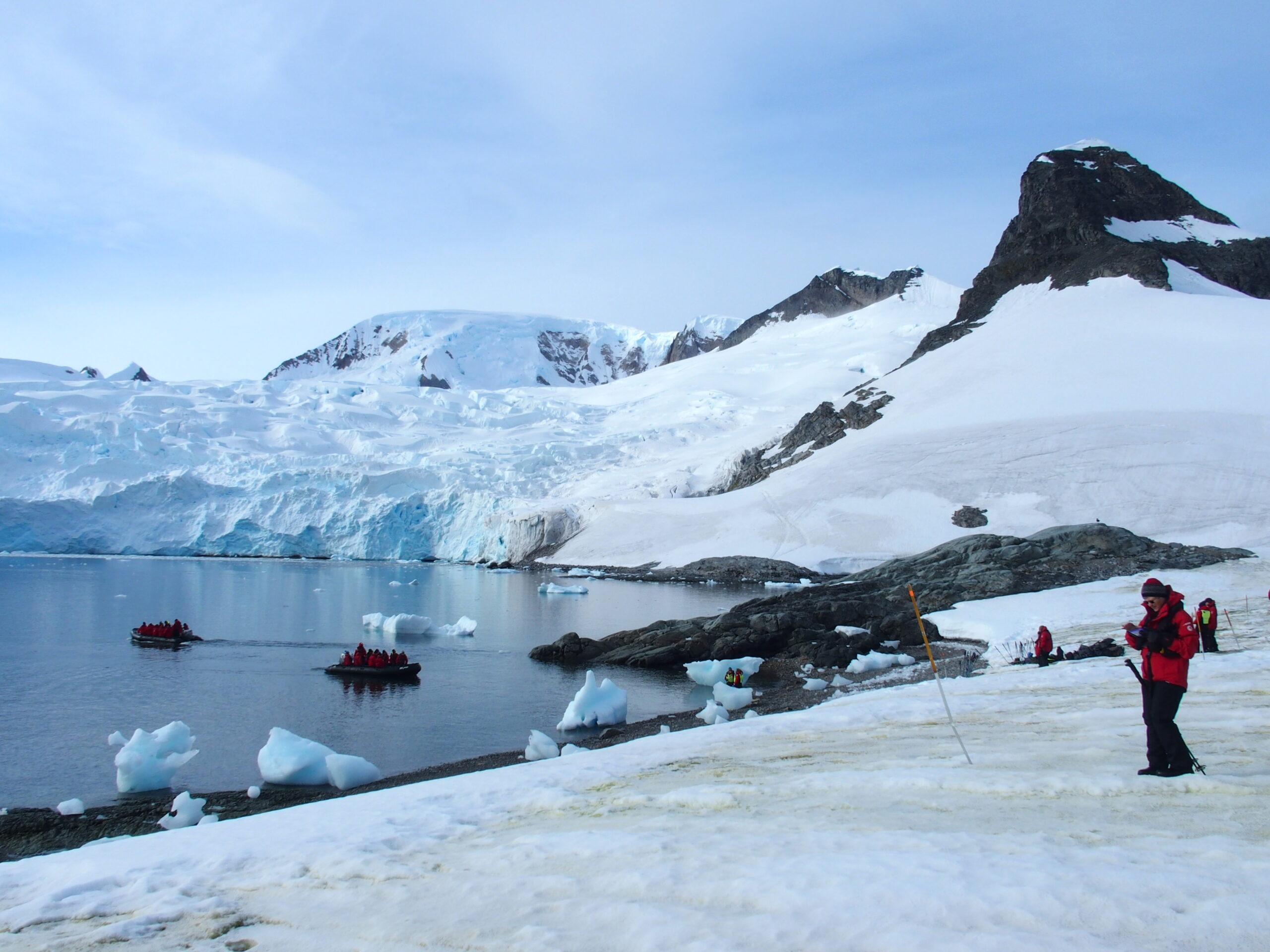
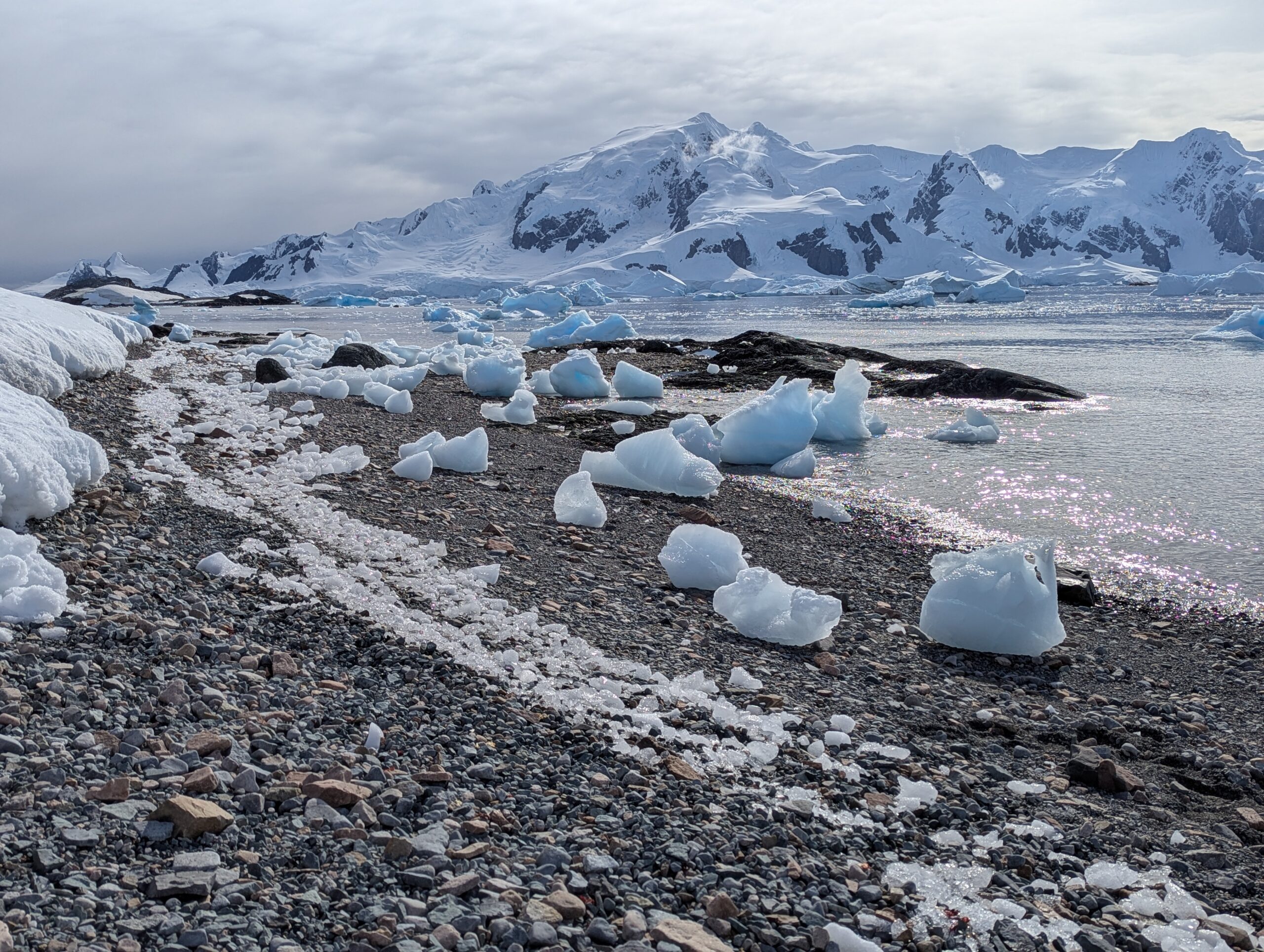
Our landing was at Meusnier Point, a little spit of land off Charlotte Bay. (Editor’s note: today I learned Meusnier Point is named for the person who conceptually designed the first dirigible.) We shuttled from the ship to our landing spot in Zodiacs, navigating around the cluster of ice in the bay. Despite the good weather and the reasonably short commute, the Expedition Team always lands with several days of emergency gear (food, shelter, first aid) in the event things go pear-shaped. The pile of equipment marks our landing point. A series of hiking poles indicate the safe area where we are to remain. Beyond these poles lay dragons, I am inclined to believe. Coming from the Minnesota winter, the temperatures at about freezing (30°F, 0°C) are almost summery.
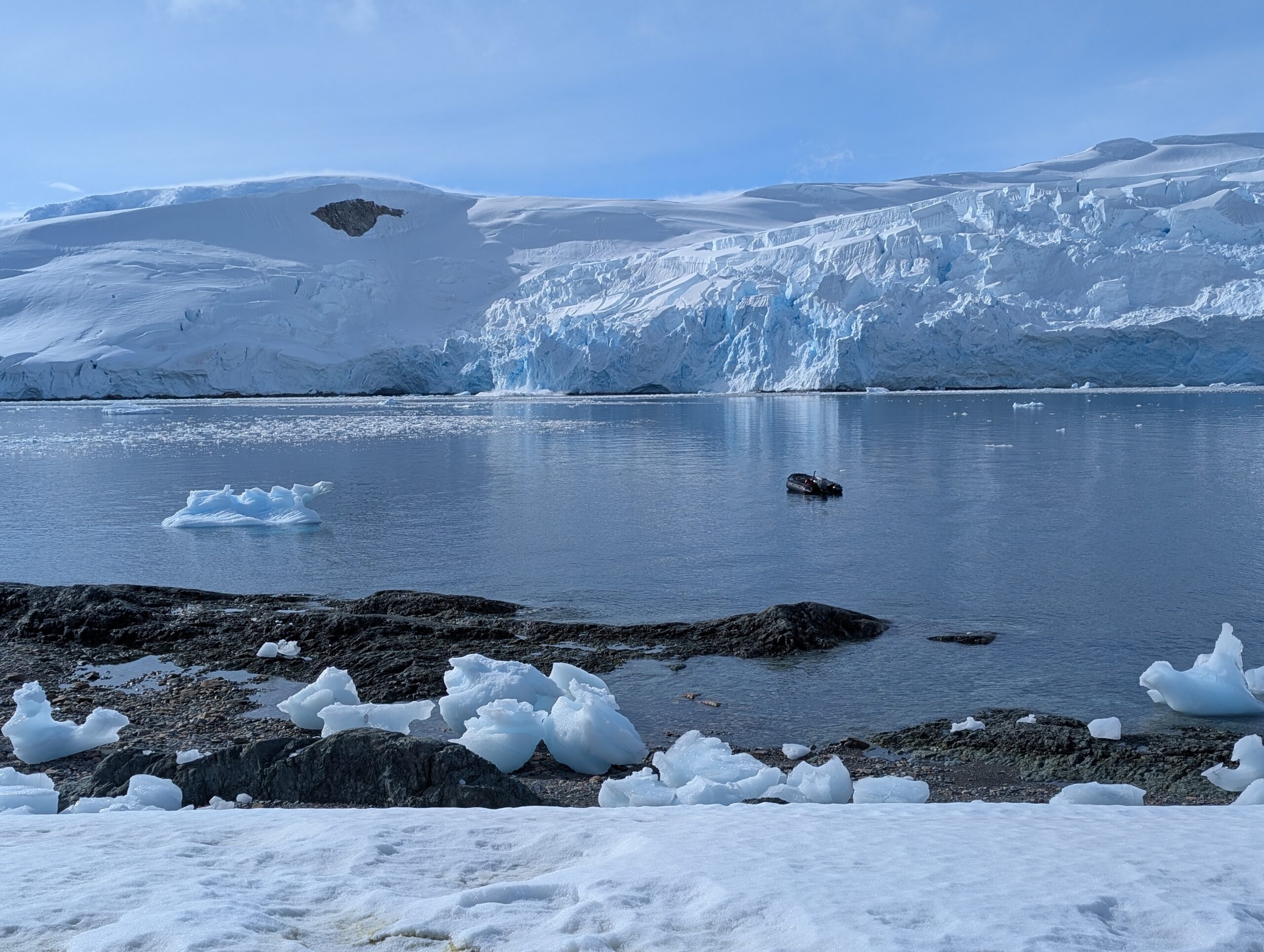
The sun came out to welcome us, glinting off the gems of ice washed ashore. No wildlife apart from our red-jacketed fellow passengers: “red penguins” is how some of the Expedition Team refer to us. The wind is non-existent. The only sounds are the crunching of boots on ice, the low murmurs of human voices and the distant engines of our Zodiac shuttles – IAATO restrictions limit only 100 red penguins ashore at a time. The lucky few catch a glimpse of a calving glacier before its signature crack and thunder reach our ears – taunting us that we were too late to see it plunge.
Ice, rock, and water. Stark. Equally familiar and alien. So much to absorb. I am amazed, humbled and grateful – and feel incredibly tiny in this enormous environment. I cannot believe we were actually here.
The clear skies remind me how fortunate we are. Some sailings are unable to land and, due to the weather systems the continent generates, may find the continent shrouded in fog. Our experience could not have been more perfect.

Leave a Reply