Once again, the weather held. I hear the stories of people who travel this far only to not see anything and be denied landing on the continent. We have been very fortunate.
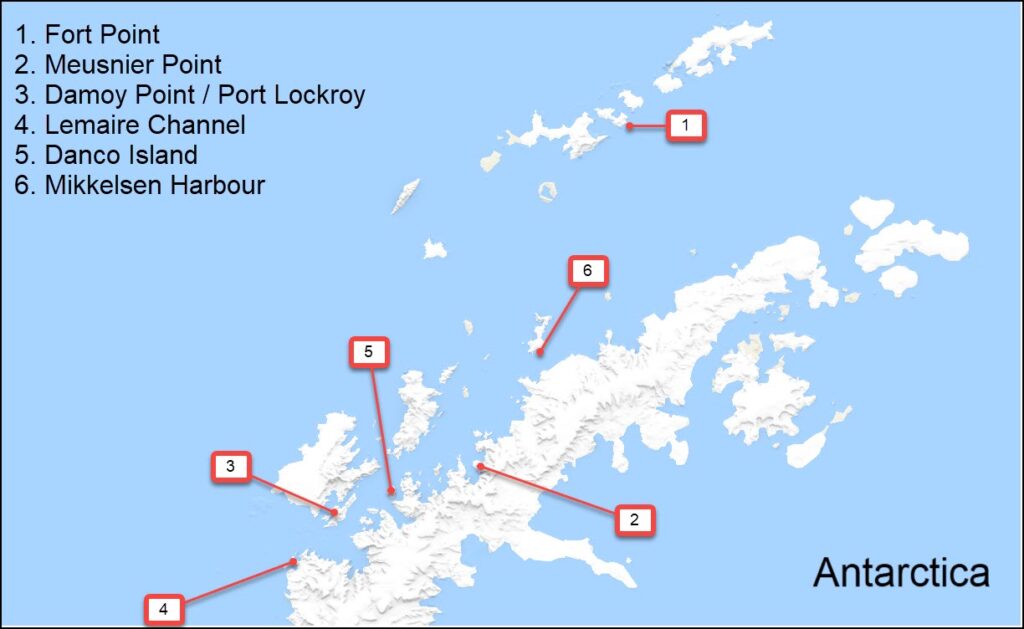
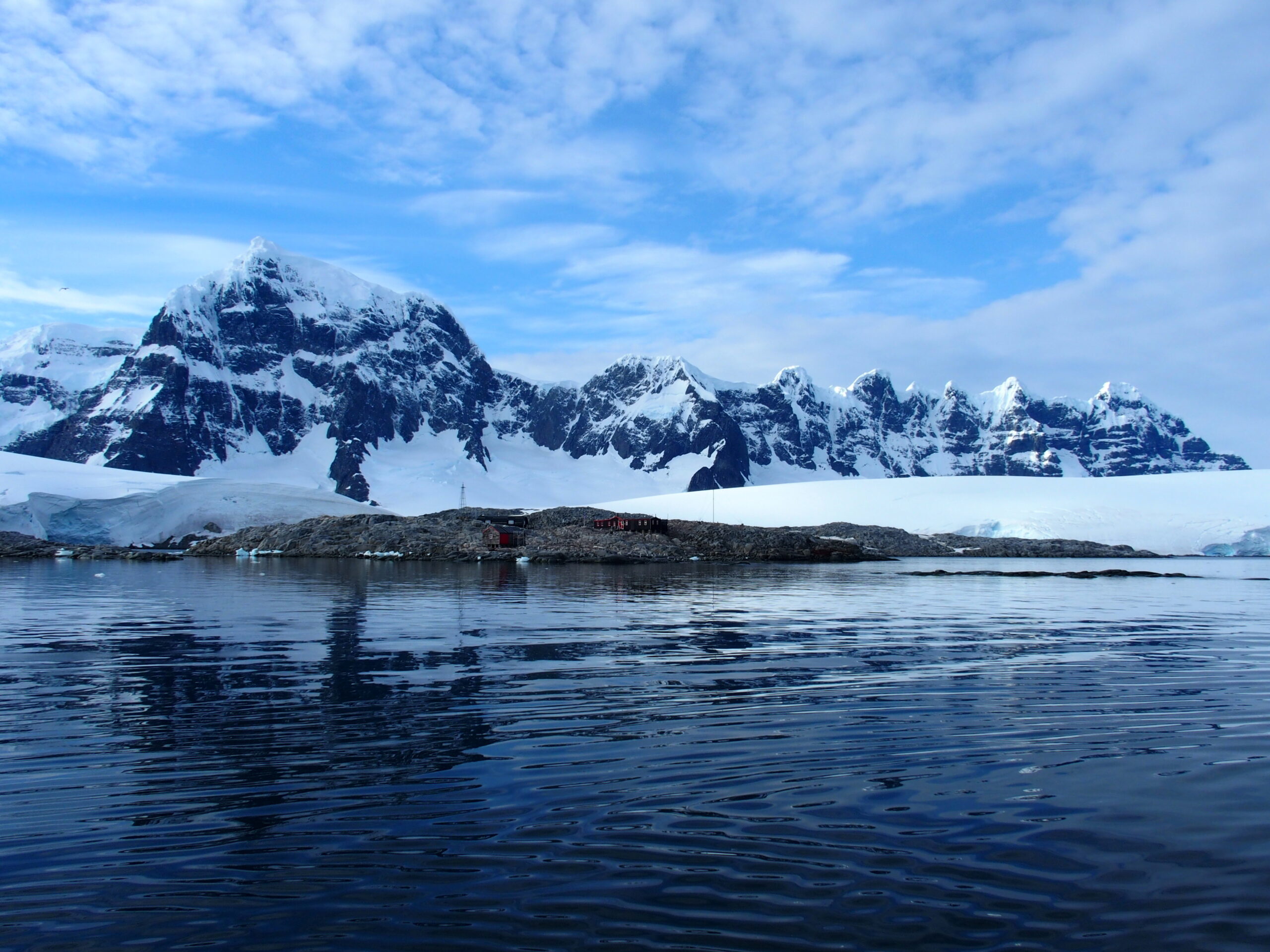
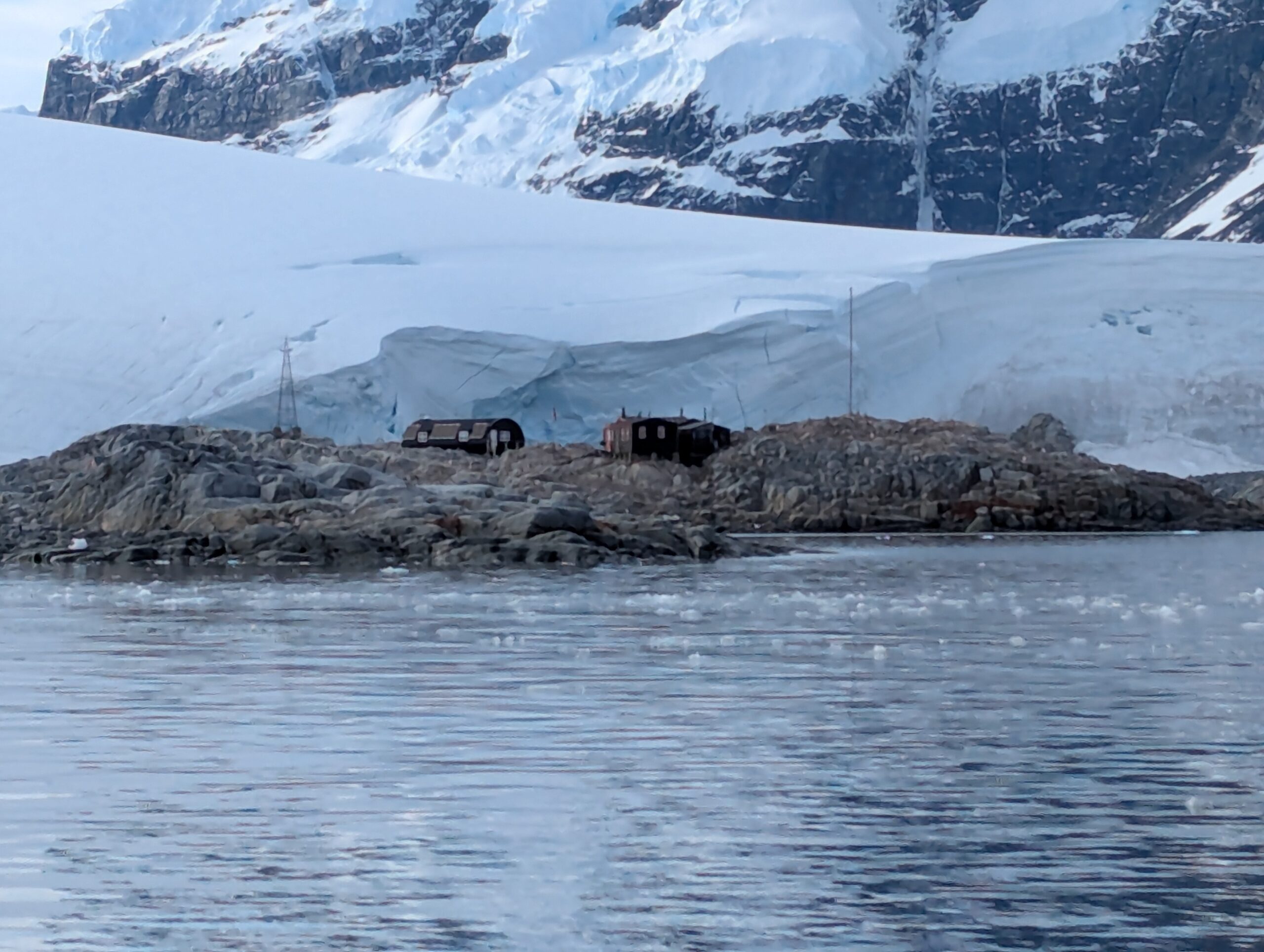
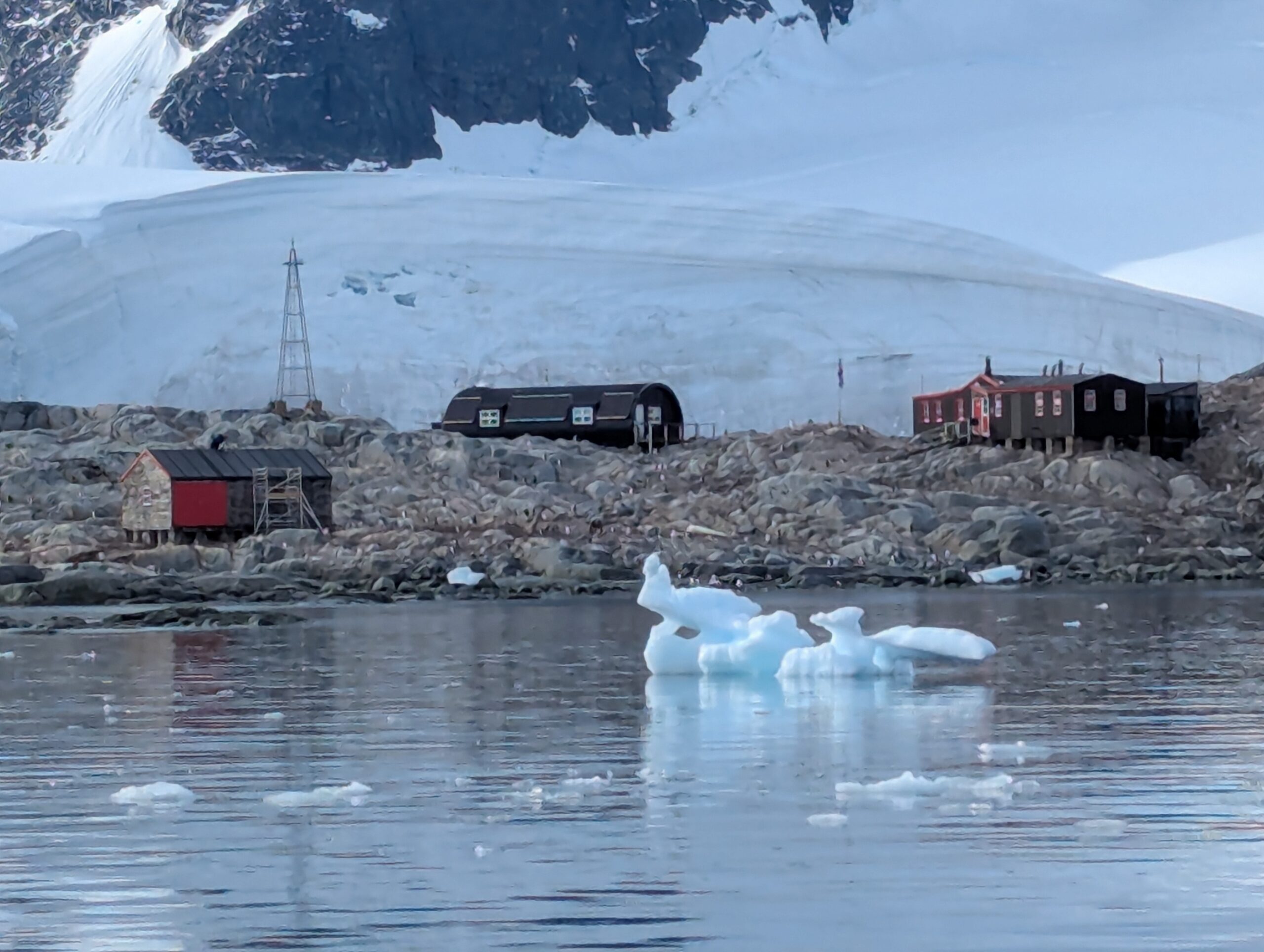
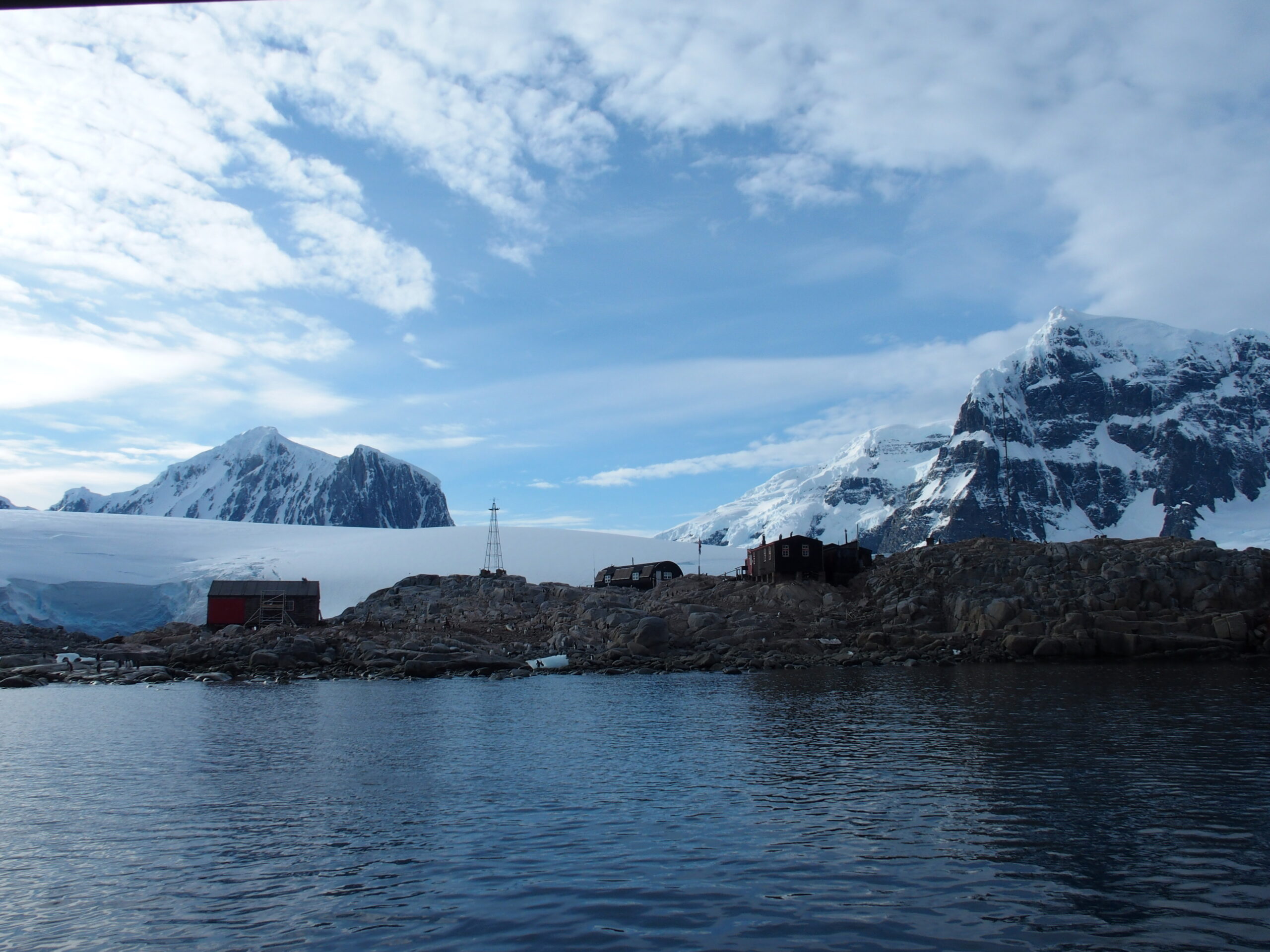
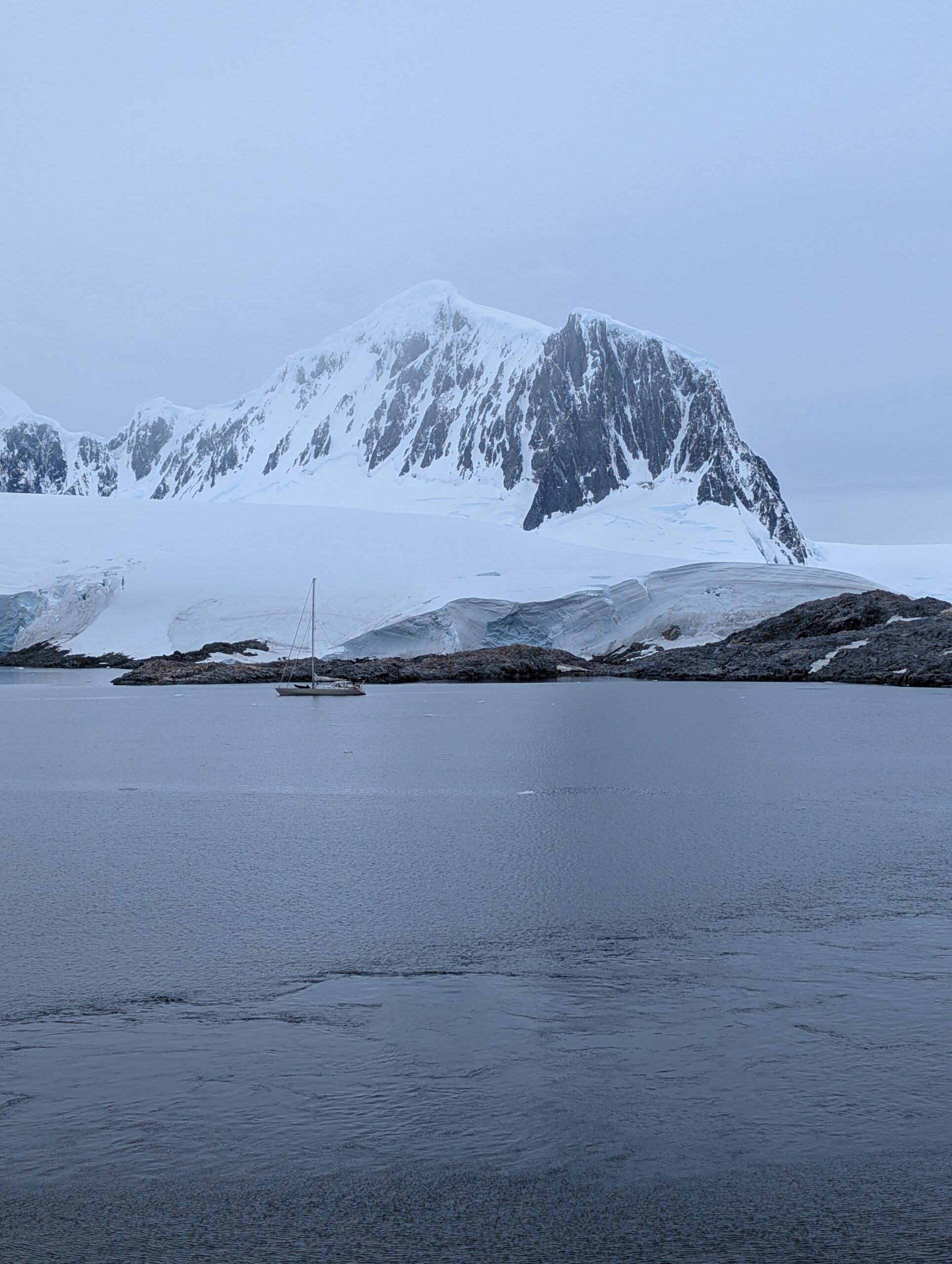
Today we spent on and around Wiencke Island: first viewing the wildlife near the British base at Port Lockroy then landing to the old base at Damoy Point. Port Lockroy is a major tourist stop in this region of Antarctica. Smaller ships are able to land visitors but, instead, we had some of the base folks come aboard and present a lecture.
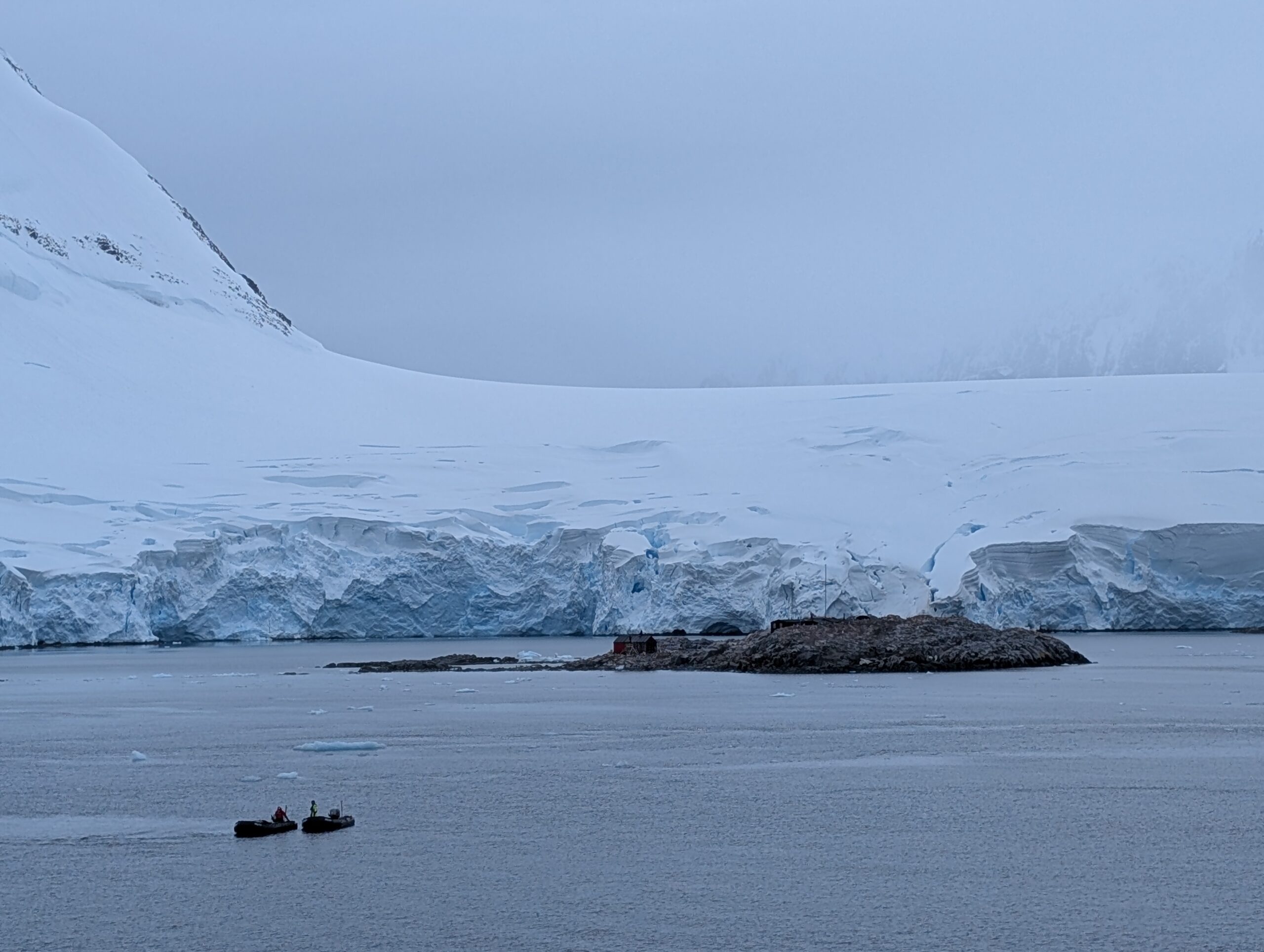
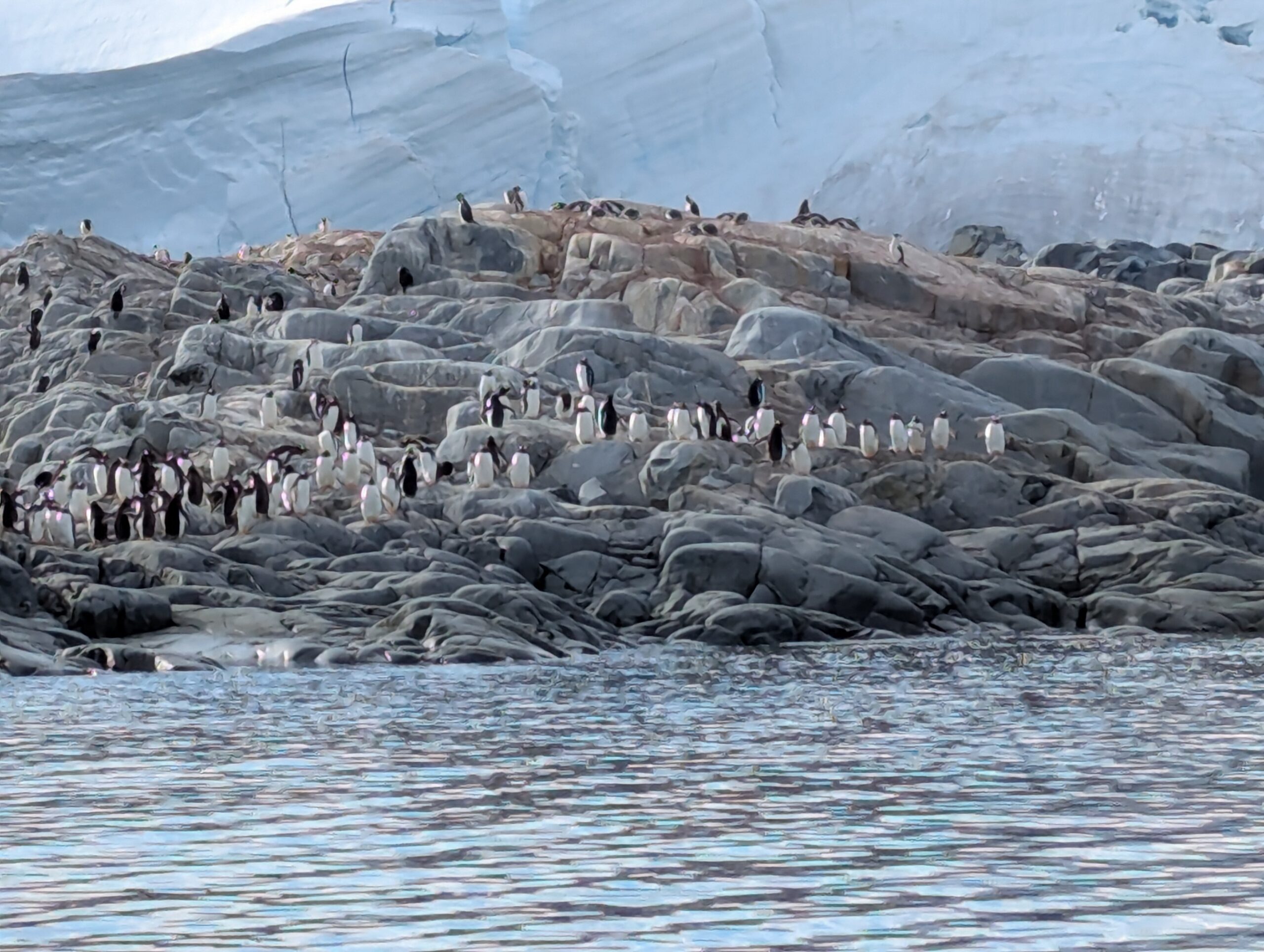
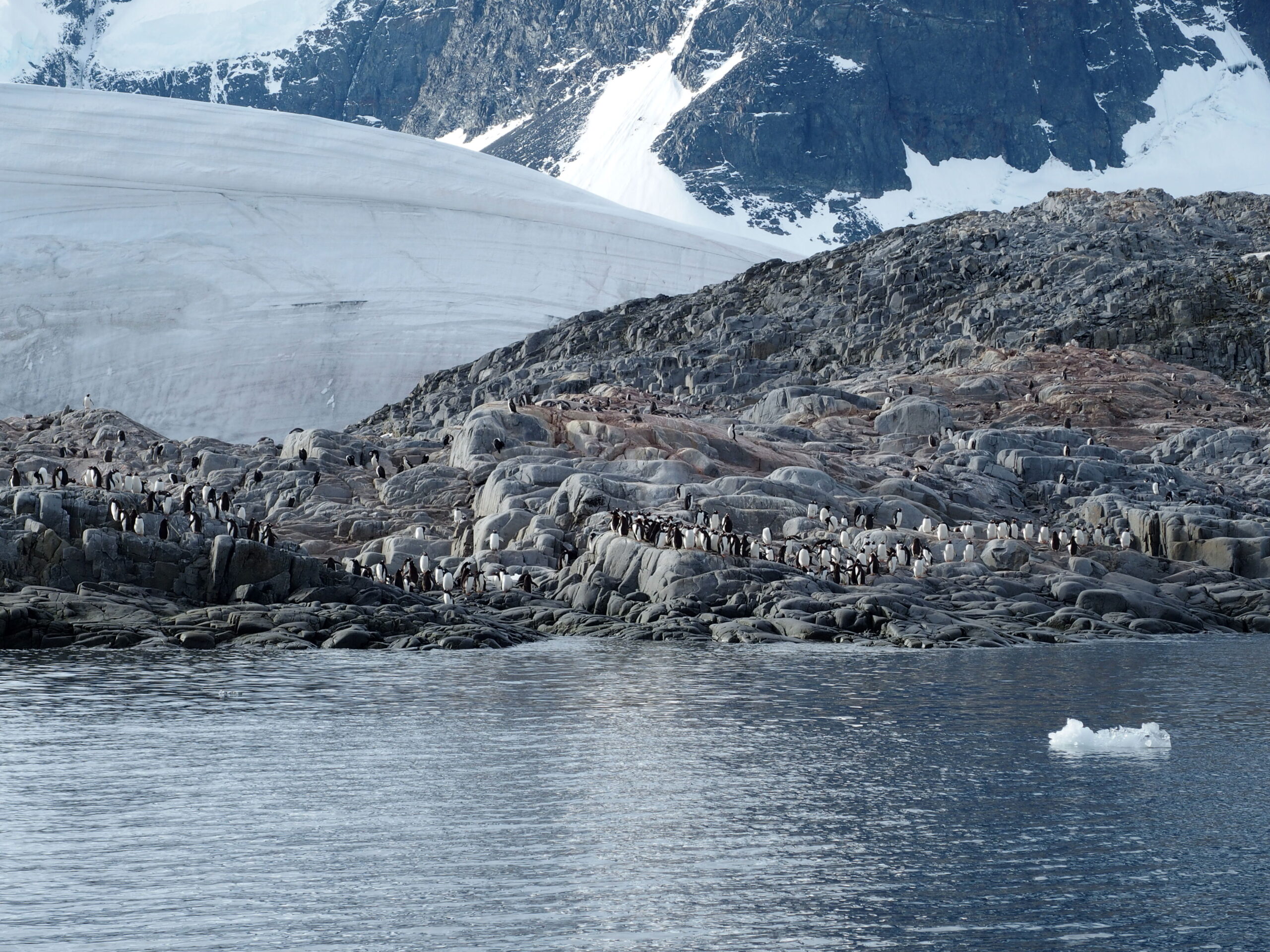
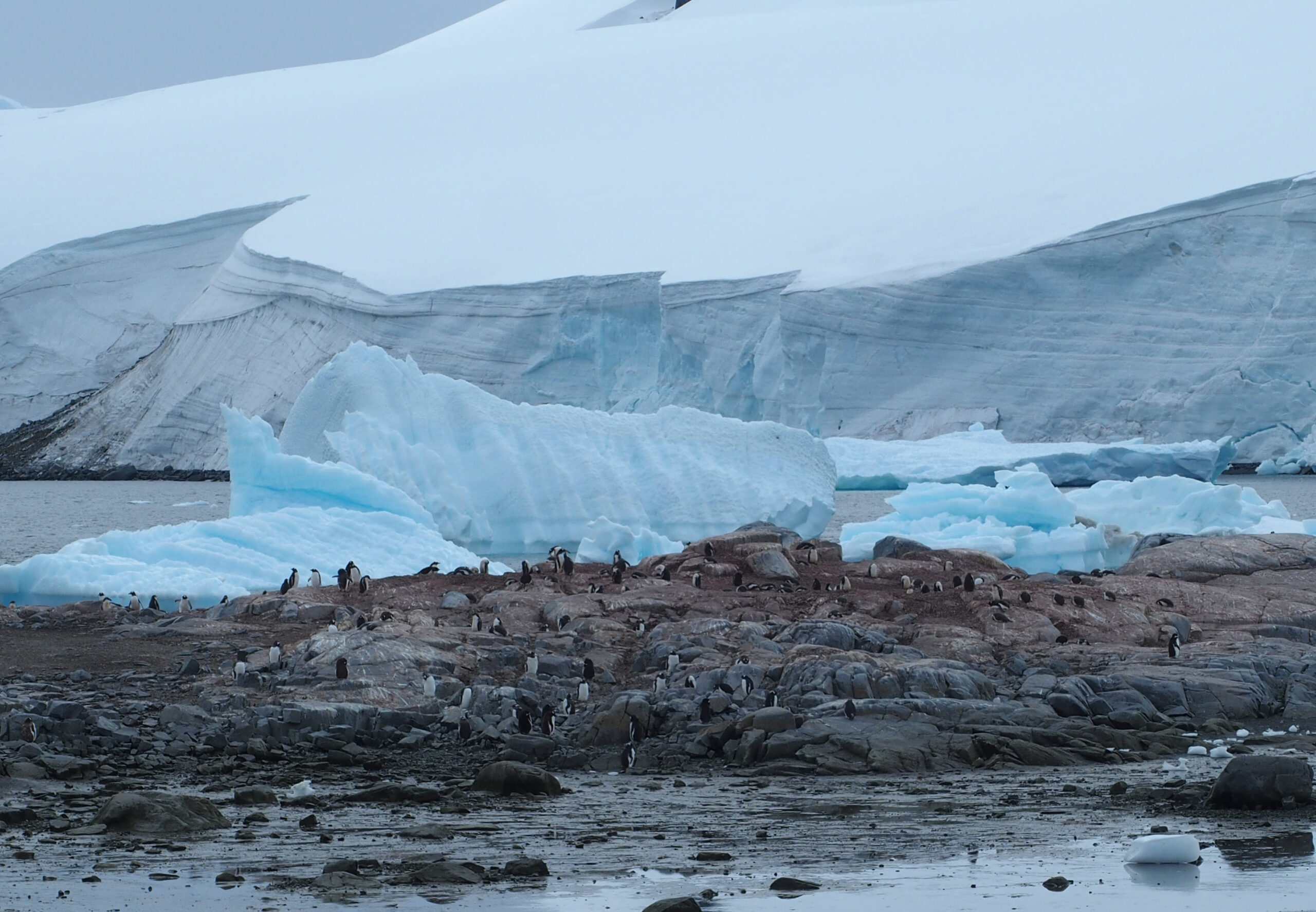
The rocks around Port Lockroy was littered with penguins. Even over the rumble of the boat’s engine we could hear their donkey-like braying. The proximity to humans lends them a little extra security. Still, a leopard seal patrolled the waters of the harbor …just in case. In Antarctica, the leopard seal is the apex predator – worth being mindful of: a member of the Expedition Team tells of one biting and punctured the lining of a zodiac.
According to the team at Port Lockroy, the penguin population is 1000 Gentoo penguins and one Chinstrap penguin that they named, “Steve.”
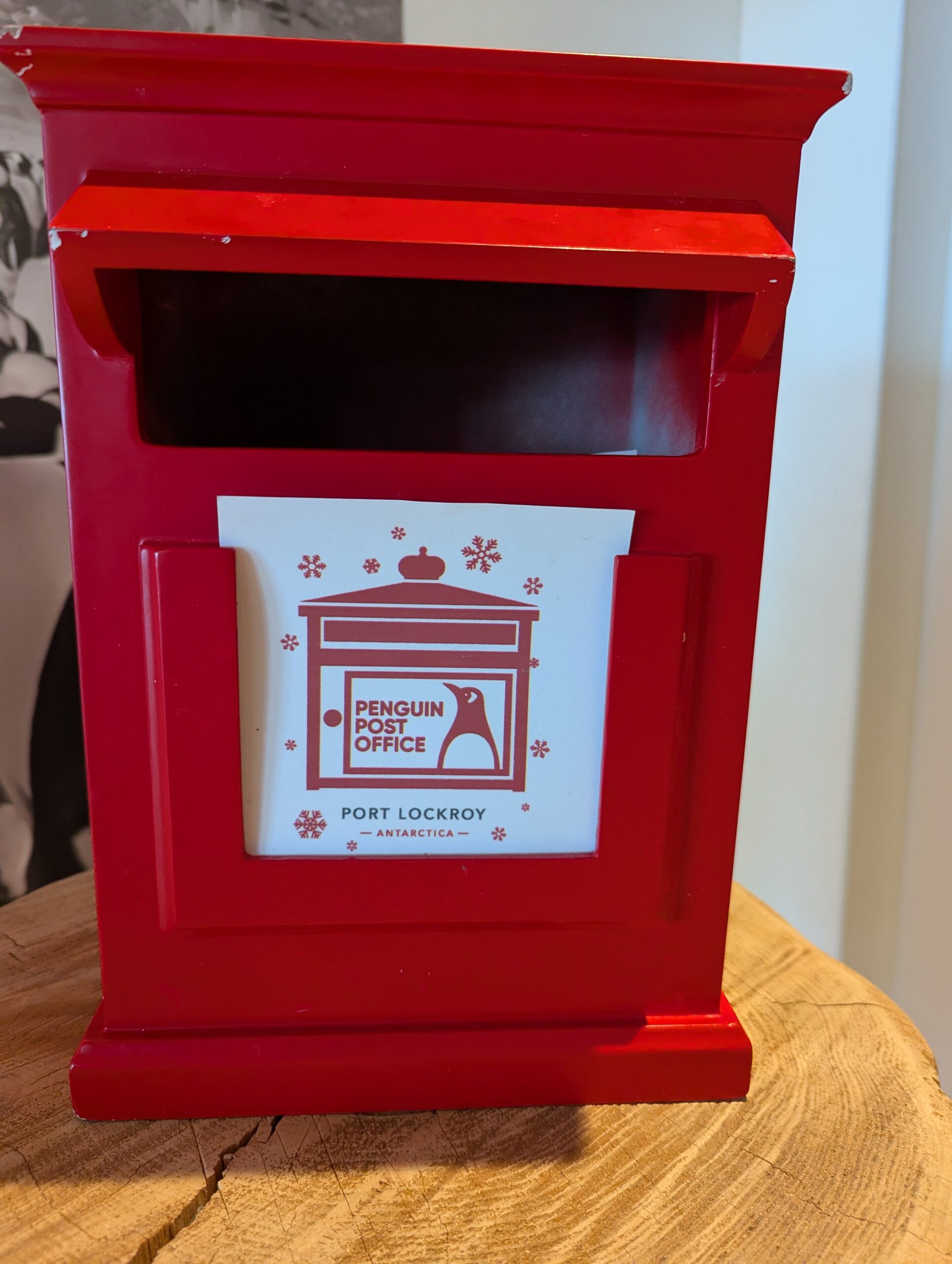
Port Lockroy is not staffed year-round. Their season – during the Antarctic summer – is almost at an end. The team stationed there monitors the local penguin colony, performs maintenance on the site (more on that later), and operates a small museum. The museum (we were told) describes life at the station when it was actively operated between World War II and the early 1960s. There is, of course, a gift shop and a post office. Visitors can post a letter from the southernmost operating post office – and pray that it reaches its destination. Proceeds support the UK Antarctic Heritage Trust, so we didn’t feel so bad about getting postcards. (Postscript: it took almost a year for our postcards to arrive).
Since we were not able to physically go to Port Lockroy, Port Lockroy came to us – including post office and gift shop, of course. Some of the team described life at the station, the selection process to join the team, and what daily life was like. The big question was “what happens if things go wrong …really wrong?”
The answer surprised me, but it shouldn’t have. Despite the skill sets and abilities of the team, emergencies happen. While they are isolated, they are not fully alone – there are other bases nearby. On one occasion, when they raised the ‘bat signal,’ another base dispatched a ship to them within an hour. The various sites look after one another.
One advantage the team has in giving these talks is experiencing some shipboard perks. Top of that list are hot showers, laundry facilities and cakes.
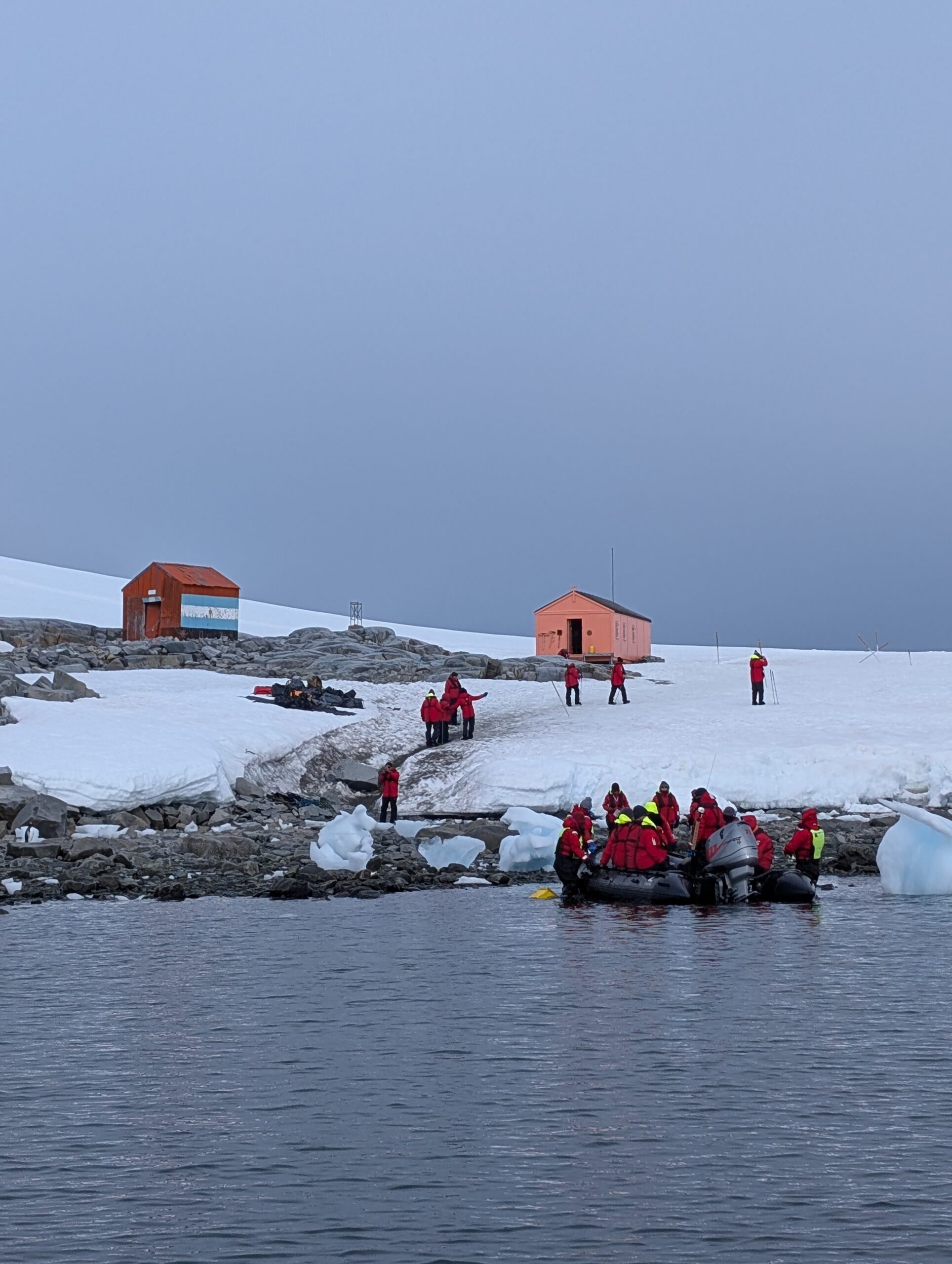
Damoy Point
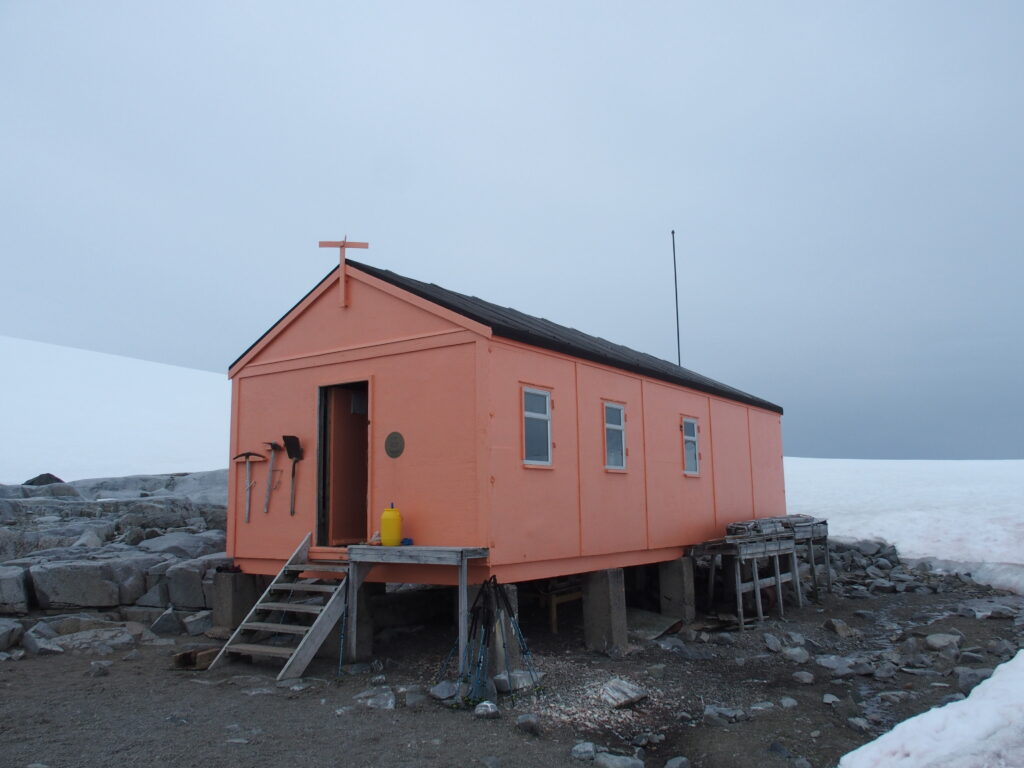
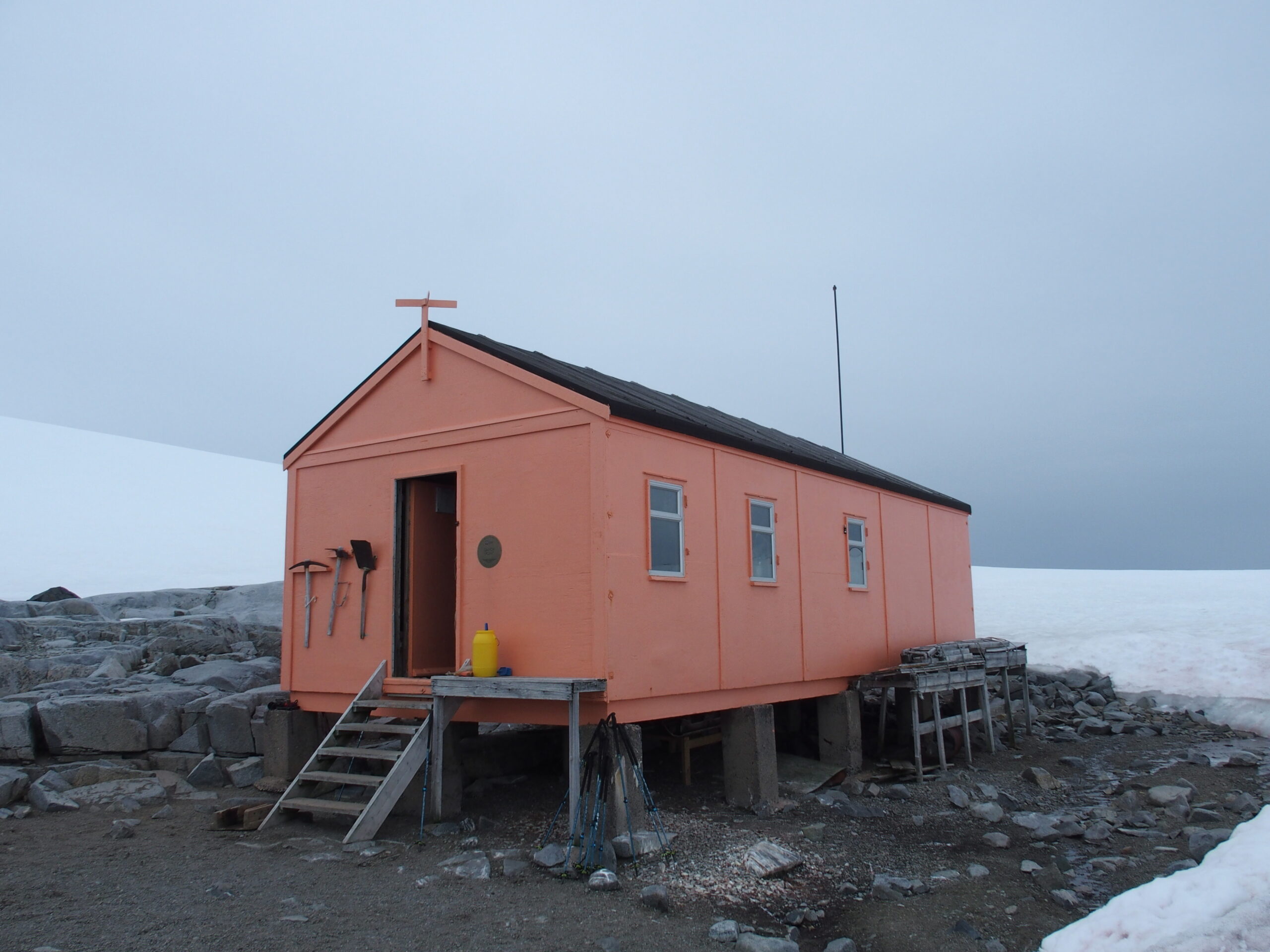
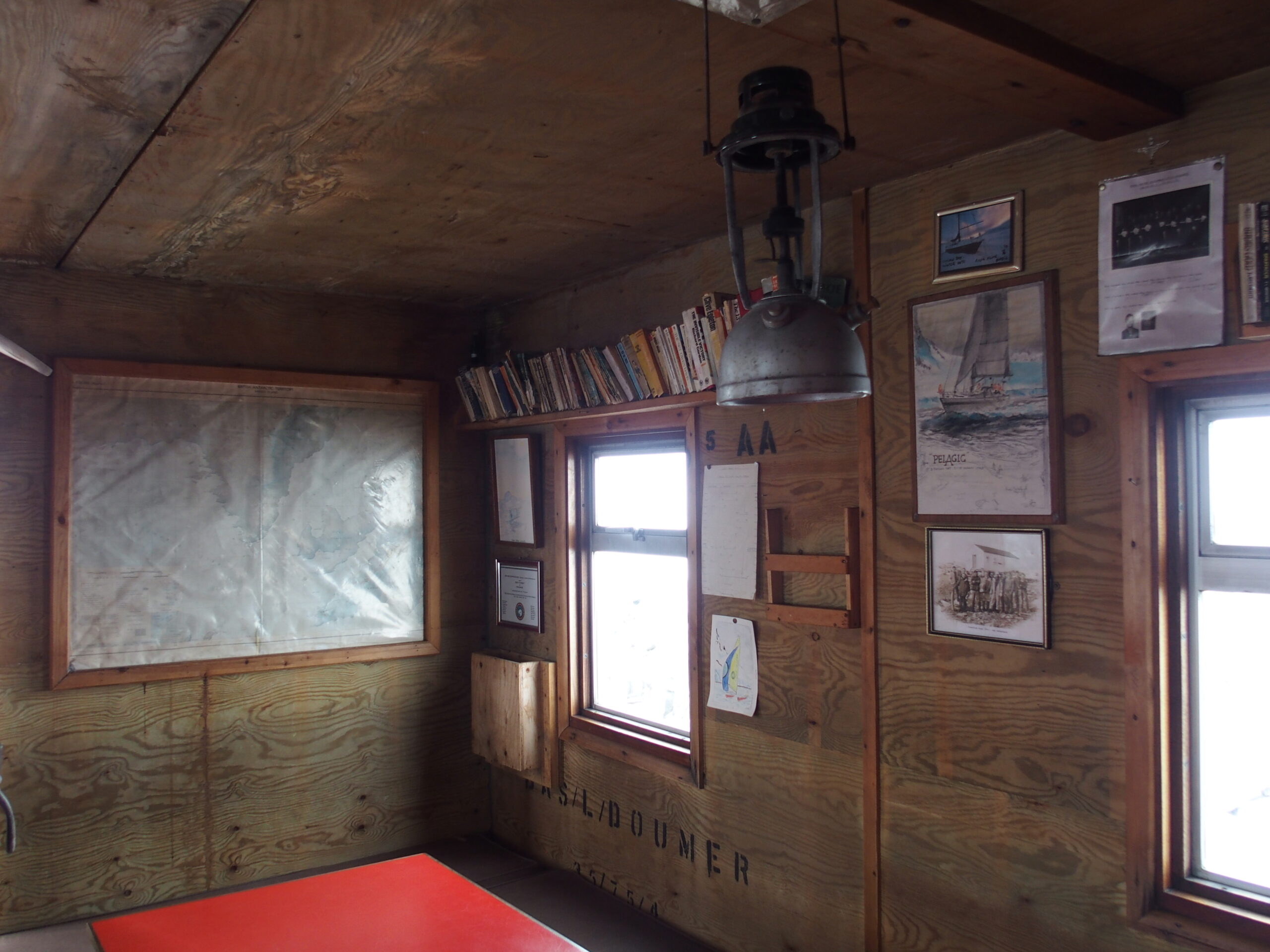
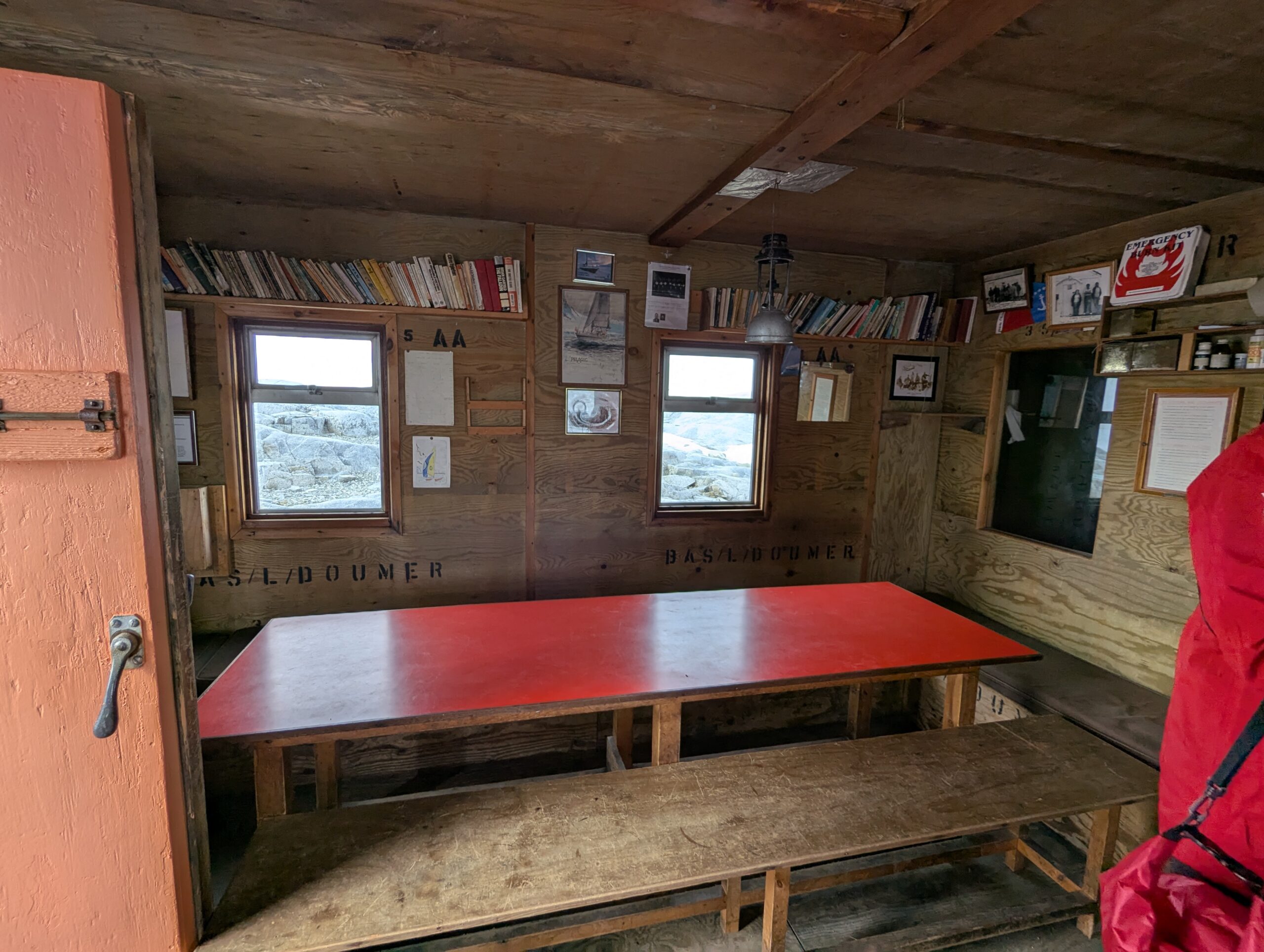
Around the corner from Port Lockroy was Damoy Point. On the shore stood two huts: one with a faded burgundy tint, bearing the pale blue and white stripes of the Argentine flag; the other, recently repainted, was a cheerful peach hue. The Argentine one was a supply depot and thus off-limits. The other hut served as a museum – a time capsule preserving memories of the area’s function as an air transit station for Antarctic stations between 1973 and 1993. A nearby glacier served as the landing strip. One of our expedition team had actually visited Damoy in its heyday.
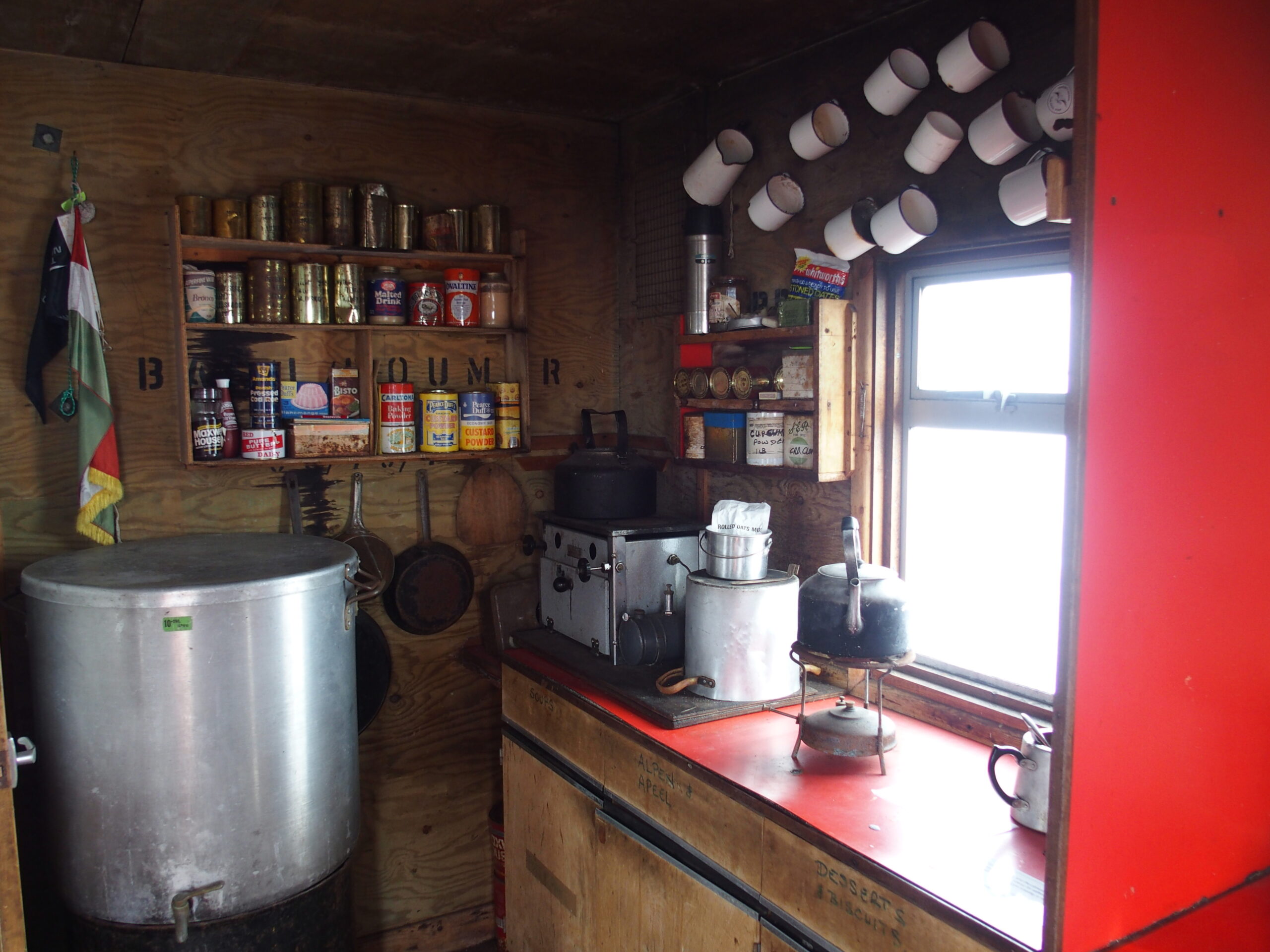
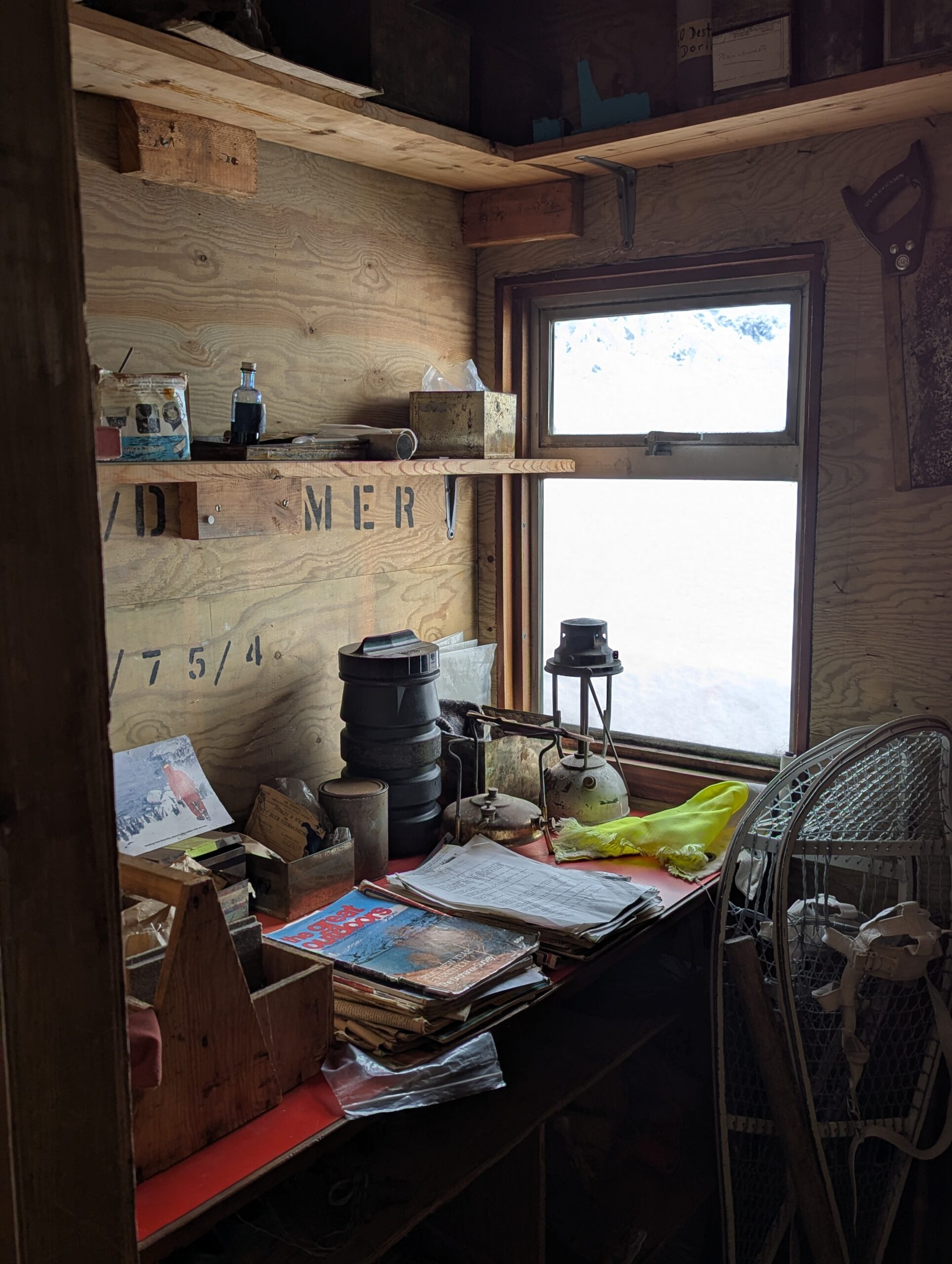
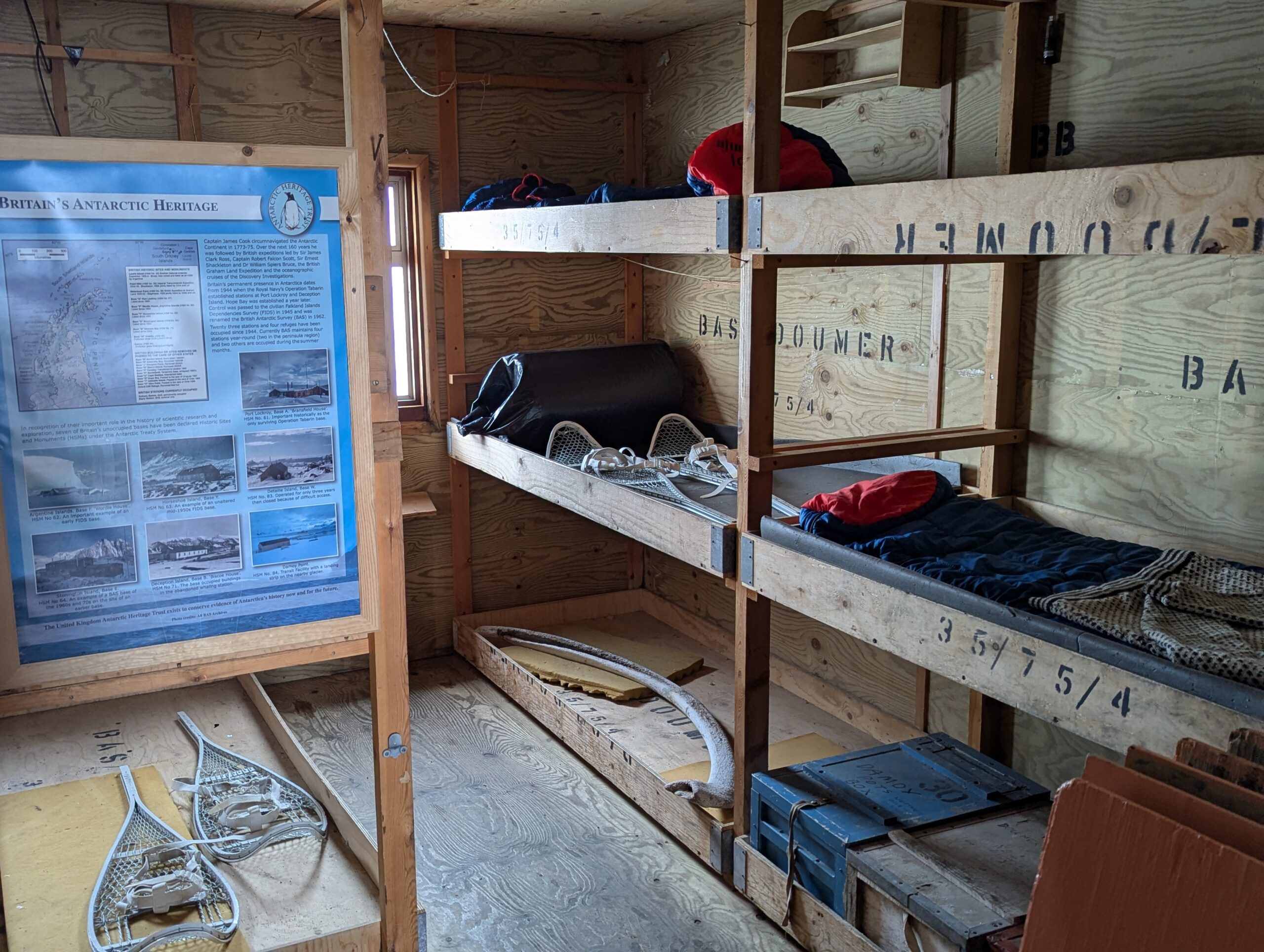
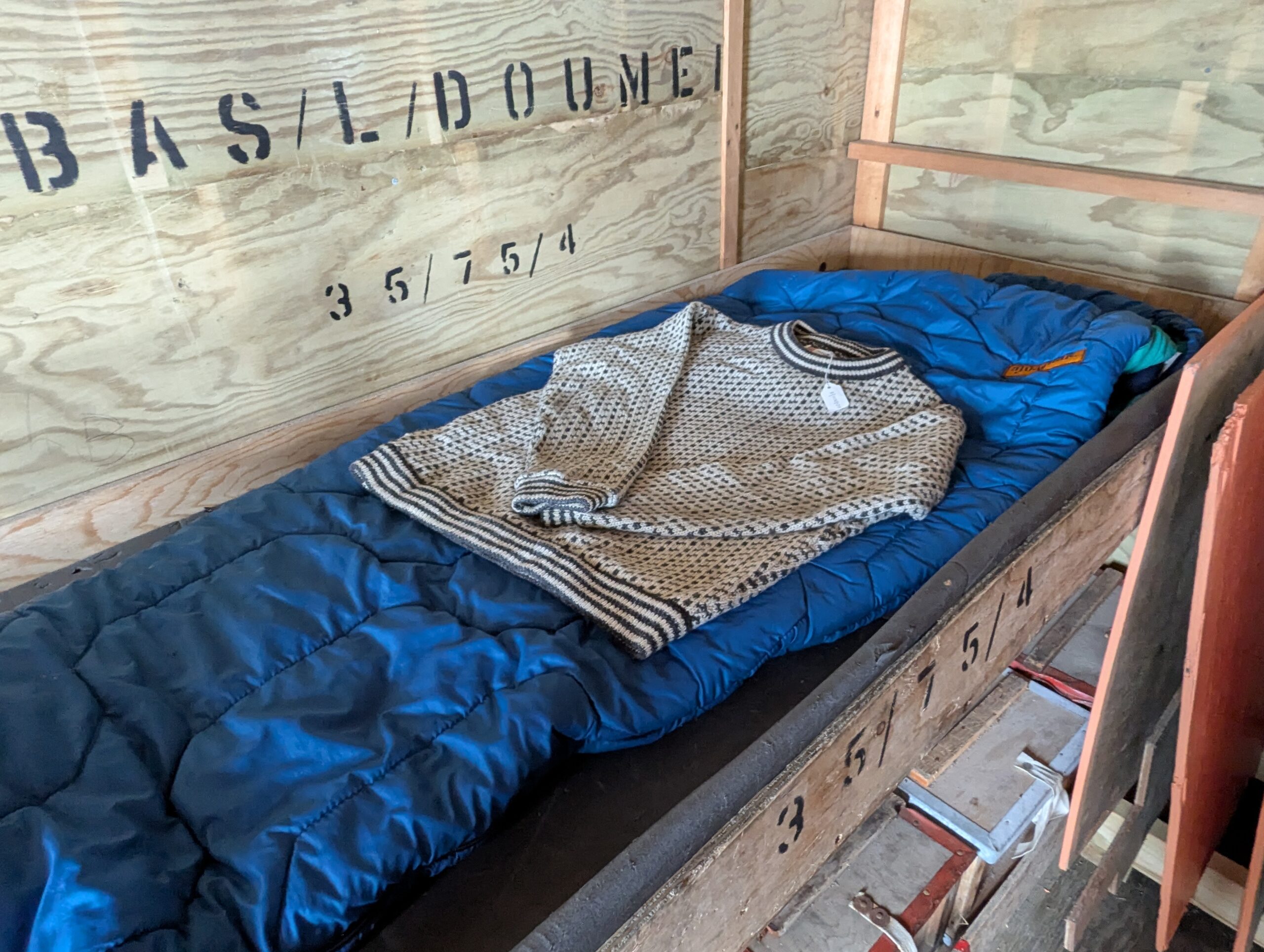
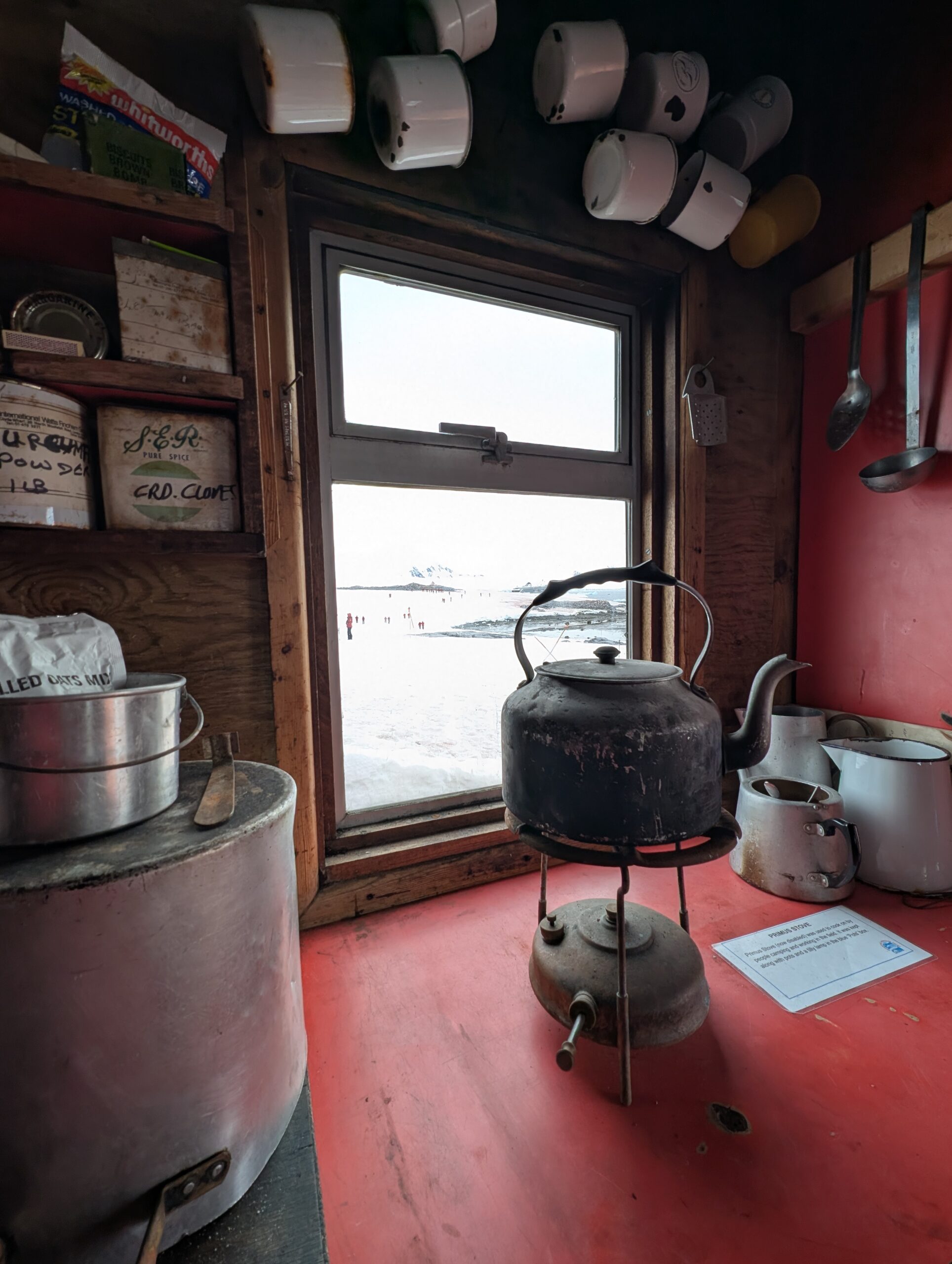
The building is an amazing snapshot of Antarctic life. Everything inside served a functional and not decorative purpose. The front room had a long dining table. There was a cooking area: tins of food on a shelf, hot water kettle, mugs hanging from hooks on the wall. A couple shelves with well-read books. A pile of faded magazines. The back room was a sleeping area with nine bunk beds with gear such as clothing, sleeping bags and snow shoes laid out for display. Ample signage described the purpose of Damoy Hut and how aircraft changes eventually made the airstrip obsolete.
Various treaties in the mid-1990s determined the fate of man-made structures in the Antarctic. Simply put, countries either had to maintain these facilities or remove them to reduce pollution and waste in the region. Due to its historical significance, Damoy Hut is one of the sites maintained by the UK Antarctic Heritage Trust. Support of Damoy is one of the tasks of the Port Lockroy team.
It continues to amaze me that everything – from the wood, to the wires, and the equipment – had to be transported in. It’s obvious, I get it – you don’t just run down to the shops and get a box of nails. But it is all the more astounding because there is nothing in Antarctica besides rock and ice. Every one of these man made items, no matter how trivial, needed to be brought in from thousands of miles away. By extension, everything currently there was built with intent and remains due to intent.
Somehow, that just boggles my mind.
Penguins
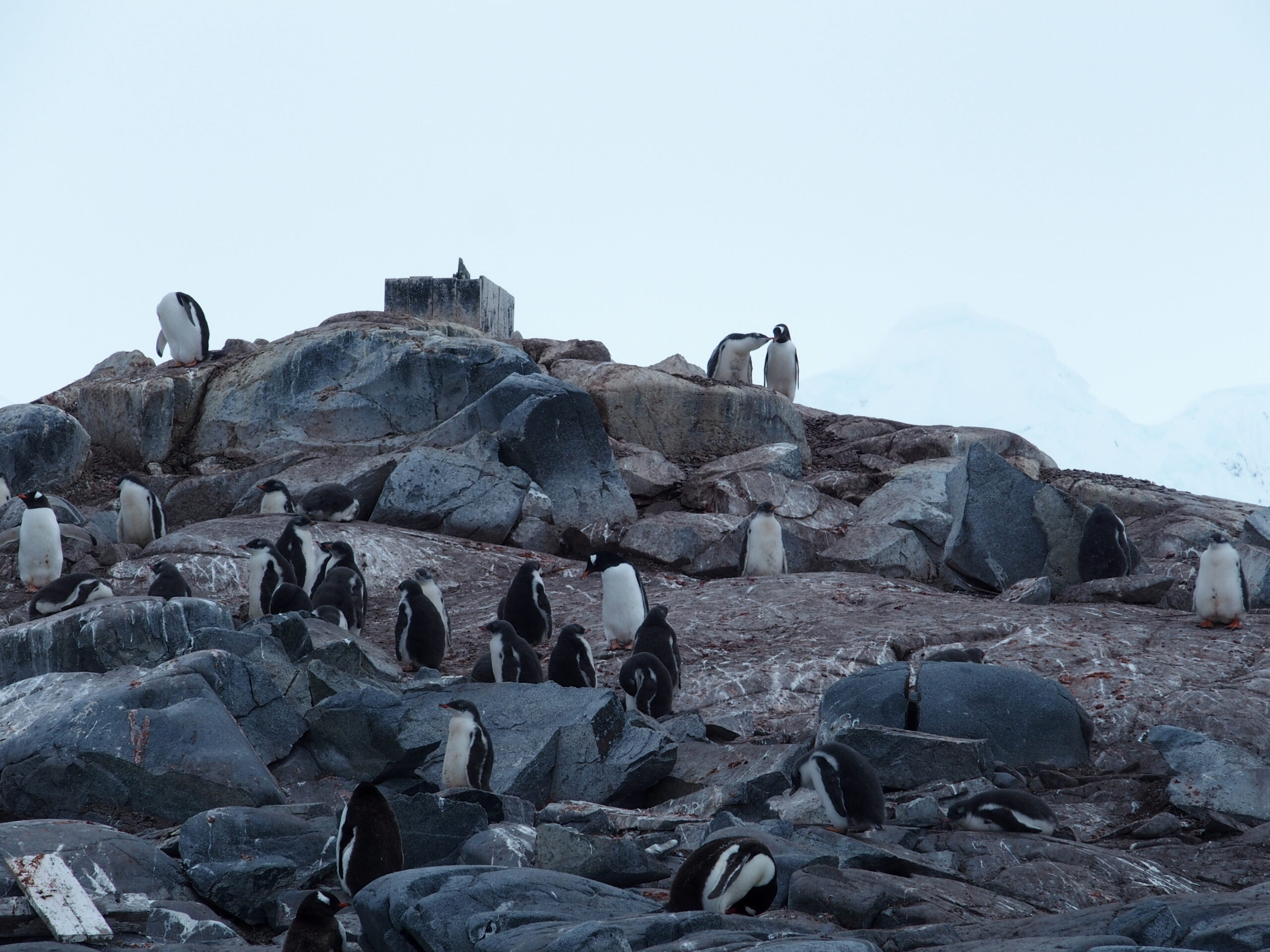
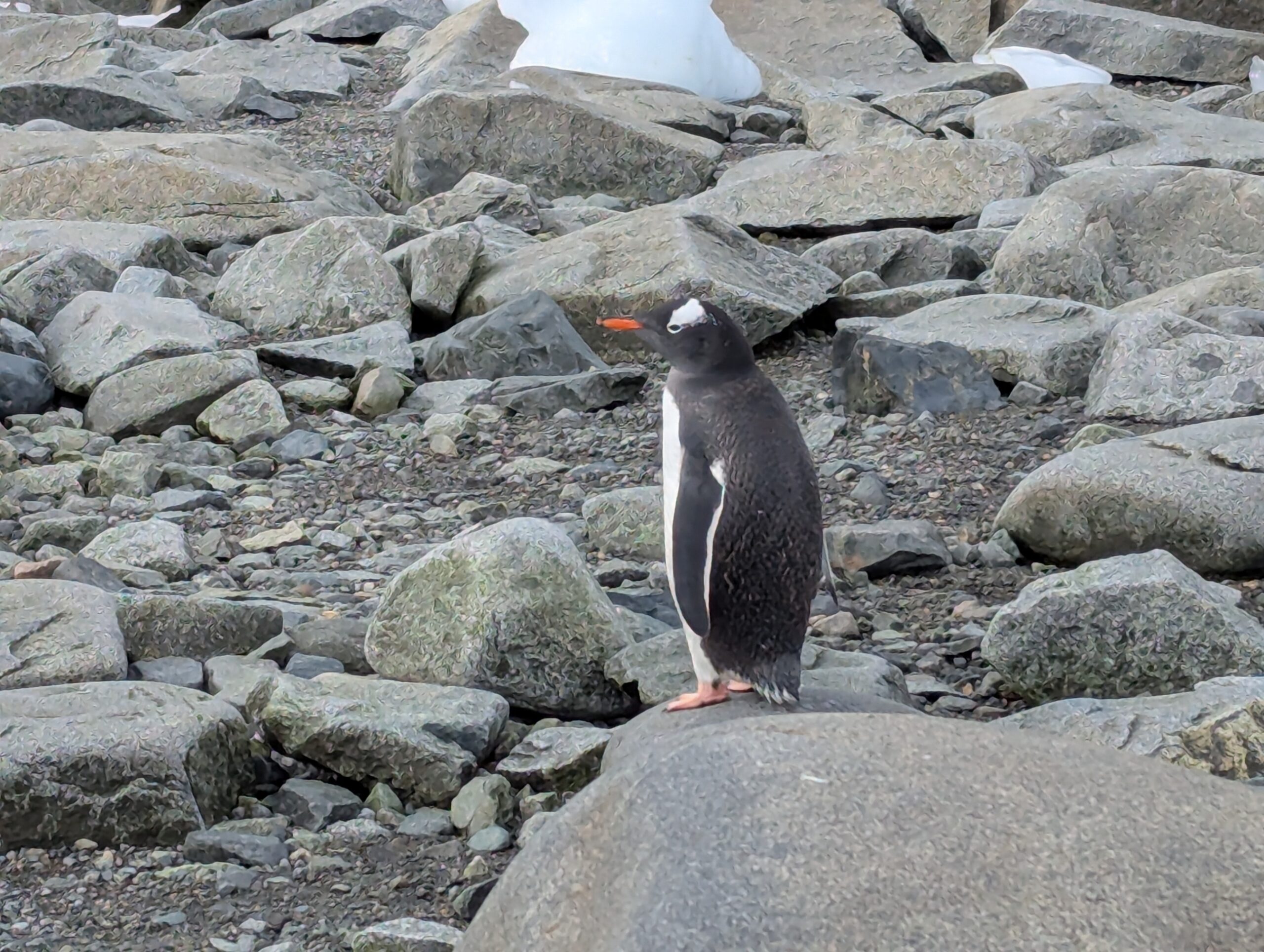
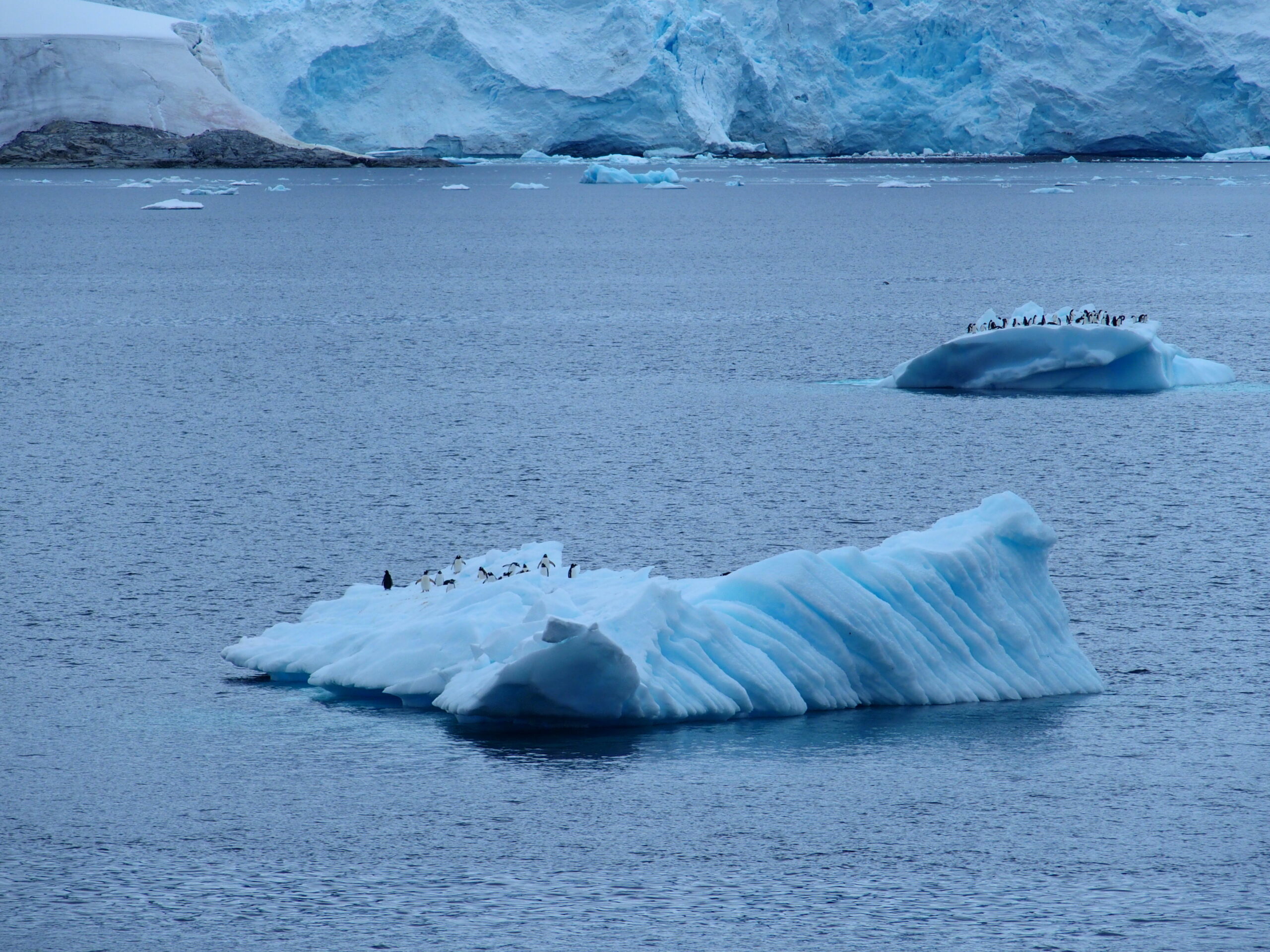
Damoy Point is also home to a Gentoo penguin rookery evidenced by the pinkish stain in the snow, the unusually large number of penguins, and the smell. The smell is becoming more familiar but no less unpleasant. As visitors, penguins get the right-of-way. If approached by one, we must back away. They are amusing to watch though. They skim along the surface of the water like a swarm of skipping stones. On land they stomp around like a middle-aged matron in a Walmart demanding to see the manager.
Some were still experiencing physical distress due to molting. Penguins lose all of their feathers at once, looking very sad and scrawny. During the weeks that it takes the plumage to regrow, they cannot swim which means they cannot eat. Some will even take to eating pebbles to try and counter the hunger. Most of them were past the molt but there were a few looking miserable and defeated.
Leave a Reply