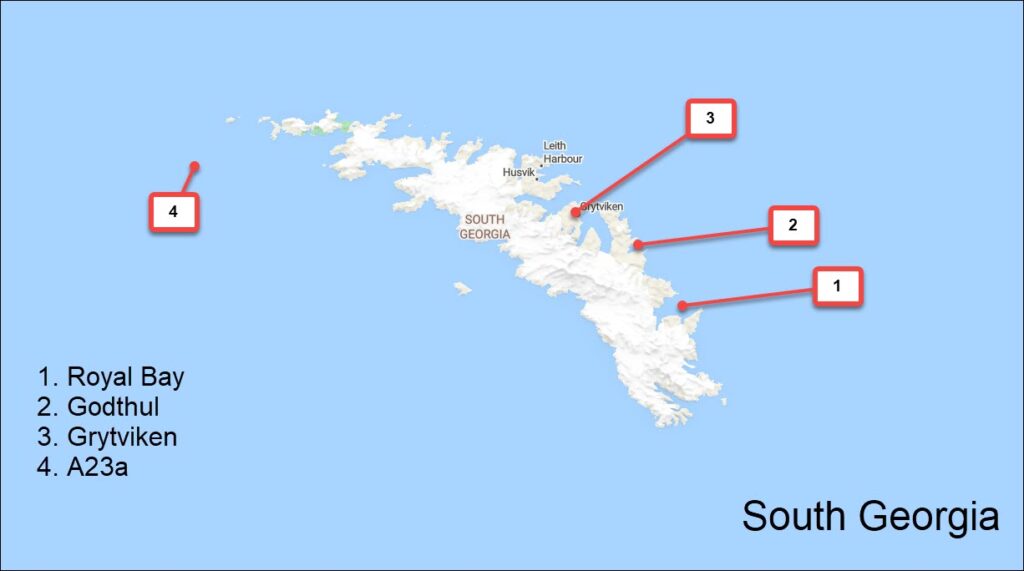
As excited as I was to visit Antarctica, I had my heart set on South Georgia. While it is famous as the final resting place of Ernest Shackleton, Grytviken turned out to be much more. I am particularly happy we got ashore twice.
Grytviken
One of my fears was that the weather would prevent us from landing. As the ship paused in the harbor, I stood on the deck trying to divine if the we could go ashore – as if I knew anything about navigating a ship. Later, I lamented the limited time we had ashore; there was more to see than I had imagined. I was so desperate to see more of Grytviken that we suited up again on the chance we could return in the afternoon. The odds were in our favor.
Despite South Georgia being a British Territory since practically forever, Grytviken was a Norwegian whaling station. The story I heard was that the Norwegians set up camp unbeknownst to the Brits. When their presence became known to the island administrator, it was easier to tax them rather than make them leave.
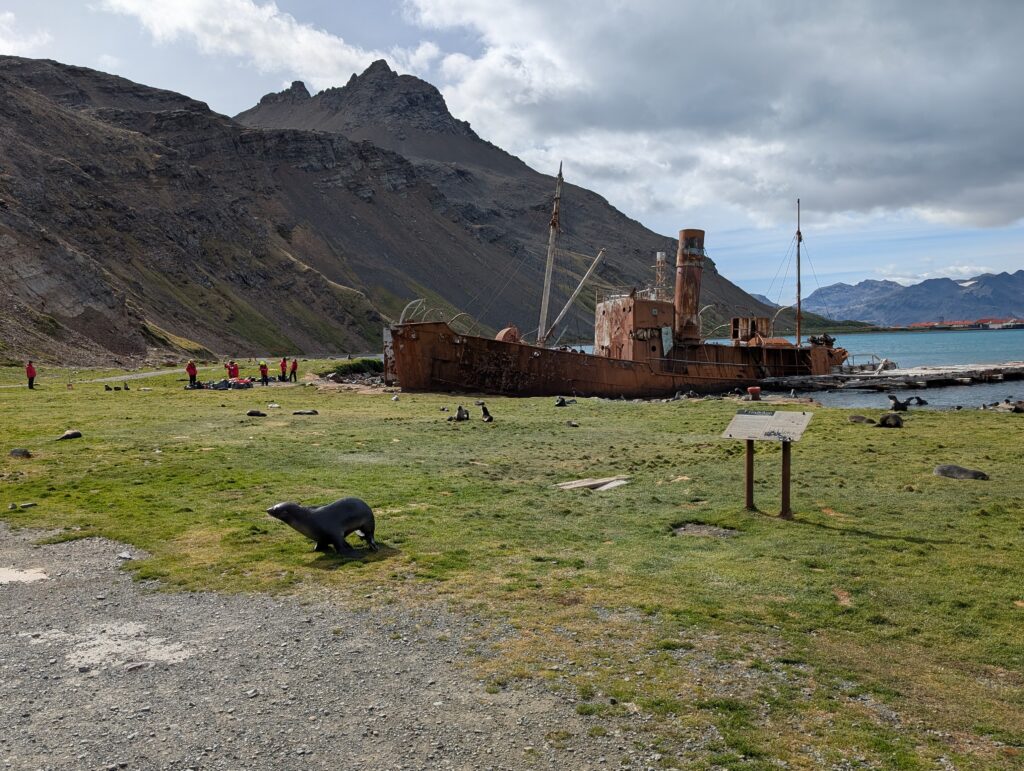
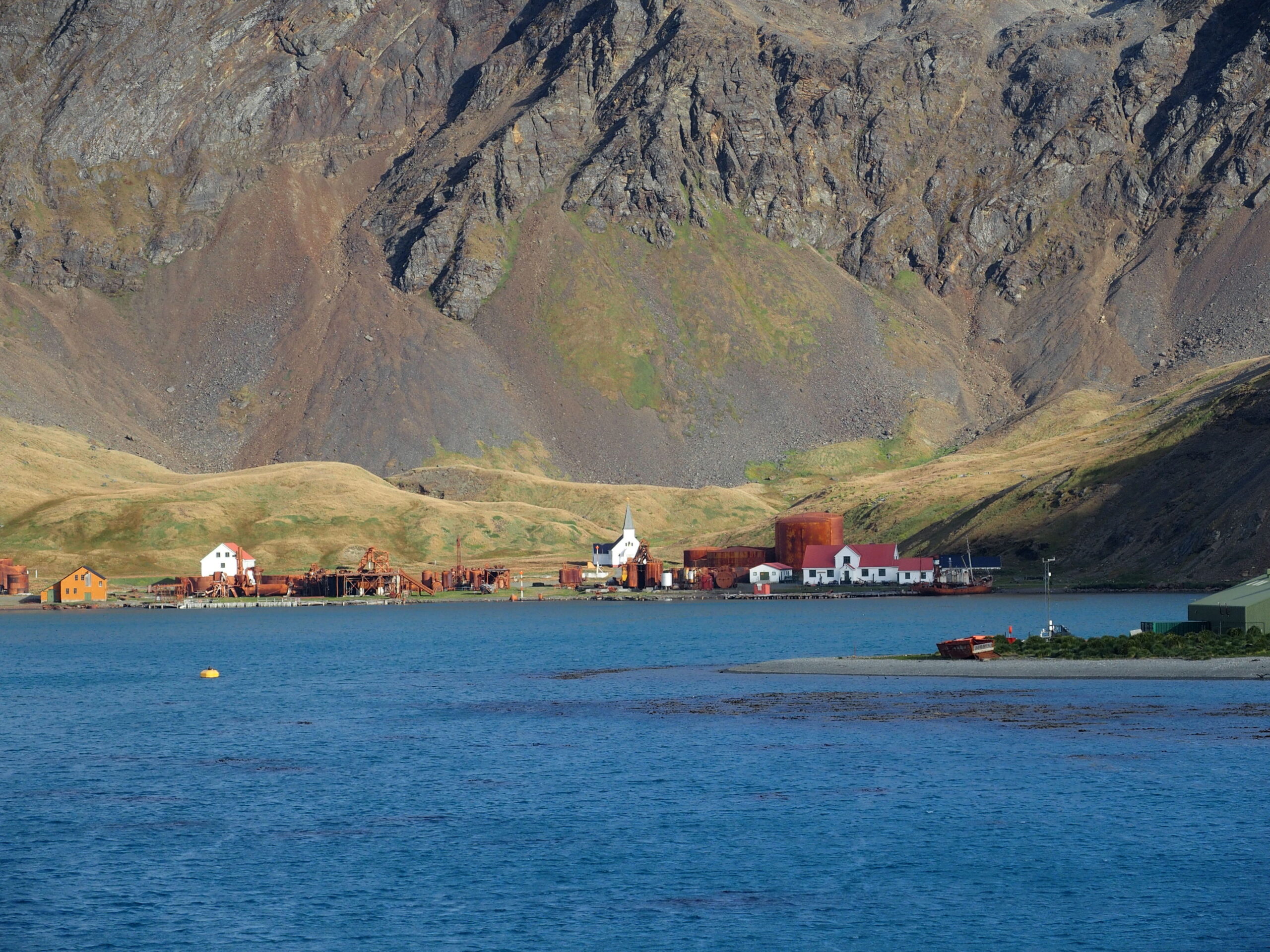
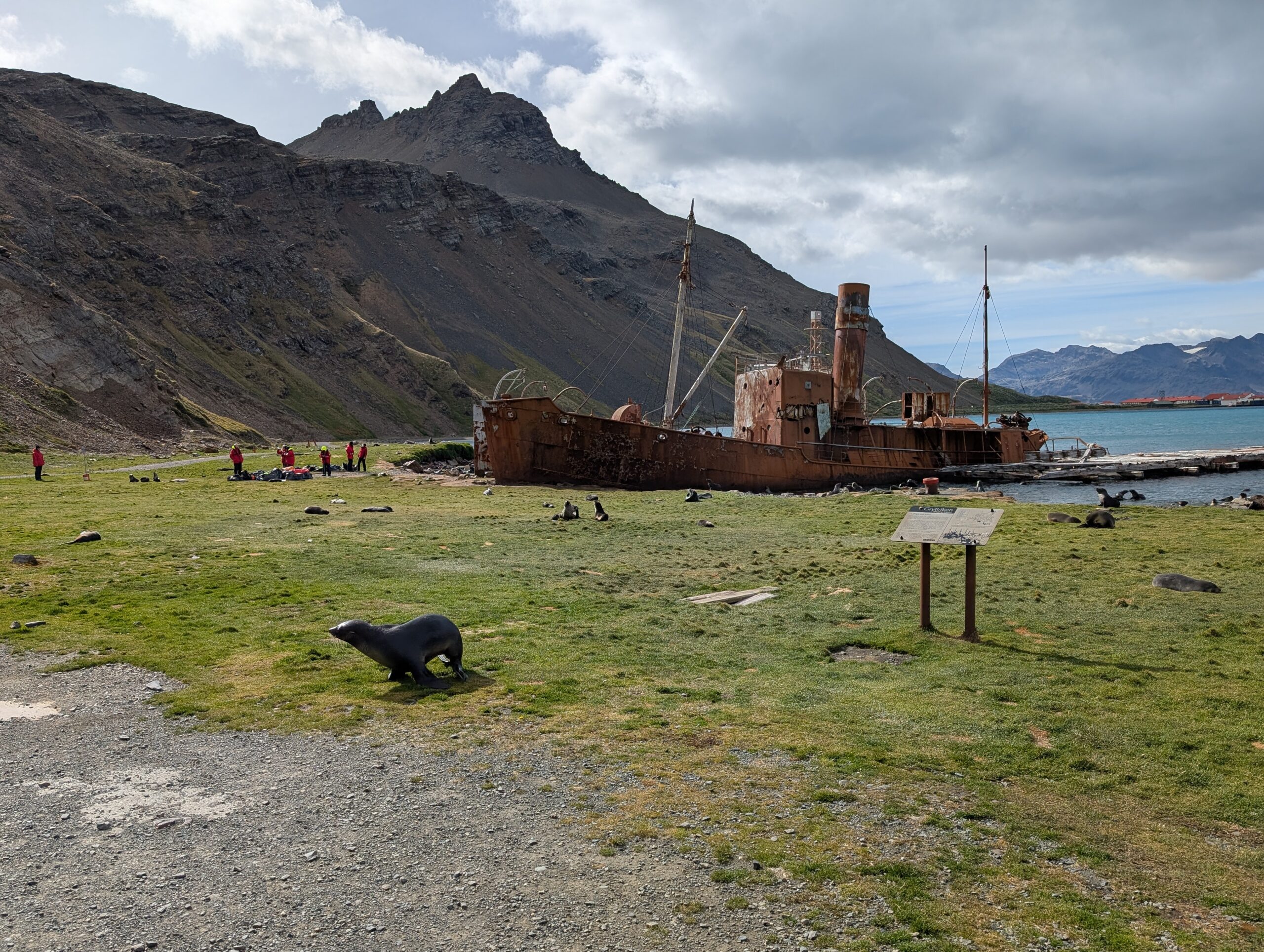
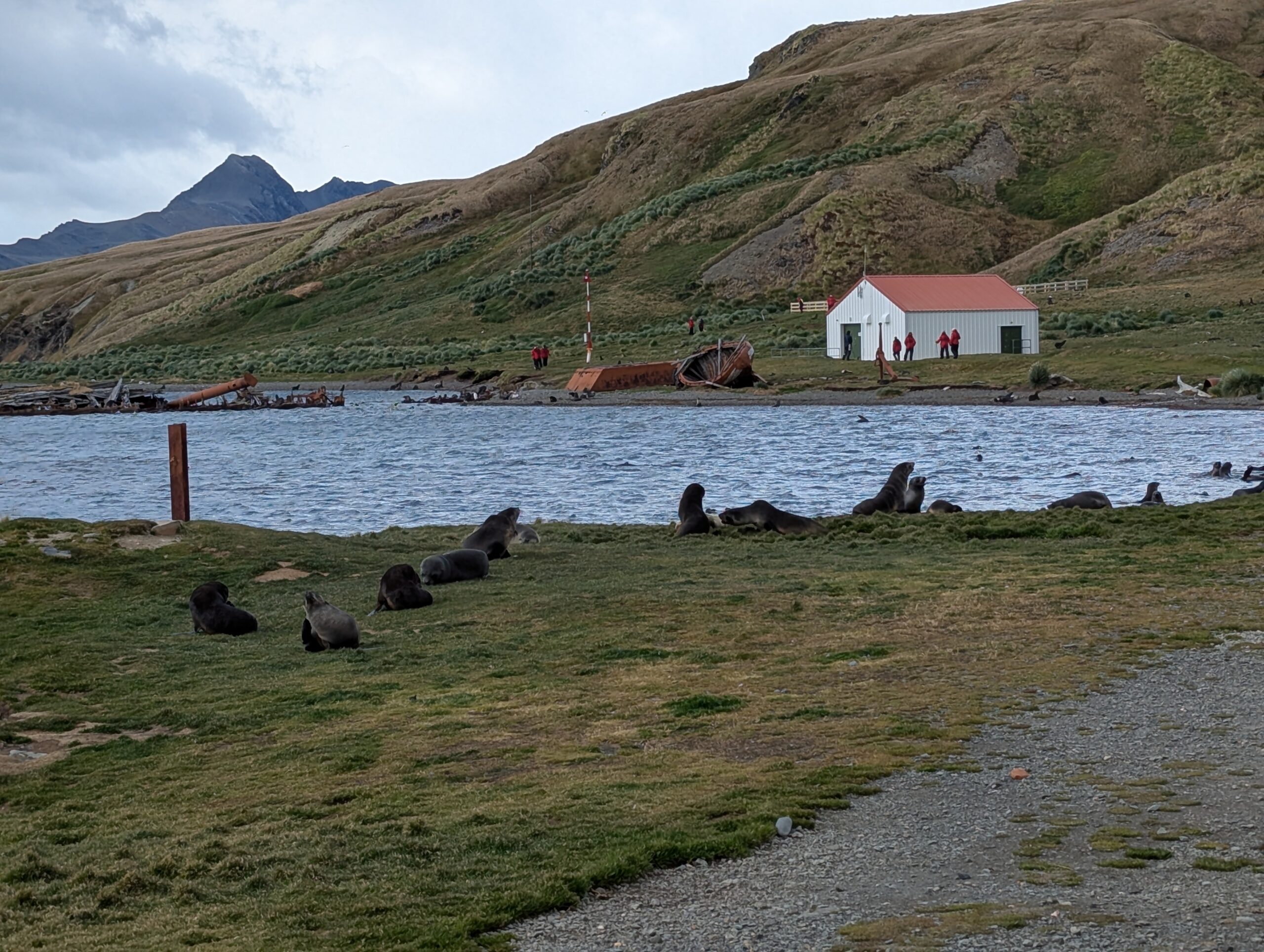
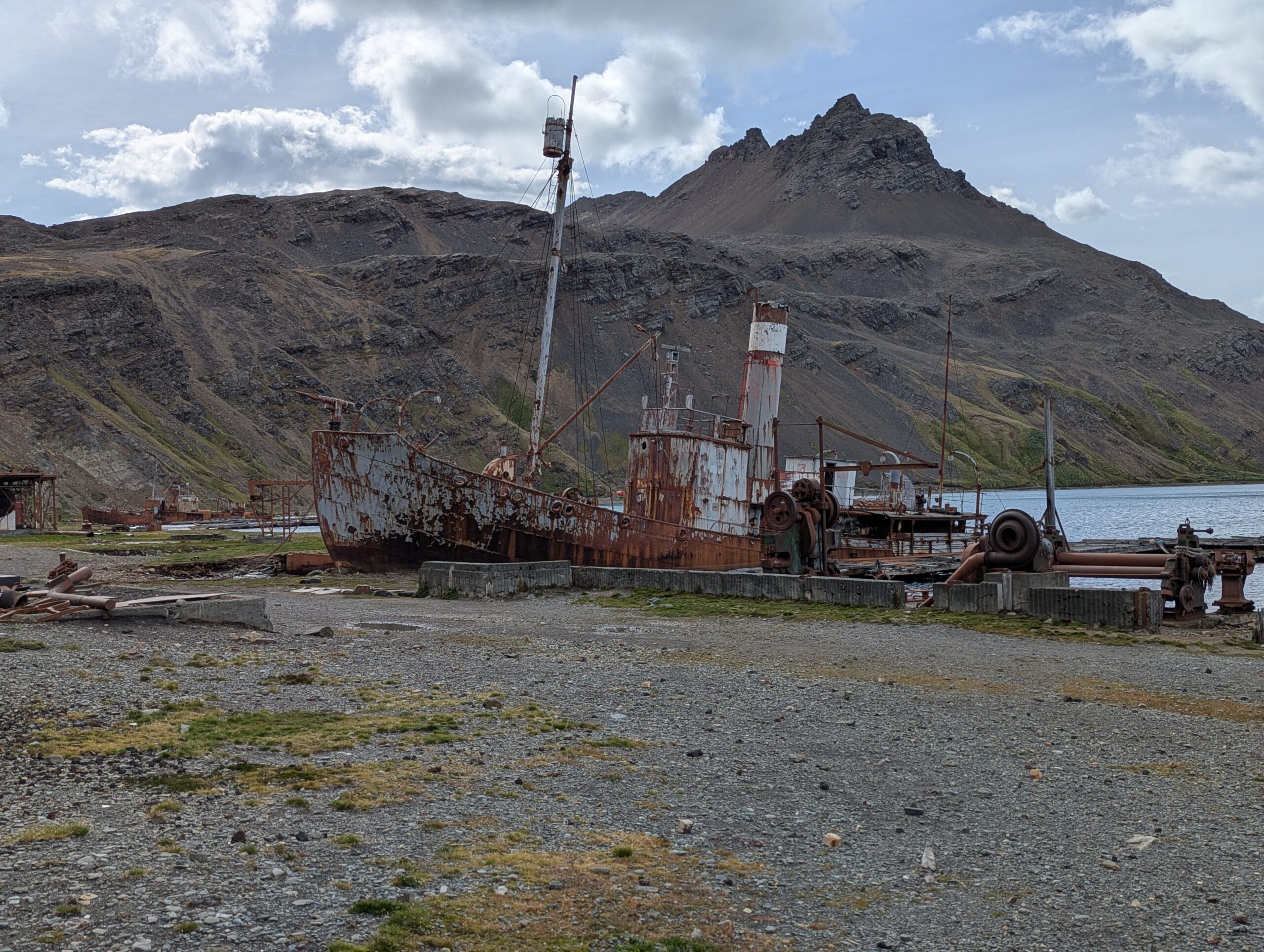
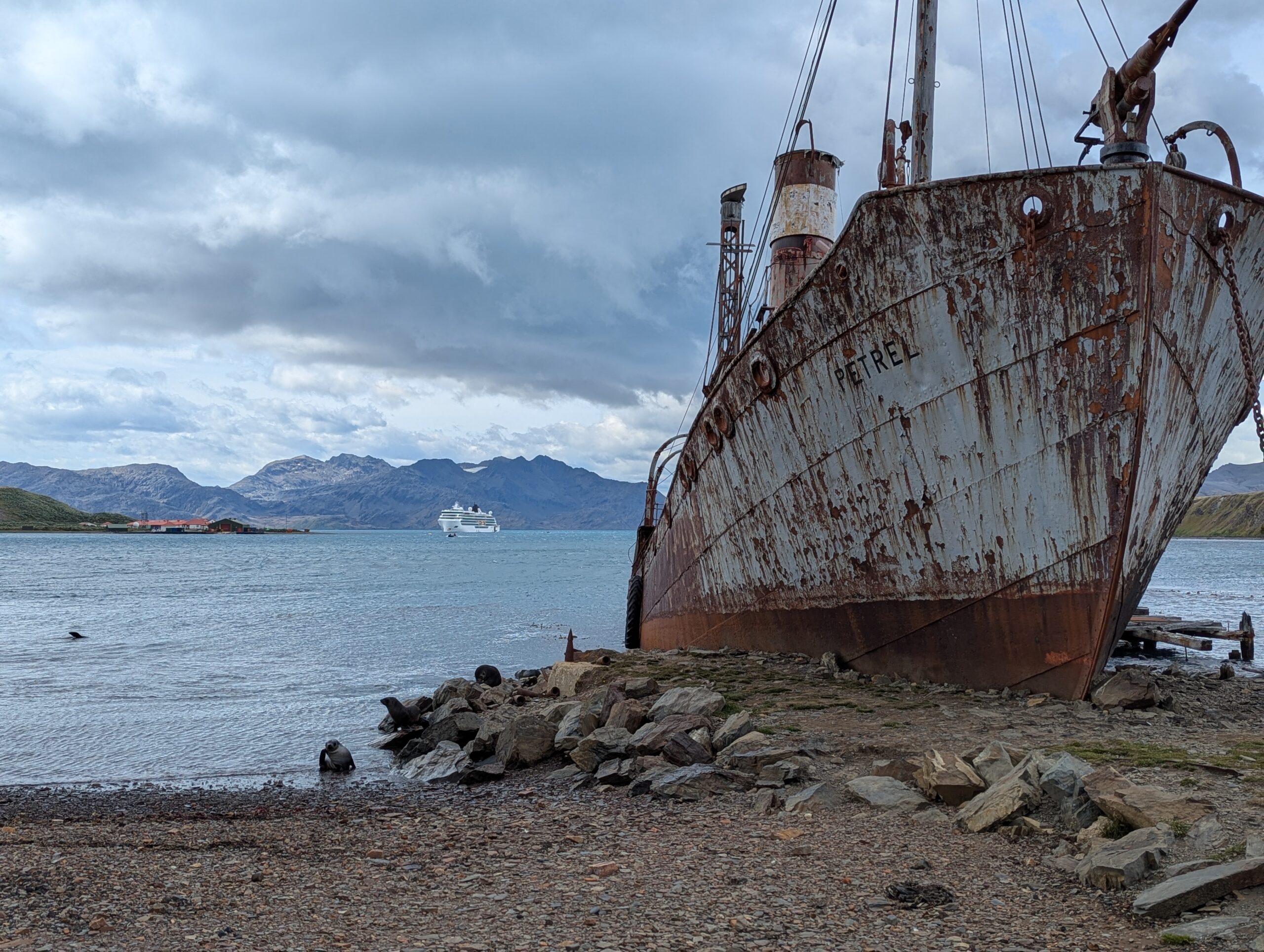
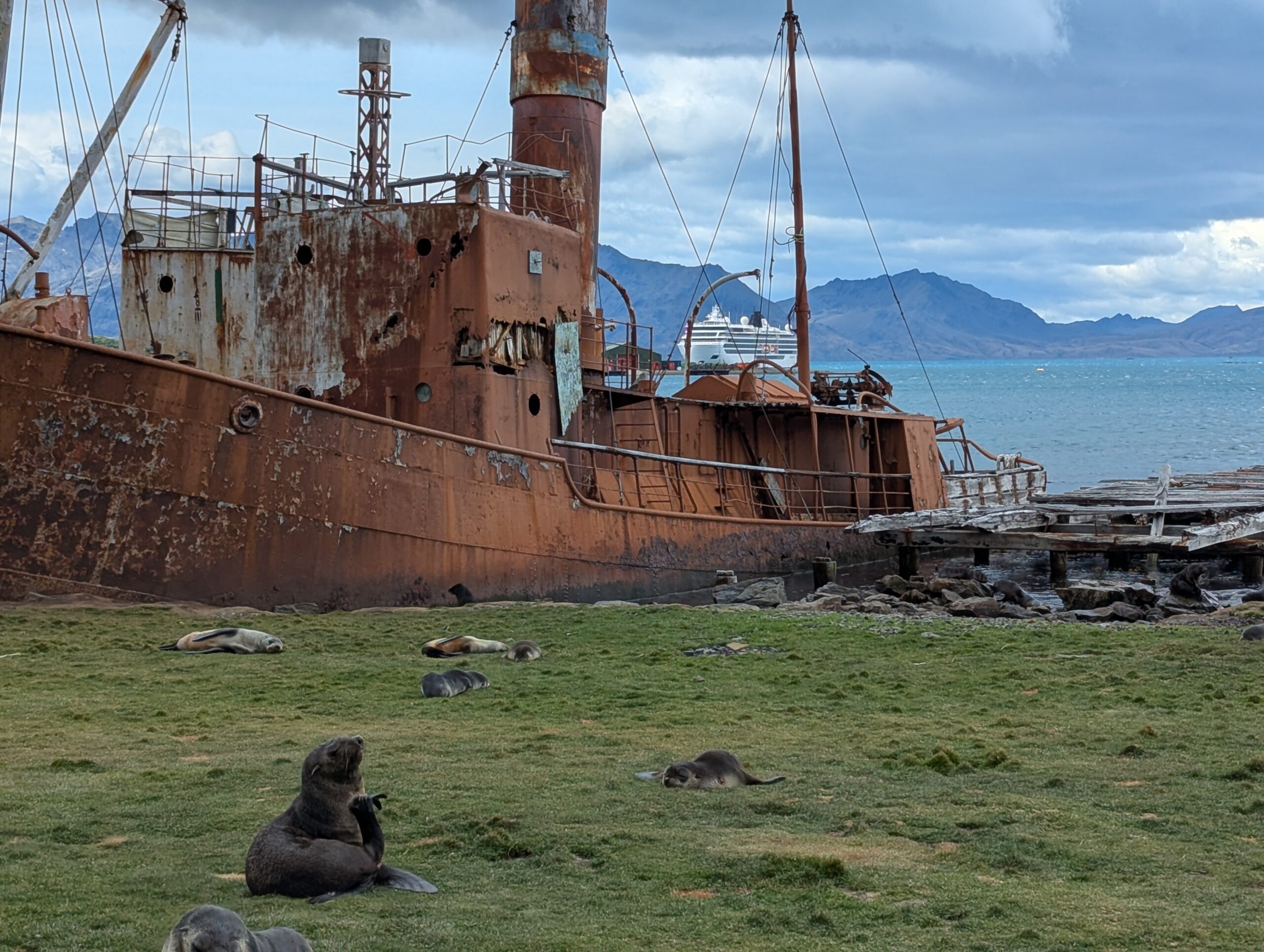
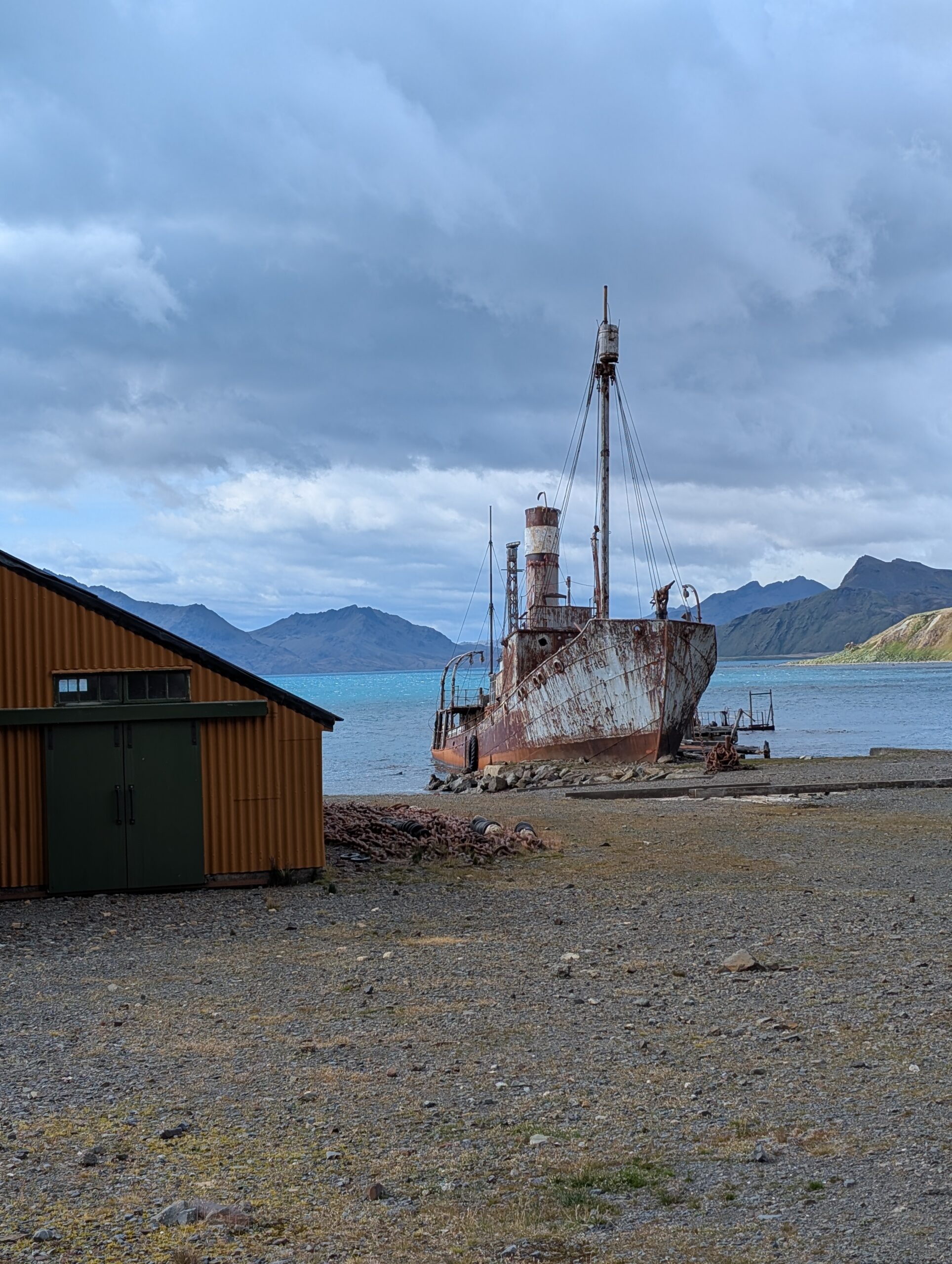
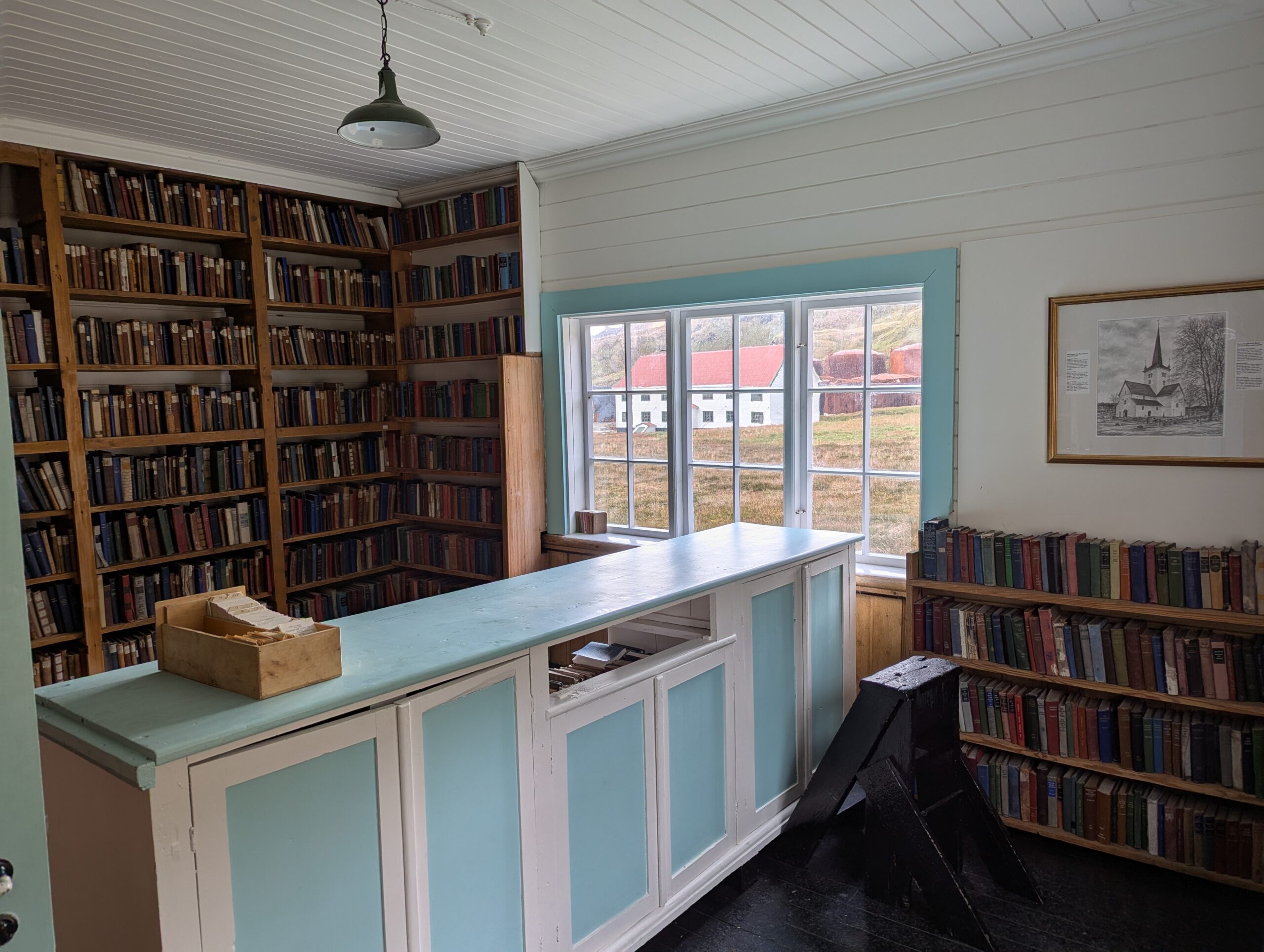
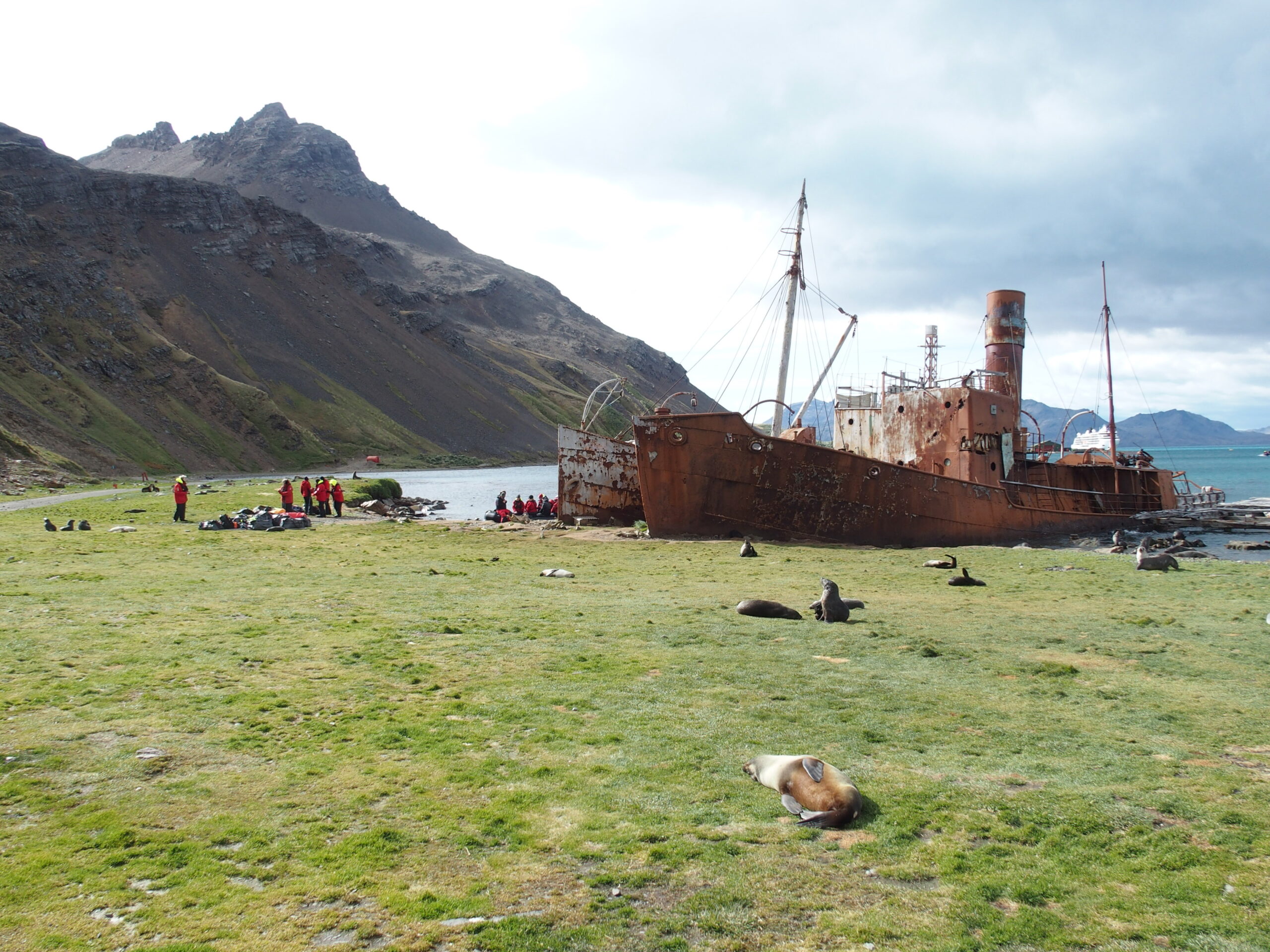
Grytviken sits in a harbor ringed by rugged peaks. The settlement is a cluster of white wooden buildings with terracotta-colored roofs, scattered amongst the rusting remnants of the whaling station. A handful of derelict ships litter the beach like discarded toys. The site is effectively an open air museum operated by the South Georgia Heritage Trust – along with a little scientific outpost and military base to keep the pesky Argentines away. Restoration is underway on several buildings and the site houses an exceptional museum on the history of the island and the whaling industry. While there are a few whaling stations on South Georgia, only Grytviken is safe enough for visitors.
Whaling continued at Grytviken until the 1960s when whaling in the area ceased due to over-harvesting. Late in 2025, the first section of a memorial to the whales killed by the South Georgia whaling industry was installed in Grytviken.
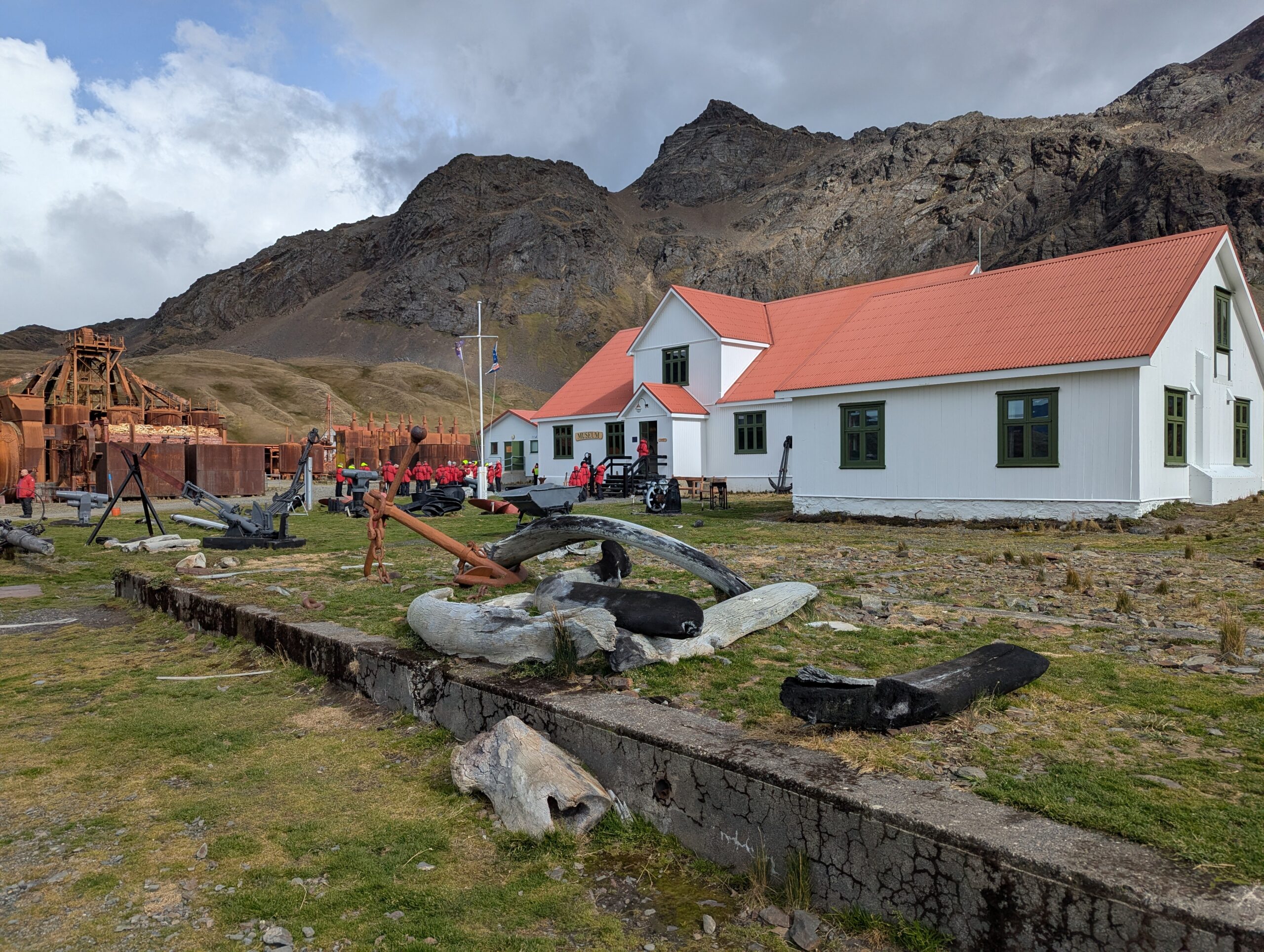
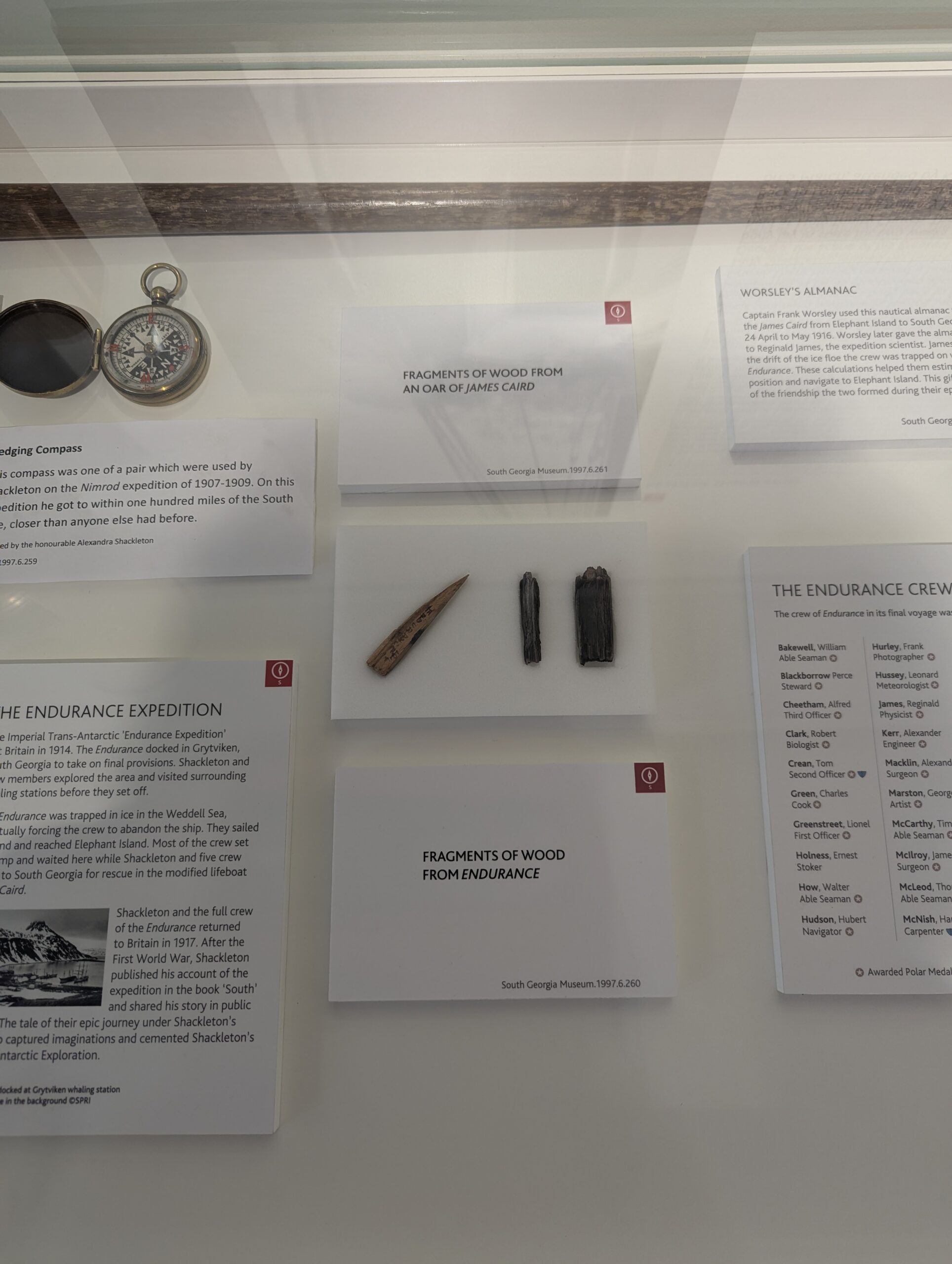
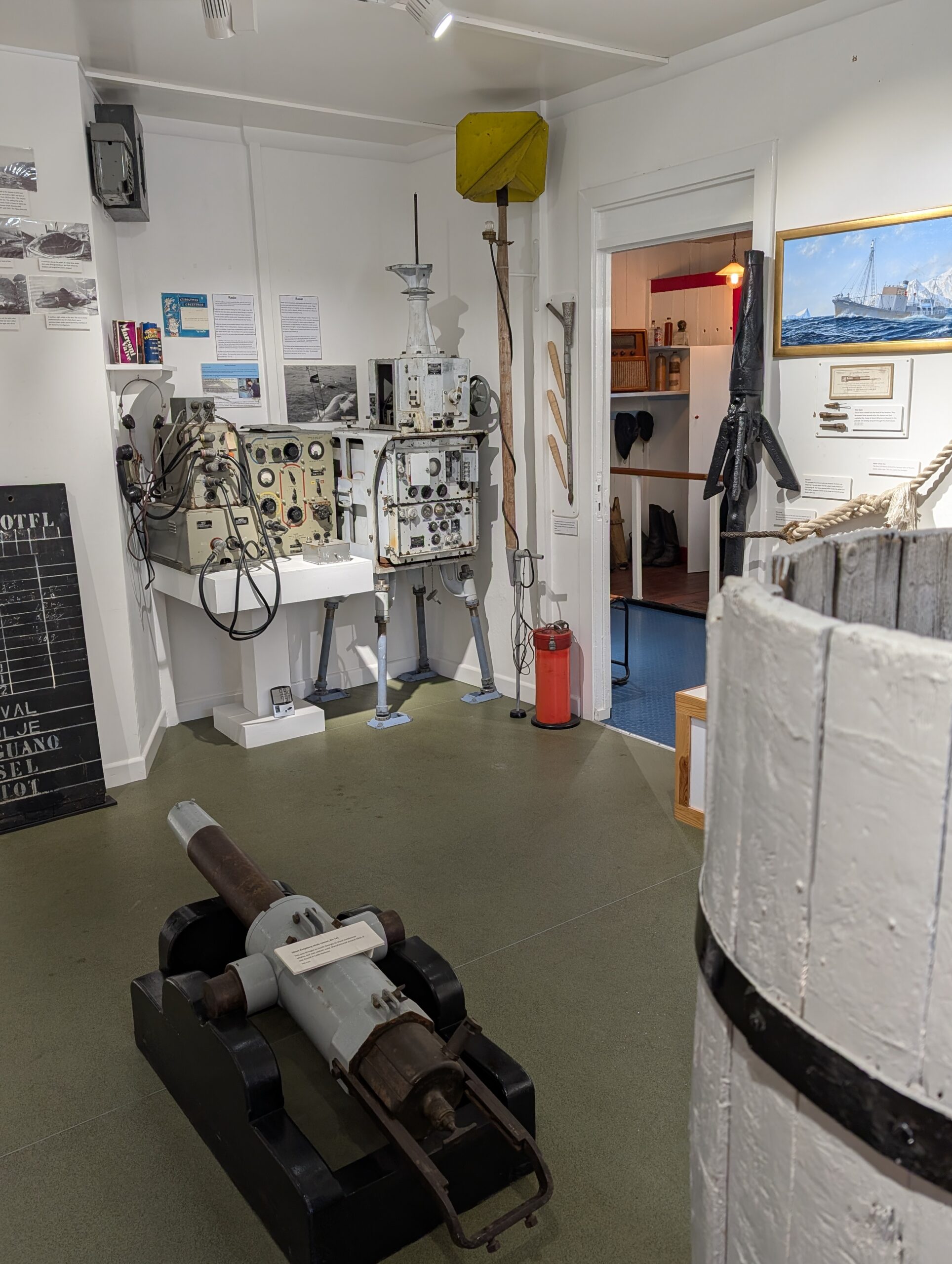
Loved, loved, loved the museum. In addition to exploring the whaling and sealing industries, there are sections on the role of South Georgia in Antarctic exploration, the unique ecosystem of the area, what life was like in Grytviken in its heyday – and, of course, Shackleton. The Heritage Trust has an effort underway to gather the stories and memories of the whalers.
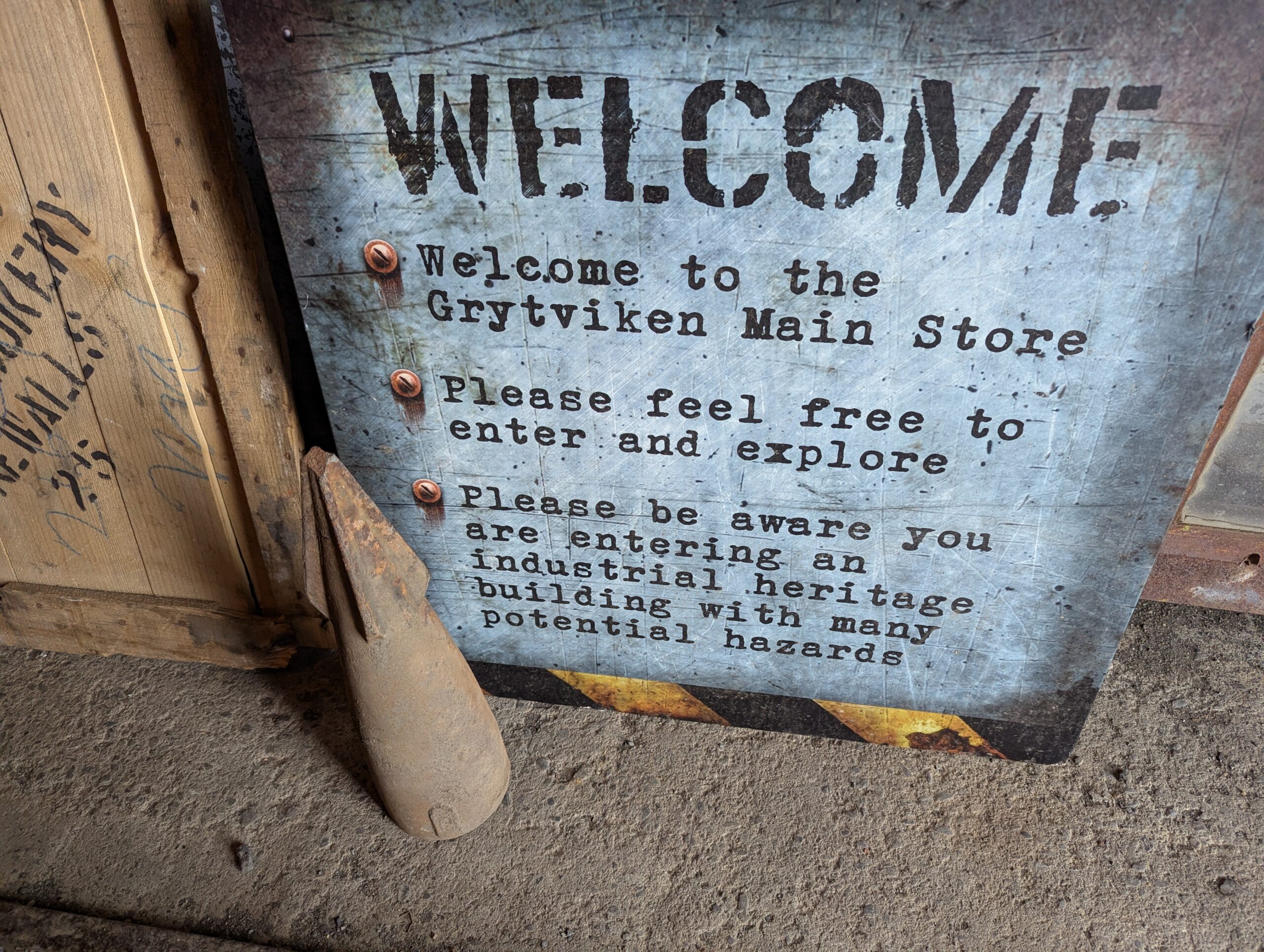
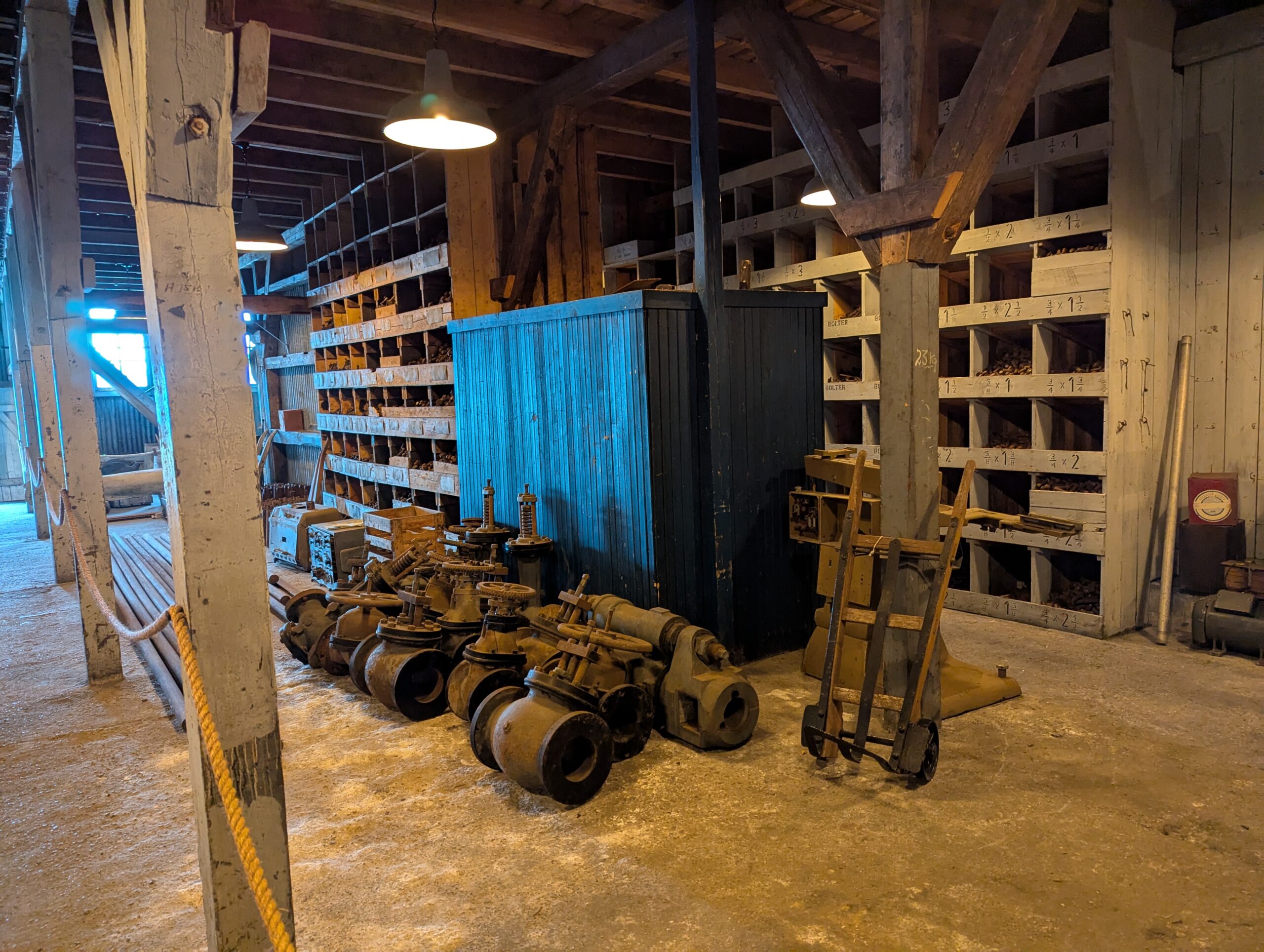
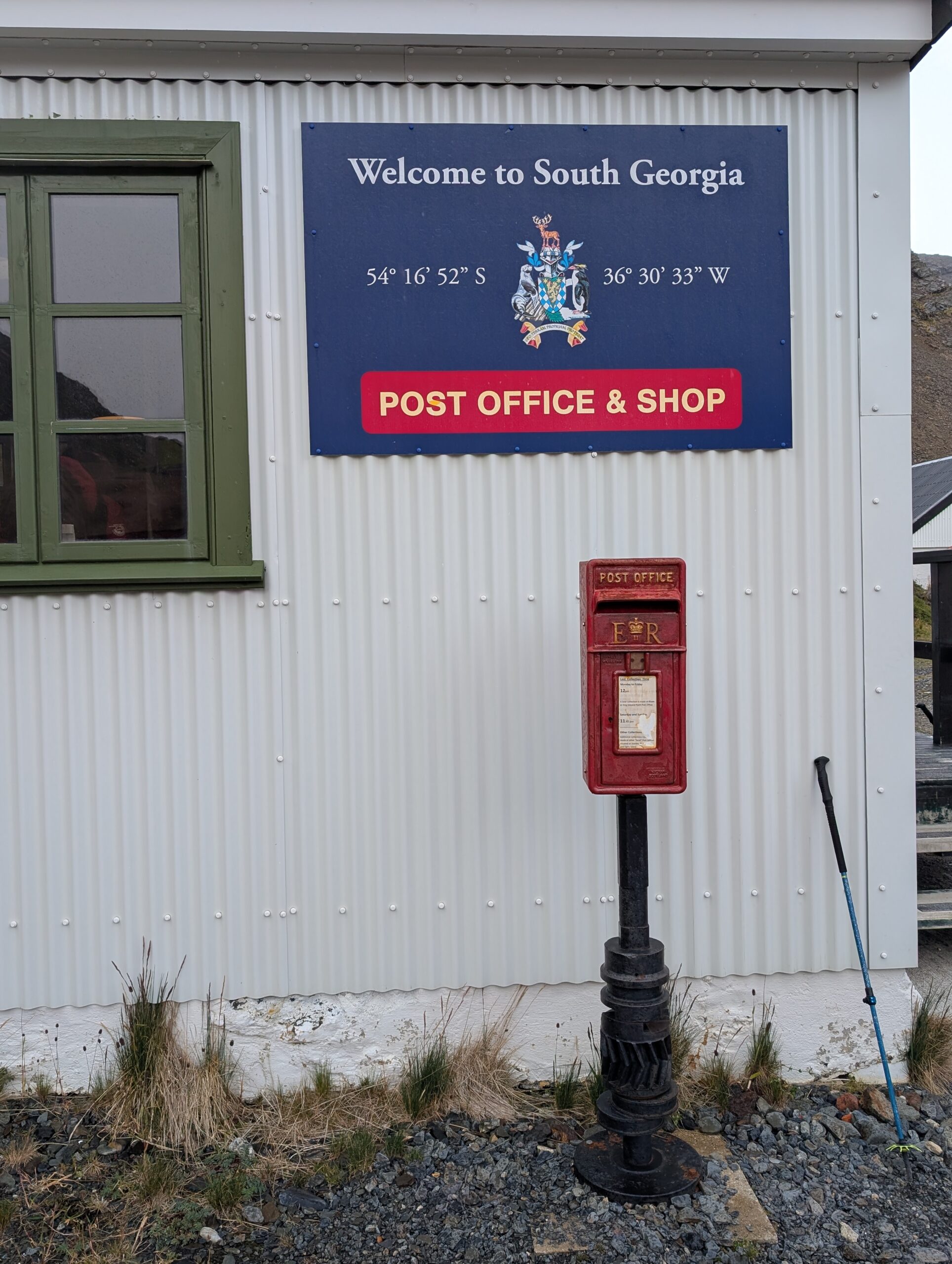
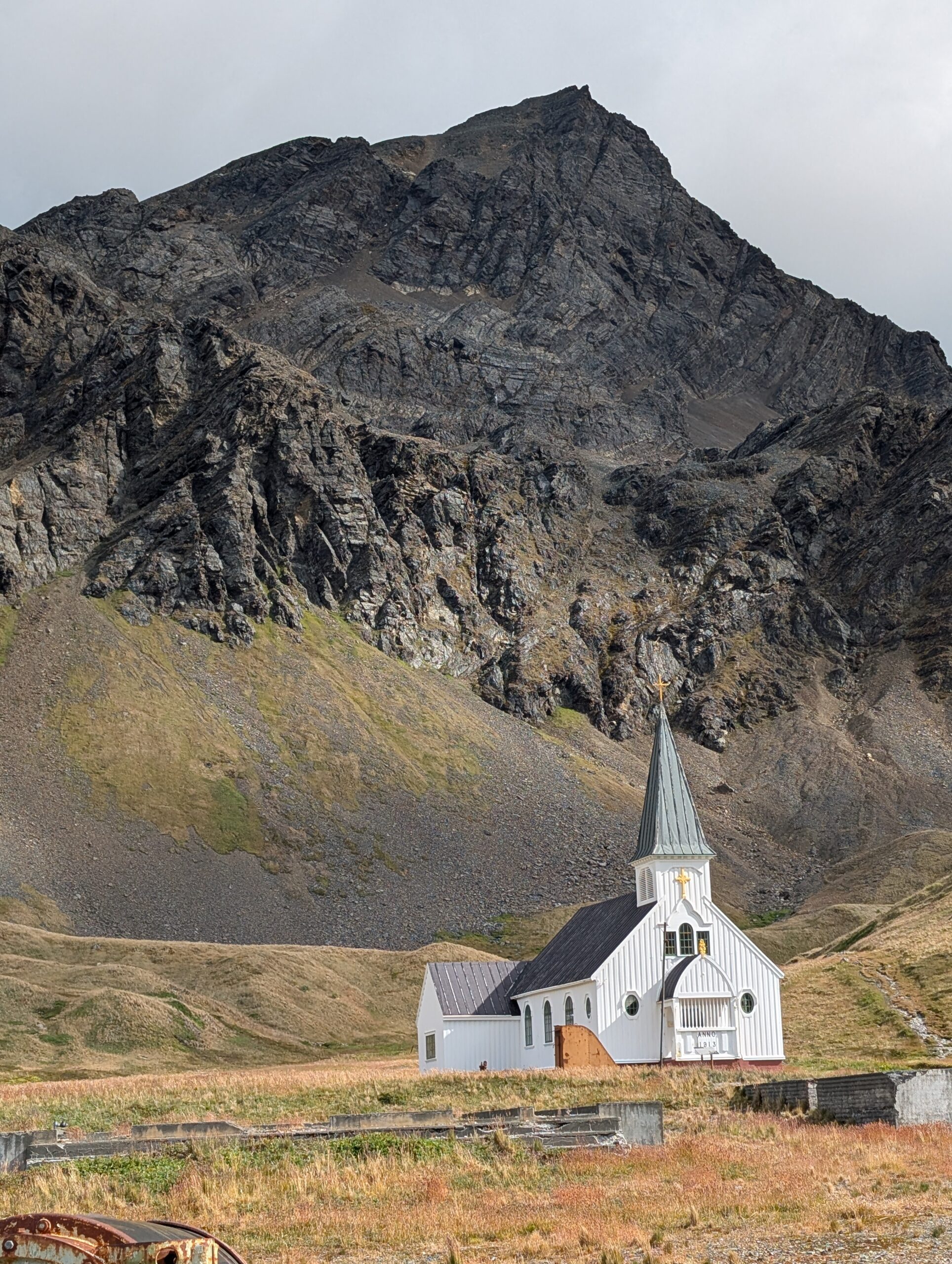
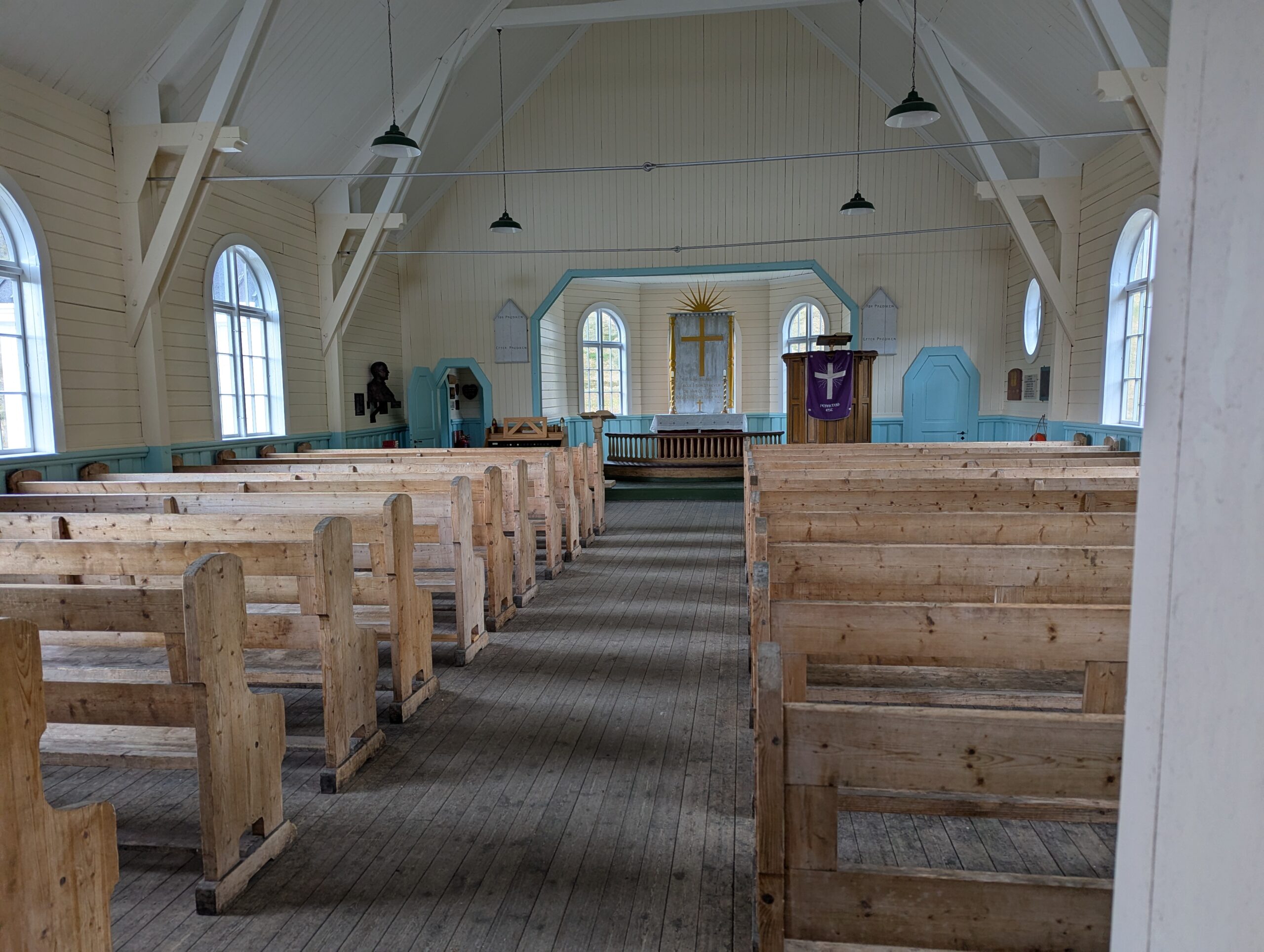
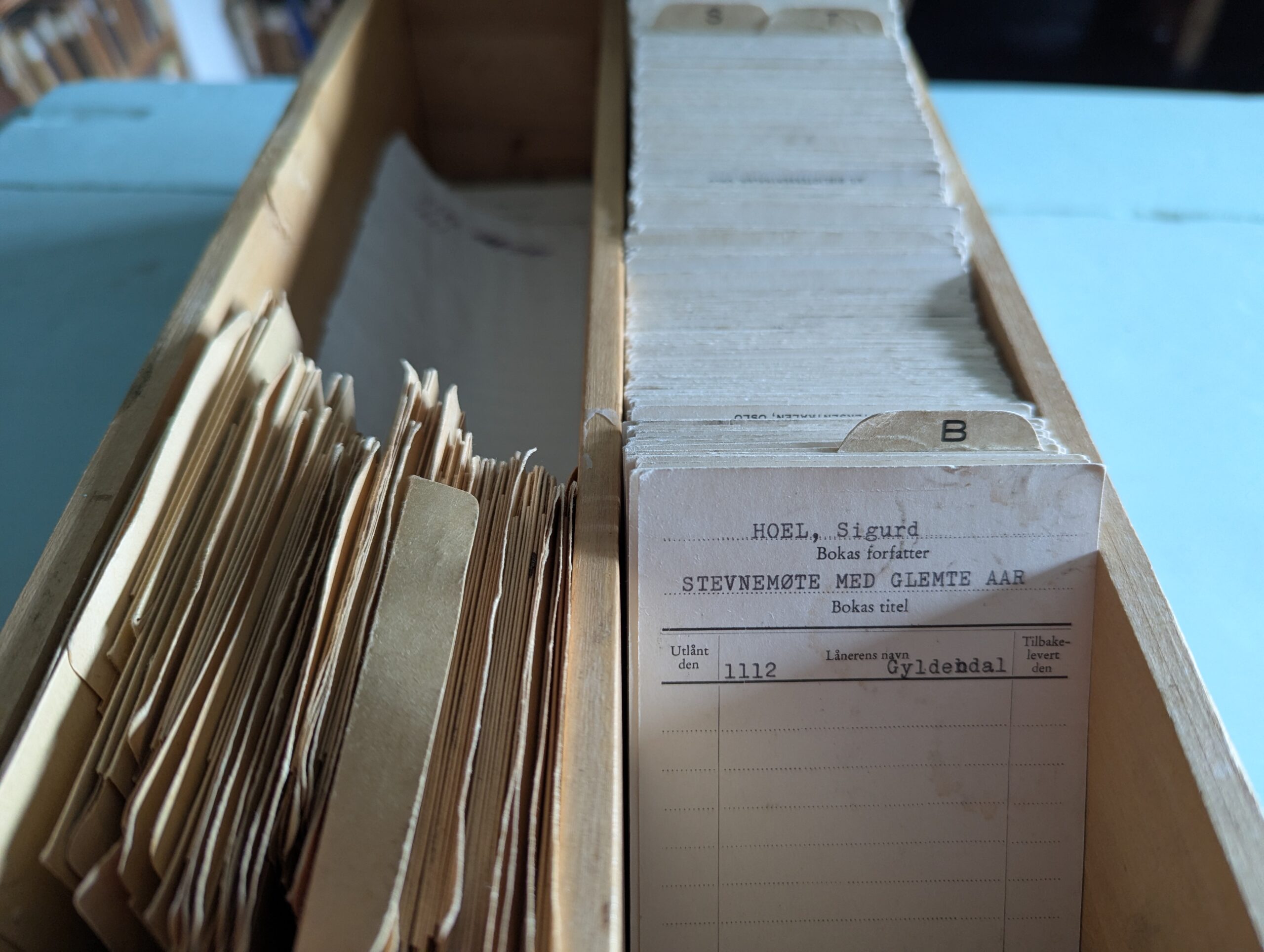
Considering the only way to get to South Georgia is by ship and not likely to get the casual tourist, the level of detail provided for the buildings of Grytviken are amazing. There is a museum and post office – each with a gift shop, naturally. One of the old warehouses was restored to replicate its previous function. The church is still in use – and they don’t stop you from ringing the bell provided you are quick enough. One member of our Expedition Team got married at the church.
The area is walkable, fascinating and breathtaking; full of history and natural beauty. I could have easily spent another few hours here. I did not want to leave.
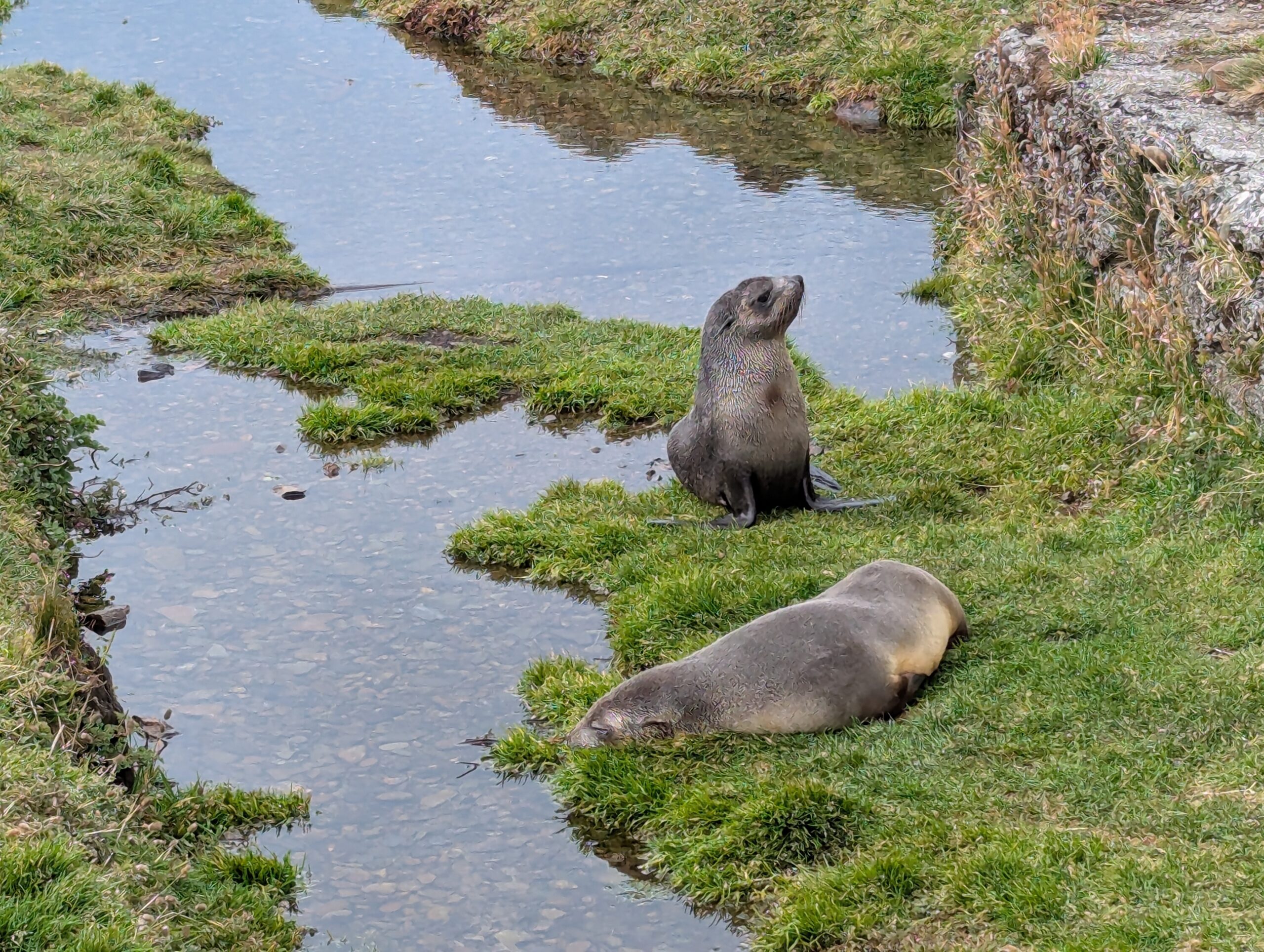
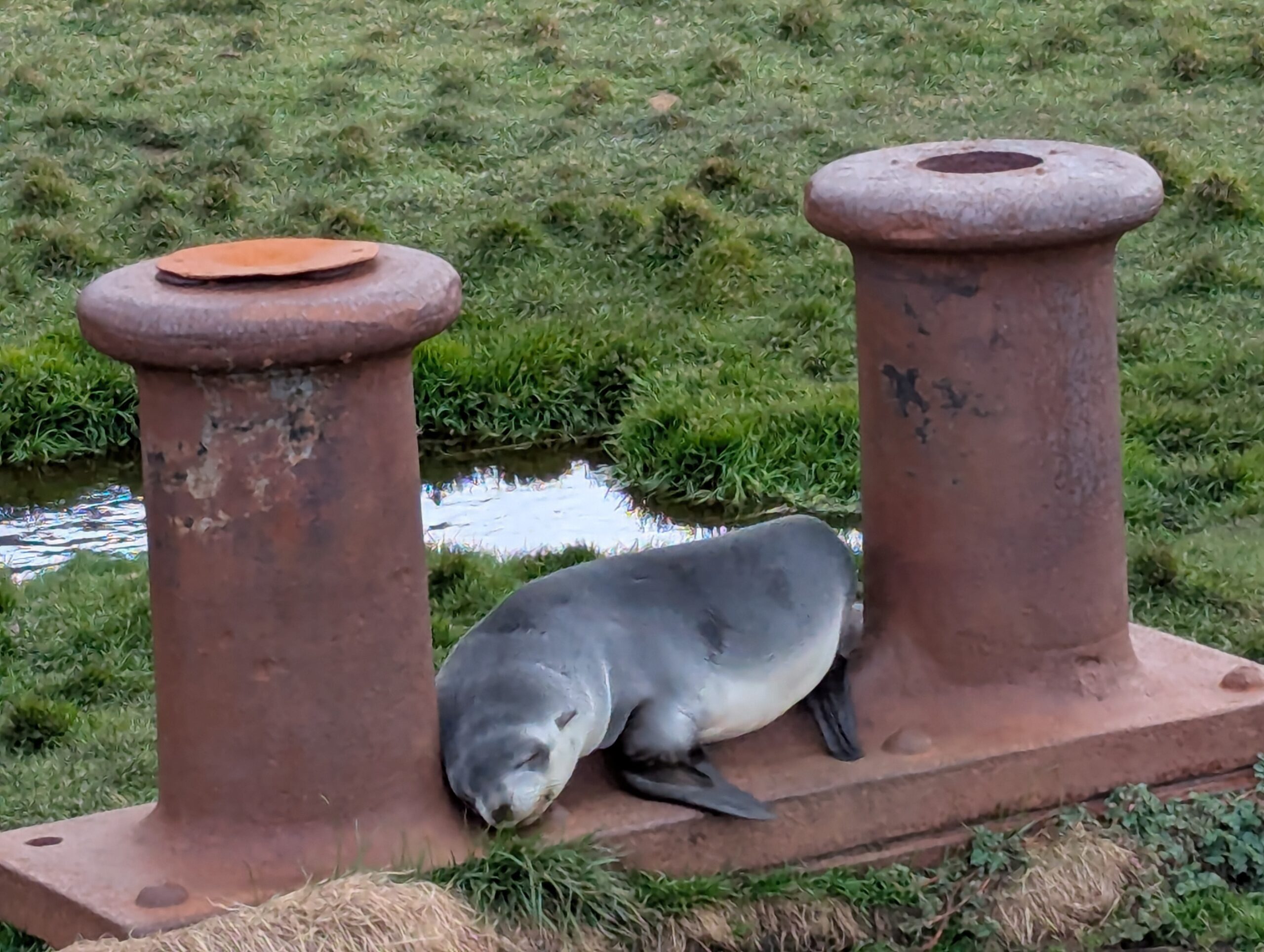
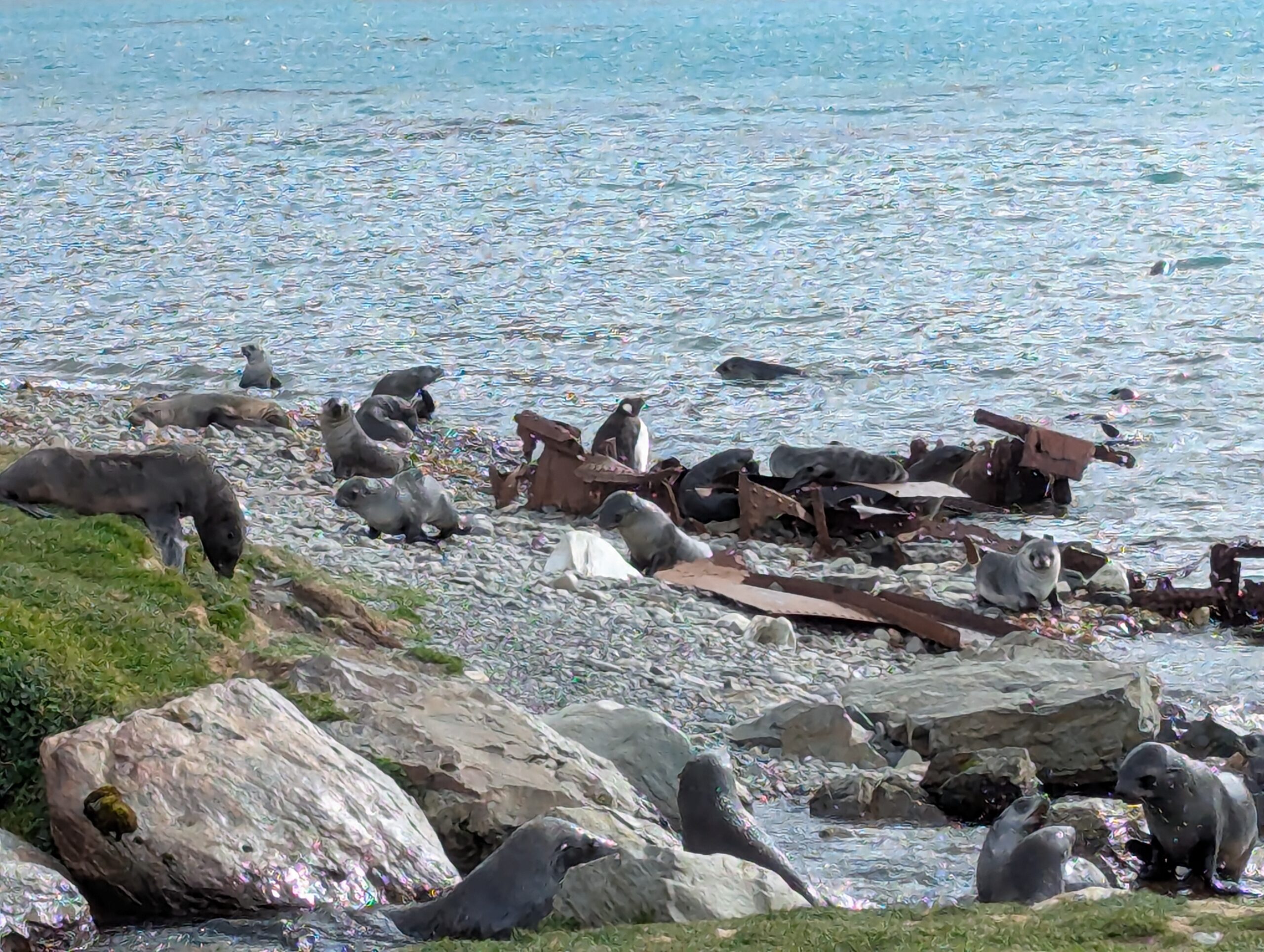
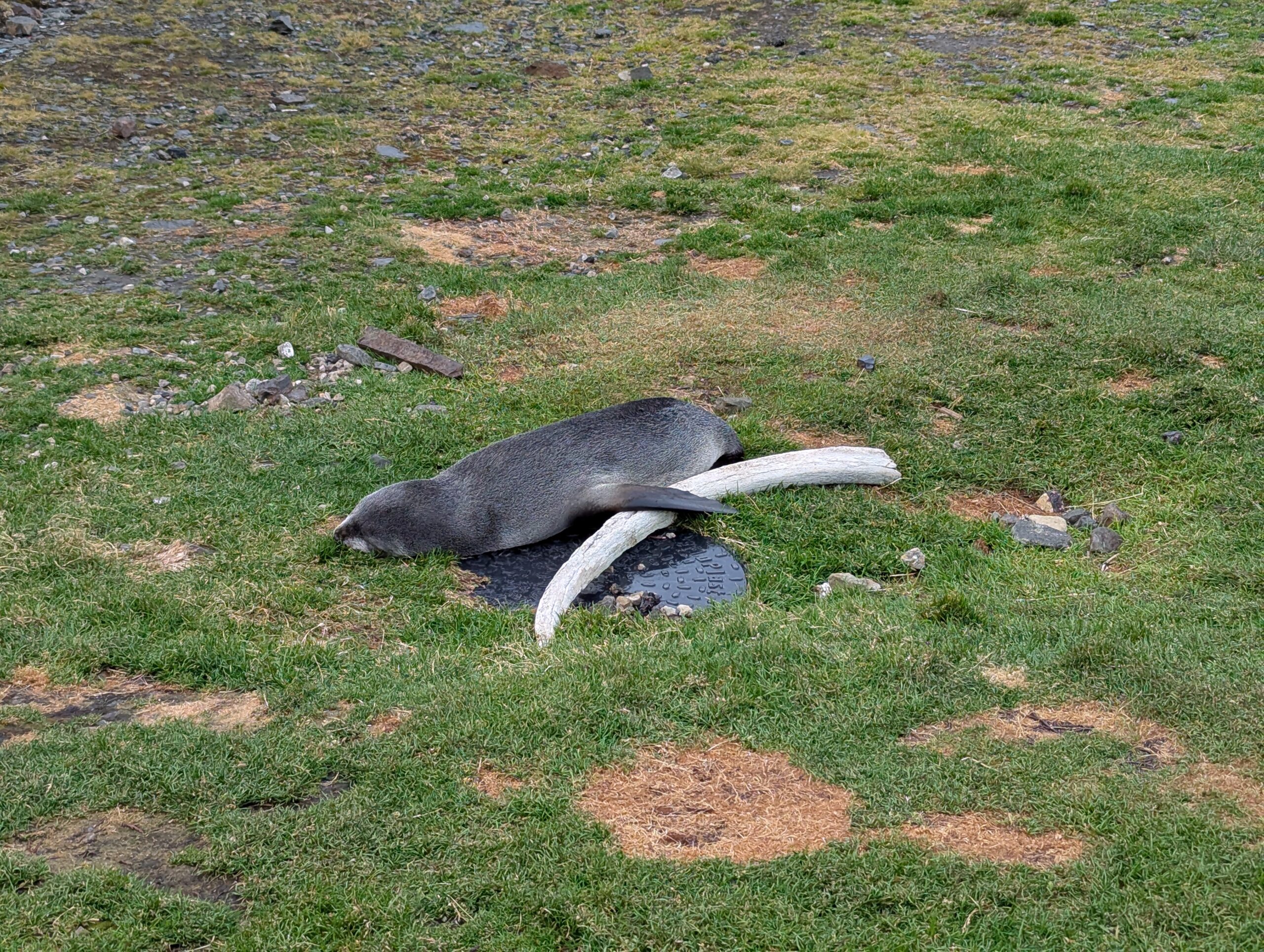
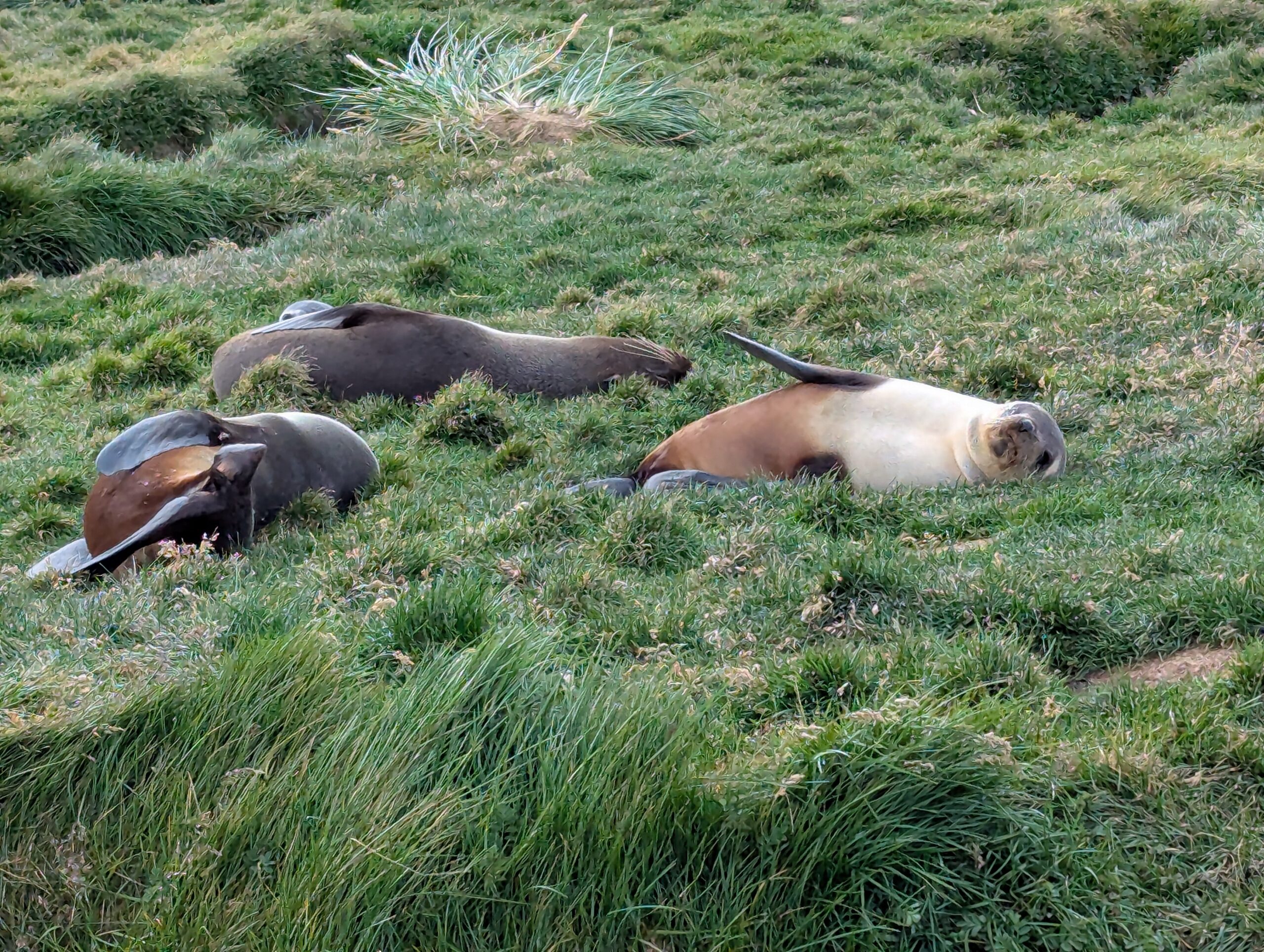
With the cessation of whaling and a successful biosecurity program, wildlife is in abundance in Grytviken. We hear there are now 5 million fur seals on South Georgia. We saw all but 17 of them in the last two days. They are everywhere: napping on tufts of grass, napping around disused equipment, or having a post-nap fight with one another – basically acting like stereotypical adolescents. If you turned your back to them, they were likely to charge at you. This behavior was rarely dangerous. Still, our instructions were to clap our hands at them if they got a bit over-curious. It worked surprisingly well; without missing a step, the charging fur seal quickly found something else to focus on.
They were adorable little pests, though.
Editor’s note: our postcards from South Georgia only took a few months to arrive.
Shackleton
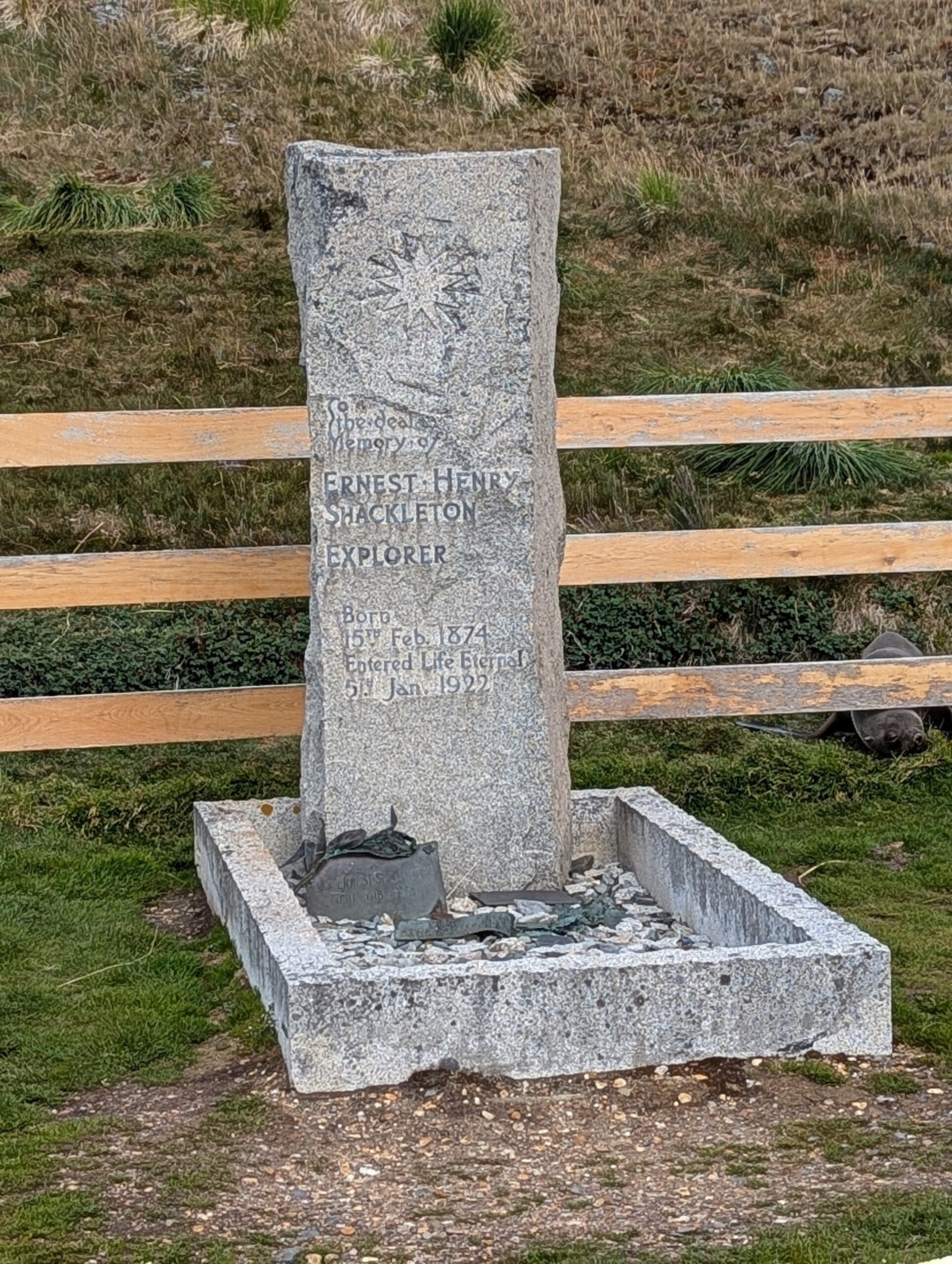
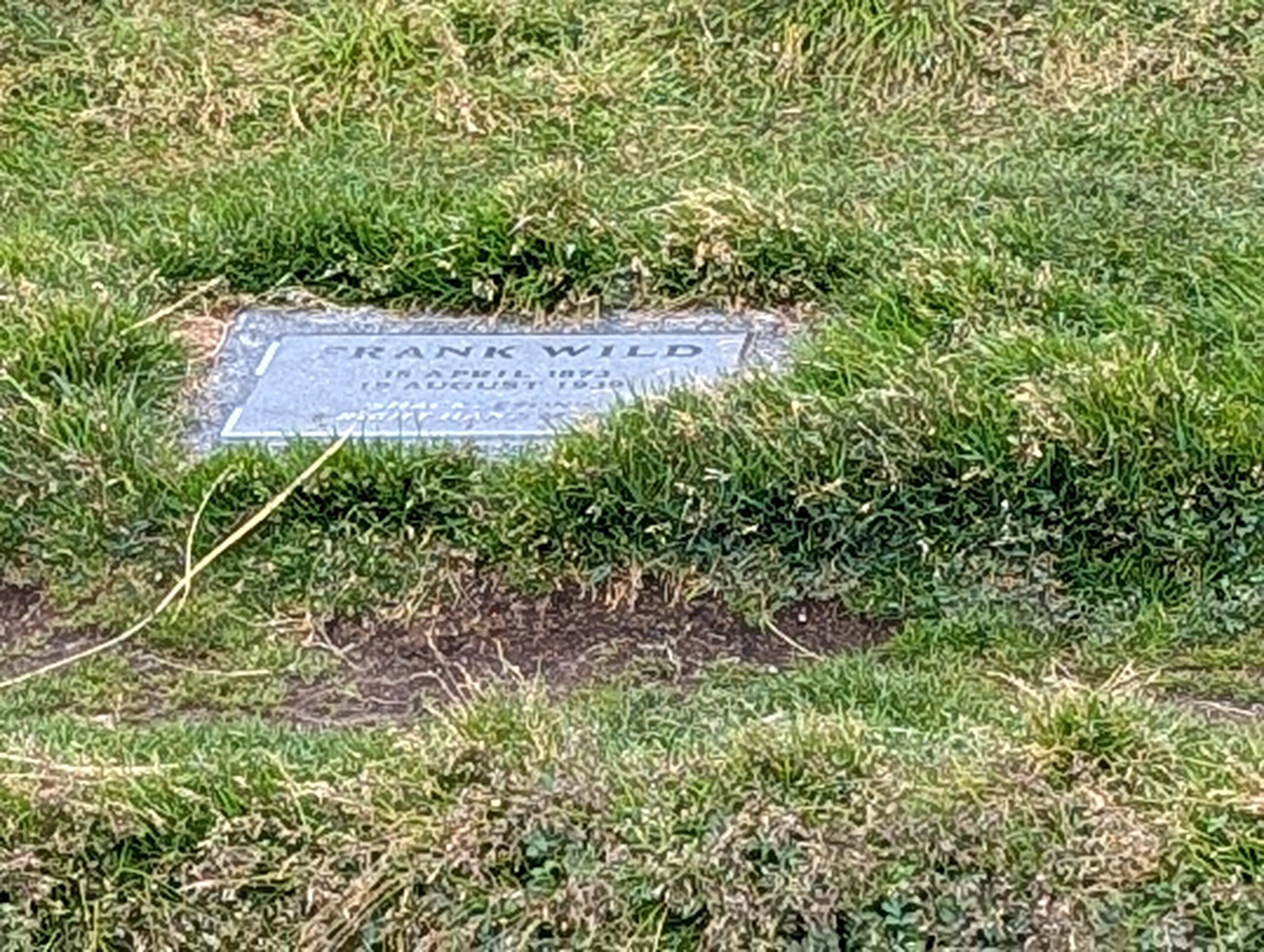
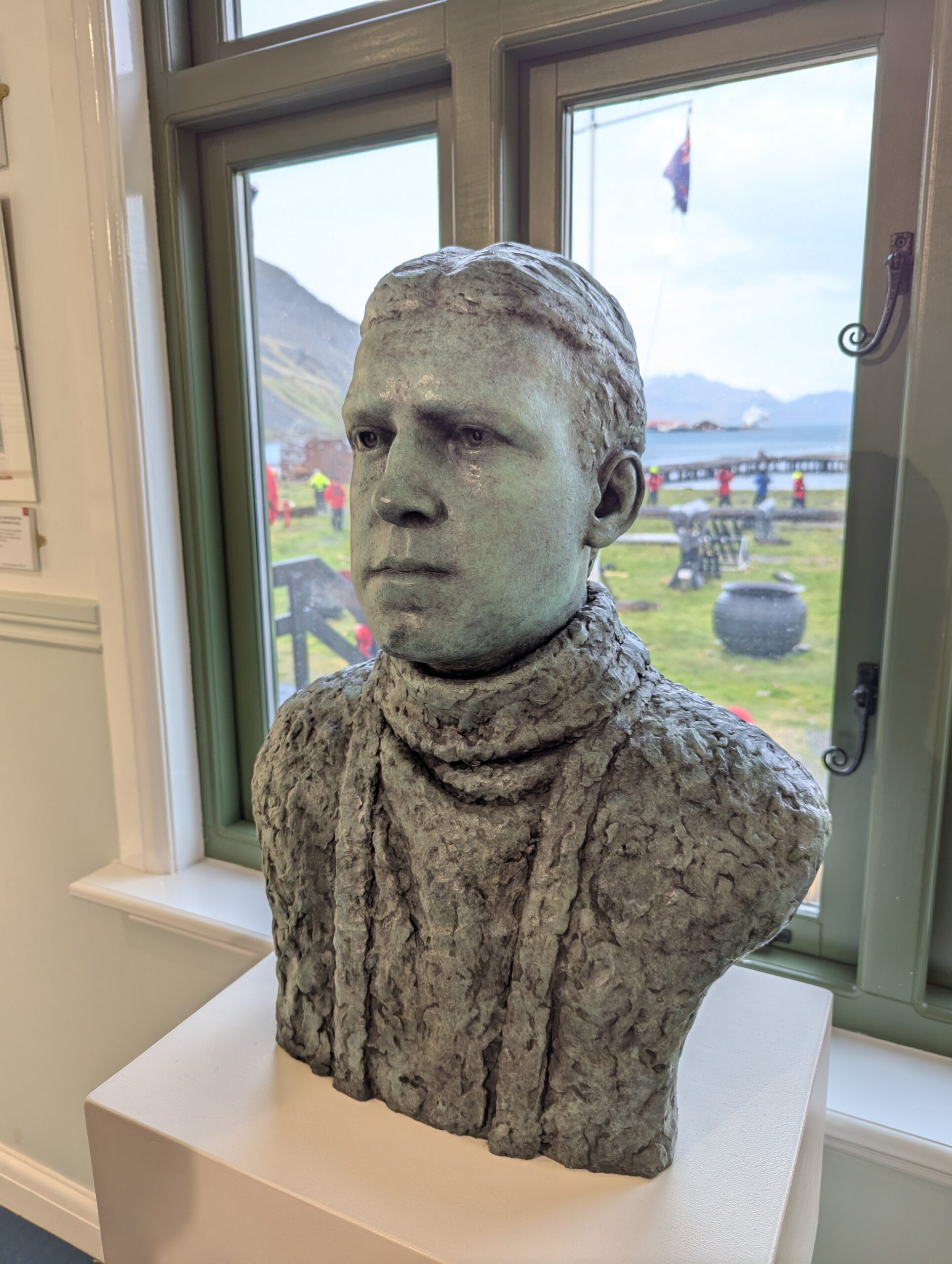
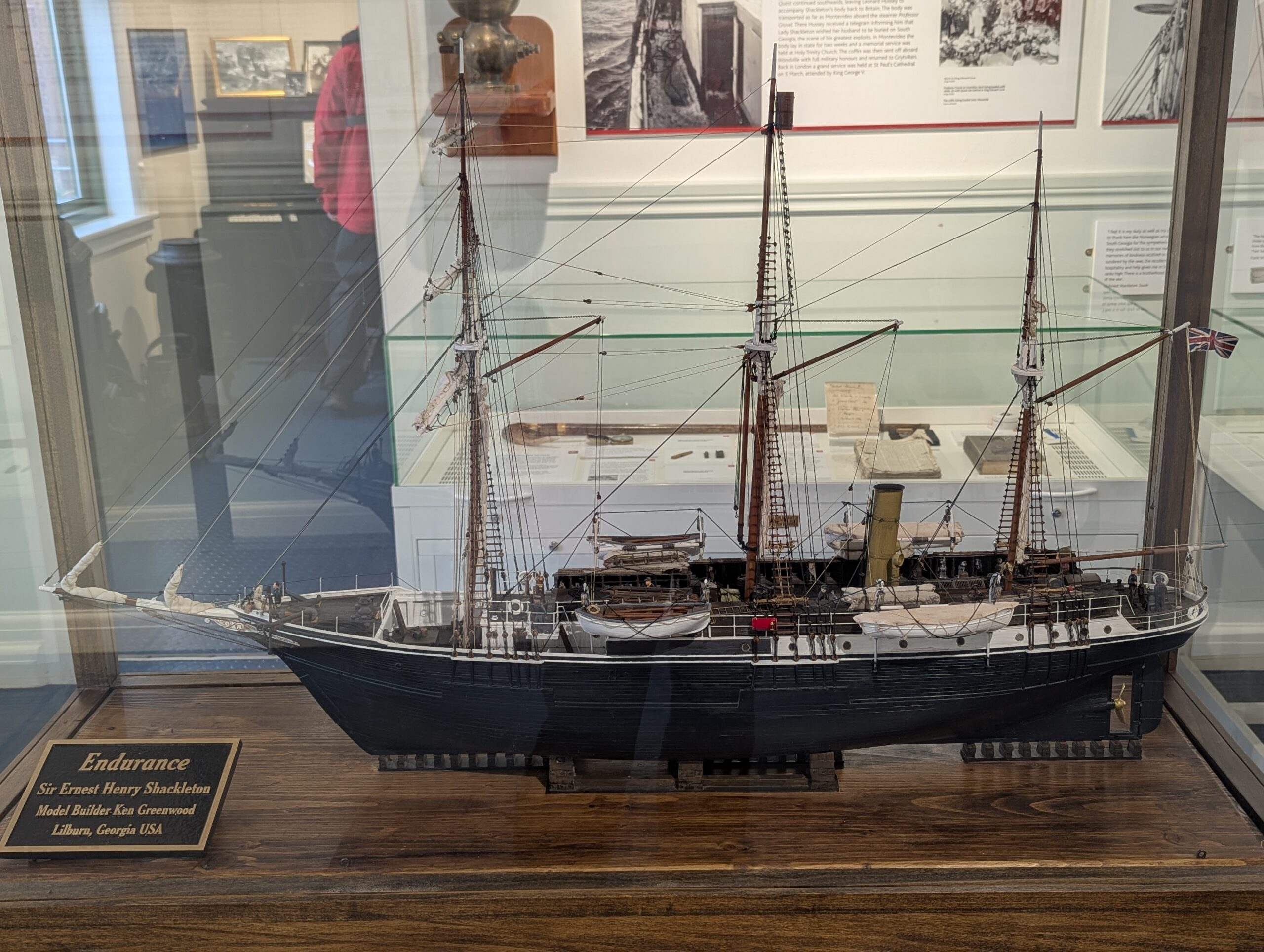
And, of course, there is Shackleton. The fingerprints of the famed Antarctic explorer Sir Ernest Shackleton are all over the place. Grytviken was the final stop of the Endurance before heading into the Antarctic ice as part of the Imperial Trans-Antarctic Expedition of 1914-16 on his failed attempt to cross the Antarctic continent. He later returned in 1922 on a subsequent expedition where he suffered a heart attack and died. He is buried in the cemetery at Grytviken alongside Frank Wild, his right hand man on the Endurance.
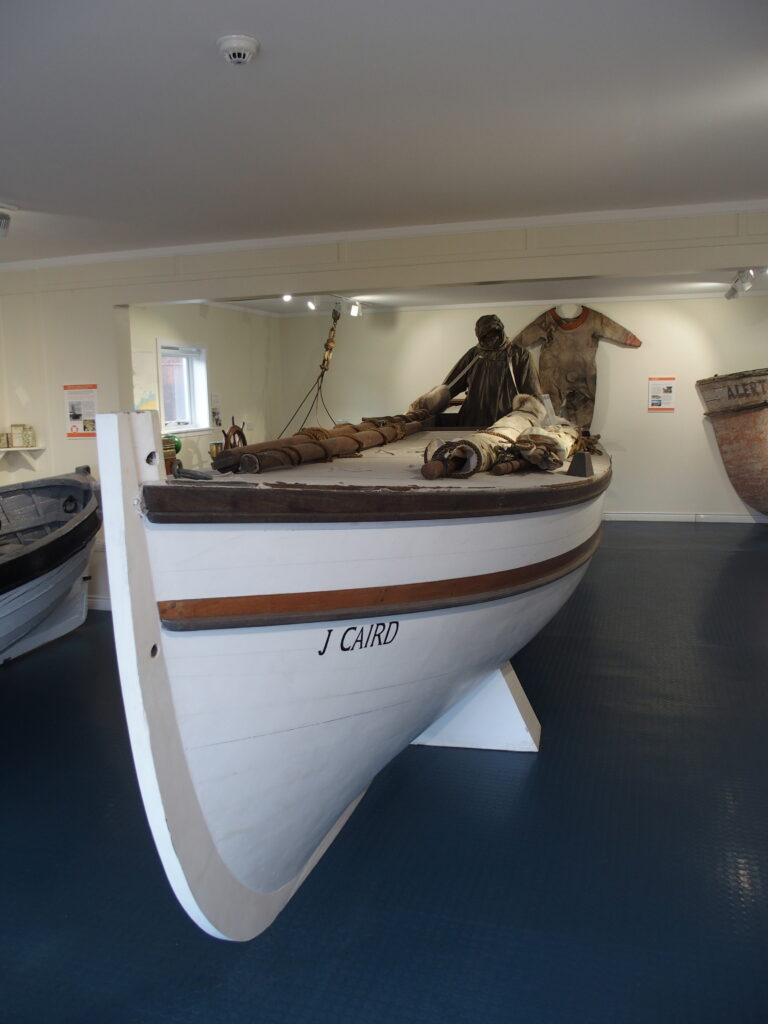
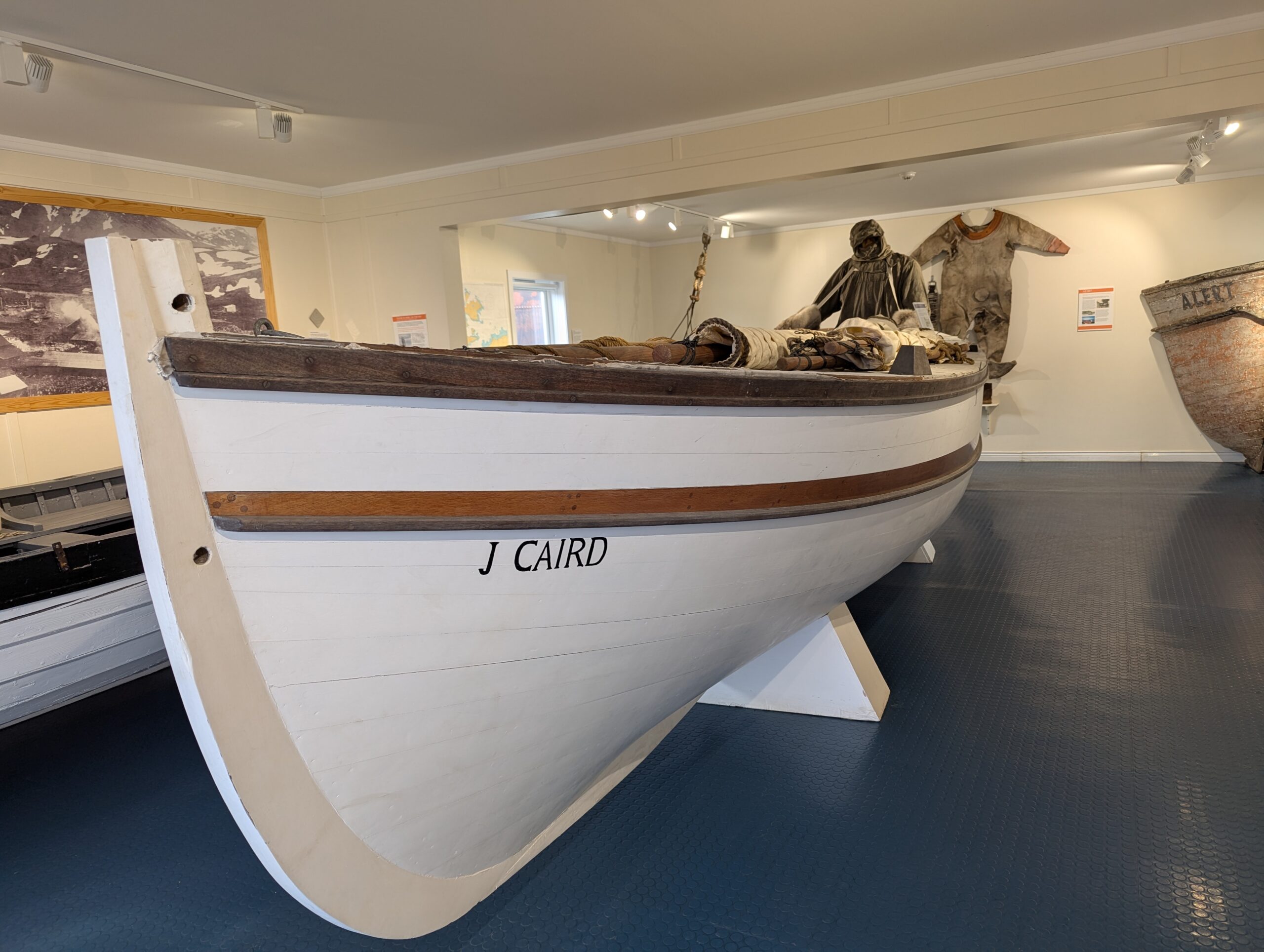
The Endurance expedition was legendary. The ship became trapped in the pack ice of the Weddell Sea. After the ship was crushed and sank, the crew journeyed across the ice, and then across open water, to seek refuge on Elephant Island. From there, six members (including Shackleton) piloted a 22 foot lifeboat, the James Caird, across the Drake Passage to South Georgia to get a rescue party. Remarkably, every man on the Endurance crew survived. The aptly named book Endurance (link to Amazon) is a fascinating retelling of the story. It was my vacation read for this trip.
With all due respect to the men of the Endurance and their incredible tale of survival (I do recommend the book), I am not a fan of Shackleton the man. Shackleton also owned the rights to the story and images from the Endurance. One could imagine modifying the stories to put him in a better light.
The whalers in Grytviken warned him of unusually heavy ice in the Weddell Sea, but he continued anyway (possibly to avoid having to return to an England in the throes of World War One; possibly to avoid debtors).
While the story of the Endurance is well-known, the expedition also included the Aurora, tasked with positioning supplies for Shackleton’s team on the opposite side of the continent. Shackleton failed to inform the Aurora team that he planned to begin his crossing one season later. The Aurora crew worked in haste to ensure the equipment was in place, yet lost three crewmembers in the process. Due to misfortunes, some of the crew became stranded and there were insufficient funds for an immediate rescue.
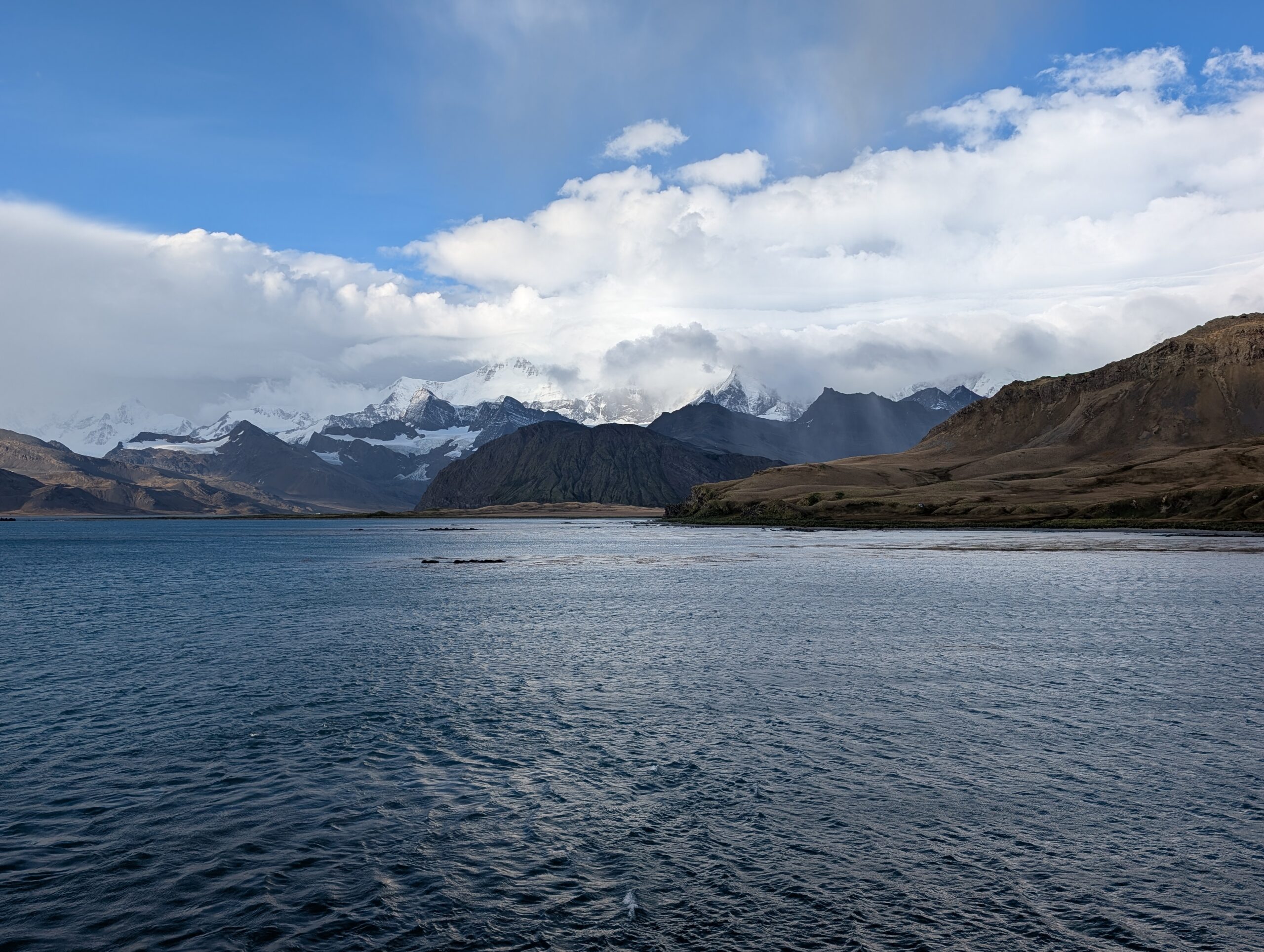
Sailing into the harbor at Grytviken, a tribute cross to Shackleton is visible. The cross was raised by the crew of the Quest, his ship during his final expedition. It sits on a piece of land called Hope Point, possibly named after one of Shackleton’s mistresses.
Petty, I know.
The wreck of the Endurance was discovered in the Weddell Sea in 2022.
Leave a Reply