Posts from the Road…

March 13, 2001 – Stockholm, Sweden
We have made it to Sweden, home of legendary actor Tor Johnson.
Had pretty good connections yesterday. We found the mysterious Platform 26 at the Copenhagen train station. Even though one of our connecting trains was cancelled, we arrived about when we expected.
The best way to describe the Junkerhaus in Lemgo is perhaps “impressive”. The interior rooms were designed with a collection of small pieces of wood arranged to form gothic-style arches or carved into figures. The end result looked like a web of vines with a touch of Miss Havisham. One story associated with this house told of love lost. Whether it is true or not, it is not difficult to see how this building could inspire such a tale.
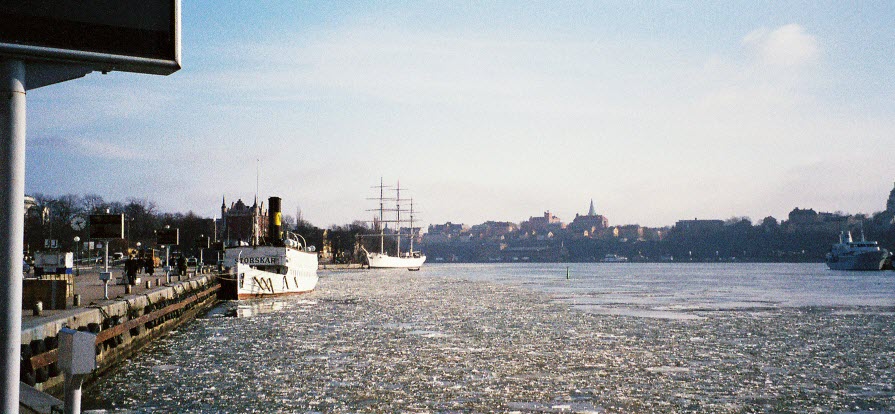
Stockholm is wonderful. Following Aimee’s recommendation, we went to the Vasa museum today. Amazing. They raised and restored a warship that had been resting at the bottom of Stockholm harbor for 333 years. A lot of interesting facts about life in 1628, politics of the time, and what it took to construct a ship of this size.
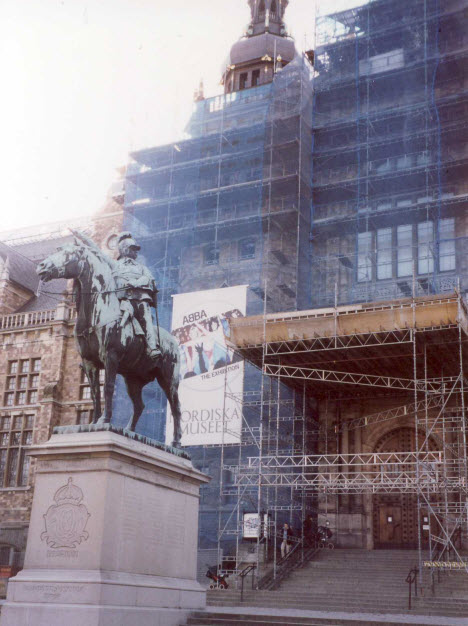
Then off to the Nordic museum where there was an exposition on ABBA.
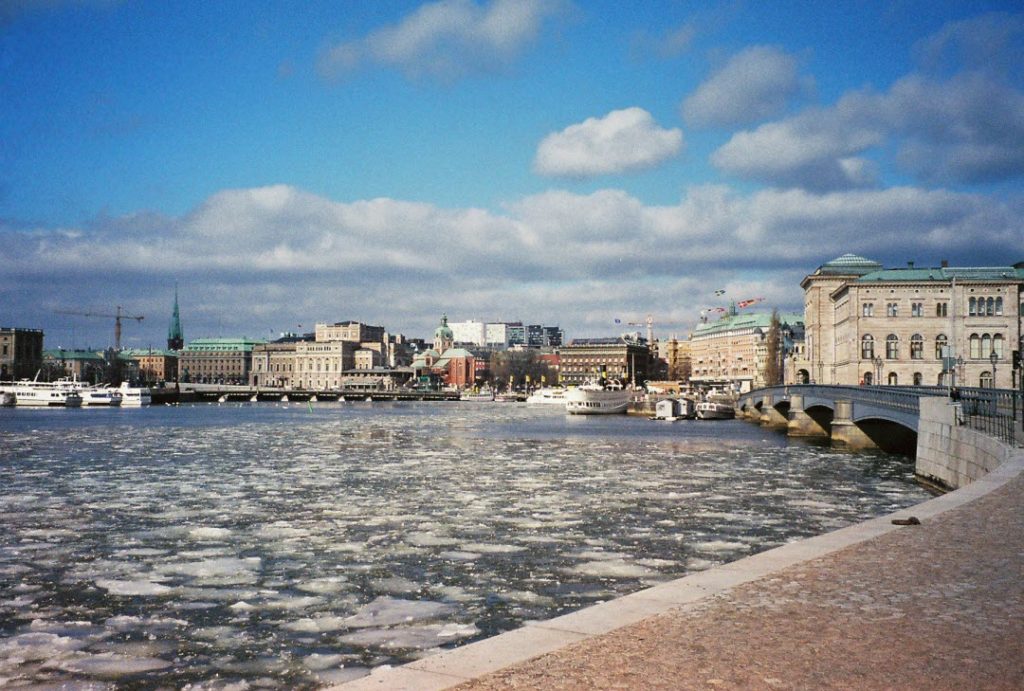
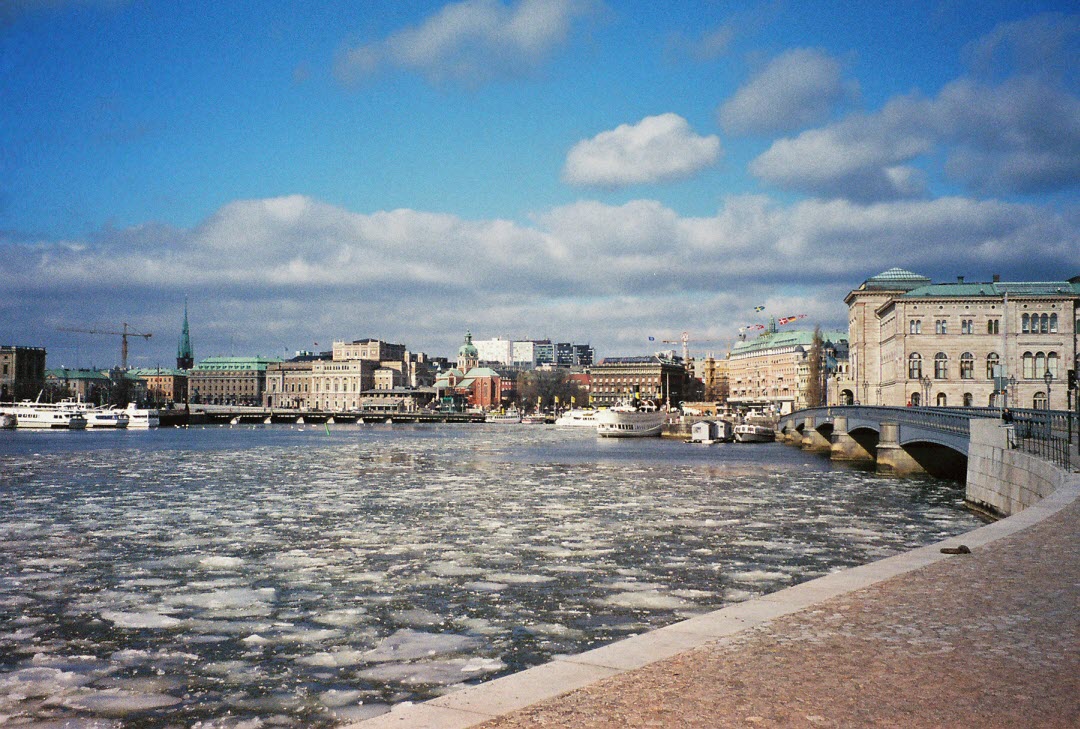
The weather is clear and cool. I noticed a number of people dressed in black clothing yesterday. Some of the stores were closed. This could have been mourning for the apparent demise of the Spice Girls or perhaps it was because it was Monday.
March 13, 2001 (Day 6): Skeppsholmen Hostel, Stockholm, 11pm
Morale: good. Stockholm has plenty of good coffee shops – many populated by gangs of young women equipped with newborns.
The first order of business today was to sort out the ferry to Estonia for our departure tomorrow. We were fortunate. The ship to Tallinn sails from Stockholm every other day – one happened to be sailing the day we wanted. If this sailing was not possible, I guess we would have just gone straight to Helsinki.
We took our friend Aimée’s suggestions and visited the Vasa Museum. It was a superb recommendation. The Vasa is a Swedish warship raised from Stockholm harbor 333 years after it sank. After construction began, the King of Sweden, Gustavus Adolphus, learned that the Danes were planning to build a larger vessel. He ordered the builder to re-design the Vasa with an extra gun deck, amongst other features. Despite the fact that stability tests found the ship lacking sufficient ballast to support modifications above the waterline, the Admiral in charge still permitted her to sail, saying it was in God’s hands now. No one who harbored doubts about her seaworthiness or contributed to the design was on board when she took her maiden voyage in 1628. When she set sail, the Vasa was the largest warship in the Baltic – for about twenty minutes until she capsized and sank.
When the King returned from Prussia, all that was visible of the newest ship in his fleet were the masts breaking the surface of the water. He ordered the masts cut down and the ship was forgotten as quickly as possible.
I think we have all been involved in those types of projects.
Few, if any, museums integrate the subject and structure of a museum better than here. The main floor represented sea level, clearly demonstrating how little of the ship was below the waterline. The distance from the floor to the ceiling represents the depth of the water where the ship sank. In fact, “masts” of the ship extend from the exterior of the building, demonstrating what was visible above the surface of the harbor after the ship capsized. Fantastic.
To complete our Swedish education, we went to the nearby Nordic Museum, where a special exhibition on the music group ABBA was underway. I am not making this up. With large banners outside the building and posters around the city promoting this exhibit, of course I had to go. I have to admit a certain fascination derived from the fact that a major museum was honoring the Swedish fab four. Mannequins wearing their costumes atop large letters spelling the group’s name as excerpts from their music filled the room. The memorabilia – magazines, merchandise, cut-out dolls – underscored the appetite of their legions of devoted admirers.
Editors note: Since this original post, ABBA has earned its own museum.
Sweden is the third-largest exporter of music after the United States and the UK.
While waiting my turn for a computer at an internet cafe, a woman came up to me and began speaking in a language I presumed to be Swedish. (This is not the first time it has happened to me in Stockholm.) I nodded at the right times, laughed sympathetically, and, lips pursed, made a few non-committal sounds complimented with my brow furrowed in a vaguely Nordic fashion. She seemed content with my level of participation and smiled as she walked away. Somewhere in the midst of this exchange, I debated telling her that I did not understand a single word she said. I realized that it did not matter. She was looking for someone to listen to her, perhaps even empathize. I was passing time waiting in line and was willing to participate. Everyone got what they were seeking.
Leave a Reply